



Career in Nursing: Scope, Roles, Qualifications, and Job Opportunities
Nursing is one of the most important professions in healthcare. It combines clinical knowledge, patient care, communication, and responsibility. For students who want a career built on service, skill, and long-term relevance, nursing remains a strong option.
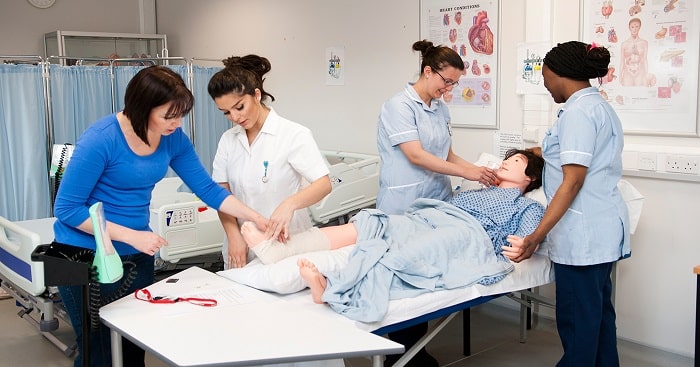
The profession is no longer seen only as a hospital support role. Nurses now work across hospitals, clinics, community health programs, schools, rehabilitation centers, emergency care units, aged care settings, research institutions, and teaching environments. Globally, the nursing workforce has grown, but demand remains high because many health systems still face staff shortages and uneven access to trained professionals. According to the World Health Organization, there were an estimated 29.8 million nurses worldwide in 2023, yet major workforce gaps remain across many regions.
Why Nursing Is a Strong Career Choice
Nursing appeals to students from both rural and urban backgrounds because it offers a clear professional path and meaningful work. It is suited to people who are patient, disciplined, emotionally steady, and willing to work closely with others.
A nurse plays a central role in patient care. Doctors diagnose and prescribe treatment, but nurses are often the professionals who monitor the patient’s condition, deliver direct care, explain procedures, assist with recovery, and maintain continuity in treatment. That practical and human role is one reason nursing remains essential in every health system. WHO identifies nursing and midwifery as vital to health service delivery, primary care, emergency response, and broader public health goals.
Another important point is that nursing is not a women-only profession. Men and women can both build successful careers in nursing. Entry into the profession depends on qualifications, training, licensing, and competence, not gender.
Nature of Work in Nursing
Nursing work varies depending on the role, level of training, and workplace. In general, nurses are responsible for patient care, treatment support, observation, communication, health education, and coordination with doctors and other healthcare staff.
Common responsibilities may include:
-
Monitoring patients and recording health status
-
Administering medicines and treatments
-
Assisting doctors during procedures
-
Supporting patients during recovery
-
Providing health education to patients and families
-
Maintaining records and care documentation
-
Responding to emergencies
-
Coordinating with multidisciplinary care teams
Nursing is a profession that demands both technical competence and empathy. It requires attention to detail, emotional balance, and the ability to work in high-pressure environments.
Main Nursing Roles
The field of nursing includes several types of roles, depending on the area of care and level of specialization.
General Nurse
General nurses work in hospitals, nursing homes, clinics, and care centers. Their core responsibilities include patient care, treatment support, communication with families, and assistance in routine and emergency medical settings.
Midwife
Midwives and maternity-focused nurses support pregnant women during antenatal care, childbirth, and postnatal recovery. This area requires clinical skill, patience, and close monitoring of maternal and newborn health.
Community Health Nurse
Community health nurses work beyond hospitals. They support public health services, preventive care, health awareness, immunization programs, outreach services, and basic care delivery in local communities.
School Health Nurse
These nurses work in educational settings and focus on student health, basic medical care, health counseling, and preventive support.
Industrial or Occupational Nurse
Industrial nurses work in factories, companies, and organized workplaces. They focus on employee health, basic treatment, workplace safety, and health monitoring.
Specialized Nurse
With higher study or additional training, nurses may enter specialty areas such as critical care, cardiology, oncology, nephrology, pediatrics, mental health, emergency care, or surgical nursing.
Career Path in Nursing
A nursing career usually begins with entry-level clinical practice after completing the required qualification, registration, and practical training. Many professionals start in hospital-based roles such as staff nurse or junior nursing positions. With experience, performance, and further study, they may move into senior clinical, supervisory, teaching, administrative, or specialized care roles.
The exact career ladder is not the same in every country or institution, so it is better not to assume a fixed timeline. Progress usually depends on factors such as licensing rules, years of service, specialization, and the structure of the employer.
Qualifications and Higher Study Options
The required qualification for nursing depends on the country, the nursing council or licensing body, and the type of nursing role. In most systems, students need a recognized nursing qualification, supervised clinical training, and registration or licensure before practicing.
After the basic nursing qualification, many students continue with higher study to strengthen their prospects. Common academic pathways may include:
-
Bachelor’s degree in nursing
-
Master’s degree in nursing
-
MPhil or research-based study
-
PhD in nursing or related health disciplines
-
Specialty certifications in focused care areas
Higher study can support career advancement in specialist nursing, teaching, hospital administration, research, and leadership roles.
Job Opportunities in Nursing
The scope of nursing extends far beyond bedside care. Qualified nurses may find opportunities in a wide range of settings, such as:
-
Government hospitals
-
Private hospitals
-
Nursing homes
-
Community health centers
-
Schools and colleges
-
Rehabilitation centers
-
Counseling centers
-
Old age homes and long-term care facilities
-
Armed forces and institutional health services
-
Public health programs
-
Pharmaceutical and healthcare companies
-
Nursing education institutions
Many healthcare systems also need nurses in training, administration, infection control, quality assurance, and patient education. This wider scope makes nursing one of the more flexible healthcare careers.
Global Demand and Outlook
Demand for nurses remains high worldwide, although opportunities vary by country. WHO’s 2025 nursing update shows that the global nursing workforce has grown since 2018, but shortages remain significant and are expected to continue in many regions through 2030. The same report highlights that workforce availability is uneven, which means demand may be especially strong in settings facing staffing gaps, ageing populations, or expanding health services. (World Health Organization)
This does not mean every graduate will automatically secure the same type of job everywhere. Employment outcomes depend on training quality, licensing requirements, specialization, language ability where relevant, and local healthcare demand.
Skills Needed for a Successful Nursing Career
Students who want to succeed in nursing should build both professional and personal skills. The most important ones include:
-
Compassion and patience
-
Communication skills
-
Clinical accuracy
-
Emotional resilience
-
Responsibility and discipline
-
Teamwork
-
Time management
-
Observation and decision-making ability
Nursing is not only about serving patients. It is also about maintaining standards, following procedures, and supporting safe, continuous care.
Challenges in the Profession
Nursing is meaningful work, but it is also demanding. Long shifts, emotional pressure, emergency situations, staffing shortages, and the need for continuous learning can make the profession challenging. The International Council of Nurses has also highlighted workforce pressure and nurse wellbeing as major current concerns in the global profession. (ICN - International Council of Nurses)
That said, for students who are genuinely interested in healthcare and service, nursing can offer both personal purpose and professional stability.
Conclusion
Nursing is a respected and practical career with strong social value. It is suitable for students who want to work in healthcare, support people through illness and recovery, and build a profession based on skill, care, and responsibility.
The field offers opportunities in hospitals, community health, education, research, administration, and specialized clinical areas. With the right qualification, training, and commitment, nursing can lead to a stable and meaningful long-term career.
FAQs
Is nursing only for women?
No. Nursing is open to both men and women. The profession depends on training, competence, and commitment rather than gender.
What does a nurse do?
A nurse provides patient care, supports treatment, monitors health conditions, assists doctors, educates patients, and helps maintain continuity in healthcare services.
Where can nurses work?
Nurses can work in hospitals, clinics, nursing homes, schools, community health programs, rehabilitation centers, counseling centers, and teaching institutions.
Can nurses study further after basic qualification?
Yes. Nurses can pursue higher education such as bachelor’s, master’s, MPhil, PhD, or specialty certifications in areas like critical care, oncology, cardiology, and public health.
Is nursing a good career?
Nursing can be a strong career choice for students who want a stable healthcare profession with long-term relevance, diverse work settings, and clear progression opportunities.







Comments 0
No comments yet. Be the first to start the conversation.