



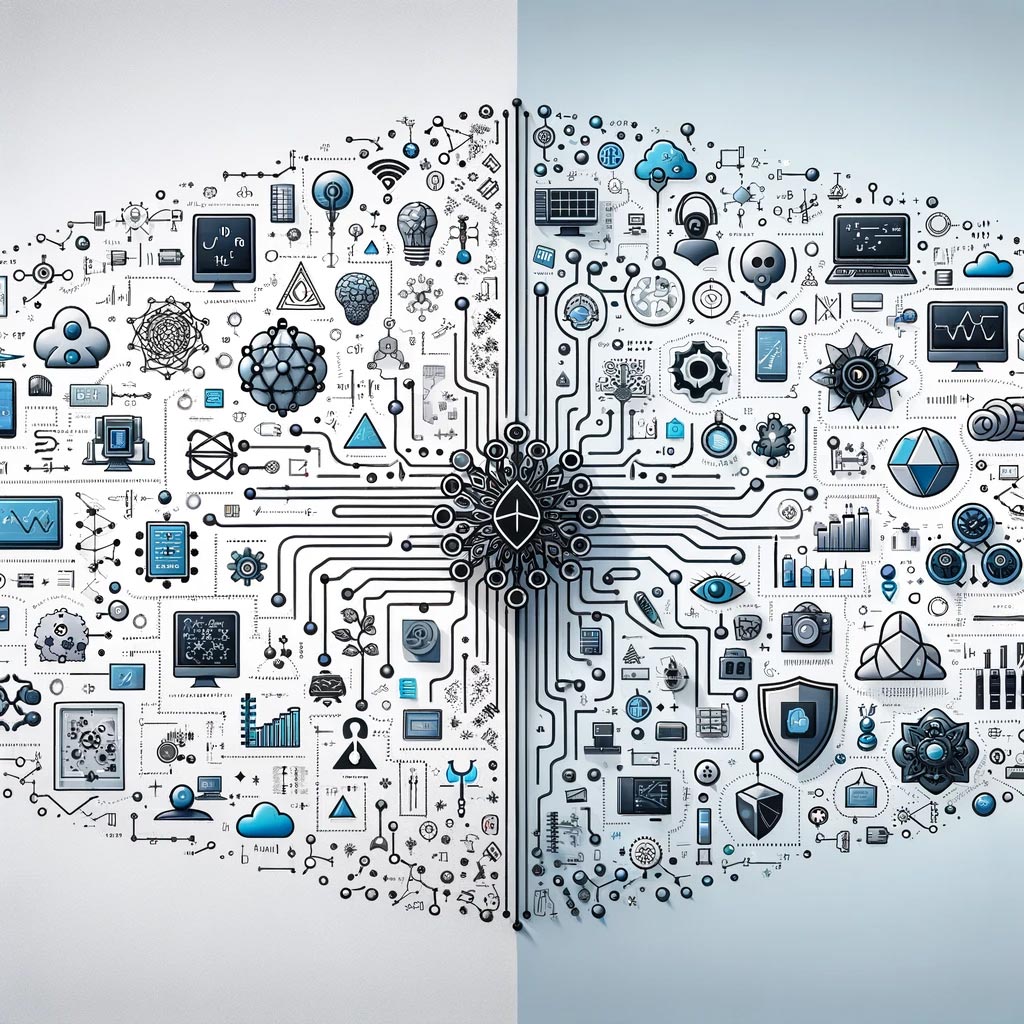
Future Careers in Creative and Digital Media: Navigating an Evolving Landscape
The world of creative and digital media is changing quickly. New technologies, shifting audience habits, and the expansion of online platforms are reshaping how content is produced, distributed, and consumed. For students, young professionals, and career changers, this creates both fresh opportunities and new expectations.
A successful career in this field now requires more than talent alone. It demands adaptability, digital fluency, creative thinking, and a willingness to keep learning. From content creation and digital marketing to immersive media and analytics, the sector offers a wide range of career paths for people with different interests and strengths.
A Growing and Changing Industry
Creative and digital media continues to expand across multiple sectors, including film, music, design, gaming, advertising, publishing, social media, and streaming. As audiences spend more time online and consume content across multiple devices, organizations are investing more heavily in digital communication and storytelling.
This growth is being supported by several long-term shifts:
-
Wider internet access and mobile connectivity
-
Increased demand for digital entertainment and information
-
Growth of creator-led platforms and independent publishing
-
Stronger reliance on online branding, marketing, and audience engagement
-
Demand for personalized and niche content experiences
As a result, careers in media are no longer limited to traditional roles in television, print, or film. Today, professionals can build careers in platform-based content, digital campaigns, community management, multimedia storytelling, and interactive experiences.
How Technology Is Reshaping Media Careers
Technology is one of the strongest forces influencing the future of media work. It is changing not only the tools professionals use, but also the type of work available.
Artificial Intelligence
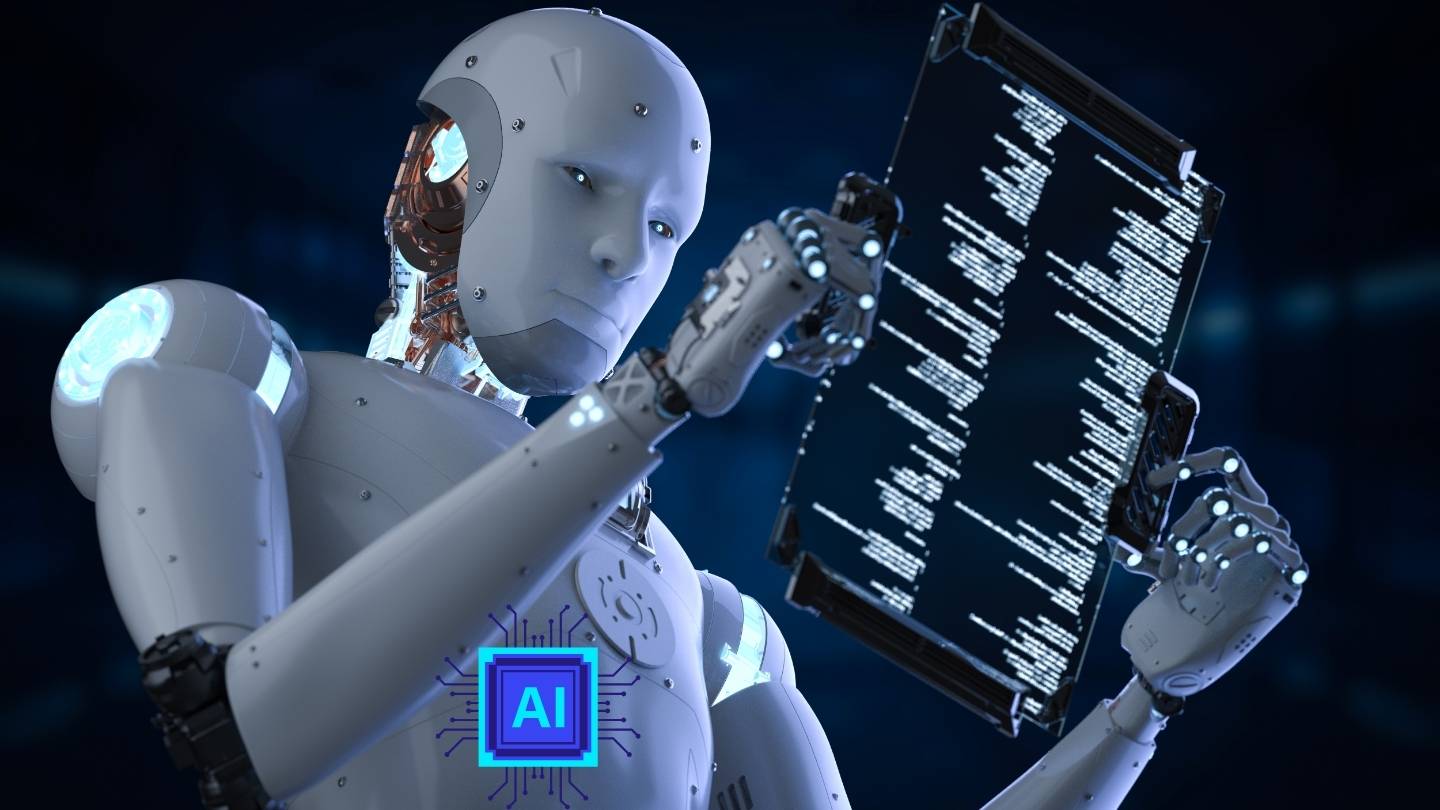
Artificial intelligence is increasingly being used in media production and distribution. It can assist with editing, transcription, design support, content recommendations, workflow automation, and audience analysis. In journalism, marketing, and video production, AI tools can speed up repetitive tasks and improve efficiency.
However, AI is not replacing creativity. Instead, it is changing the role of media professionals. People who can combine human judgment, originality, and ethical thinking with smart use of digital tools are likely to be more competitive.
Virtual Reality and Augmented Reality
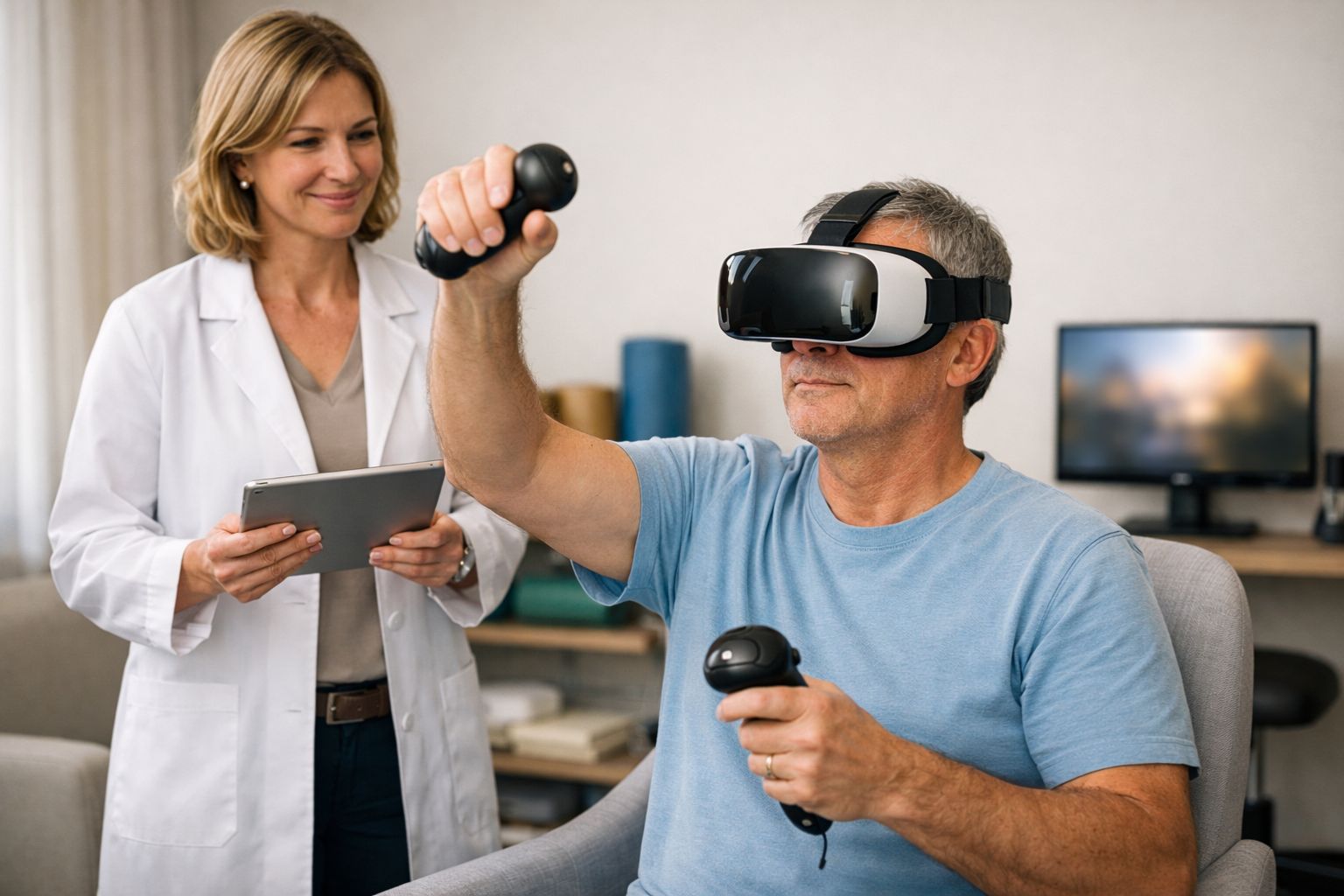
Virtual reality (VR) and augmented reality (AR) are opening new creative spaces in gaming, advertising, education, training, and entertainment. These technologies allow users to interact with content in more immersive ways, creating demand for designers, developers, storytellers, and experience creators who understand interactive media.
Blockchain and Digital Ownership
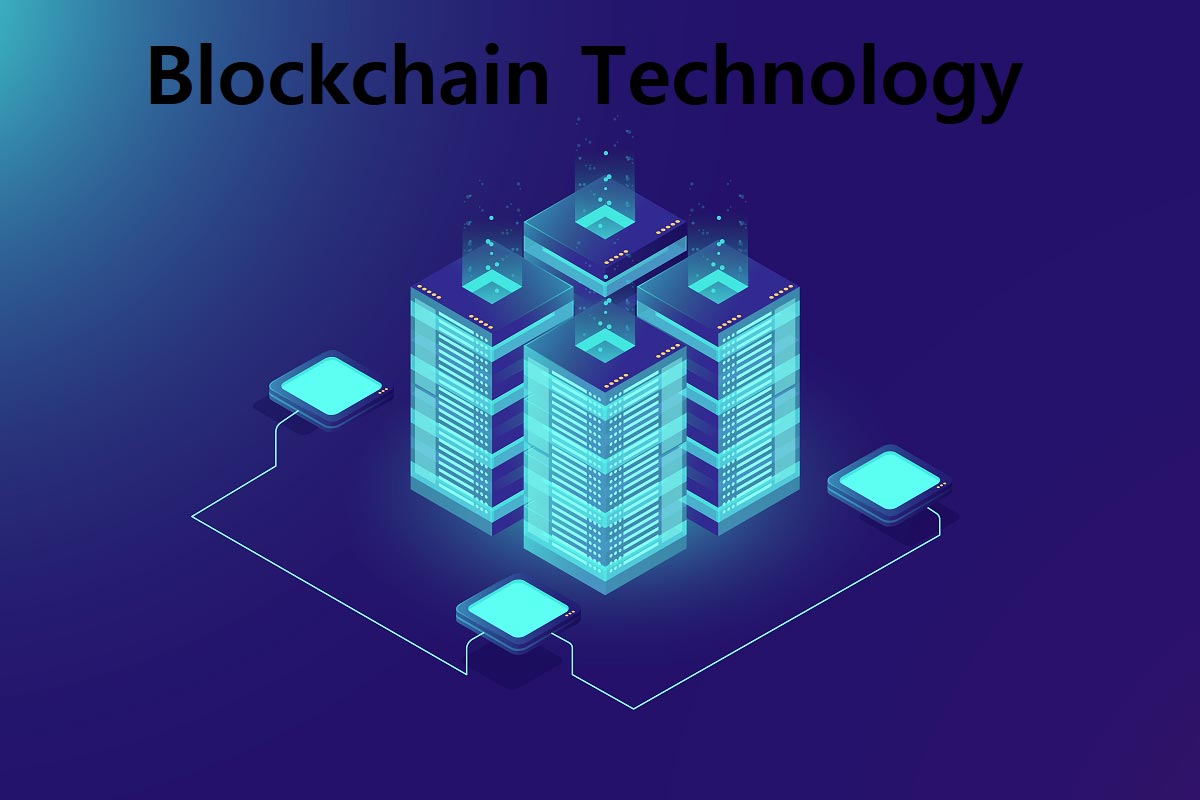
Blockchain is also starting to influence parts of the creative economy, particularly in copyright protection, ownership tracking, and digital monetization. While still emerging, it may create new possibilities for artists, musicians, designers, and digital publishers who want greater control over how their work is distributed and compensated.
Skills That Matter in the Future Media Workforce
The most valuable professionals in creative and digital media are those who can balance technical ability with strong communication and creative judgment.

Technical Skills
Some of the most useful technical skills include:
-
Digital content creation and editing
-
Graphic design and visual storytelling
-
Video production and post-production
-
Social media management
-
Search engine optimization (SEO)
-
Data analysis and audience measurement
-
Web basics such as HTML, CSS, and JavaScript
-
Familiarity with industry tools such as Adobe Creative Suite, video editing software, and analytics platforms
Soft Skills
Technical knowledge alone is not enough. Employers also look for:
-
Creativity and originality
-
Clear communication
-
Problem-solving ability
-
Adaptability
-
Collaboration
-
Time management
-
Critical thinking
These skills are especially important in a field where teams often work across disciplines and projects move quickly.
Emerging Career Paths in Creative and Digital Media
As the industry evolves, new job roles continue to emerge. Some of the most relevant career options include:
Content Strategist
Content strategists plan and manage content across websites, blogs, social platforms, and digital campaigns. They focus on audience needs, brand goals, and platform performance.
Digital Marketing Specialist
These professionals promote products, services, or causes through online channels. Their work may include social media campaigns, SEO, email marketing, paid advertising, and performance tracking.
VR/AR Developer
VR and AR specialists design immersive applications for gaming, education, healthcare, retail, and training environments. This role blends storytelling, design, and technical development.
Data Analyst
Media data analysts help organizations understand audience behavior, content performance, and user engagement. Their insights support better editorial, marketing, and business decisions.
Multimedia Producer
Multimedia producers create integrated content using text, video, graphics, and audio. They are increasingly important in digital newsrooms, branded content teams, and creative agencies.
Community and Brand Manager
As audiences become more interactive, brands need professionals who can manage communities, respond to users, and maintain a consistent voice across platforms.
Education and Training Pathways
A career in creative and digital media can begin through different routes. Some professionals enter through formal degree programs, while others build skills through short courses, certifications, portfolios, and practical experience.
Common study options include:
-
Media Studies
-
Journalism and Mass Communication
-
Digital Marketing
-
Graphic Design
-
Film and Television
-
Animation and Multimedia
-
Computer Science or Interactive Media
Professional certifications can also add value, especially in areas such as analytics, design software, advertising platforms, and digital marketing tools.
Just as important as formal education is portfolio development. In many media roles, employers want to see what a person can create, manage, or improve. A strong portfolio often carries as much weight as academic qualifications.
Trends Shaping the Future of Media Work
Several broader trends are influencing how careers in this sector are developing.
Remote and Freelance Work
Media work is increasingly flexible. Many professionals now work remotely, freelance, or on project-based contracts. This gives workers more independence, but it also requires discipline, networking, and self-management.
Niche Content and Audience Segmentation
Audiences are moving away from one-size-fits-all content. There is growing demand for specialized content that speaks to specific interests, identities, and communities. Professionals who understand niche audiences can create more relevant and effective work.
Diversity and Inclusion
There is a stronger push for broader representation in storytelling, hiring, and leadership. Media organizations are under increasing pressure to reflect a wider range of voices and lived experiences. This shift creates opportunities for more inclusive and socially aware media practice.
Challenges to Consider
Despite its promise, the media field is not without pressure. Some of the main challenges include:
-
Rapidly changing technology
-
High competition and content saturation
-
Unstable income in freelance or project-based work
-
Pressure to stay visible and relevant online
-
Ethical concerns around AI, ownership, and misinformation
To succeed, professionals need resilience, a long-term learning mindset, and the ability to adapt without losing quality or originality.
Learning from Industry Examples
The creative and digital media industries also offer strong examples of how different career paths can succeed. Filmmaker Ava DuVernay, television producer Shonda Rhimes, and digital creator Casey Neistat represent different corners of the media landscape, but all show the value of distinct voice, consistent work, and audience connection. Their careers reflect how storytelling continues to evolve across traditional and digital formats.
Conclusion
The future of creative and digital media is full of possibility, but it rewards those who are prepared to evolve. Technology will continue to reshape the industry, but human creativity, strategic thinking, and communication will remain at the center of meaningful media work.
For anyone considering this field, the path forward is clear: build practical skills, stay informed, experiment with new tools, and create work that is relevant, original, and audience-aware. In a fast-moving media environment, long-term success belongs to those who can learn continuously and adapt with purpose.







Comments 0
No comments yet. Be the first to start the conversation.