



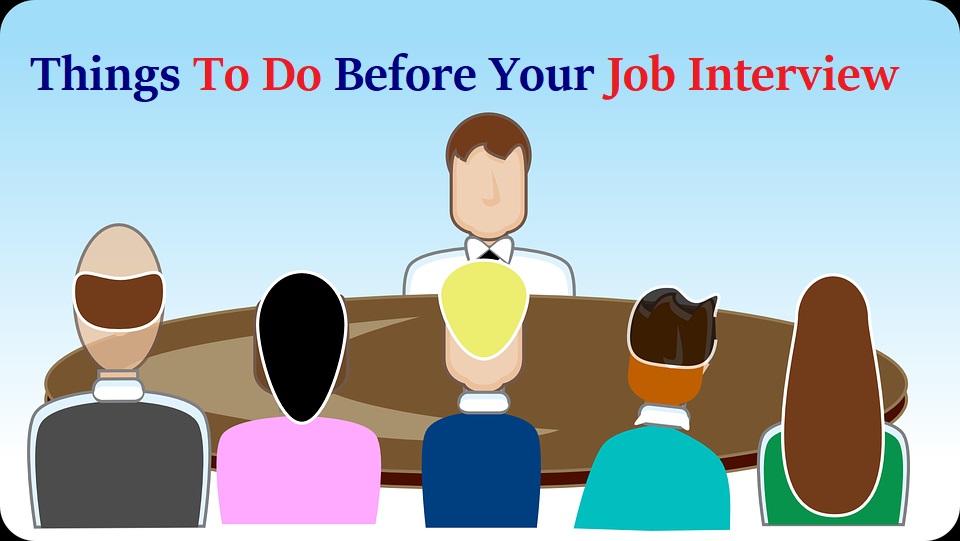
With competition increasing across industries, securing a job has become more challenging than ever. Many employers now use multiple screening stages, including written tests, skill assessments, and interviews, before selecting the right candidate. At the same time, walk-in interviews have also become more common, especially in sectors such as healthcare, IT, retail, customer service, and sales.
In a walk-in interview, candidates are assessed directly, and the recruitment process often moves quickly. In some cases, documentation, shortlisting, and even offer-related formalities may be completed on the same day or shortly afterward. Because of this fast-paced format, preparation matters even more. A candidate who arrives informed, confident, and professionally presented has a clear advantage.
Here are some practical tips to improve your chances of success in a walk-in job interview.
1. Learn About the Company Before You Go
One of the biggest mistakes candidates make is attending an interview without knowing enough about the organization. Before appearing for a walk-in interview, take time to understand the company’s background, services, work culture, and the role being offered.
Start with the company’s official website, career page, and verified social media channels. You can also check recent news coverage, company announcements, and employee reviews from credible platforms. This preparation helps you answer questions more confidently and shows the interviewer that you are serious about the opportunity.
2. Carry Well-Organized Documents
Most candidates remember to bring hard copies of their academic certificates and résumé, but organization is just as important as documentation itself. Keep your CV, cover letter, photographs, identity proof, experience letters, and relevant certificates neatly arranged in a folder so they are easy to present when asked.
It is also useful to keep scanned copies on your phone, email, or laptop. For some roles, especially in professional or technical fields, a digital portfolio or short presentation of your qualifications, projects, and achievements can be helpful. However, this should be simple, relevant, and used only when appropriate.
3. Practice Before the Interview
Even qualified candidates can underperform if they appear nervous or unprepared. A little rehearsal can make a major difference. Prepare answers for common interview questions such as:
-
Tell us about yourself
-
Why do you want to work here?
-
What are your strengths?
-
Why should we hire you?
-
What experience or skills make you suitable for this role?
Practice with a friend, family member, or in front of a mirror. Focus on speaking clearly and naturally rather than memorizing lines. Also review key concepts related to your subject area, especially if the job requires technical knowledge or role-specific skills.
4. Dress Professionally
Your appearance creates a first impression before you even speak. For a walk-in interview, avoid overly casual clothing such as T-shirts, distressed jeans, or flashy outfits. Choose clean, well-fitted formal or smart professional attire that suits the role and workplace culture.
Your clothing should look neat, modest, and polished. Shoes should also be clean, comfortable, and professional. The goal is not to look extravagant, but to appear serious, prepared, and respectful of the opportunity.
5. Enter the Room with Confidence and Courtesy
Your behavior during the first few seconds of the interview matters a lot. Enter the room calmly, knock gently if required, and greet the interview panel with a polite smile. Sit only when invited, maintain good posture, and listen carefully before answering questions.
Your tone should be respectful and steady. Avoid speaking too fast, interrupting the panel, or showing visible panic. Positive body language, eye contact, and a composed manner can leave a strong impression.
6. Communicate Clearly and Honestly
During the interview, answer questions directly and honestly. Do not exaggerate your qualifications or pretend to know something you do not understand. Interviewers often value clarity, sincerity, and willingness to learn more than overconfident answers.
Keep your responses relevant and concise. When speaking about your skills or achievements, support them with specific examples from your education, training, internships, or previous work experience.
7. End the Interview Professionally
The closing moments of the interview are just as important as the opening ones. Before leaving, thank the panel for their time and the opportunity. A polite and professional closing leaves a positive final impression and reflects good workplace etiquette.
If appropriate, you may also ask a brief question about the next stage of the hiring process or when candidates can expect an update.
Final Thoughts
Success in a walk-in interview depends on more than qualifications alone. Preparation, presentation, communication, and confidence all play an important role. Candidates who understand the company, organize their documents properly, practice in advance, dress professionally, and behave politely are far more likely to stand out.
A walk-in interview may move quickly, but the right preparation can help you turn that brief opportunity into a job offer.



Comments 0
No comments yet. Be the first to start the conversation.