



Sukuna Secondary School (सुकुना माध्यमिक विद्यालय) is a government-funded community secondary school in Sundarharaicha Municipality–10, Morang, Koshi Province. Established in 2029 BS, it provides education from Nursery to Grade 12 through English- and Nepali-medium classes. Its academic offering includes Science, Management with Computer Science, Hotel Management, Education, Law, and Civil Engineering, alongside inclusive and technical learning options.
The school serves more than 4,700 students and has 156 teaching and non-teaching staff members. Digital classrooms, subject laboratories, library resources, transportation, scholarships, health and safety measures, and co-curricular activities form part of its learning environment. Parent education, community outreach, teacher workshops, and institutional partnerships also support the school’s academic and social responsibilities.
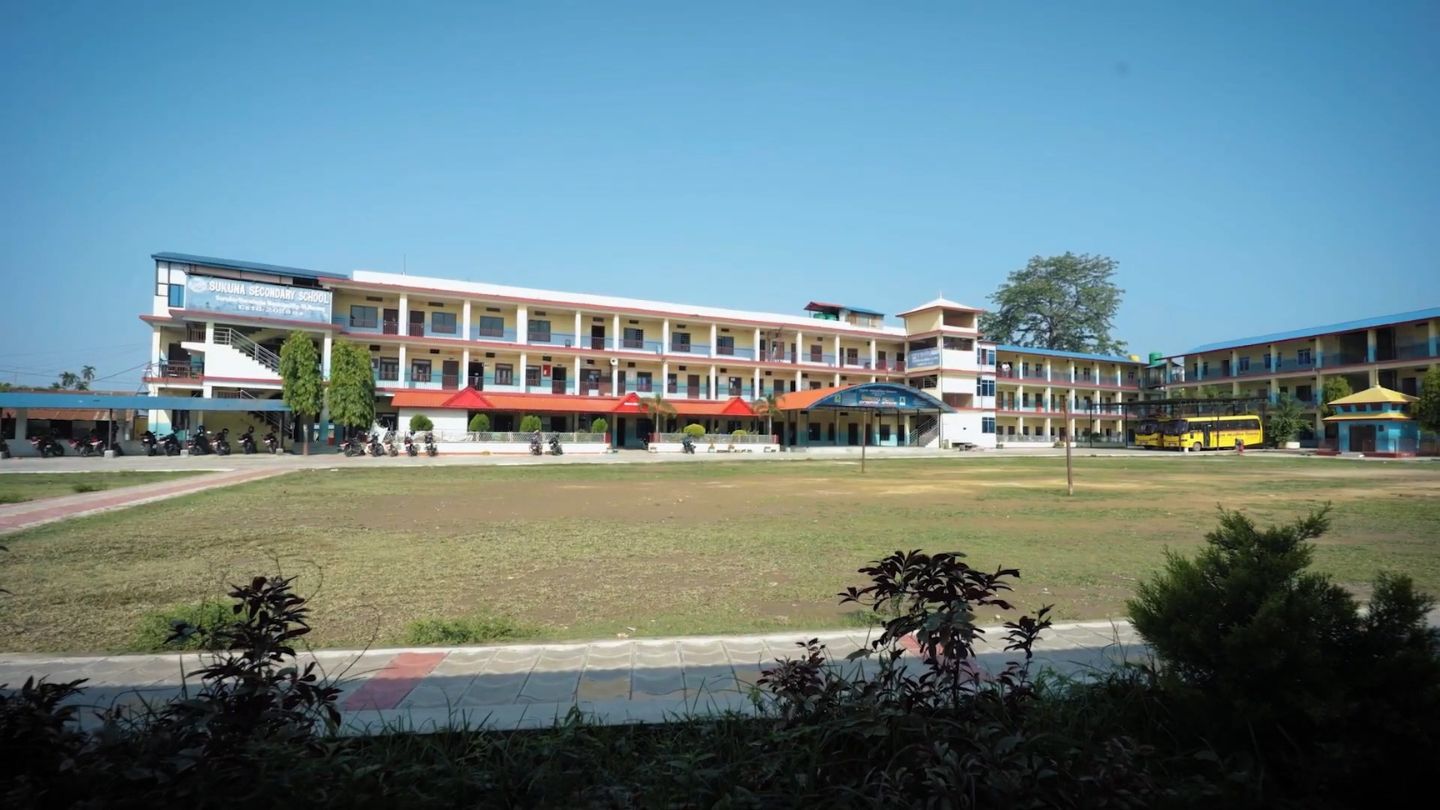
Official Name: Sukuna Secondary School
Nepali Name: सुकुना माध्यमिक विद्यालय
Established: 2029 BS (1972 AD)
Institution Type: Government-funded community secondary school
Location: Sundarharaicha Municipality–10, Morang, Koshi Province, Nepal
Education Level: Nursery to Grade 12
Medium: English and Nepali
Student Strength: More than 4,700 students
Staff: 156 teaching and non-teaching staff members
Head Teacher: Hikmat Bahadur Basnet
School Management Committee Chairperson: Matrika Prasad Dhakal
Parent-Teacher Association Chairperson: Khagendra Prasad Ghimire
Motto: “Vidya Dhanam Sarva Dhanam Pradhanam”
Sukuna Secondary School began its academic journey in 2029 BS and presented its first SLC batch in 2039 BS. It has developed into a large community school serving students from early childhood education through Grade 12.
The school’s motto, “Vidya Dhanam Sarva Dhanam Pradhanam,” expresses the idea that knowledge is the foremost form of wealth. Its teaching practices combine curriculum-based study, practical learning, digital resources, student participation, discipline, and social responsibility.
Academic planning is supported by annual teacher workshops. At the beginning of each academic year, teachers take part in curriculum planning sessions, work in subject-based groups, prepare teaching plans, and apply those plans in their classrooms.
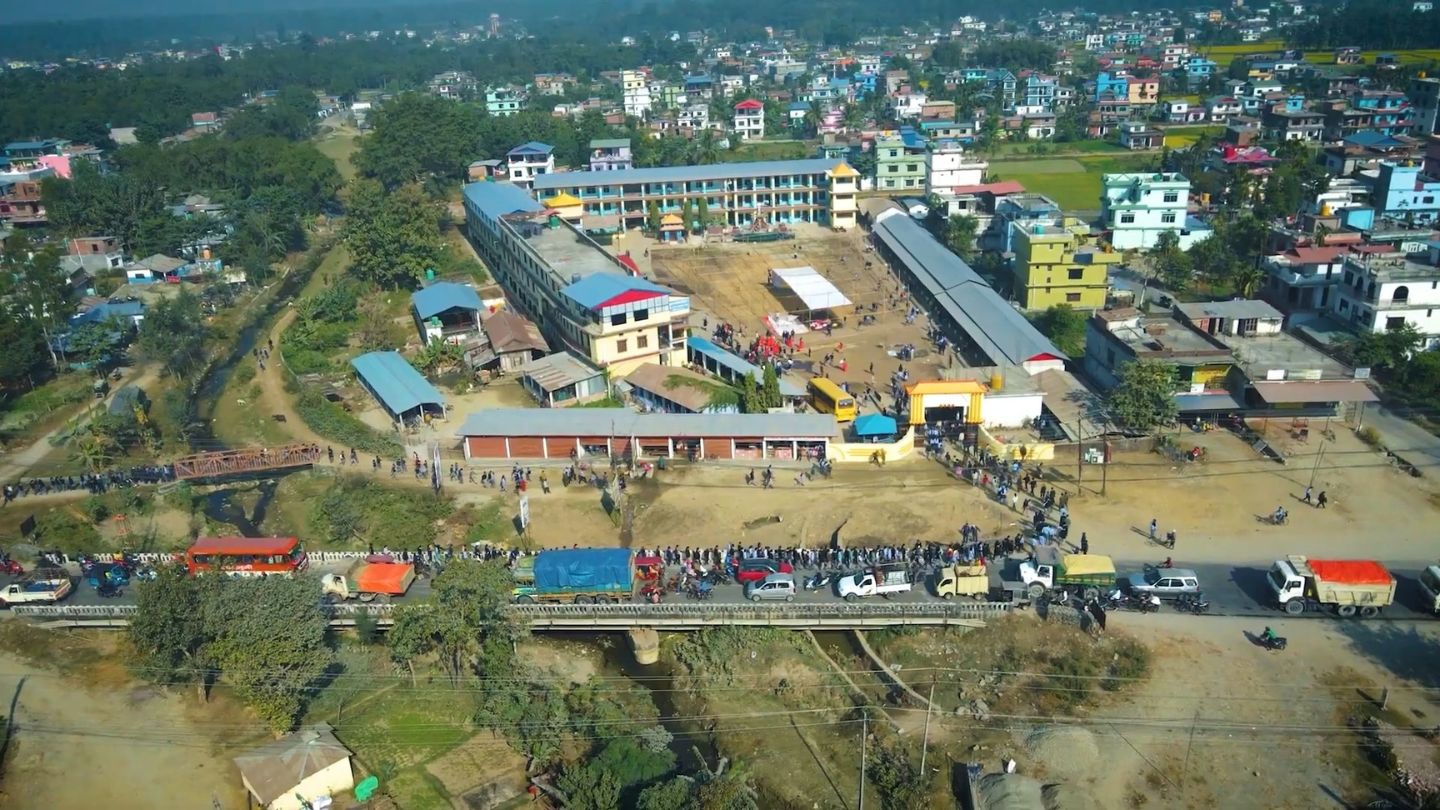
The school conducts English- and Nepali-medium classes from Nursery onward. Its pre-primary section follows a complete Early Childhood Education and Development model, while continuous assessment is used in the lower grades.
The school also provides Open SEE education for Grade 10 and conducts additional classes and academic support activities.
Students at the higher secondary level can study subject groups that include:
Science
Management with Computer Science
Hotel Management
Education
Law
Civil Engineering
Civil Engineering education is available from Grades 9 to 12. The school also conducts science promotion activities covering Physics, Chemistry, and Biology.
Entrance preparation is arranged periodically for students interested in further study areas such as engineering, medicine, nursing, and agriculture.
Technical and practical learning opportunities include Civil Engineering laboratory work and CTEVT short-term training. The school also conducts Ayurveda and Yog Education activities.
Practical learning is linked with subject laboratories, computer-based study, digital tools, project activities, and skill-oriented classroom practices.
Special education services are available for students with hearing impairments. Autism classes are conducted in a separate block, providing a distinct learning space for students who require additional educational support.
The school’s inclusion practices also cover gender respect, complaint response, student health, safety, and participation in academic and extracurricular activities.
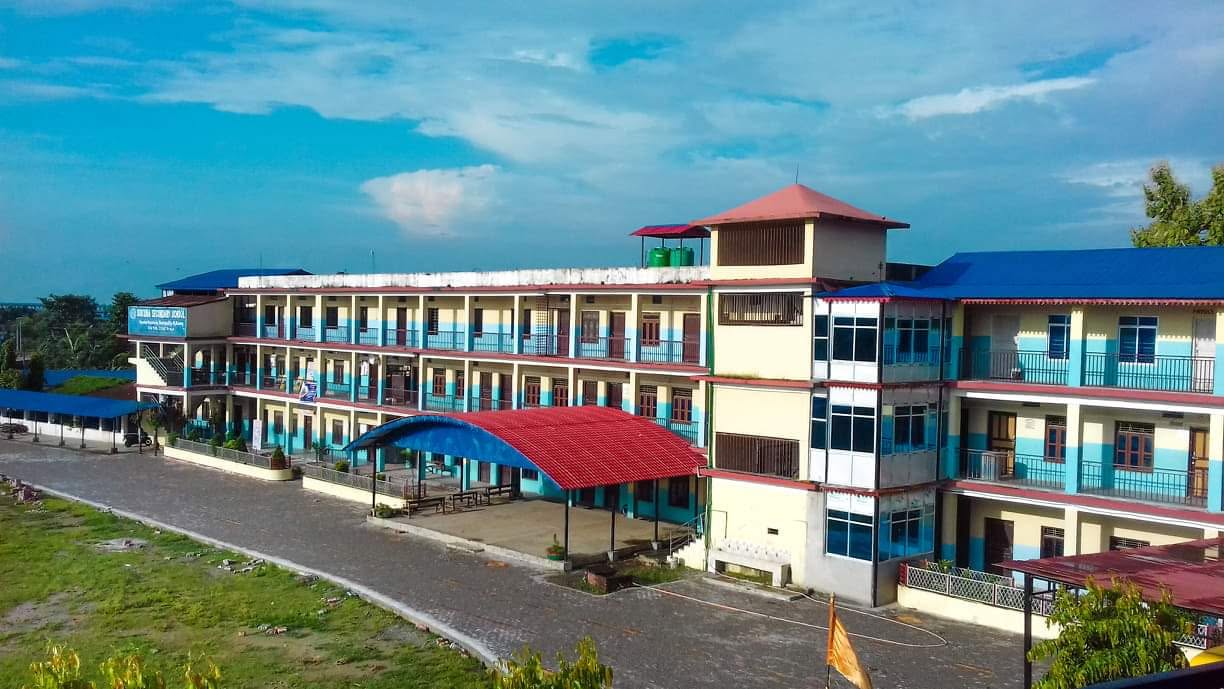
All classrooms have been developed as smart learning spaces. Interactive panel boards have been installed in 35 classrooms, while projectors are available in the remaining classrooms.
The school has distributed laptops to 63 teachers. These devices are used to prepare digital learning materials and present classroom content. Internet access, an e-library, computer facilities, educational technology strategies, and digital teaching platforms support classroom instruction.
A software-based record system is used for institutional administration. Smart attendance systems, SMS communication, and smart identity cards help the school maintain attendance records and communicate with families.
Digital and AI-supported platforms are also used as classroom learning tools. Their use is connected with teacher-prepared materials, interactive displays, and subject-based instruction.
Separate laboratory facilities support practical sessions in Physics, Chemistry, and Biology. The laboratories include apparatus, safety equipment, and assistance for practical work.
Laboratory facilities are available for Civil Engineering, Hotel Management, and Law-related learning. The Civil Engineering section also includes facilities for material testing.
These practical spaces allow students to connect classroom concepts with demonstrations, experiments, technical procedures, and applied assignments.
The computer laboratory contains computers, internet connectivity, and updated software. It supports computer education, digital literacy, programming-related learning, and the preparation of academic materials.
The school library contains printed books and digital resources. It provides areas for reading, reference work, individual study, and academic preparation.
An e-library and internet access extend the resources available to students and teachers.
Scholarship support is provided through entrance performance, SEE results, internal examination results, sports achievement, school funds, and endowment funds.
For Grade 11 entrance results in Civil Engineering, Law, Education, and Hotel Management, scholarship percentages are assigned as follows:
First position: 100%
Second position: 50%
Third position: 25%
For Science and Management entrance results:
First position: 100%
Second and third positions: 50%
Fourth and fifth positions: 25%
SEE result-based scholarships include a 100% scholarship for students with a GPA of 3.80 or above and a 50% scholarship for students with a GPA from 3.61 to 3.79. A school topper receives a 50% scholarship. The scheme also covers one municipality-recommended topper from each municipality within Koshi Province.
Final examination scholarships are available to students securing the first four positions in Grade 11. Similar performance-based support is available from Nursery to Grade 10, with scholarship percentages connected to later fee instalments.
Cash scholarships are provided for municipal- and district-level sports medals in individual and group events. Gold, silver, and bronze medal recipients receive amounts according to the competition level and event category.
Around three percent of scholarship support from the school fund is allocated to students from financially disadvantaged and minority backgrounds. Endowment scholarships are also provided to deserving students.
Donors have contributed approximately one crore to the school’s endowment funds since its establishment. These funds support academically capable students who face financial limitations.
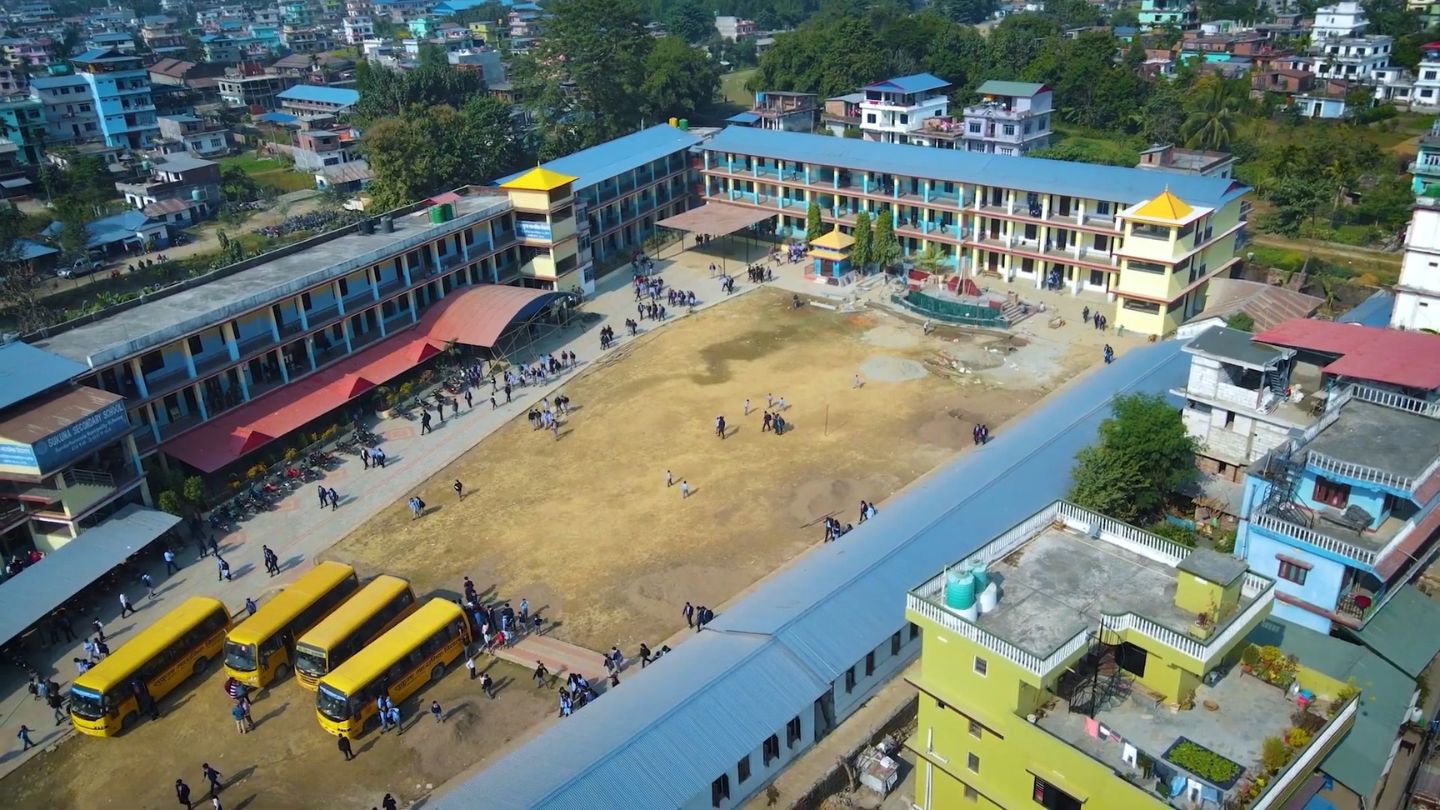
CCTV surveillance and security guards form part of the school’s security arrangements. Complaint boxes are placed in every block, allowing students and other members of the school community to submit concerns and grievances.
The school monitors gender-based insulting, discriminatory, and disrespectful behaviour. Its inclusion practices are intended to create respectful participation across classrooms, activities, and school services.
Student welfare provisions include:
Health and well-being activities
Nursing services
Water and sanitation facilities
Green school surroundings
Eco-club activities
Safety supervision
Complaint-response mechanisms
Support for students with additional learning needs
The school canteen serves food with attention to students’ nutritional needs. Regular uniforms are worn on most school days, while students wear cultural attire on Fridays. This practice connects school life with local culture and community identity.
The school operates transportation services for students through its fleet of buses. The service includes experienced drivers and GPS tracking.
Managed transportation supports students travelling from different communities. School attendance and communication systems also help families monitor daily participation.
Plans for further physical development include a school building with approximately 48 rooms and two hostel buildings. The infrastructure program has received approval from the Central Project Implementation Unit.
Students participate in outdoor and indoor sports, cultural programs, academic competitions, creative arts, and social activities.
Activities include:
Football
Cricket
Volleyball
Kabaddi
Athletics
Chess
Quiz
Debate
Spelling contests
Drawing
Singing
Dancing
Music
Yoga and meditation
League-based activities provide structured participation in quiz, debate, chess, spelling, drawing, singing, and dancing. The school also supports talent shows and cultural programs.
These activities encourage teamwork, communication, leadership, discipline, creativity, and responsible participation. Students are also encouraged to develop practical thinking and an interest in entrepreneurship.
Parent participation is a central part of the school’s educational approach. Parent education programs help families understand their role in students’ learning, conduct, responsibility, and academic progress.
The “Sukuna Secondary School with the Community” program sends school representatives to different communities to share institutional and educational information.
Parents are encouraged to ask their children to spend one hour each evening discussing what they learned at school. Families are also encouraged to hold meetings and assign children suitable household responsibilities.
This approach connects school learning with family communication and personal responsibility. Other community structures include parent groups, a mothers’ group, an alumni association, and a school friendship program.
International partnerships and collaborative activities have supported shared learning and the development of educational practices. Local government, the Koshi Province Government, the Government of Nepal, and government and non-government sectors have contributed to infrastructure and educational development.
The School Management Committee oversees institutional governance. Matrika Prasad Dhakal serves as chairperson of the committee.
A Parent-Teacher Association supports coordination among parents, teachers, and the administration. Khagendra Prasad Ghimire serves as its chairperson.
Hikmat Bahadur Basnet serves as Head Teacher. The school’s administrative structure also includes teachers, non-teaching employees, parent groups, alumni representatives, and community stakeholders.
Planning is supported through a school improvement plan, annual plans, budget systems, digital records, attendance monitoring, and regular academic review.
Sukuna Secondary School has recorded several academic, sports, and institutional achievements.
The school received national second place for the Grade 12 result in 2076 BS. A student achieved a 4.00 GPA and became a Grade 12 board topper in 2077 BS.
The school has secured the district-level Presidential Running Shield first-place trophy twice. It also received second place in the ICT Education Award 2024.
The Principal Association of Nepal presented the school with its Best School Award 2024 following an evaluation of institutional practices in Koshi Province.
The school has also been selected for the Science Education Promotion Program. The program supports science learning through laboratories, subject activities, and government-funded educational resources.
The school continues to work on classroom technology, science education, inclusive learning, teacher preparation, student welfare, community cooperation, and physical infrastructure.
Its development priorities include additional buildings, hostel facilities for boys and girls, technical education, practical laboratories, academic research, digital literacy, science promotion, and broader opportunities for student participation.
These priorities build on the school’s existing academic programs, community management structure, digital classrooms, scholarship provisions, and support services.
Sukuna Secondary School conducts education from Nursery to Grade 12, including general, technical, and higher secondary subject groups. Grade 11 scholarship selection includes entrance performance and SEE results.
Students and guardians can contact the school administration for current admission schedules, eligibility requirements, available seats, fees, required documents, scholarship procedures, and transportation routes.
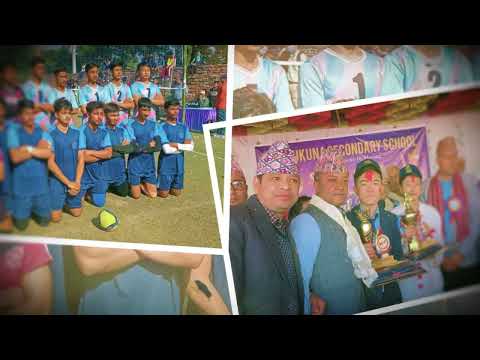
Sukuna Secondary School is located in Sundarharaicha Municipality–10, Morang district, Koshi Province, Nepal.
The school was established in 2029 BS. Its first SLC batch appeared in 2039 BS.
The school provides education from Nursery to Grade 12. It also conducts Open SEE, technical education, special education, autism classes, and short-term training.
The higher secondary subject groups include Science, Management with Computer Science, Hotel Management, Education, Law, and Civil Engineering. Civil Engineering is conducted from Grades 9 to 12.
Yes. Sukuna Secondary School conducts both English- and Nepali-medium classes.
Scholarships are based on entrance results, SEE GPA, internal examination positions, sports medals, financial need, minority background, and endowment provisions.
The school uses interactive panel boards, projectors, teacher laptops, internet access, computer laboratories, an e-library, digital records, smart attendance, SMS communication, and digital teaching platforms.
Student support includes transportation, health and nursing services, complaint boxes, CCTV surveillance, security guards, water and sanitation facilities, inclusive education, scholarships, sports, and co-curricular activities.
The school is governed by the School Management Committee. Matrika Prasad Dhakal is the committee chairperson, while Khagendra Prasad Ghimire chairs the Parent-Teacher Association.
