



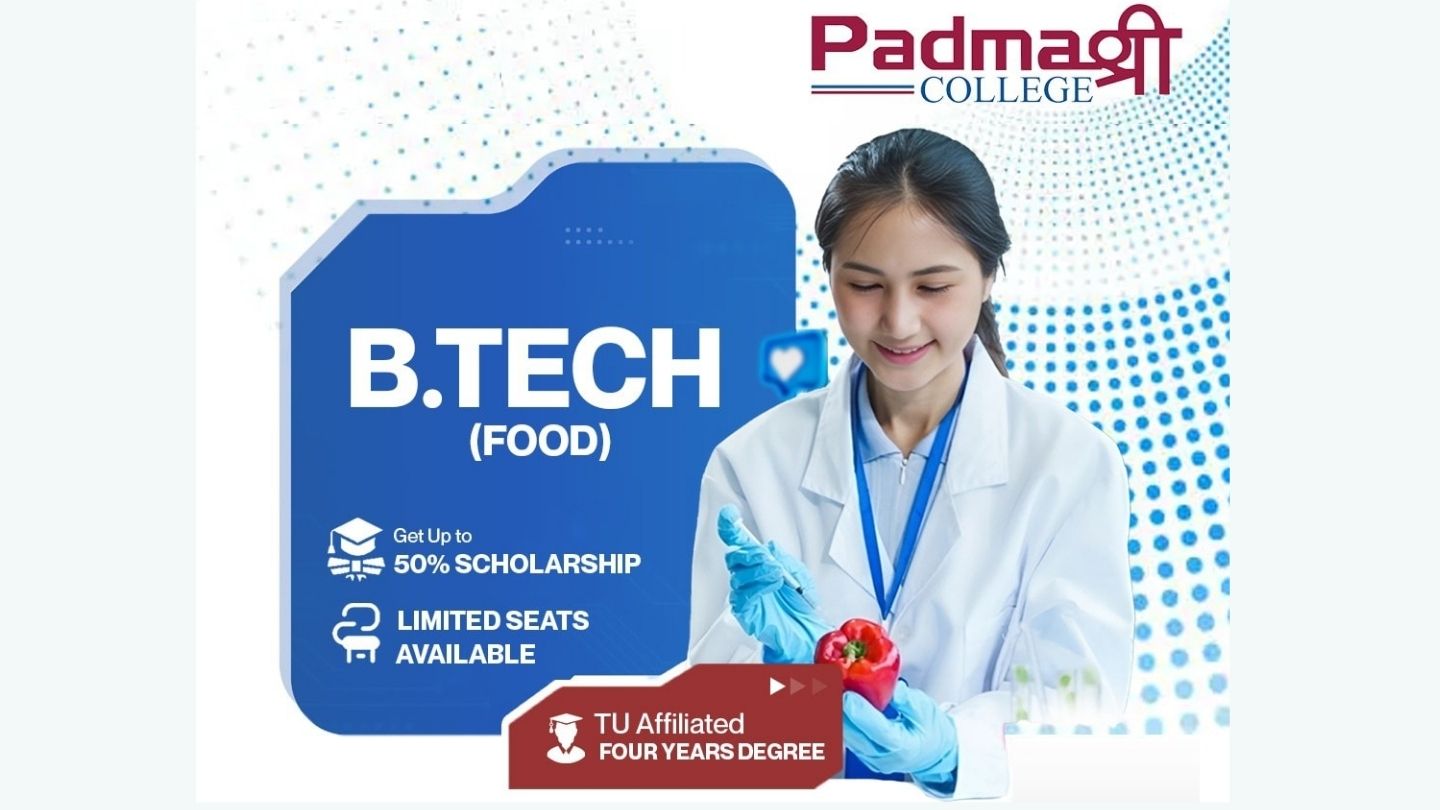
B.Tech Food Technology at Padmashree College
Nepal is an agriculture-based country, yet due to the lack of proper processing and storage of agricultural products, we are facing major economic losses. The only technical education that can solve this problem and make the “Farm to Fork” journey safe, quality-driven, and scientific is B.Tech (Food Technology).
Nepali students share a common problem: what to study after passing Grade 12? Most students compete to pursue traditional engineering (Civil, Computer) or become doctors. However, these fields are highly competitive in the market.
On the other hand, Nepal’s food industry is facing a shortage of skilled human resources. There are thousands of industries producing chow mein, biscuits, dairy products, and beverages, yet it is difficult to find qualified “quality controllers” or “food engineers” to run them.
The course that fills this gap is B.Tech in Food Technology. This is not merely the art of cooking; it is a combination of food science, engineering, microbiology, and management.
For this, Padmashree College, affiliated with Tribhuvan University (TU), has established itself as a strong option.
Padmashree College: An Introduction
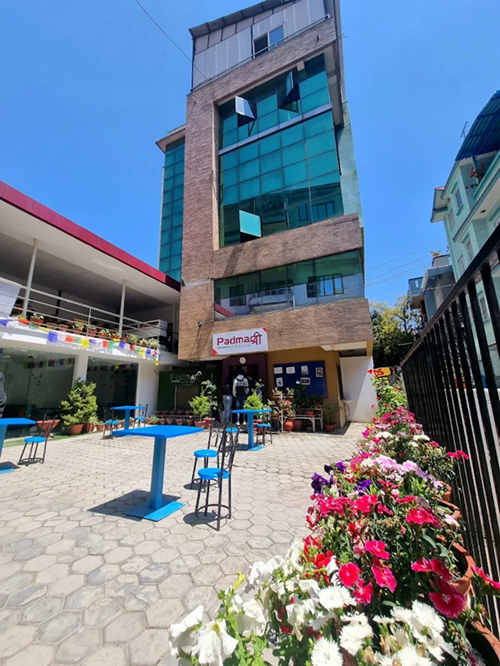
Padmashree College, located in Tinkune, Kathmandu, was established in 2007. This college aims to bring “Global Standards of Food Science Education” into Nepal.
Why Padmashree?
TU Affiliation
The recognition of Tribhuvan University degrees is high in Nepal and abroad. Padmashree does not only teach the TU curriculum but also adds practical exposure to it.
Strategic Location
Being in an accessible area like Tinkune makes it easier for students to visit various industries in Kathmandu for internships and field visits.
Focus on Research
Many colleges focus only on theory. However, looking at Padmashree’s alumni and their published research papers, this college gives priority to research.
Detailed Outline of the B.Tech (Food) Program
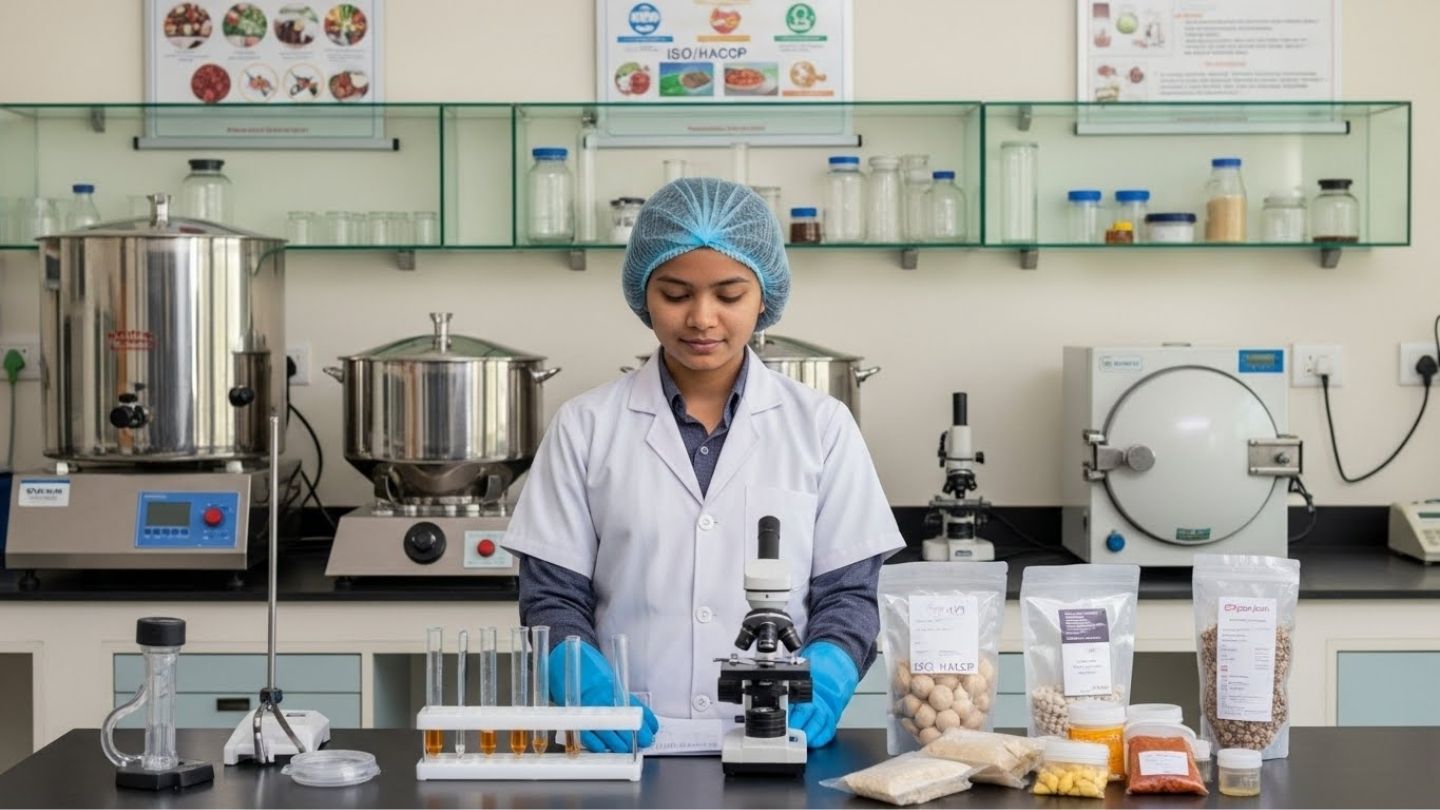
The B.Tech (Food) program taught at Padmashree College is a four-year program based on the annual examination system. This course carries a total of 2000 full marks.
According to the curriculum, the main subjects taught each year and their significance are as follows.
First Year (Foundation Building)
In the first year, students are trained to build a strong scientific foundation.
Key areas include:
-
Physics, Chemistry, Math
-
Basic and Food Microbiology
-
Study of bacteria, yeast, mold in food and their control
-
-
Instrumental Techniques
-
How to operate laboratory instruments
-
The first year may feel difficult because it includes a lot of pure science. However, this foundation later helps you become a food scientist.
Second Year (Core Food Science)
Key areas include:
-
Food Chemistry
-
Chemical reactions of proteins, vitamins, fats in food
-
-
Food Engineering
-
How large industrial machines such as pasteurizers, dryers, and freezers work
-
-
Biochemistry and Human Nutrition
-
How food impacts the human body
-
Third Year (Technology and Processing)
This year is considered the most important because it covers specific products.
Key areas include:
-
Dairy Technology
-
Milk, yoghurt, cheese, ice cream production
-
-
Meat, Fish and Poultry
-
Processing and storage of meat products
-
-
Fruits and Vegetables Technology
-
Techniques for juice, jam, jelly, pickles
-
-
Cereals and Bakery
-
Bread, biscuits, chow mein production
-
Fourth Year (Commercialization and Research)
Key areas include:
-
Quality Control and Management
-
Quality standards such as ISO and HACCP
-
-
Dissertation (Thesis)
-
Students develop a new product or research a problem
-
-
Industrial Training (45 Days)
-
Mandatory industry-based learning
-
Laboratories and Physical Infrastructure
Food technology is not a subject you pass only by reading books; it is a subject you learn by doing in labs.
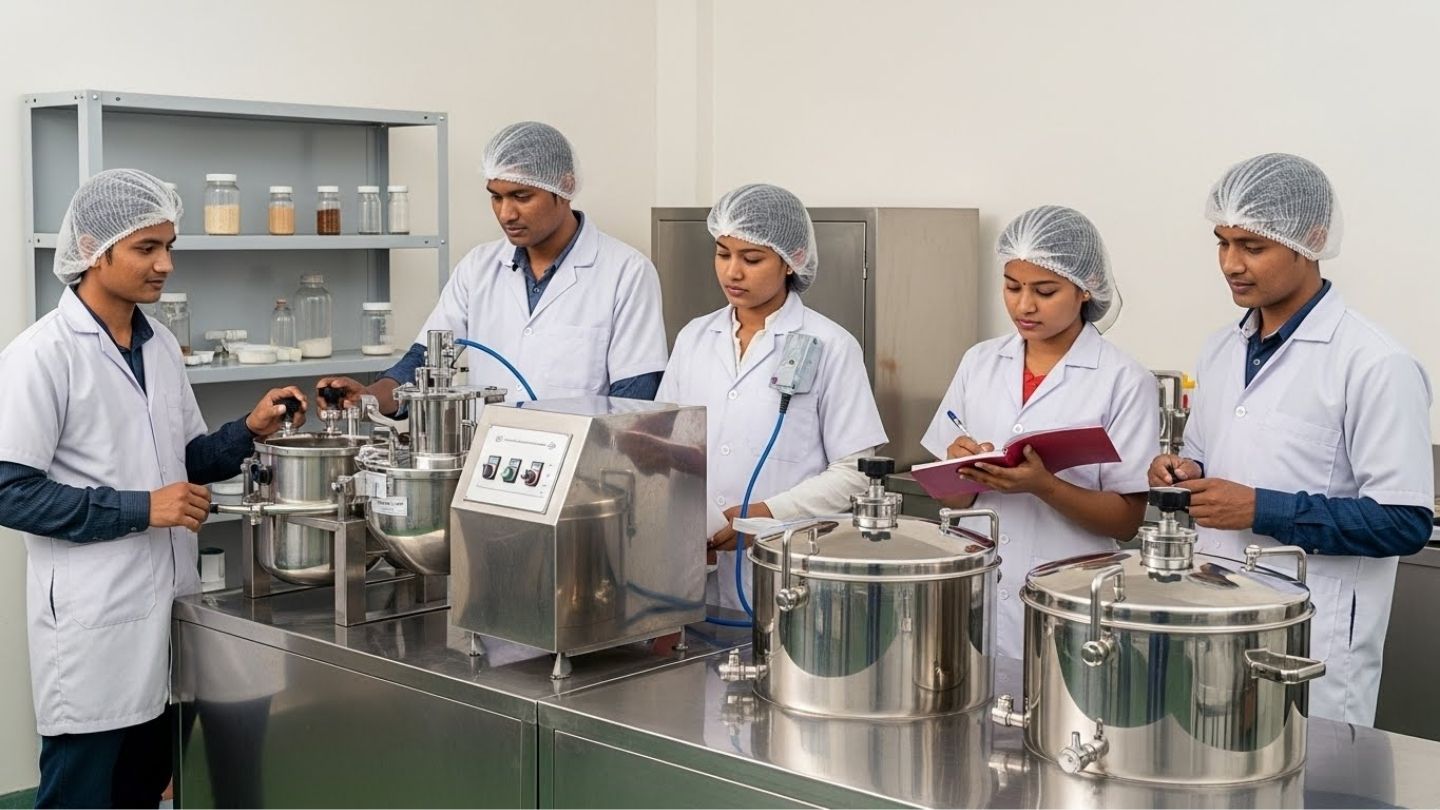
Based on visits and available facts, Padmashree College has arranged the following laboratories.
-
General Chemistry Lab
-
For basic testing
-
-
Food Microbiology Lab
-
For studying food microorganisms
-
Facilities include incubator, microscope, autoclave
-
-
Food Analysis Lab
-
For detecting adulteration in food
-
-
Food Engineering Pilot Plant
-
The most important facility
-
Includes small prototypes of large industrial machines
-
Helps students gain skills similar to machine operators before entering industry
-
Problem-solving insight: Many colleges do not have a pilot plant, which prevents students from seeing machines in practice. This facility at Padmashree helps reduce students’ industrial fear.
Admission Guide and Eligibility
If you want to study B.Tech (Food) at Padmashree, you must pass the entrance exam conducted by the Institute of Science and Technology (IoST), Tribhuvan University.
Eligibility:
-
Must have studied +2 Science (Physics, Chemistry, Math).
-
Must have obtained at least 50% or a ‘C’ Grade/2.0 CGPA.
-
Students with a Diploma in Food/Lab Technology are also eligible.
Entrance Exam Pattern:
-
Total marks: 100
-
Subjects: Physics, Chemistry, Math, English
-
Duration: 2 hours
-
Question type: Objective (MCQ)
Since the number of seats at Padmashree is limited (around 24 to 30), competition is high. A good entrance rank is essential. During admission, the college selects students based on the merit list.
Career Scope and Opportunities
This is the most important part of the article. The answer to the question “What will I do after studying?” is here.
After completing B.Tech Food, you do not need to remain unemployed. The scope in Nepal and abroad is wide.
Government Jobs
-
Department of Food Technology and Quality Control (DFTQC)
-
Roles such as Food Research Officer and Food Inspector at seventh level and officer level
-
-
Nepal Agricultural Research Council (NARC)
-
Position as a scientist
-
-
Nepal Food Corporation
-
Role as a quality controller
-
Private Sector
Nepal has Chaudhary Group (Wai Wai), Nebico (biscuits), Dairy Development Corporation (DDC), Bottlers Nepal (Coke), and thousands of small industries.
Possible roles include:
-
Production Manager
-
Quality Assurance (QA) Officer
-
Research and Development (R&D) Executive
-
Food Safety Officer
Abroad Study and Higher Education
After completing B.Tech (Food), there is high possibility of receiving full scholarships for M.Tech or PhD in universities in the USA, Canada, Australia, and Europe.
For food science students, getting a visa under the STEM course category is also easier.
Entrepreneurship
Not only jobs, you can also start small-scale businesses such as pickles, jam, sauces, or dairy industries with modest investment.
Padmashree provides training in entrepreneurship to students as well.
Practical Advice for Students
Based on years of student counseling, if you are considering B.Tech Food, pay attention to the following.
-
Interest in the subject
Do you have interest in the science used in the kitchen? Are you curious about how milk turns into yoghurt or how packaged food does not spoil for months? If yes, this subject may suit you.
-
Patience
This is a four-year course with many practical classes. You may sometimes need to spend hours in labs. Patience is necessary.
-
When enrolling at Padmashree
-
Visit the college
-
See labs, library, and canteen yourself
-
-
Talk to seniors
-
Current students can give you a real picture
-
-
Scholarship Provisions
Padmashree College has scholarship arrangements for diligent and financially disadvantaged students.
Types include:
-
Entrance Topper Scholarship
-
For the highest scorers in the entrance exam
-
-
Semester Topper
-
Fee waiver for top performers each year
-
-
Need-based support
-
Special support for students with weak financial status
-
Conclusion
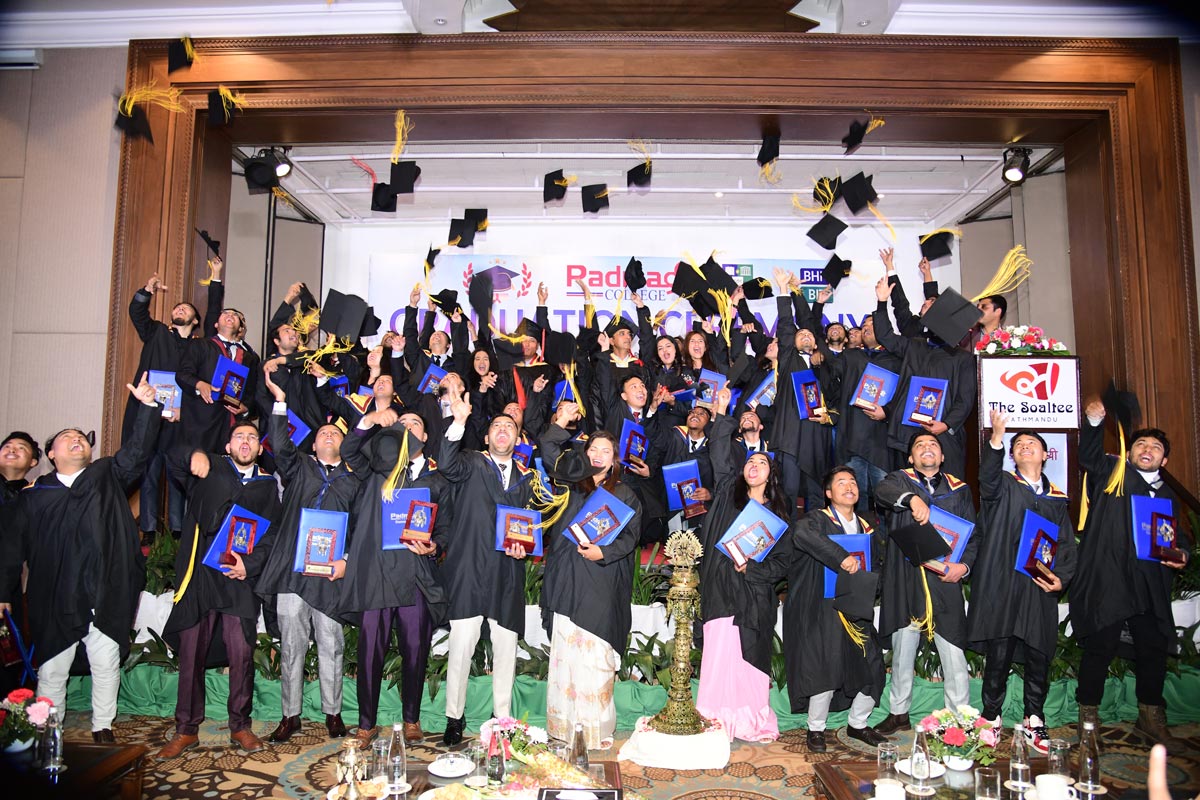
In conclusion, B.Tech (Food Technology) is one of the most relevant and future-oriented fields of the present time. With a growing population and changing food habits, the demand for packaged food is unlikely to decline.
Padmashree College combines Tribhuvan University’s curriculum, experienced professors, and modern laboratories to produce human resources who can perform and sustain in the market.
If you want quality education within the Kathmandu Valley and see your future in the field of food technology, Padmashree College can be a strong choice.
The main suggestion for students is: do not follow rumors; trust facts. Identify your interest and enter this field with the goal of becoming a problem solver.
Frequently Asked Questions (FAQs)
Can only students who studied Biology enroll in this subject?
No. Students who studied Math and Science (Physics, Chemistry) in +2 are eligible. Those who did not study Biology can also study this subject comfortably.
What is the difference between B.Tech Food and B.Sc. Nutrition?
B.Tech Food focuses on processing and production (Processing and Engineering), while Nutrition focuses on diet and health (Diet and Health). For working in industry, B.Tech Food is more useful.


Comments 0
No comments yet. Be the first to start the conversation.