



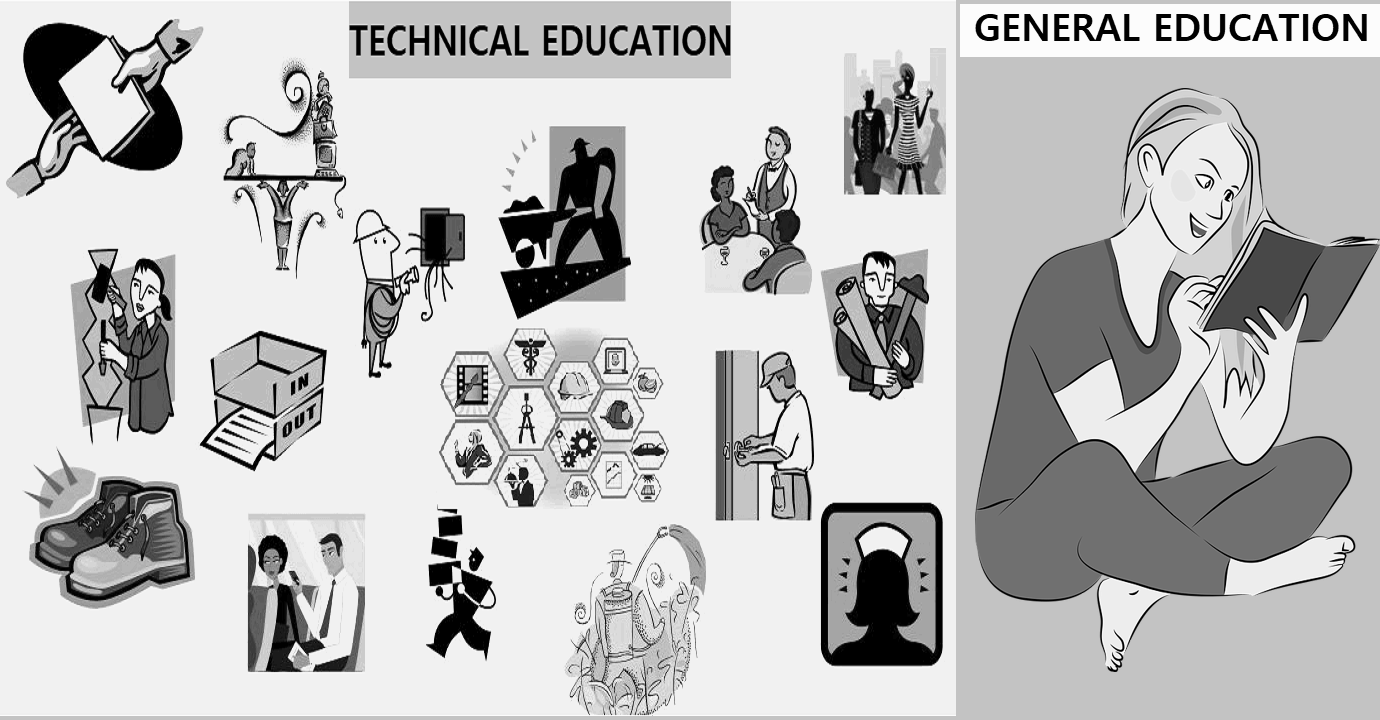
Technical Education vs General Education: Why Both Matter
Technical education and general education serve different purposes, but both can help students build useful skills for study, work, and long-term career planning. Technical education focuses on practical skills for specific fields or industries, while general education develops broader knowledge, communication, critical thinking, and problem-solving abilities.
Students, parents, and guardians should understand the difference before choosing a course, program, or career pathway. Program details, eligibility requirements, certifications, practical training, and career options may vary by institution, board, university, or training provider. Readers should verify current information from the concerned official source before making a final decision.
What Is Technical Education?
Technical education is a skill-focused form of education designed to prepare students for specific tasks, roles, or industries. It is usually more practical and hands-on than general education.
Technical education may be offered in areas such as trades, crafts, engineering, computer science, and other applied fields. Depending on the program, students may learn how to use tools, equipment, technology, or industry-specific methods.
Some technical programs may also include practical training, internships, co-op programs, or other forms of real-world learning. However, availability and structure differ by institution and course, so students should confirm these details before applying.
What Is General Education?
General education provides a broader academic foundation. It usually includes subjects such as history, literature, arts, mathematics, science, English, and related areas.
The purpose of general education is not limited to preparing students for one specific job. It helps students develop wider knowledge, reasoning ability, communication skills, and an understanding of social, cultural, and economic contexts.
These skills can support students in further studies, professional communication, leadership roles, and career changes over time.
Technical Education vs General Education
| Area | Technical Education | General Education |
|---|---|---|
| Main focus | Practical skills for specific fields or industries | Broad academic knowledge and transferable skills |
| Learning style | More hands-on and job-specific | More theoretical and flexible |
| Skills developed | Technical, practical, and field-related skills | Critical thinking, communication, problem-solving, and broader understanding |
| Career approach | Can prepare students for specific entry-level roles or industry tasks | Can support wider career flexibility and further study |
| Program structure | Often more specialized and structured | Often broader and more diverse |
Why Technical Education Matters
Technical education can help students gain practical skills that are directly connected to a field or industry. For students who want to work in a specific trade, technical area, or applied profession, this type of education may provide a clear learning pathway.
It can also help students understand industry tools, processes, and equipment. In fields where technology changes quickly, students should check whether the course curriculum is current and aligned with relevant industry practices.
Students should not assume that every technical course provides the same level of training, certification, or career opportunity. These details depend on the institution, program design, approval status, and applicable official standards.
Why General Education Matters
General education helps students build a wider base of knowledge. It supports skills that are useful across many fields, including communication, collaboration, analysis, and problem-solving.
A broad education can also help students understand the wider context in which they work. For example, students in technical fields may still need writing skills, teamwork, mathematics, science, ethics, and social awareness.
General education can be especially useful for students who want flexibility in future study or career choices.
Why a Balance of Both Is Useful
A balanced education can give students both practical ability and broader understanding. Technical education may help students perform specific tasks, while general education may help them adapt, communicate, and think critically.
This balance can be helpful as workplaces change. Students with both technical and general skills may be better prepared to learn new tools, work with different teams, and adjust to changing career demands.
However, students should avoid choosing a program based only on broad claims about career success. Course quality, recognition, eligibility, training opportunities, and career pathways must be checked from official sources.
Questions Students Should Ask Before Choosing a Program
Before joining a technical or general education program, students should ask:
-
Is the institution officially approved or recognized by the relevant authority?
-
What are the eligibility requirements?
-
What subjects or skills are included in the curriculum?
-
Does the program include practical training, internship, or project work?
-
Are any certifications or licenses required after completion?
-
What further study options are available?
-
What career paths are realistically connected to this program?
-
Are the program details, fees, deadlines, and admission rules updated in the latest official notice?
Final Thoughts
Technical education and general education are not competing choices. They support different parts of a student’s development.
Technical education can build practical, field-specific skills. General education can develop broader knowledge, communication, reasoning, and adaptability. For many students, the most useful pathway is one that combines both.
Before making a decision, students and guardians should review the latest official information from the institution, university, board, council, or relevant authority.
Further Reading
- Technical Education: Scope, Types, Courses, Outcomes, Importance
- How Technical Education Can Empower Disadvantaged Communities
- 15 Key Importance of Technical Education in Today's Economy
- Technical Education: Skills for the Future Workforce
- Career Opportunities in Technical Education
- Technical Education vs. General Education: The Importance of a Balance
- Scope of Technical Education: A Wide Range of Fields and Industries
- Online Technical Education: Convenient and Flexible Learning
- Benefits of Vocational and Trade Schools
