



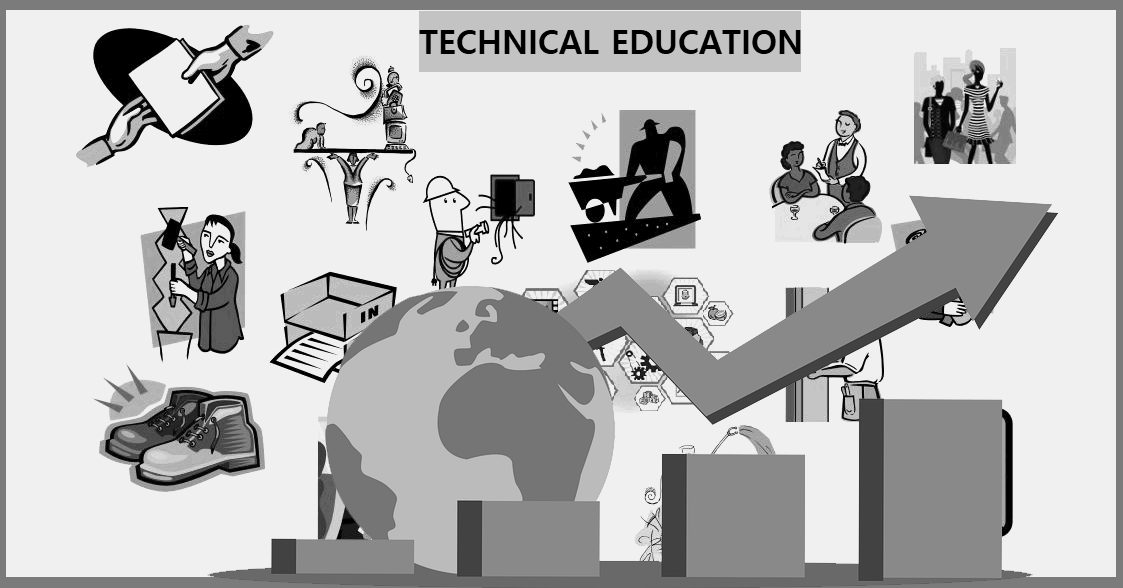
Technical education prepares people for work that requires practical skill, applied knowledge, and the ability to use tools, machines, systems, or digital technologies. It is commonly linked with technical and vocational education and training, known as TVET. UNESCO defines TVET as education, training, and skills development related to occupational fields, production, services, and livelihoods.
Its value depends on quality. A technical program is useful only when its curriculum reflects workplace needs, instructors understand current industry practices, learners get enough practical training, and qualifications are recognized by employers. Without these conditions, technical education can become outdated and may not improve employment outcomes.
How Technical Education Supports the Economy
It teaches skills used in real work
Technical education focuses on tasks people are expected to perform in specific occupations. A learner may study how to install electrical systems, operate machinery, repair vehicles, manage computer networks, support healthcare services, grow crops using improved methods, or prepare food in a commercial kitchen.
This type of learning is different from general education because it connects knowledge with practice. Workshops, laboratories, apprenticeships, internships, and field training help learners understand how work is done outside the classroom.
It helps workers respond to changes in technology
Many jobs now require workers to use digital tools, automated systems, new equipment, or updated production methods. The World Bank notes that automation, digitalization, climate action, and demographic shifts are changing labour markets and increasing the need for continuous skills development.
Technical education can help students and workers update their abilities instead of relying only on skills learned years earlier. This is especially important in fields where tools, safety standards, and work processes change quickly.
It reduces mismatch between training and jobs
A skills mismatch occurs when the skills workers have do not match the skills employers need. The ILO describes skills mismatch as a gap between the skills employers seek and the skills individuals possess.
Technical education can reduce this problem when training institutions work with employers, local industries, and public agencies. Programs should be based on actual job demand, not only on available classrooms or old course structures.
It improves productivity when training is relevant
Skilled workers help businesses and public services function more effectively. They can operate equipment correctly, reduce errors, follow safety procedures, maintain systems, and solve practical problems at work.
This does not mean every technical course automatically increases productivity. The result depends on the quality of training, the availability of jobs, and whether learners can apply their skills in real workplaces.
It can open practical routes into employment
Technical education can benefit learners who want a shorter, more direct route into work. It can also support people who cannot easily afford long academic programs.
For learners from low-income families, rural areas, or underserved communities, technical education can create useful opportunities only when barriers are addressed. Fees, transport costs, weak basic education, language difficulties, lack of guidance, and limited local jobs can prevent learners from completing training or using their skills.
It can support self-employment
Some technical skills can be used to start small businesses or provide local services. Examples include repair work, tailoring, food processing, farming services, construction work, digital services, and mechanical maintenance.
However, technical skill alone is not enough to run a business. Learners may also need basic accounting, customer service, market knowledge, legal awareness, access to tools, and financial support.
It supports lifelong learning
Work does not remain fixed. Workers often need to learn new methods, gain certifications, or shift into related occupations. The OECD notes that vocational education and training supports lifelong learning and helps people upskill or reskill during digital and green transitions.
Technical education can support this through short courses, modular programs, workplace training, recognition of prior learning, and continuing professional development.
Key Importance of Technical Education
| Area | Why it matters |
|---|---|
| Practical skills | Trains learners for tasks used in specific occupations |
| Technology adaptation | Helps workers learn updated tools, systems, and methods |
| Skills matching | Links education more closely with labour-market demand |
| Productivity | Helps workers perform tasks safely, accurately, and efficiently |
| Employment pathways | Provides career routes outside purely academic study |
| Social mobility | Can help underserved learners access income-generating skills |
| Entrepreneurship | Builds practical skills that may support small businesses |
| Lifelong learning | Allows workers to reskill or upskill throughout their careers |
Conditions for Strong Technical Education
Technical education works better when programs are designed around real workplace requirements. Institutions should regularly review curricula, update equipment, train instructors, and involve employers in course design.
A strong program should include:
-
practical training, not only classroom teaching;
-
basic digital skills;
-
workplace safety;
-
communication and teamwork;
-
problem-solving;
-
career guidance;
-
internships, apprenticeships, or work exposure where possible;
-
support for learners who face financial, social, or educational barriers.
For disadvantaged communities, technical education should be affordable, accessible, and linked to local economic opportunities. Training should not prepare people for jobs that do not exist in their area unless there is a realistic path to employment elsewhere.
Conclusion
Technical education matters because it connects learning with usable skills. It helps learners prepare for practical work, supports workers as technology changes, and can reduce the gap between education and employment.
Its benefits should not be overstated. Technical education is not a guaranteed solution to unemployment, poverty, or low wages. It works best when programs are relevant, affordable, inclusive, and connected to actual labour-market demand. When these conditions are met, technical education can help individuals build livelihoods, help employers find skilled workers, and help communities respond to economic change.
Further Reading
- Technical Education: Scope, Types, Courses, Outcomes, Importance
- How Technical Education Can Empower Disadvantaged Communities
- Technical Education: Skills for the Future Workforce
- Career Opportunities in Technical Education
- Technical Education vs. General Education: The Importance of a Balance
- Role of Technical Education in Economic Development
- Scope of Technical Education: A Wide Range of Fields and Industries
- Online Technical Education: Convenient and Flexible Learning
- Benefits of Vocational and Trade Schools
