



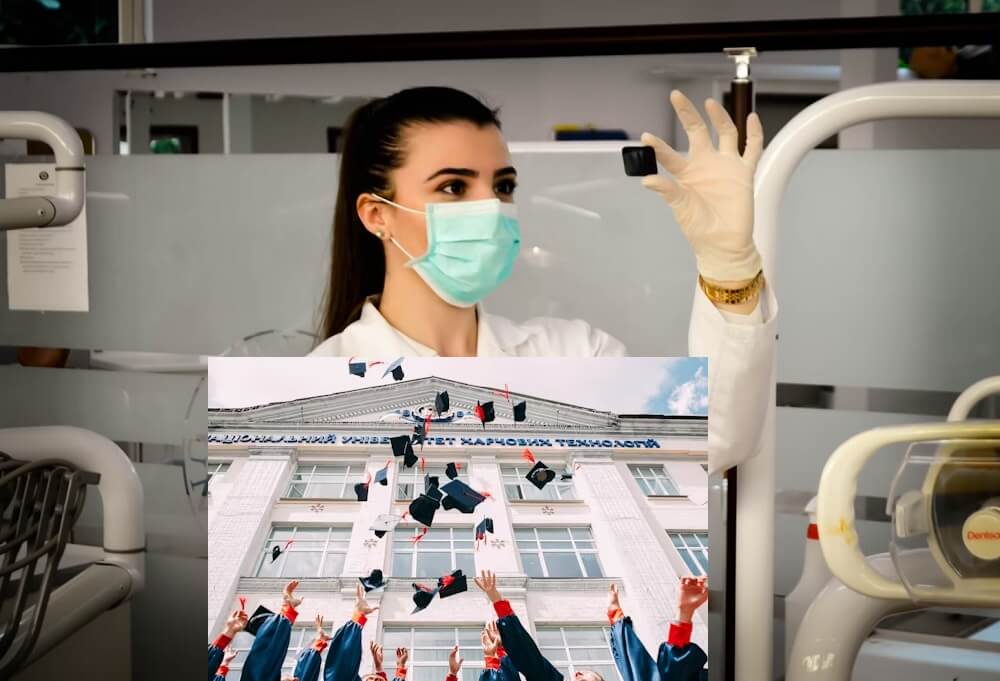
A degree in health sciences provides an academic foundation for understanding human health, disease prevention, healthcare systems, and the scientific principles behind medical services. Depending on the program, students may prepare for careers in clinical practice, rehabilitation, public health, research, or healthcare administration.
Health sciences is a broad academic field rather than a single professional qualification. It connects knowledge from biology, medicine, public health, psychology, and related disciplines. Some programs prepare graduates for specific healthcare professions, while others provide general scientific knowledge or a foundation for further study.
The importance of healthcare education is reflected in global health workforce needs. The World Health Organization (WHO) projects a worldwide shortage of approximately 11 million health workers by 2030. However, workforce needs differ between countries, professions, and healthcare systems.
Universities and international academic partnerships, including the University of Hertfordshire's collaboration with Global Academic Foundation in Egypt, illustrate different approaches to delivering health-related education.
This article examines the reasons students consider health sciences degrees, the career pathways available, and the factors that should guide their educational decisions.
Answer Summary: Students may pursue a health sciences degree to develop scientific knowledge, prepare for healthcare careers, contribute to disease prevention, or continue into specialized professional education. The field includes clinical, research, rehabilitation, and public health pathways. Employment opportunities depend on the qualification, practical experience, professional licensing, and local labour market. Students should assess program recognition, curriculum, clinical training, and costs before enrolling.
Key Takeaways:
-
Health sciences covers clinical, scientific, and public health disciplines.
-
Degree programs differ in specialization and professional eligibility.
-
Global health challenges create a continuing need for trained healthcare workers.
-
Practical training, research skills, and professional ethics are important.
-
Healthcare employment prospects vary by occupation and location.
-
University recognition and professional licensing requirements should be verified.
1. Health Sciences Offers Different Career Pathways
One reason to study health sciences is the range of academic and professional disciplines connected to the field.
Health sciences programs may focus on clinical care, rehabilitation, laboratory research, community health, or healthcare management.
Clinical and Rehabilitation Careers
Students interested in working directly with patients may consider specialized programs in nursing, physiotherapy, occupational therapy, or other regulated healthcare professions.
These courses typically require profession-specific knowledge, supervised practical training, and compliance with licensing requirements.
For example, physiotherapists assess movement difficulties and help people manage physical limitations associated with injuries or health conditions.
Public Health and Research Careers
Students more interested in population health may consider public health, epidemiology, biomedical science, or health-related research.
These fields examine disease patterns, prevention strategies, healthcare inequalities, and the factors influencing community health.
Other graduates may pursue healthcare administration, health information management, or postgraduate study.
However, a general health sciences degree does not automatically qualify graduates to practise nursing, physiotherapy, medicine, or another regulated profession.
The intended career should guide the choice of degree.
2. Health Sciences Helps Address Global Health Challenges
Healthcare systems face challenges involving chronic diseases, ageing populations, infectious diseases, environmental risks, and unequal access to essential services.
These issues require professionals with different forms of scientific and clinical knowledge.
Responding to Chronic Diseases
According to the WHO's September 2025 fact sheet, noncommunicable diseases accounted for at least 43 million deaths worldwide in 2021.
These diseases include cardiovascular conditions, cancers, chronic respiratory diseases, and diabetes.
Health sciences education supports the study of disease prevention, diagnosis, treatment, rehabilitation, and health system responses.
For example, public health professionals may examine prevention policies, while rehabilitation specialists work with people experiencing functional limitations.
Understanding Rehabilitation Needs
Rehabilitation is another important area of healthcare.
The WHO's February 2025 policy brief estimated that 2.6 billion people worldwide experience health conditions that may benefit from rehabilitation.
This finding highlights the importance of physiotherapy and other rehabilitation-related disciplines.
However, the scale of healthcare needs should not be confused with guaranteed employment. Jobs depend on funding, workforce planning, licensing, and local service capacity.
3. Opportunities to Contribute to Public Health and Prevention
Health sciences is not limited to treating illnesses after they occur. It also examines how diseases and injuries can be prevented.
Public health education considers the relationship between health and factors such as sanitation, nutrition, living conditions, environmental exposure, and access to healthcare.
Environmental Health
Environmental health examines how surroundings and environmental conditions affect human wellbeing.
The World Health Organization identifies air quality, climate, water, sanitation, chemical exposure, and working conditions as important environmental health concerns.
Students specializing in these areas may study environmental risk assessment, prevention policies, occupational health, or community health programs.
Research and Evidence-Based Practice
Research is another important component of many health sciences programs.
Students may learn to interpret scientific findings, understand research methods, and evaluate healthcare interventions.
These skills help graduates assess evidence rather than relying on unsupported assumptions.
Careers involving independent research or advanced scientific responsibilities may require postgraduate qualifications or additional technical training.
4. Developing Practical, Scientific, and Professional Skills
Health sciences education combines theoretical knowledge with practical and analytical learning.
The specific skills depend on the degree, but many programs develop competencies useful across healthcare environments.
Scientific and Analytical Skills
Students may study anatomy, physiology, biology, disease processes, and methods for interpreting health information.
Research assignments and laboratory activities can strengthen their ability to evaluate evidence, analyze findings, and communicate conclusions.
Practical and Clinical Skills
Profession-specific programs may include simulation exercises, supervised clinical placements, practical assessments, and training in patient communication.
These activities help students connect classroom learning with professional responsibilities.
However, the quality and availability of practical training differ between institutions. Students should examine the actual placement requirements before selecting a course.
Ethics and Communication
Healthcare work also involves confidentiality, professional boundaries, informed consent, and respectful communication.
Students need to understand the responsibilities associated with working with patients, families, and other healthcare professionals.
These principles are relevant across clinical practice, research, community health, and healthcare administration.
5. Healthcare Employment and Career Development
Healthcare is an important employment sector, but career prospects should be assessed by profession rather than by the broad label of health sciences.
A general health sciences graduate and a licensed physiotherapist, for example, enter different employment pathways.
What Employment Data Shows
The US Bureau of Labor Statistics projects employment in healthcare occupations to grow faster than the average for all occupations between 2025 and 2035.
Its Healthcare Occupations report projects approximately 1.9 million openings annually across healthcare occupations during that period, including replacement needs.
This is US labour market information, not a worldwide employment forecast or a prediction for every health sciences graduate.
Career Growth and Specialization
Depending on their qualifications, graduates may develop careers through:
-
Advanced clinical education.
-
Research and postgraduate study.
-
Public health specialization.
-
Healthcare quality and safety roles.
-
Health administration and management.
-
Teaching and academic careers.
Professional advancement often requires experience, additional education, or specialist certification.
Salary expectations should also be researched for the specific occupation and country. A degree in health sciences does not guarantee a particular income or position.
6. Global Academic Foundation and Health Sciences Education
International university partnerships provide an example of how health-related degrees can be delivered outside a university's home country.
Global Academic Foundation (GAF) partners with the University of Hertfordshire to deliver university degrees in Egypt.
According to the University of Hertfordshire, the partnership operates under Egypt's international branch campus framework. Students studying through the partnership follow programs designed with the same learning outcomes as their UK counterparts and receive University of Hertfordshire qualifications.
The UH-GAF Physiotherapy Program
The School of Health at UH-GAF offers a Bachelor of Science with Honours, BSc (Hons), in Physiotherapy.
According to the institution's official program information, the curriculum includes anatomy, physiology, kinesiology, biomechanics, neurological and musculoskeletal subjects, and physiotherapy practice.
The published program also includes supervised work experience and practical learning components.
This illustrates a profession-specific approach to health sciences education, combining academic study with practical preparation.
Other Health-Related Programs
The University of Hertfordshire's partnership information separately lists programs in life and medical sciences, including pharmaceutical science, nutrition and dietetics, and psychology.
These should not be treated as interchangeable with physiotherapy or assumed to provide the same professional qualifications.
Students considering UH-GAF should examine the individual program's curriculum, current admission criteria, practical training, degree-awarding arrangements, and applicable professional recognition requirements.
International academic partnerships can provide different learning arrangements, but a foreign-awarded degree does not guarantee professional registration or employment in another country.
7. Professional Recognition and Licensing Requirements
Recognition is particularly important when choosing a degree intended to lead to clinical practice.
Students should distinguish between academic degree recognition and professional licensing.
Academic recognition concerns the status of an institution or qualification. Professional registration determines whether a graduate may legally practise a regulated occupation in a particular jurisdiction.
Why Country-Specific Rules Matter
Requirements may differ considerably between countries.
For example, the US Bureau of Labor Statistics states that physical therapists entering the profession in the United States generally need a Doctor of Physical Therapy degree and state licensure.
A physiotherapy qualification awarded elsewhere does not automatically satisfy those requirements.
Similarly, the UK's Health and Care Professions Council (HCPC) assesses applicants seeking registration through its applicable registration routes.
The HCPC international application guidance explains eligibility and professional standards for applicants trained outside the UK.
Students should investigate these requirements before enrolling, particularly if they intend to work or continue professional education internationally.
8. How to Choose a Suitable Health Sciences Degree
Choosing a health sciences program requires more than comparing university names or broad course descriptions.
The appropriate degree depends on academic interests, career goals, financial circumstances, and professional requirements.
Evaluate the Curriculum
A prospective student should review:
-
Subjects and areas of specialization.
-
Practical training and placement requirements.
-
Laboratory and research opportunities.
-
Teaching and assessment methods.
-
Qualification awarded upon graduation.
-
Eligibility for professional registration, where relevant.
For students interested in direct patient care, clinical placement arrangements deserve particular attention.
Those interested in research may place greater emphasis on scientific methods, laboratory training, and opportunities for further study.
Compare Costs and Study Requirements
Students should examine the full cost of education, including tuition, equipment, accommodation, transportation, and compulsory training expenses.
Program duration, language requirements, academic workload, and progression conditions are also important.
International students should separately investigate visa rules and whether their qualifications will be recognized in their intended employment country.
Consider Personal Interests and Strengths
Health sciences study may involve demanding scientific coursework, practical assessments, and responsibilities relating to patient safety.
Students should consider whether they are interested in scientific learning, communication, detailed analysis, and the responsibilities associated with their intended profession.
A suitable decision balances personal interests with the actual requirements of the course.
9. Challenges Students Should Consider
Health sciences degrees have potential benefits, but students should understand the challenges involved.
Clinical programs may require extensive practical training and adherence to professional standards.
Research-oriented pathways can require postgraduate education for specialized positions.
Healthcare work may also involve emotional demands, irregular working hours, and substantial responsibility, depending on the occupation.
Employment conditions, salary, and opportunities for advancement are not identical across health professions.
Understanding these limitations before enrolling can help students select a course that fits their circumstances.
Conclusion
A health sciences degree can provide a foundation for careers involving patient care, scientific research, rehabilitation, public health, and healthcare administration.
Its value depends on the chosen specialization, the quality of academic and practical training, and the qualification's relevance to the intended profession.
International partnerships such as the University of Hertfordshire and Global Academic Foundation demonstrate one model for delivering health-related education, but students should evaluate each program independently.
Before pursuing a health sciences degree, prospective students should confirm academic recognition, professional eligibility, study costs, and realistic career pathways.
Note: Professional recognition, university admission requirements, fees, and employment conditions vary by country and institution. Students should verify current information through the relevant university, regulator, and official authority.






Comments 0
No comments yet. Be the first to start the conversation.