Herald International College (HIC) in Basundhara, Kathmandu, offers National Examinations Board (NEB) Ten Plus Two (+2) programs in Science, Management, Humanities, and Law.
HIC has run senior secondary programs since 2063 BS, aligning classroom teaching with practical work and regular assessment. The college delivers four +2 streams supported by subject laboratories, a library with study zones, activity areas, and scheduled academic monitoring.
The focus is steady progress: term-wise targets, internal evaluations, and ongoing communication with guardians. Students learn in structured classes with added time for practice, review, and exam preparation as the NEB cycle approaches.
The HIC in Basundhara serves students from Kathmandu and nearby districts. Teaching follows the NEB syllabus with terminal tests, pre-board trials, and internal records where practicals apply. Academic routines include lectures, guided discussions, small projects, and feedback after each evaluation.
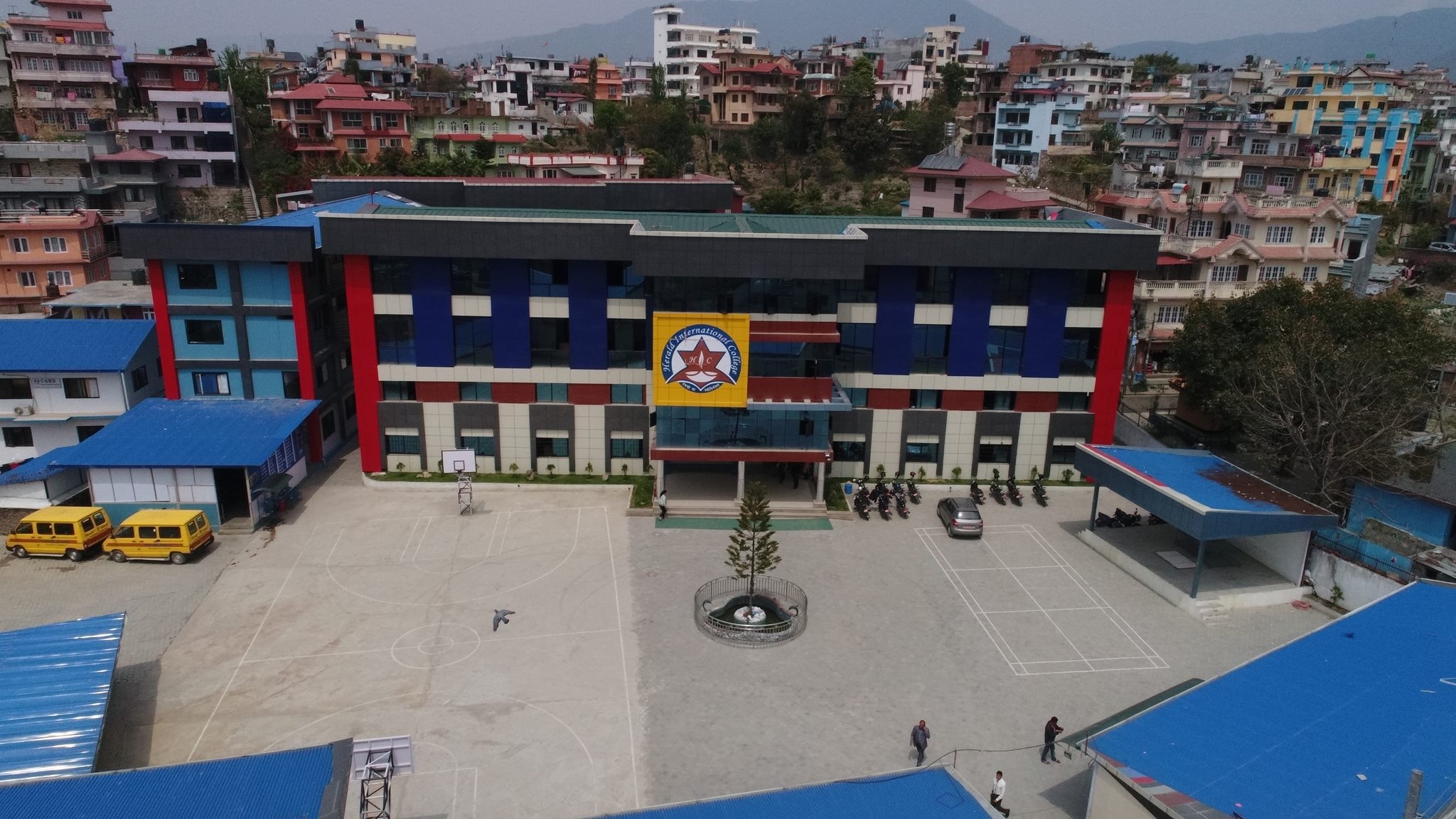
Location and Level: Basundhara, Kathmandu; NEB Ten Plus Two (+2)
Streams: Science, Management, Humanities, Law
Academic Support: Terminal tests, pre-boards, progress meetings with guardians
Facilities: Library (print + online), science labs, computer labs, seminar and presentation halls, activity areas, cafeteria, bus service with GPS
Safety and Care: CCTV coverage in key zones, first-aid points, referral links with nearby hospitals
Student Development: Clubs, sports, volunteering, guest sessions
Financial Aid: Merit- and need-based scholarships announced each intake
The Science stream follows NEB courses in Physics, Chemistry, Biology, and Mathematics, alongside English and Nepali. Combinations are selected with later goals in mind—medicine, engineering, agriculture, data/IT, or research tracks.
Students engage in concept classes, hands-on practicals, and mathematics workshops. Internal work includes practical logs, project write-ups, and presentations that mirror board expectations.
Typical learning components
Theory coverage mapped to the board syllabus
Laboratory sessions in Physics, Chemistry, and Biology with safety routines
Mathematics practice through problem sets and doubt-clearing hours
Assignments and short projects that build method and clarity
Who this suits
Learners aiming for MBBS, BDS, Pharmacy, Nursing, Engineering, Biotechnology, Agriculture, Data/Computer Science, or pure sciences.
Assessment
Written tests held periodically
Practical records and viva maintained as per NEB
Pre-board trials to check readiness before board exams
Management builds grounding in Accountancy, Economics, Business Studies, with electives such as Computer Science or Hotel Management. The stream is suitable for learners eyeing business, commerce, hospitality, entrepreneurship, or social enterprise.
Learning weaves together accounting practice, case-based exercises, and business communication. Students work on presentations and short reports to build clarity and confidence.
Core features
Accounting practice sets and ledger exercises
Case tasks in business and economics
Applied electives (e.g., Computer, Hotel Management)
Presentations and group tasks for real-world context
Progression
Undergraduate routes such as BBA, BBM, BBS, Hospitality, Travel and Tourism, Economics, and allied fields.
Humanities introduces social science study, language skills, and creative analysis. Common clusters include Sociology, Psychology, English, Nepali, Mass Communication/Journalism, and an NEB-approved optional.
Classwork blends reading lists, short research tasks, interviews, and reflective writing. Debate and media activities help students strengthen voice and argument.
Learning approach
Text + reference reading with guided notes
Mini-research and field observations
Speaking and writing through debate, essay, and media club practice
Progression
BA studies, Social Work, Psychology, Journalism, Political Science, International Relations, and development pathways.
The Law stream introduces Nepal’s legal setup, civic structures, and entry-level legal reading. Learners practice case summaries, notes, and brief drafting with a focus on clarity and ethics.
Key elements
Foundations of Nepalese law and constitutional basics
Legal writing drills—briefs, memos, and summaries
Moot-style exposure and discussion on current legal issues
Progression
BALLB and related legal studies, public administration, governance, and policy tracks.
HIC runs admissions after SEE results each academic cycle. The steps below reflect standard practice under NEB. Dates, seat counts, and cut-offs are announced by the college each year.
General steps
Registration/Inquiry: Visit campus or use the official online form during the intake window.
Eligibility: Apply to streams that fit your SEE grades and the college’s thresholds.
Qualifying test/interaction: Stream-wise aptitude check or counseling for subject choices.
Document verification: SEE marksheet, character certificate, photos, and guardian ID where applicable.
Seat confirmation: Fee payment within the notified deadline.
Orientation: Academic calendar, code of conduct, timetable, and book lists shared with students.
Notes for applicants
Science typically requires stronger grades in Science and Mathematics.
Management, Humanities, and Law maintain subject-wise thresholds.
Elective availability depends on cohort size and timetable feasibility.
HIC works with subject-focused teachers who align weekly targets to the NEB plan. Classroom time is supported by guided practice, small projects, and regular feedback.
Classroom and assessment routines
Topic-wise lesson plans shared in advance
Short quizzes and mid-terms before terminals
Remedial support when gaps appear in internal checks
Guardian meetings after terminals for progress review
Extended learning
Guest sessions with domain practitioners
Case tasks in Management and Humanities
Practical logs and viva in Science
Legal reading circles and brief-writing in Law
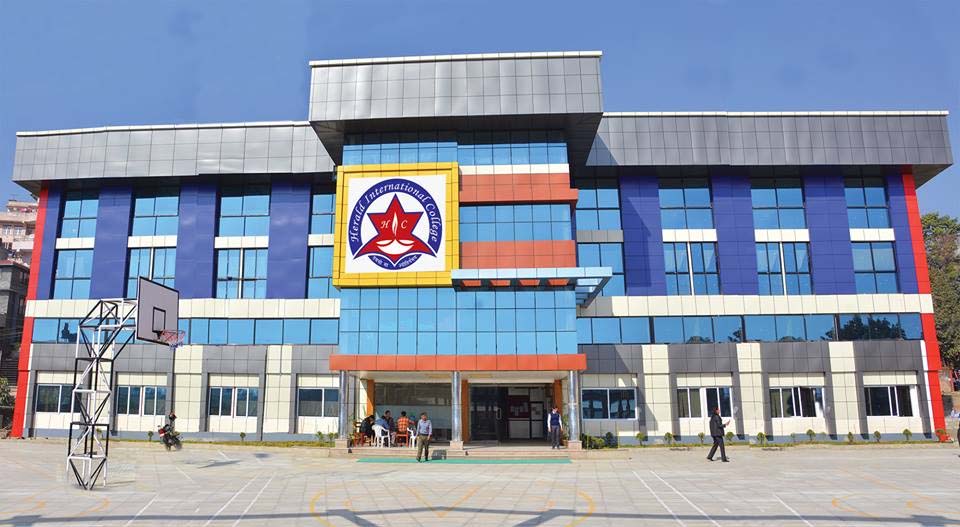
Campus and security
HIC maintains CCTV coverage in key academic areas and corridors. Entry points are monitored during operating hours, and parking is organized for daily flow.
Library and study
The library holds textbooks, reference titles, and literature. Quiet zones support focused reading, while online resources extend access for assignments and project work.
Laboratories
Science labs: Physics, Chemistry, Botany, and Zoology with standard apparatus and safety practice
Computer labs: Systems for practical classes, coding basics, documentation, and research tasks
Hotel Management (if offered): Practice stations for service routines and demonstrations
Health and safety
First-aid kits are placed in key points, and the college keeps referral links with nearby hospitals. Health guidance is provided during orientations and exam season.
Transport
Buses run on set routes and use GPS tracking. Trained staff handle operations and routine checks.
Cafeteria
The canteen serves cooked meals and snacks with a rotating menu. Drinking water is filtered, and self-service counters support peak hours.
Academic halls
Presentation room for small-group work
Seminar hall for mid-sized events
Auditorium for orientations, talks, and student showcases
Daily life balances classroom learning with clubs, sports, and service. Mentors encourage reading beyond the syllabus, participation in knowledge forums, and awareness of community needs.
Daily rhythm
Homeroom briefings as scheduled
Subject periods with short breaks
Review blocks and homework support near exams
Mentoring
Stream coordinators track attendance and progress
Counselors guide course planning and study habits
Alumni interactions during events when scheduled

Sports
Basketball, futsal/football, table tennis, badminton, cricket, chess, and seasonal events. A sports week often brings inter-house matches and friendly competition.
Culture and values
Welcome and farewell programs, festival engagements (e.g., Dashain, Holi, Guru Purnima), and student-led arts and music sessions.
Clubs and councils
Student council, debate and public speaking, science and technology, media/journalism, and community service groups.
Community engagement
Clean-up drives, donation camps, peer tutoring, and awareness sessions on health and environment.
Academic enrichment
Quizzes, essay contests, exhibitions, and project fairs. Field exposure includes industry visits, hospitality venues, and botanical observations when relevant to the course.
Scholarships at HIC include merit and need-based categories. Details such as percentage, duration, renewal rules, and supporting documents are announced each intake by the college.
General outline
Merit-based: Linked to SEE grades and/or the college’s entrance performance
Performance-based: May consider internal results and board outcomes after admission
Need-based: Offered to eligible students with verified financial circumstances
Special categories: May follow municipal or authority recommendations where applicable
Applicants should review the year’s official notice for seat allocation, eligibility criteria, and renewal conditions tied to academic progress and discipline.
Public results and awards change year to year. The college recognizes toppers, group achievers, and discipline awards during its academic calendar. For verified, recent results—such as board distinctions or institutional recognitions—please refer to the latest HIC notice or contact the office during admission season.
Four NEB streams on a single campus: Science, Management, Humanities, Law
Structured academic cycle with terminals, pre-boards, and targeted review
Subject laboratories and library that support board-aligned study
Campus care with CCTV coverage, first aid, and GPS-enabled transport
Balanced growth through clubs, sports, events, and service
Scholarship access based on merit and need, announced annually
This setup suits learners who want a calm, organized +2 experience with clear routines, steady assessment, and practical support for the NEB board.
Herald International College in Basundhara, Kathmandu, runs NEB Ten Plus Two programs in Science, Management, Humanities, and Law with a predictable academic rhythm and the facilities needed for board preparation. Students move through lessons, practicals, and review sessions with feedback shared at each stage.
1) Which +2 streams are available at HIC?
Science, Management, Humanities, and Law under NEB.
2) How does internal assessment work?
Short quizzes, mid-terms, terminal exams, practical records/viva where applicable, and pre-boards near the NEB exam.
3) What science labs are available?
Physics, Chemistry, Botany, and Zoology. Computer labs support ICT work across streams.
4) Is transport available?
Yes. College buses run on defined routes with GPS tracking and first-aid kits.
5) Are scholarships offered?
Yes. Merit- and need-based categories are announced each intake with eligibility, documents, and renewal rules.
6) How are parents/guardians kept informed?
Meetings after terminal exams, progress updates, and scheduled interactions with coordinators.
7) What extracurricular options can students join?
Sports, debate and public speaking, science and technology, media activities, culture programs, and volunteering.
8) What documents are needed at admission?
SEE marksheet, character certificate, photos, and guardian ID where applicable. The college may request additional items during verification.
9) Which stream suits medical or engineering goals?
Science, with Biology for health sciences and Mathematics for engineering and technical fields.
10) Is there support for learning gaps?
Remedial help is arranged based on internal performance and teacher feedback.
Contact Herald International College's administrative office for detailed information on the course, admissions, location, fees, scholarships, facilities, counseling, or eligibility.
Herald International College
Email Address: contact@heraldintlcollege.edu.np
Phone Number: +977-1-4989375, +977-1-4989476
Website: http://heraldintlcollege.edu.np
Location: Basundhara, Narayangopal Chowk, Maharajgunj, Kathmandu, Nepal