ISMT College
- Established2011
- Courses 6 offered
- Affiliation University of Sunderland
- Facilities25 listed
About ISMT College
ISMT College (International School of Management and Technology) is a private higher education institution located in Gairigaun, Tinkune, Kathmandu. Established in 2011 under the ISMT Group, the college delivers British degree programs in collaboration with the University of Sunderland, UK. It focuses on business, computing, cyber security, tourism, and hospitality programs that connect academic learning with real workplace expectations.
ISMT College Kathmandu serves students from Nepal and abroad who seek an internationally recognized qualification while studying within Nepal. The institution positions itself as a pathway to global education through credit transfer, academic partnerships, and structured support for academic development, personal growth, and career preparation in business and technology-oriented sectors.
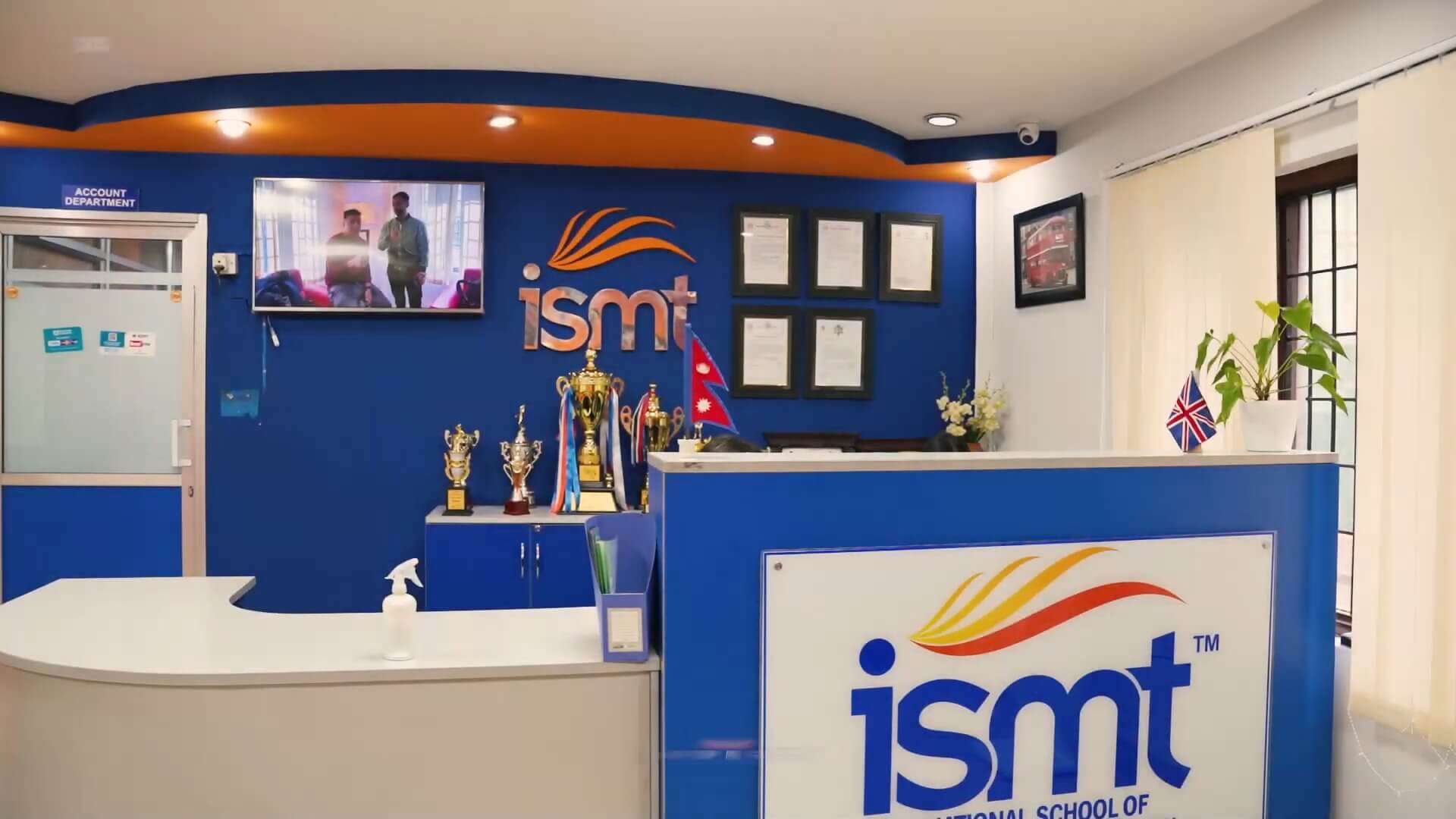
Highlights
-
Established in 2011 at Gairigaun, Tinkune, Kathmandu
-
Offers British degree programs in collaboration with the University of Sunderland, UK
-
Major programs: BA (Hons) Business and Management (BBA), BSc (Hons) Computer Systems Engineering (BSc IT), BSc (Hons) Cyber Security and Digital Forensics, BSc (Hons) International Tourism and Hospitality Management (BHM), MBA, and MSc Computing
-
Merit-based scholarship up to 100%.
-
Inclusive mission, student-centered values, and a focus on life skills, communication, critical thinking, and employability skills
-
Modern classrooms, IT labs, library and e-library, wi-fi, student lounge, canteen, gym, gaming zone, and sports ground.
-
Placement and internship cell working with hospitality businesses and IT companies to support industry exposure and early career steps
- ISMT College Network: ISMT College (ISMT College Kathmandu, ISMT College Butwal, ISMT College Pokhara, ISMT College Itahari, ISMT College Biratnagar, and ISMT College Chitwan), The London College Kathmandu, Stamford College Kathmandu (SCK), Chitwan College of Technology (CCT), and Kathmandu College of Technology (KCT).
Academic programs offered
ISMT College Kathmandu offers undergraduate and postgraduate programs in business, computing, cyber security, and tourism and hospitality.
All degree programs are delivered under academic arrangements with the University of Sunderland and are structured to combine classroom study, project work, and practical learning tasks.
Undergraduate programs
BA (Hons) Business and Management (BBA)
The BA (Hons) Business and Management, often referred to as BBA in the Nepali context, introduces students to core areas such as business organization, marketing, finance, and operations. The early semesters build a foundation in how businesses function, how markets operate, and how financial decisions support organizational goals.
In later years, the curriculum shifts towards leadership, corporate finance, integrated marketing practice, business continuity, organizational change, and consultancy projects.
Students work on case-based assignments and group projects that mirror real business situations, helping them understand how theories apply to day-to-day management practice. Graduates may move into roles in banking, corporate houses, NGOs/INGOs, sales and marketing, entrepreneurship, and public- or private-sector management.
BSc (Hons) Computer Systems Engineering (BSc IT)
The BSc (Hons) Computer Systems Engineering focuses on computing, systems thinking, and applied information technology. It covers programming, networking, database design, web development, operating systems, security, cloud computing, and advanced data technologies.
Students learn to analyze business needs and translate them into technical solutions, work with network and cloud infrastructure, and manage projects involving software development and data systems.
Many modules include project components that require students to deliver working applications or system configurations. Career paths include roles such as systems analyst, network administrator, software developer, security specialist, database administrator, or IT project manager.
BSc (Hons) Cyber Security and Digital Forensics
The BSc (Hons) Cyber Security and Digital Forensics concentrates on information security, digital evidence, and incident response. The curriculum covers secure networks, cyber security principles, digital forensics techniques, virtualization and cloud infrastructures, web application security, penetration testing, and ethical hacking.
Students work on lab-based exercises, case studies, and applied projects where they analyze vulnerabilities, study attack scenarios, and practice handling digital evidence in a manner that respects legal and ethical standards.
Graduates can move towards careers such as cyber security analyst, penetration tester, security engineer, forensics investigator, or auditor in organizations that handle sensitive data and networked systems.
BSc (Hons) International Tourism and Hospitality Management (BHM)
The BSc (Hons) International Tourism and Hospitality Management, commonly understood as BHM in Nepal, serves students who are interested in hotels, tourism enterprises, and service-sector operations.
The program introduces the structure of the hospitality industry, customer experience management, front office, accommodation services, food production, events, digital marketing in hospitality, consumer behaviour, gastronomy, and urban tourism.
Practical components may involve event planning, menu planning and design, hospitality business toolkits, and service quality analysis. Graduates may find roles in hotels, resorts, restaurants, cruise lines, travel and tour companies, airlines, corporate catering, and social or public organizations linked to tourism and hospitality.
Postgraduate programs
Master of Business Administration (MBA)
The MBA program at ISMT College Kathmandu is a postgraduate degree aimed at graduates who wish to develop advanced knowledge in management. It covers strategic leadership, international business context, digital enterprise and innovation, corporate governance, and financial management, followed by a research project that links theory with real business issues.
The course suits professionals seeking to move into leadership roles in corporate, development, or entrepreneurial environments. It can also support individuals from non-business backgrounds who want structured training in management and decision-making.
MSc Computing
The MSc Computing addresses the growing demand for advanced skills in computing and IT. The program includes foundations of computer science, software development, computer architectures and networks, database and web information systems, and a master’s-level project.
Students can deepen their expertise in areas such as software engineering, security, data science, or artificial intelligence through project work and specialized modules. Graduates may pursue careers in software development, systems analysis, consultancy, data analysis, network administration, or research roles in computing-related fields.
Admission process
The admission process at ISMT College Kathmandu follows the entry requirements of the University of Sunderland. Exact criteria can differ by program and intake, but most applicants go through the following stages.
Eligibility check
-
For undergraduate programs: completion of +2, A-Levels, or an equivalent qualification in a relevant stream.
-
For postgraduate programs: a recognized bachelor’s degree in a related discipline.
Application submission
-
Fill in the college application form with accurate personal details.
-
Attach academic transcripts, certificates, and any other required supporting documents.
Counselling and academic guidance
-
Meet with the admission or academic counsellors to discuss your chosen program.
-
Clarify the course structure, credit transfer options, study load, and possible future study or career paths.
Interview or assessment (if required)
-
Some intakes may include an interview or internal assessment.
-
This step helps the college understand your motivation, English language ability, and readiness for the program.
Offer and registration
-
Eligible applicants receive an offer letter from the college.
-
After accepting the offer, you complete registration and pay the required initial tuition and registration fees.
Orientation
-
New students attend an orientation session before classes start.
-
Orientation introduces academic rules, learning resources, code of conduct, and the available student support services.
Teaching faculty and learning methodology
ISMT College Kathmandu recruits faculty members with both academic qualifications and practical experience in their respective fields. Many teachers have industry backgrounds in business, IT, cyber security, tourism, and hospitality, which helps them connect classroom topics with current practices in workplaces.
Teaching and learning methods combine lectures, tutorials, lab-based work, case studies, group projects, classroom discussions, and presentations. Students are encouraged to participate actively, question concepts, and relate theories to real-life contexts. Different types of assessments—such as reports, projects, presentations, practical tasks, and written examinations—are used to evaluate understanding and skills rather than memorization alone.
The college uses modern teaching aids including digital projectors, interactive smart boards, and online resources. E-learning platforms and digital libraries support independent study and research. Through project work and presentations, students develop communication, teamwork, analytical thinking, and problem-solving skills that are important in business and technical careers.
A placement and internship cell supports students by linking them to hospitality establishments, IT companies, and other organizations. For hospitality students, this has included placements in countries such as China, Malaysia, and the United Arab Emirates, while computing students may receive internship opportunities in local IT firms.
Infrastructure and learning facilities
The Kathmandu campus is centrally located and accessible from various parts of the city. The college premises are planned to support academic work, group interaction, and student welfare.
Key facilities include:
-
Classrooms with air-conditioning, comfortable seating, digital projectors, and interactive smart boards
-
Well-equipped IT laboratories for programming, networking, cyber security, and other computing tasks
-
A physical library combined with an e-library that gives access to books, journals, articles, and digital resources
-
Student lounge and common spaces where learners can collaborate, study informally, or relax between classes
-
Canteen facilities that can serve around a hundred students at a time
-
Sports ground and basic sports facilities for physical activities and informal games
-
Wi-fi coverage across the campus to support online research and digital learning tools
-
Parking space for staff and students
These facilities support both individual study and group-based learning activities that are integral to the degree programs.
Student life and campus experience
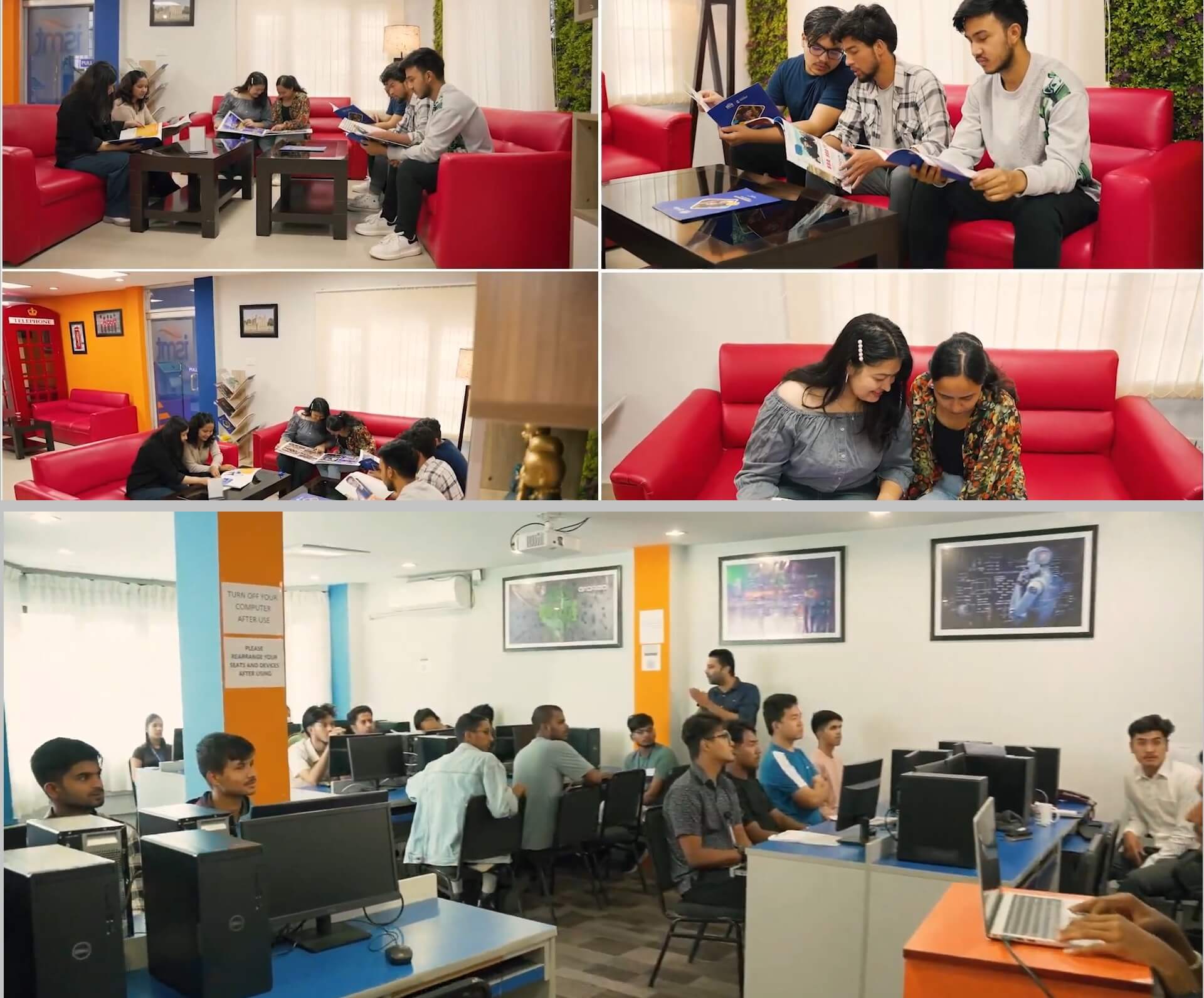
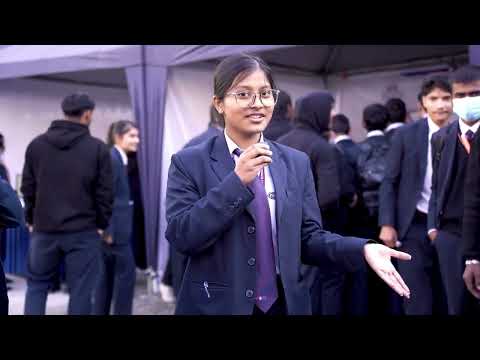
Student life at ISMT College Kathmandu grows out of its city location, mixed student group, and program-focused routine. Students from different parts of Nepal, and a smaller number from abroad, share classrooms and group projects. This mix exposes them to varied views on business, technology, and hospitality in everyday classroom work.
The daily schedule usually combines lectures, tutorials, lab sessions, and project work. Many students spend extra time on campus in the computer labs, talking with lecturers, preparing presentations, or working on team assignments. The college culture stresses punctuality, respectful behaviour, and responsible use of digital tools, reflecting how people are expected to work in modern offices and organizations.
Learners can meet academic counsellors or mentors when they need help with choosing courses, managing their workload, or planning further study and career steps. Ongoing attention to life skills, communication, and leadership helps students move more confidently into competitive job markets or higher-level study after graduation.
Extracurricular activities (ECA)
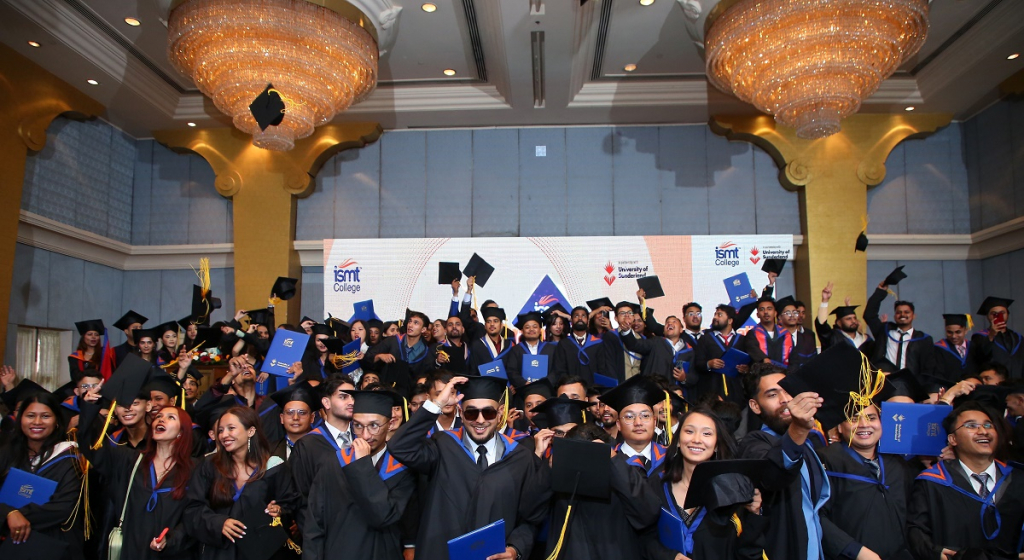
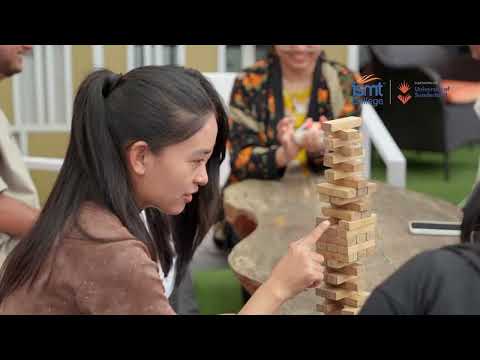
Alongside regular classes, ISMT College Kathmandu encourages students to take part in co-curricular and extracurricular activities that support personal growth and practical workplace skills. These activities give students space to apply what they learn in class, interact with peers, and build confidence in real settings.
Typical activities include:
-
Seminars, workshops, and guest lectures with industry professionals, entrepreneurs, and subject experts
-
Project exhibitions, coding events, and hospitality showcases where students present and explain their work
-
Participation in business idea competitions, case study events, and IT-related contests
-
Cultural programs, festivals, and celebration days that reflect the diversity of the student community
-
Sports activities and friendly tournaments held using the college’s sports facilities
Through these activities, students gradually build confidence, teamwork, time management, and interpersonal skills. These experiences sit alongside classroom learning and help students prepare for professional and social life after graduation.
Scholarships and financial support
ISMT College Kathmandu provides merit-based scholarships for new undergraduate students entering the first year of study, with scholarship support available up to 100%, subject to the college’s current scholarship policy and intake-wise provisions.
These scholarships are generally open to eligible Grade Twelve (+Two) or equivalent graduates who apply for an undergraduate program at ISMT. Scholarship decisions are typically made based on academic performance, interview outcomes, and the college’s internal scholarship rules for each intake.
In addition to merit-based scholarships, the college may introduce intake-specific scholarship schemes or financial support from time to time. Such provisions can vary by program and intake and may be revised according to institutional policy.
Achievements and institutional milestones
Since its establishment in 2011, ISMT College Kathmandu has expanded from a Kathmandu-based college to a group with multiple campuses and affiliated institutions in several cities of Nepal.
A notable feature of ISMT’s academic structure is its articulation arrangements with partner universities. Through direct university links, students can start their studies in Kathmandu and later transfer credits to partner universities, including:
-
University of Sunderland, UK
-
University of Newcastle (Australia)
-
Australian Catholic University
-
University of South Wales
-
University of New England (Australia)
-
De Montfort University (UK)
-
Royal Roads University
-
Robert Gordon University
Many students have already transferred to universities such as the Australian Catholic University and the University of Sunderland to complete their final years abroad, reflecting ISMT’s role as a pathway provider to international study environments.
At the same time, students who prefer to remain in Nepal can complete the full British degree at ISMT College Kathmandu, gaining a University of Sunderland qualification without leaving the country. This dual option—the ability to finish locally or move abroad—remains an important feature for families assessing cost, mobility, and educational goals.
Institutional mission, vision, and core values
ISMT College Kathmandu outlines its mission and vision around quality, affordability, and ethical education. The mission highlights the aim to create a sustainable educational foundation that supports lifelong learning, professional growth, and the ability to perform in regional and global contexts.
The institutional vision centres on being an academic institution in Nepal and South Asia that promotes responsible professional practice and develops graduates who are ethical, dependable, enterprising, and socially sensitive. These graduates are expected to contribute not only to their workplaces but also to wider society.
Core values include:
-
Commitment to learning that improves the lives of students and their families
-
Respectful treatment of all individuals within the college community
-
Promotion of equality and appreciation of diversity
-
Long-term commitment to affordability and accessibility
-
Belief in making quality higher education reachable for Nepalese students
These values are reflected in teaching practices, student policies, and the college’s focus on both technical and life skills.
Why Choose ISMT College Kathmandu?
Students and parents who explore ISMT College Kathmandu usually look at several practical aspects. Based on the information available, the following points commonly influence their decision:
-
Opportunity to earn a British degree in Nepal through the University of Sunderland partnership
-
Options for full-degree completion in Kathmandu or credit transfer to universities in the UK, Australia, and other countries
-
Programs in business, computing, cyber security, and hospitality that align with current job sectors
-
Focus on practical tasks, project work, and hands-on activities in IT and hospitality labs
-
Merit-based scholarship schemes that reduce first-year tuition costs for strong academic performers
-
Urban campus with digital classrooms, IT labs, and Wi-Fi-enabled spaces
-
Placement and internship support that connects students to companies and hospitality establishments
-
Strong emphasis on communication skills, critical thinking, and workplace readiness
These points can help prospective students compare ISMT with other institutions when planning their academic and career paths.
Message from the college leadership
While formal statements are presented through the mission, vision, and core values, the underlying message from ISMT’s leadership can be summarized as follows:
The college sees higher education as a partnership between students, families, and academic staff. It aims to offer qualifications that are academically sound, globally recognized by universities and employers, and still realistic in terms of cost for Nepali households. By aligning programs with industry needs and international frameworks, the leadership seeks to prepare graduates who can contribute meaningfully in Nepal, South Asia, and global job markets.
The management also stresses ethical practice, social responsibility, and lifelong learning. This includes encouraging students to act with integrity, respect different cultures and viewpoints, and continue learning beyond their degrees through further study, professional certifications, or workplace-based training.
Conclusion
ISMT College Kathmandu offers British university degrees in Nepal for students who want an international curriculum in business, computing, cyber security, tourism, and hospitality while studying close to home. It works within a wider ISMT network and international academic partnerships, bringing university-approved courses into a Kathmandu campus setting.
Teaching combines classroom sessions, project work, lab activities, and industry exposure, led by faculty who hold both academic qualifications and field experience. For many families, this creates a practical option: students can begin their studies in Kathmandu, complete the full degree here, or move abroad later through recognized credit transfer links if that suits their plans.
Frequently asked questions (FAQ)
Where is ISMT College Kathmandu located?
ISMT College Kathmandu is located in Gairigaun, Tinkune, within the Kathmandu Valley, with road access from different parts of the city.
Who awards the degrees offered at ISMT College Kathmandu?
Bachelor’s and master’s qualifications are conferred by the University of Sunderland, UK.
Which programs are available at ISMT College Kathmandu?
The college offers BA (Hons) Business and Management (BBA), BSc (Hons) Computer Systems Engineering (BSc IT), BSc (Hons) Cyber Security and Digital Forensics, BSc (Hons) International Tourism and Hospitality Management (BHM), MBA, and MSc Computing.
Can students transfer to universities abroad?
Yes. Eligible students may transfer credits to partner universities such as the University of Sunderland, University of Newcastle, Australian Catholic University, University of South Wales, University of New England, De Montfort University, Royal Roads University, and Robert Gordon University.
What support is available for cost and career planning?
ISMT College offers merit-based tuition fee waivers for +2 or equivalent graduates who meet set academic thresholds and pass an interview, based on current rules. Graduates move into fields such as business, banking, IT services, cyber security, and hospitality roles in hotels, travel firms, and related organizations.
Contact Details:
Gairigaun, Tinkune, Kathmandu, Nepal
Phone: +977-1-4112122, +977-1- 4112159, +977-9801060600
Email: admission@ismt.edu.np
Website: www.ismt.edu.np
ISMT College Network
- ISMT College Itahari
Affiliations
Courses Offered 6
Infrastructure & Facilities 25
- Cafeteria
- Library
- Sports
- Internet
- Auditorium
- Science Lab
- A/C Classrooms
- Health Care
- Conference
- Multimedia
- Parking
- Journal
- Placement
- Counselling
- Scholarships
- E-library
- Internship
- Tour
- CCTV
- Computer Lab
- Classrooms
- Alumni
- Club
- Conference Hall
- ECA
Videos




Latest Updates & Notices
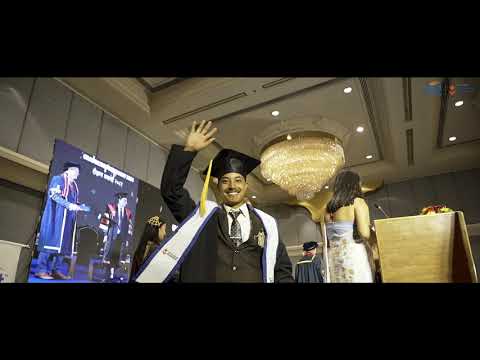
- 14 Jul 26 ISMT College Graduation Ceremony: 415 Students Graduate
- 02 Dec 25 ISMT College Kathmandu Vacancy For Admission Manager
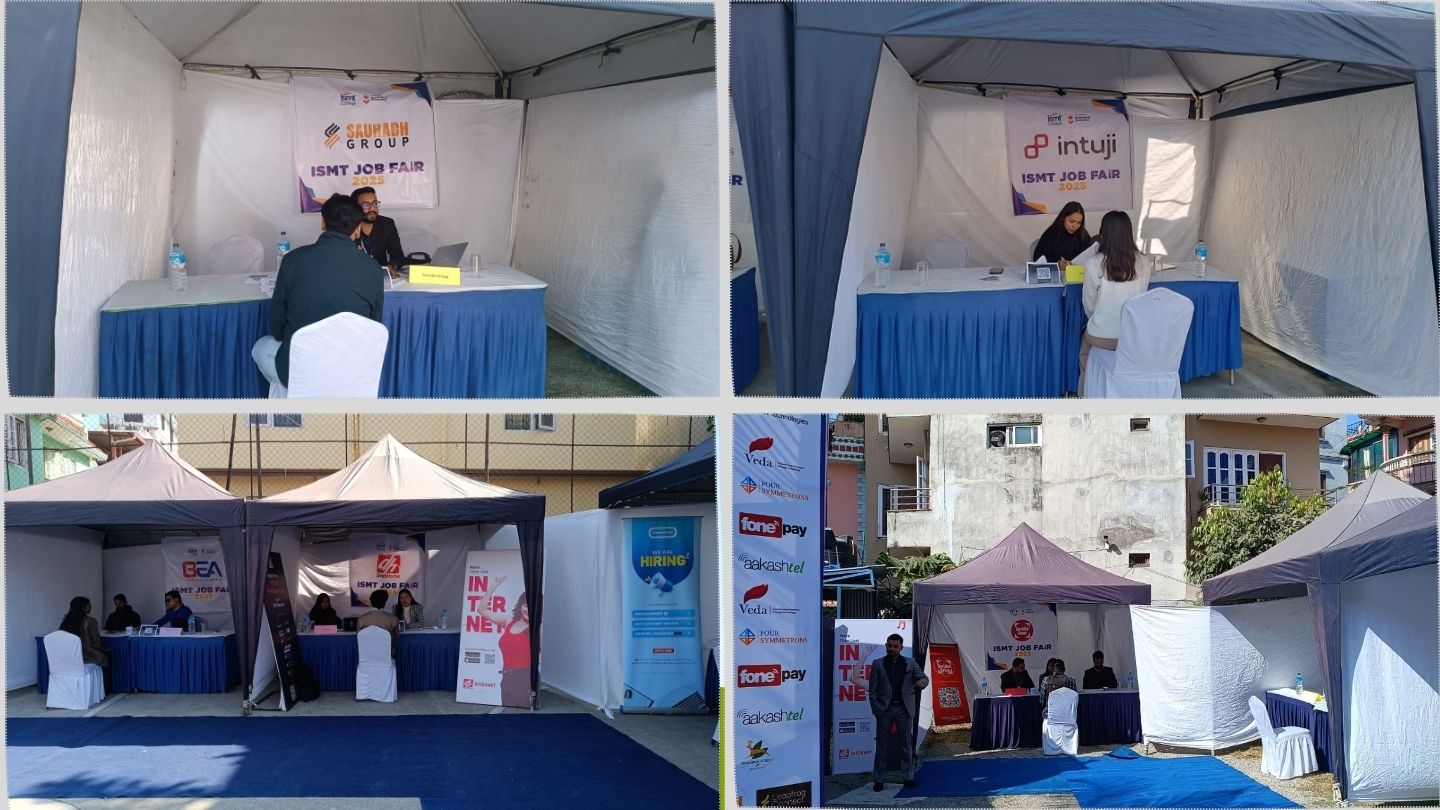
- 25 Nov 25 ISMT College Concludes Job Fair 2025
- 24 Nov 25 ISMT College to Host Job Fair 2025 on 25 November
- 17 Oct 23 ISMT College Launches BSc (Hons) Cyber Security and Digital Forensics Program
- 29 Jul 23 BSc IT Admission Open 2023 at ISMT College
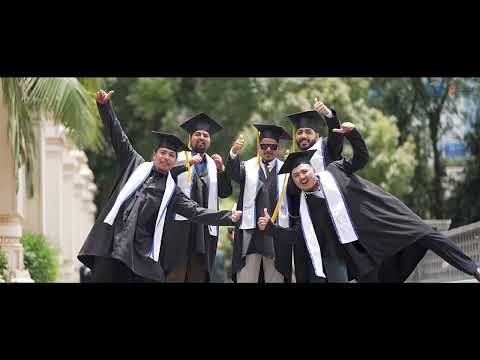
- 12 Jul 23 ISMT College Holds Convocation Ceremony for 367 Graduates
- 12 Jun 18 ISMT College Announces Vacancies in various Positions
Contact ISMT College, Kathmandu
- AddressGairigaun, Tinkune, Kathmandu, Nepal
- Phone +977-9801060600
- Phone +977-1-4112122
- Phone +977-1- 4112159
- Email admission@ismt.edu.np
- Website ismt.edu.np
- Contact personISMT College Kathmandu
