Ten Plus Two (+2) Science at Mega National College, Kumaripati, Lalitpur is a National Examinations Board (NEB) stream that prepares you for science-based higher education and professional pathways. Many students choose this stream when they are serious about fields such as medicine, engineering, information technology, agriculture, or pure sciences. Mega runs Plus Two alongside Tribhuvan University programs, so the campus environment tends to be academically active across levels.
Mega’s Science stream sits on three practical pillars: regular class teaching, laboratory work, and continuous assessment.
The campus lists science laboratories, a computer lab, library access, audio-visual class support, and seminar/workshop spaces. These facilities matter in Science because your daily routine includes problem-solving, lab records, and exam preparation that need time, space, and supervision.
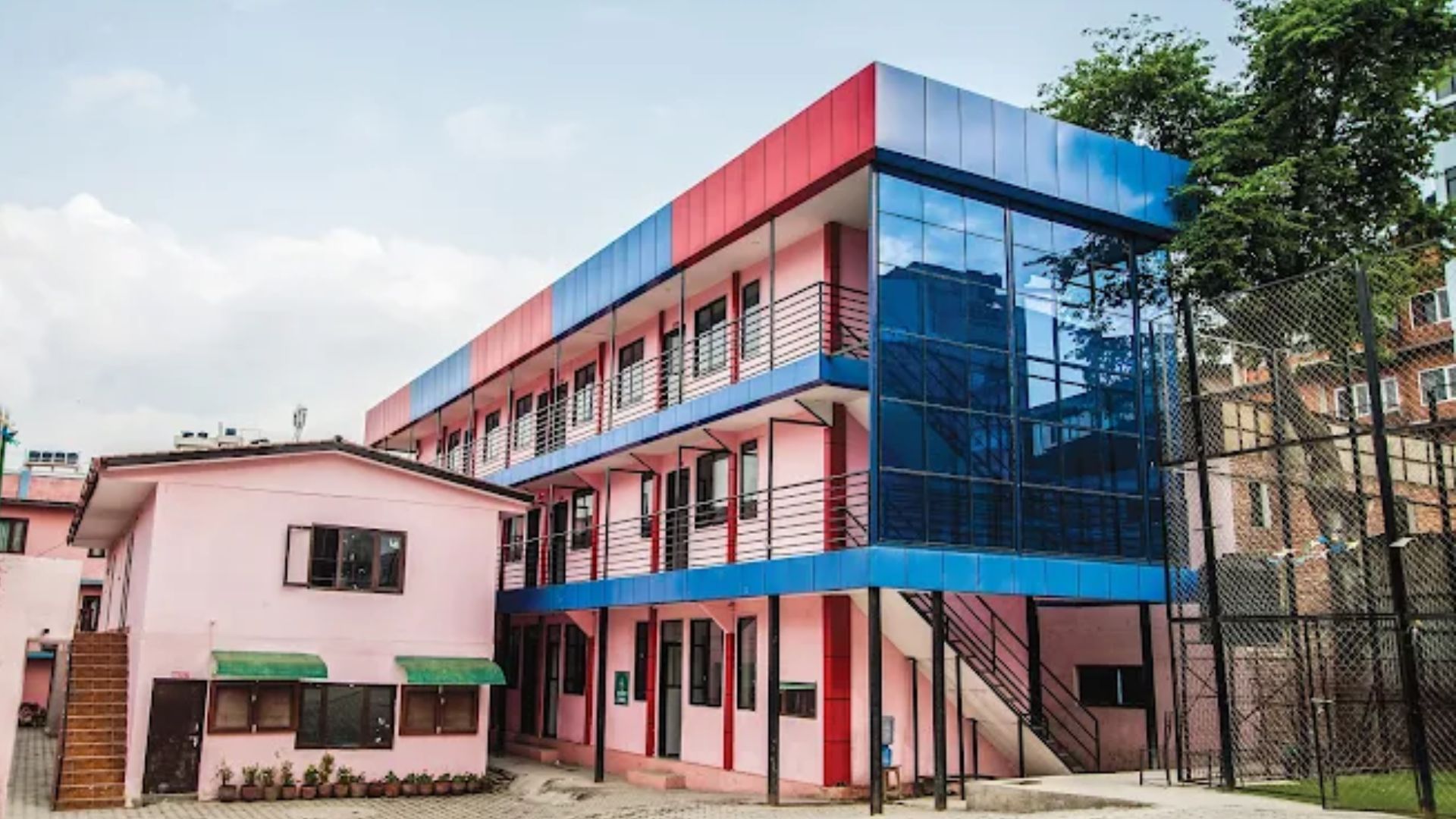
Level: Higher Secondary (Grades 11 and 12), Science stream under NEB
Campus: Mega National College, Kumaripati, Lalitpur
Learning support listed by the college: science labs, computer lab, library, audio-visual class support, seminar/workshop spaces
Entry steps shared by the college for +2: entrance test and interview
Student work expectations in Science: theory study, practical files, internal tests, and board exam preparation
NEB +2 Science follows the national curriculum framework used in Nepal for Grades 11 and 12. Your subject combination usually includes compulsory language subjects plus science subjects and one or more optional choices. Mega’s Science outline shows a familiar pathway many Nepali students know:
Compulsory subjects usually include Nepali and English
Core science subjects generally include Physics and Chemistry
The third science subject is commonly Biology or Computer Science
The fourth option is commonly Mathematics or Social Studies
Mega’s internal subject combination should be confirmed from its current intake notice because NEB subject codes and combinations can be adjusted by year.
Curriculum Development Centre (CDC) materials for secondary level show the standard structure for major Science subjects in Grades 11 and 12. Physics, for example, is listed for Grades 11 and 12 with subject codes, credit hours, and working hours.
CDC also states that Biology for Grades 11 and 12 targets students with different goals after Grade 12, and the course focuses on scientific knowledge, skills, and attitudes needed at this level.
CDC’s Chemistry curriculum includes learning goals tied to safe handling of chemicals and teacher-guided research work during the academic year.
Mega’s +2 Science serves students who want a strong base in scientific thinking and subject mastery. Your goal in this stream usually falls into one of these paths:
Prepare for science-focused bachelor’s programs in Nepal or abroad
Build readiness for competitive entrance processes that require strong Physics, Chemistry, Biology, Mathematics, and English
Develop practical lab competency and academic discipline needed for science education beyond school
+2 Science keeps multiple doors open after Grade 12. Your options commonly include:
Health and life sciences (biology-focused paths)
Engineering and technology (math and physics-heavy paths)
IT-related degrees where science and math background helps
Pure science degrees (BSc tracks)
Education pathways (science teaching track after further study)
Your final scope depends on your grades, subject choices (Biology vs Computer Science, Mathematics vs Social Studies), and the entry rules of the program you apply for.
Students completing +2 Science generally work toward outcomes like these:
Clear understanding of core concepts in Physics, Chemistry, and Biology or Computer Science
Strong problem-solving ability using formulas, graphs, and scientific reasoning
Practical skills in lab setup, observation, tabulation, and interpretation
Confidence in writing lab reports and presenting findings
Study habits suited to long board exams and multi-subject preparation
Science is not only about reading and memorizing. Your weekly progress depends on skills you build and repeat.
Mega lists modernized science labs and practical spaces, so you should expect regular lab-based learning where you practice:
Correct apparatus setup and safe handling
Observation and measurement
Data tables, graphs, and result interpretation
Lab record maintenance and viva preparation
CDC’s Physics curriculum describes lab-based practical work steps such as knowing the objective, knowing materials and apparatus, following lab safety, conducting the task systematically, and drawing conclusions.
Science learning also expects project-style work such as mini research, survey work, model construction, and reporting. CDC describes a project-work approach that includes planning, collecting information, analysis, and presentation using written and visual formats.
Mega also lists research and training activities and student presentations as part of its learning culture, so you should ask how often projects are required in Grade 11 and Grade 12.
Mega lists audio-visual class support and regular seminars/workshops. In Science, these methods work best when they are tied to daily learning tasks.
CDC’s Science teaching guidance in Physics describes multiple learning pathways such as online search, field visits, library work, laboratory work, individual and group work, and research work, supported by the teacher.
CDC also lists classroom methods such as interaction, question-answer, demonstrations, ICT-based instruction, cooperative learning, and group discussions.
Mega’s best use of these methods happens when your teachers connect theory to lab tasks, check your lab records regularly, and guide you on how to write answers for NEB-style questions.
Mega’s +2 admission steps mention two parts: an entrance test and an interview. Applicants typically need SEE or an equivalent qualification.
You should confirm these points from Mega’s current intake notice before applying:
Minimum SEE GPA/grade required for Science
Subject requirements (Science often has stricter entry conditions than other streams)
Entrance format (subjects included, pass mark, and interview schedule)
Required documents and deadlines
NEB +2 results depend on both internal work and external exams. Your internal performance usually includes attendance, class tests, practical work, and terminal or trimester exams, while the board exam covers external evaluation.
CDC’s Physics curriculum shows a clear model of how internal and external evaluation can work in Grade 11 and 12: internal evaluation covers 25 marks out of 100, and external theoretical evaluation covers 75 marks through a written examination, along with practical and project-related evaluation elements.
You should ask Mega how it manages practical exams, lab supervision, and internal exam timing across the academic year.
+2 Science itself is not a job qualification in most cases. It is a foundation for your next step. After Grade 12, students commonly move into:
Bachelor’s degrees in science, technology, health, and engineering-related fields
Diploma or technical training programs (where entry rules match your subjects and grades)
Competitive entrance pathways that require strong subject command
Your safest planning step is simple: match your subject choices and grades to the admission rules of the program you want next.
Mega’s provided details do not list scholarship categories or fee waiver rules for +2 Science. A scholarship section should only be added after Mega publishes a written scholarship notice with criteria, selection steps, and validity period.
+2 Science at Mega fits you when:
You are ready for daily study time in Physics, Chemistry, and either Biology or Computer Science
You want structured lab work and are willing to maintain practical records
You prefer a campus setting where seminars, workshops, and supervised presentations are part of learning
Your next goal requires a science background and strong grades
Ten Plus Two (+2) Science at Mega National College, Kumaripati, Lalitpur is a NEB stream that depends on consistent study, practical work, and exam readiness. Your best outcome comes from treating Grade 11 as the base year and Grade 12 as the performance year. Your strongest move before admission is to confirm the minimum entry grade, subject combinations, and the academic calendar through Mega’s current intake notice.
Students usually take compulsory Nepali and English, then Physics and Chemistry, plus a choice such as Biology or Computer Science and Mathematics or Social Studies. Confirm the current combination through Mega’s intake notice.
Mega mentions an entrance test and interview for +2 admissions. Confirm the entrance pattern and pass mark through the admissions desk.
Practical work matters every week because lab records and practical evaluation affect results. CDC guidance for science subjects includes structured practical work and assessment elements.
Many NEB Science structures allow a choice between Biology and Computer Science. Availability depends on the campus intake plan and section management.
Parents should check minimum SEE grade, attendance rules, practical lab schedule, internal exam routine, and how the college reports progress during the year.

.png)