



The Bachelor of Information Technology (BIT) at Western Mega College is a four-year undergraduate program covering programming, computer systems, networking, databases, cybersecurity, web technology, artificial intelligence, mobile application development, and system administration.
The course combines technical study with business communication, management, professional ethics, research, leadership, project work, and industrial training. Students complete classroom modules during the first three years, undertake a final-year project in the seventh semester, and complete industrial training in the eighth semester.
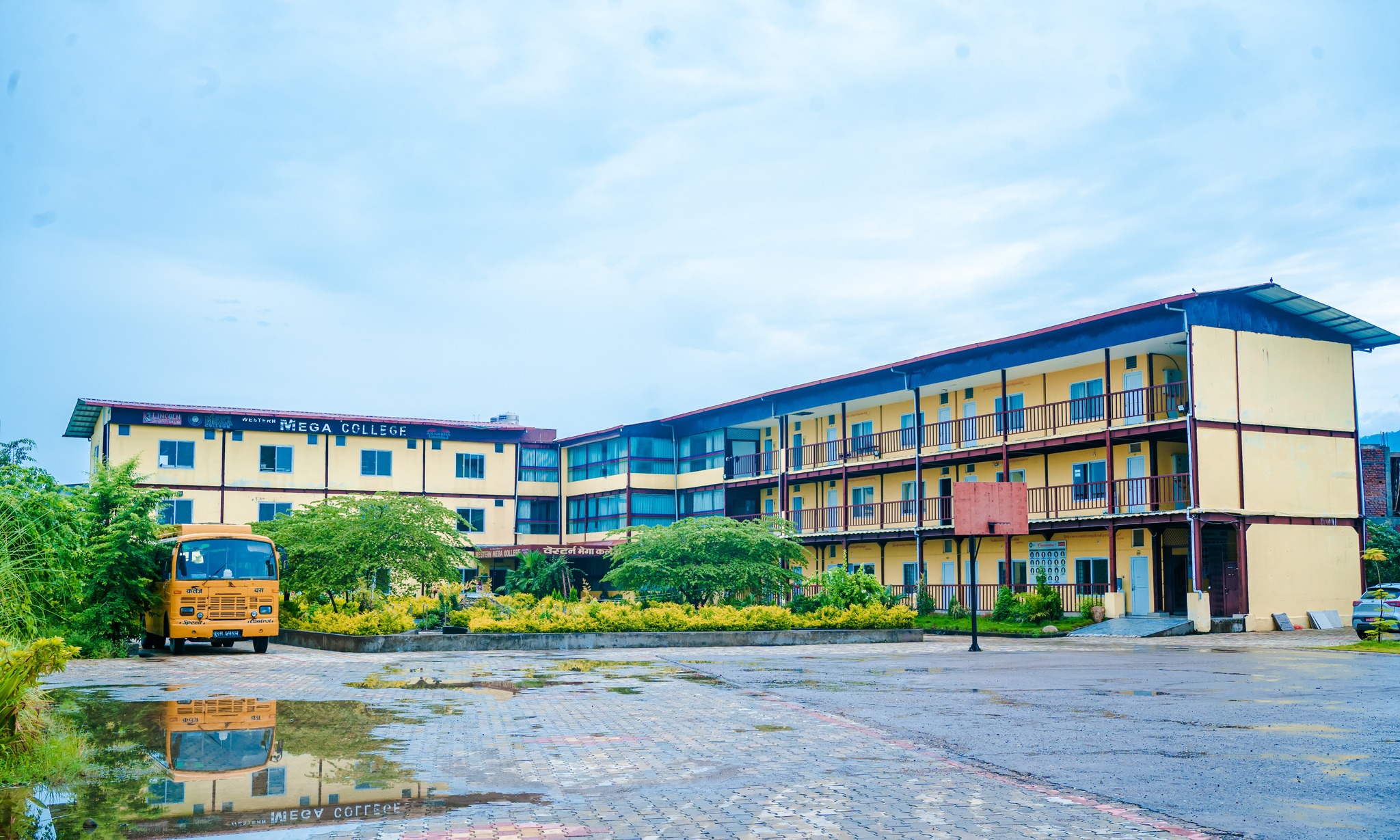
Western Mega College is located in Butwal–15, Dhabaha, Rupandehi, Lumbini Province. Established in 2013, the college is affiliated with Lincoln University, Malaysia.
| Field | Details |
|---|---|
| Course Name | Bachelor of Information Technology |
| Abbreviation | BIT |
| Level | Bachelor’s degree |
| Duration | Four years, including industrial training |
| Academic Structure | Eight semesters |
| Intake | May–November |
| College | Western Mega College |
| Location | Butwal–15, Dhabaha, Rupandehi, Nepal |
| Affiliation | Lincoln University, Malaysia |
| Final Components | Final Year Project and Industrial Training |
The BIT program develops knowledge across the main areas of information technology. Its modules begin with computing principles, programming, mathematics, computer architecture, communication, and operating systems before moving into databases, web technology, networking, information security, artificial intelligence, and system administration.
Management-related subjects are also included in the course. Students study industrial management, organizational behaviour, project management, management information systems, leadership, professional ethics, and research methodology.
This combination allows students to study how technical systems are designed, developed, operated, protected, maintained, and managed within organizations.
The program is open to students from the following academic backgrounds:
Science
Commerce
Arts
Humanities
Applicants must meet one of the stated academic requirements:
Minimum grade C in all subjects of Grades 11 and 12
Minimum second-division marks in 10+2, PCL, or an equivalent qualification
The course may suit students interested in computing, programming, network systems, databases, information security, web applications, mobile applications, and technical problem-solving.
The BIT program runs for four years and is divided into eight semesters.
The first six semesters contain technical, mathematical, communication, management, research, and professional modules. The seventh semester is assigned to the Final Year Project, while the eighth semester focuses on Industrial Training.
| Academic Year | Semesters | Main Focus |
|---|---|---|
| Year One | First and Second | Computing foundations, programming, mathematics, networks, and operating systems |
| Year Two | Third and Fourth | Databases, web technology, Linux, systems analysis, security, and artificial intelligence |
| Year Three | Fifth and Sixth | Cybersecurity, server-side programming, Android development, research, projects, and system administration |
| Year Four | Seventh and Eighth | Final Year Project and Industrial Training |
The first semester introduces students to communication, information technology, programming, mathematics, statistics, and computer hardware concepts.
Modules include:
Business English
Principles of Information Technology
Introduction to C++ Programming
Computer-Related Mathematics and Statistics
Basic Computer Architecture
The second semester develops knowledge of user interaction, mathematical logic, networking, object-oriented programming, and operating systems.
Modules include:
Human Computer Interaction
Discrete Mathematics
Data Communication and Network
Object-Oriented Programming
Operating Systems
The third semester covers digital systems, algorithms, management, web development, Linux, and database systems.
Modules include:
Digital Electronics and Logic Design
Data Structure and Algorithm
Industrial Management
Web Technology
Linux Administration
Database Management System
The fourth semester introduces visual programming, systems planning, organizational studies, information security, e-commerce systems, and artificial intelligence.
Modules include:
Visual Programming
System Analysis and Design
Organizational Behaviour
Information System Security
CMS-Based E-Commerce
Artificial Intelligence
The fifth semester combines professional responsibility, cybersecurity, multimedia, leadership, and server-side development.
Modules include:
Values and Ethics in Profession
Cyber Security Law and Policy Analysis
Cryptography and Network Security
Multimedia System
Leadership Skills and Human Relations
Server-Side Programming
The sixth semester focuses on research, mobile application development, information management, project planning, and system maintenance.
Modules include:
Research Methodology
Android Programming
Management Information System
Project Management
System Administration and Maintenance
Students complete the following academic component:
Final Year Project
The project allows students to apply knowledge gained throughout the program to a defined information technology topic or system.
Students complete:
Industrial Training
Industrial training provides workplace exposure connected with information technology practice.
The BIT curriculum covers several connected areas of computing and organizational technology.
Programming modules include C++, object-oriented programming, visual programming, server-side programming, and Android programming.
These subjects introduce students to software logic, application structure, programming methods, and the development of desktop, web, server-based, and mobile applications.
Students study data communication, networking, Linux administration, operating systems, system administration, and system maintenance.
These modules address the operation, configuration, management, and maintenance of computer systems and network environments.
Database Management System and Management Information System introduce students to data organization, information processing, and the use of technology in organizational decision-making.
Web Technology, Server-Side Programming, and CMS-Based E-Commerce cover website development, server-based applications, content management systems, and online business platforms.
The course includes Information System Security, Cyber Security Law and Policy Analysis, and Cryptography and Network Security.
Students examine technical security concepts alongside legal, policy, and professional considerations.
Artificial Intelligence and Multimedia System introduce students to computational intelligence and digital media technologies.
The curriculum includes Industrial Management, Organizational Behaviour, Leadership Skills and Human Relations, Project Management, Values and Ethics in Profession, and Research Methodology.
These modules connect technical study with communication, teamwork, organizational conduct, project planning, ethical responsibility, and academic inquiry.
Western Mega College uses practical activities alongside classroom instruction. BIT students may take part in:
Computer laboratory sessions
Programming assignments
Database exercises
Networking and system administration tasks
Web and mobile application work
Individual and group projects
Case studies
Presentations
Industry visits
Final-year project work
Industrial training
Computer laboratories support work in programming, database management, networking, web technology, information security, and system administration. Internet access and study areas are also available on campus.
The Final Year Project is completed during the seventh semester. It gives students an opportunity to bring together technical knowledge, research, planning, development, testing, and presentation.
The project forms the main academic component of the seventh semester and prepares students for the industrial training stage of the program.
Industrial Training takes place during the eighth semester and is included within the four-year course duration.
Western Mega College works with industries and organizations to provide internship and workplace-learning opportunities. The college’s career services support students in identifying placements connected with their academic interests and professional goals.
Industrial training allows students to observe workplace systems, apply technical knowledge, work within organizational procedures, and understand professional expectations in information technology settings.
The BIT program is coordinated by Mr. Krishna Shrestha, whose specialization is information technology. The wider teaching team includes faculty members with backgrounds in information technology, database management, engineering, management, communication, research, finance, and entrepreneurship.
Typical class sizes range from 30 to 40 students. Teaching activities include lectures, laboratory work, group discussions, case studies, assignments, presentations, research work, and project-based learning.
Students may apply through the college’s online application form or visit the campus to complete the application in person.
Applicants submit documents such as:
Academic transcripts
Academic certificates
Identification documents
Passport-sized photographs
The admission process includes a written examination covering:
Language skills
General knowledge
Subject aptitude
Shortlisted applicants attend an interview assessing their communication, motivation, and readiness for the program.
Final selection considers:
Entrance examination performance
Interview performance
Previous academic record
Through technical modules, assignments, laboratory work, projects, and industrial training, students may develop skills in:
Programming and application development
Database design and management
Computer networking
Operating systems
Linux administration
Web development
Mobile application development
Information system security
Cybersecurity concepts
System administration and maintenance
Project planning
Research and technical reporting
Communication and teamwork
Professional ethics
Problem-solving
The level of skill developed depends on academic participation, practical work, project quality, independent learning, and industrial experience.
BIT graduates may consider technical and support roles in software development, networks, systems, cybersecurity, data, cloud services, and information technology operations.
Possible career pathways include:
Software Developer
Network Administrator
Cybersecurity Analyst
Data Analyst
Cloud Engineer
IT Support Engineer
System Administrator
Career opportunities depend on technical competence, practical experience, project work, professional certifications, organizational requirements, and labour-market conditions.
BIT students have access to facilities that support technical and general academic work.
These include:
Computer laboratories
Internet connectivity
Classrooms
Library resources
Digital learning materials
Business learning spaces
Dedicated study areas
Cafeteria
Sports facilities
Wellness areas
The campus follows alcohol-free, tobacco-free, and ragging-free policies.
Western Mega College offers tuition discounts and financial support under several categories.
| Scholarship Category | Requirement | Support |
|---|---|---|
| Entrance Topper | Highest entrance performance | 50% tuition discount in the first semester |
| Merit Award | 60%–65% | NPR 10,000 discount |
| Merit Award | 66%–70% | NPR 15,000 discount |
| Merit Award | 71%–75% | NPR 20,000 discount |
| Merit Award | 76% or above | NPR 25,000 discount |
| Government Relief or Special Support | Based on verified documentation | NPR 20,000–100,000 |
Scholarship decisions depend on the applicable academic criteria and supporting documents.
BIT students may participate in activities outside their regular classes, including:
Technology-related projects
Public-speaking activities
Debate and quiz contests
Cultural programs
Sports competitions
Workshops
Community programs
Corporate social responsibility activities
Entrepreneurship clubs
Leadership activities
Participation in these activities can support communication, teamwork, event coordination, and student engagement.
College: Western Mega College
Location: Butwal–15, Dhabaha, Rupandehi, Lumbini Province, Nepal
BIT Coordinator: Mr. Krishna Shrestha
Email: bitdirector@westernmegacollege.edu.np
Students may contact the college administration for current admission schedules, application guidance, course fees, scholarship procedures, academic counseling, and campus visits.
The BIT program lasts four years and includes eight semesters, a Final Year Project, and Industrial Training.
Western Mega College is affiliated with Lincoln University, Malaysia.
The stated intake period is May–November.
Students from Science, Commerce, Arts, and Humanities backgrounds may apply.
Applicants need a minimum grade C in all subjects of Grades 11 and 12 or minimum second-division marks in 10+2, PCL, or an equivalent qualification.
Yes. The course includes Industrial Training in the eighth semester, and the full four-year duration includes internship-related practical exposure.
The course includes Introduction to C++ Programming, Object-Oriented Programming, Visual Programming, Server-Side Programming, and Android Programming.
Yes. Cybersecurity-related modules include Information System Security, Cyber Security Law and Policy Analysis, and Cryptography and Network Security.
Yes. Artificial Intelligence is taught in the fourth semester.
Students complete a Final Year Project in the seventh semester and Industrial Training in the eighth semester.
Graduates may consider roles such as software developer, network administrator, cybersecurity analyst, data analyst, cloud engineer, IT support engineer, and system administrator.
Yes. Western Mega College offers an entrance-topper tuition discount, merit-based awards, and government relief or special support under the stated criteria.






