College of Applied Sciences-Nepal (CAS-Nepal) is an academic institution in Koteshwor, Kathmandu that focuses on environmental science education and research. Established in 2005 by a team of environmental professionals, it runs undergraduate and postgraduate environmental science programs under the Institute of Science and Technology, Tribhuvan University (TU).
The college emerged at a time when ecological issues, climate change, pollution, and resource management were gaining importance in Nepal’s policy and development agenda. CAS-Nepal was set up to address the growing need for trained environmental experts who understand both scientific principles and the realities of Nepali communities.
With the motto “Knowledge, Excellence, Leadership and Demand-base Environmental Education,” the college links classroom learning with field practice, research, and policy-level engagement. Its graduates work across government agencies, non-government organizations, consulting firms, academic institutions, and international projects related to environment and development.
Location: Koteshwor, Kathmandu, Nepal
Established: 2005 AD (2062 BS) by environmental professionals
Affiliation: Tribhuvan University, Institute of Science and Technology (IOST-TU)
Academic programs: BSc Environmental Science (4-year), MSc Environmental Science (2-year, 4 semesters)
Focus areas: Environmental science education, research, training, and policy support
Key features: Field-based learning, research projects with external grants, collaborations with government and international agencies
Facilities: Laboratories, library, computer and internet access, audio-visual classrooms, cafeteria
Student support: Scholarships, assistantships, research guidance, and career orientation
The BSc Environmental Science program at CAS-Nepal is a four-year TU-affiliated course based on an annual examination system. It began nationally as a three-year course in 1997 and was upgraded to a four-year structure in 2012 to provide deeper academic and practical grounding in environmental studies.
Students study environmental science along with supporting subjects such as zoology and chemistry. The first and second years focus on core environmental science concepts; the third year introduces specialized and applied topics, while the fourth year highlights research or an alternative written examination. The curriculum mixes theory, practical classes, fieldwork, and case studies in a structured way.
Course units cover themes such as ecology, environmental chemistry, atmospheric science, hydrology, climatology, environmental geology, pollution, impact assessment, resource management, biodiversity conservation, pollution control, and climate change. This gives students a strong scientific background and an understanding of environmental issues in both local and global contexts.
The MSc Environmental Science program at CAS-Nepal is a two-year, four-semester postgraduate course with 64 credit hours under Tribhuvan University. It responds to rising environmental challenges such as pollution, climate change, and resource degradation, which are visible in Nepal’s rivers, forests, and urban systems.
The program combines core subjects like ecology, environmental earth science, pollution and monitoring, environmental conservation and management, environmental economics, law and policy, environmental modeling, energy, and geographic information systems (GIS and remote sensing). Students also take elective courses, fieldwork, case studies, and a dissertation in the final semester.
MSc graduates are prepared for roles in environmental research, consulting, government planning, teaching, and project management. The program encourages analytical thinking, teamwork, and an ethical approach to environmental decision-making.
Admission to the BSc Environmental Science program combines eligibility screening, an entrance examination, and a merit-based selection process.
Key points include:
Academic background: Candidates must have completed intermediate-level science, 10+2 science, A-level science, or I.Sc in the science stream from TU or another recognized board or university.
Entrance examination:
Duration: 2 hours
Total marks: 100 (objective questions)
Physical group: Physics, Chemistry, Mathematics
Biological group: Chemistry, Zoology, Botany
Separate exam times for physical and biological groups
Selection: A merit list is prepared from entrance scores, and admissions follow that merit ranking as per TU rules.
CAS-Nepal also evaluates regularity, participation in fieldwork and practical classes, internal tests, and conduct throughout the year as part of the academic monitoring process.
Applicants need a Bachelor’s degree with Environmental Science as the major from an institution recognized by Tribhuvan University, usually with at least second division. Graduates from other science disciplines may apply if they meet the conditions set by the Faculty Board of IOST-TU.
Further requirements are:
Entrance exam: Candidates sit for the MSc entrance examination conducted by IOST-TU.
Merit basis: Selection is on merit, with 80% weight given to the entrance score and 20% to BSc marks.
Admitted students join a four-semester program with clear plans for coursework, fieldwork, and research activities.
CAS-Nepal was founded and is run by professionals with backgrounds in environmental science, research, and consulting. Faculty members have experience in national projects as well as assignments with international agencies, which allows them to bring case studies, field data, and policy debates into classroom discussions.
Teaching at the college combines lectures, practical classes, field exercises, seminars, and guided research. Regular internal tests, model question practices, case study presentations, and monitoring of participation help students stay engaged with the syllabus throughout the year.
The college also encourages triangular dialogue among students, faculty, and guardians, which supports academic follow-up and timely feedback. Presentations on environmental topics by students, under faculty supervision, help them build communication skills and confidence in explaining scientific issues to different audiences.
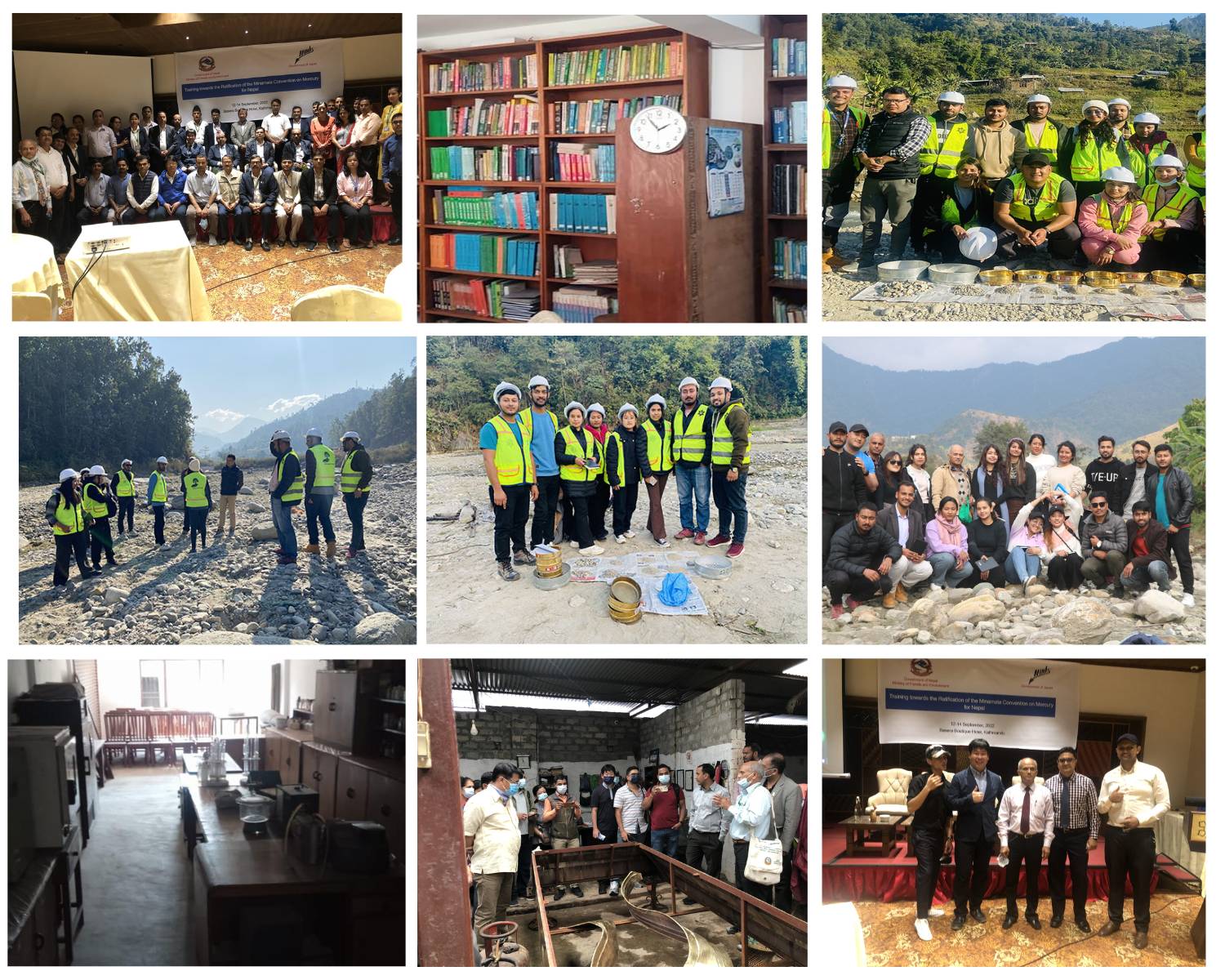
CAS-Nepal has laboratories for environmental chemistry, biology, physics, and geology. In these labs, students practice sampling, measurement, and analysis methods used in environmental monitoring, pollution studies, and resource assessment. Working with instruments and real samples helps them relate classroom theory to practical work.
The college library includes books, journals, research reports, and reference materials in environmental science and related subjects. Students use these resources for regular assignments, project work, and dissertation writing. Library staff guide them in finding relevant materials and using reference tools in an effective way.
CAS-Nepal provides computer labs with internet access so that students can handle data, read online journals, and use subject-related software when required. Classrooms with projectors, sound systems, and other audio-visual tools support visual teaching, group presentations, and seminar activities.
The on-campus cafeteria serves meals and light snacks during the college day. It also works as a common space where students meet for group discussions, informal meetings, and short breaks between classes, which helps create a friendly and supportive study environment.
Student life at CAS-Nepal is shaped by the field-based nature of environmental science. The college organizes visits to locations such as the Kathmandu Valley, Malekhu, Hetauda, Palpa, Pokhara, Chitwan, Melamchi, Biratnagar, Rasuwa, and the Annapurna Conservation Area. These trips expose students to different ecosystems, resource uses, and environmental problems.
Within the college, students participate in internal examinations, class presentations, practical sessions, and research proposal development. Regular interaction with faculty members and visiting experts gives them insight into real projects and ongoing debates in environmental science.
The academic calendar aligns with TU, and the college schedules fieldwork and training during specific seasons. Students also receive winter, summer, and Dashain vacations, along with a weekly off day, which helps them manage study, family responsibilities, and rest.
CAS-Nepal keeps an active schedule of seminars and workshops on climate change, environmental assessment, chemical safety, and international environmental agreements. In these sessions, students sit with teachers and invited guests, follow current debates, ask questions, and practice speaking about environmental issues in front of their peers.
The college also runs short training courses in GIS, environmental modeling, environmental impact assessment, bio-engineering, natural hazards, and chemical management. These courses introduce tools that students use in field visits, project work, and early professional roles, so technical skills grow alongside classroom study.
CAS-Nepal reserves scholarships for students with strong academic records and for those who need financial help. Criteria may include entrance scores, yearly examination results, and other records stated in the college rules.
Through this support, the college makes environmental science study accessible to students from diverse economic backgrounds and regions. Many students who would otherwise stop after secondary education get a chance to continue in higher study and move toward a career in the environmental sector.
Research is a central element of CAS-Nepal’s identity. The college has completed a large number of projects covering topics such as indigenous forest management, alternative energy, solid waste management, biodiversity, climate change, air and noise pollution, water and wastewater, land use, energy-environment-poverty linkages, and ecological analysis.
Many of these studies are funded by national ministries, international organizations, and specialized agencies. Examples include work with the Ministry of Environment, Science and Technology; biogas and renewable energy programs; conservation organizations; and climate-related initiatives.
The college has signed Memoranda of Understanding with governmental, non-governmental, and international bodies. Collaborations cover policy document preparation, research, and joint training programs. Students often take part in these projects as research assistants or thesis researchers, gaining exposure to real datasets and professional standards.
The college highlights a wide spectrum of potential roles for environmental science graduates. Opportunities exist in environmental consulting (IEE and EIA preparation, environmental monitoring), green sector jobs, natural resource management, wildlife conservation, climate change projects, and environmental education.
Graduates can work in pollution monitoring, water quality assessment, noise and air quality measurement, biodiversity conservation, national parks and protected areas, and laboratory-based environmental testing. International organizations, development agencies, NGOs, and INGOs also employ environmental professionals in research, project implementation, and policy support.
Teaching at school, +2, and higher levels; research assistance; and further study at MSc and PhD level are common pathways. As environmental awareness and regulation expand, demand for qualified environmental scientists remains steady in both national and international labor markets.
CAS-Nepal’s achievements are reflected in its portfolio of externally funded studies, contributions to national guidelines, and involvement in environmental monitoring and mitigation work. The college has prepared or helped prepare draft guidelines on environmental assessment and hazardous waste management for government agencies.
Research output includes emission inventories, climate change impact studies, carbon stock assessments, biodiversity surveys, energy-environment link studies, and assessments of environmental health risks. Many of these projects involve mountain regions, river basins, protected areas, and rural communities, giving students and staff experience across Nepal’s ecological zones.
The record of graduates receiving assistantships, gaining admission to higher studies abroad, and securing professional positions in environment-related fields adds to the institution’s academic standing.
Prospective students often look for clarity on why a specialized institution is suitable for them. CAS-Nepal may appeal to learners who:
Want to study environmental science in depth under Tribhuvan University
Prefer a college where fieldwork and practical assignments are central parts of learning
Value close contact with faculty who are engaged in national and international environmental projects
Intend to build careers in environmental research, consulting, conservation, policy work, or teaching
Seek an environment where seminars, workshops, and technical trainings are part of regular academic life
The college focuses narrowly on environmental science, which helps build a focused academic culture and networks in that sector. Its linkages with agencies working on climate, biodiversity, energy, waste, and pollution strengthen the practical relevance of classroom learning.
College of Applied Sciences-Nepal (CAS-Nepal) stands as a specialized institution for environmental science education under Tribhuvan University in Koteshwor, Kathmandu. It integrates classroom teaching, laboratory work, field study, research, and collaboration with public and private agencies involved in environmental management.
CAS-Nepal is located in Koteshwor, Kathmandu, Nepal. It runs BSc and MSc programs in Environmental Science under the Institute of Science and Technology, Tribhuvan University (IOST-TU).
The college offers BSc Environmental Science and MSc Environmental Science programs. Both programs are affiliated with Tribhuvan University.
Applicants must have completed intermediate science, 10+2 science, A-level science, or I.Sc in the science stream from TU or an equivalent recognized board or university. They must also sit for a 2-hour, 100-mark objective entrance examination covering Physics, Chemistry, and Mathematics (physical group) or Chemistry, Zoology, and Botany (biological group). Selection follows the merit list.
Candidates need a BSc in Environmental Science or an equivalent degree with Environmental Science as the major, from a college or university recognized by TU, normally with at least second division. They must appear in the MSc entrance examination conducted by IOST-TU. Admission is based on merit, with 80% weight on entrance marks and 20% on BSc results.
Yes. CAS-Nepal offers scholarships to meritorious and economically disadvantaged students. Support may be based on entrance scores, annual exam performance, and other academic indicators, as outlined in the college’s scholarship scheme.
Students have access to environmental laboratories, a library with books and journals, computer labs with internet access, multimedia classrooms, and a cafeteria. These facilities support practical learning, research, and day-to-day study activities.
Graduates from CAS-Nepal can work as environmental officers, consultants, researchers, conservation officers, natural resource managers, pollution monitoring staff, teachers, and project staff in government departments, NGOs, INGOs, and international agencies. Many continue to MSc or PhD studies in Nepal or abroad.