Overview
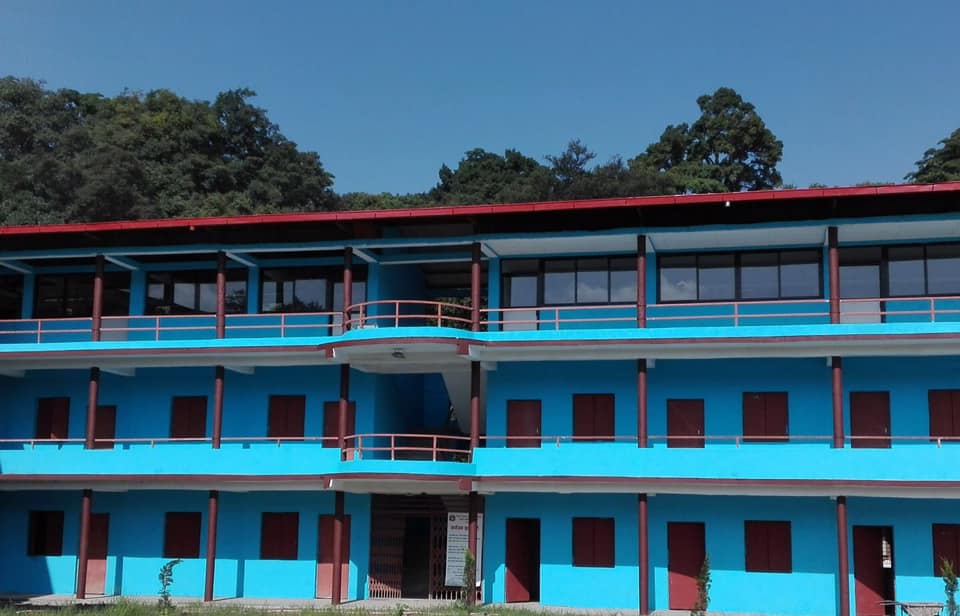
Kantipur Campus is a public, community-based institution in Danchhi, Kageshwori Manohara Municipality-5, Kathmandu. Established in 2048 B.S., it is affiliated with Tribhuvan University (TU) for bachelor’s degrees (BA, BBS) and the National Examination Board (NEB) for +2 programs. This profile shares clear, verified information for students, parents, and education stakeholders.
The campus grew from local community efforts to widen access to higher education for Eastern Kathmandu and the northern belt of Bhaktapur. It started Humanities and Management at the Proficiency Certificate Level in 2048 B.S., added +2 under NEB in 2057 B.S., and upgraded to TU bachelor’s (BA, BBS) in 2056 B.S. It runs as a co-educational public campus with a steady focus on affordability, fair rules, and clear student outcomes.
The service area includes dozens of feeder schools and a population base above one lakh. To address capacity needs, the Government of Nepal allocated about 38 ropani along the Kathmandu–Sankhu Highway in 2051 B.S. for a future campus site. Classes have historically run in the morning shift.
Quick Highlights
-
Type: Public, community-based campus
-
Location: Danchhi, Kageshwori Manohara-5, Kathmandu (approx. 11 km from mid-town)
-
Affiliations: Tribhuvan University (BA, BBS), National Examination Board (NEB) for +2
-
Established: 2048 B.S. (Proficiency Certificate Level); +2 since 2057 B.S.; BA/BBS since 2056 B.S.
-
Faculties: Management, Humanities (NEB +2 and TU bachelor’s)
-
Scholarships: For women, disadvantaged groups, and high-performing students
-
Teaching Shift: Morning
Academic Programs Offered
NEB (+2) Programs
+2 Management
10+2 Management stream includes core subjects—Compulsory English, Compulsory Nepali, Accountancy, Economics, and Business Studies/Computer—with options such as Computer Science, Elements of Finance, Cooperative Management, and Hotel Management & Travel and Tourism (HM & TT). It provides a solid foundation for further study in BBS/BBM and prepares learners for entry-level roles in accounting support, office operations, and small business settings.
+2 Humanities
10+2 Humanities stream includes core subjects—Compulsory English and Compulsory Nepali—and offers options such as Political Science, Sociology, Economics, Population Studies, Computer Science & Mass Communication, Major English, and Major Nepali. It provides clear pathways to BA studies in the social sciences, development studies, media, and languages.
+2 Law
10+2 Law stream includes core subjects—Compulsory English and Compulsory Nepali—along with a law focus covering General Law, Nepalese Legal System, General Principles & Theories of Law, and Constitutional/Nepalese Law. It builds a solid foundation for further legal study and entry-level roles in clerical/legal support and local administration.
TU Bachelor’s Programs
Bachelor of Business Studies (BBS) – 4 years
The Bachelor of Business Studies (BBS) program covers accounting, economics, business studies, quantitative methods, and core management functions. Learning includes assignments, presentations, and small projects. Graduates are prepared for roles in banking and financial services, accounting support, operations, sales and marketing coordination, and public or private administration.
Bachelor of Arts (BA) – 4 years
The Bachelor of Arts (BA) program offers combinations in Sociology, Political Science, Economics, Rural Development, Major English, or Major Nepali. It leads to opportunities in community projects, research assistance, media and communication, and social sector roles, and keeps students eligible for master’s studies.
Admission Process
Eligibility
-
+2 (NEB): SEE or equivalent as per NEB criteria.
-
Bachelor’s (TU): +2 or equivalent with required subjects and minimum marks per TU guidelines.
How to Apply (Step-by-Step)
-
Inquiry & Counseling: Visit the campus during office hours or call to confirm programs, timelines, and fees.
-
Form Submission: Fill the application form and attach required documents.
-
Screening: Merit-based review under NEB/TU rules; interviews may be scheduled.
-
Enrollment: If selected, complete fee payment within the deadline and attend orientation.
Quick checklist (documents)
-
SEE mark sheet and character certificate (+2 applicants)
-
+2/NEB transcript and certificates (bachelor’s applicants)
-
Character certificate and migration (if applicable)
-
Copy of birth certificate (where required)
-
Recent passport-size photos and a valid ID
-
Transfer Certificate (TC) for transfers (if applicable)
Teaching Faculty and Learning Approach
Classes are led by teachers from relevant disciplines. Learning is supported through assignments, unit tests, practical work (where applicable), and exam-focused review sessions. Departments encourage reading, note-making, and short presentations to build clarity and confidence. The academic calendar aligns with TU/NEB examination cycles. Internal evaluations, attendance tracking, and feedback help students prepare for board and university exams.
Study tips (for new entrants)
-
Keep a weekly planner for internal tests and submission dates.
-
Form small study groups for past questions.
-
Meet faculty during office hours for topic-wise doubts.
Infrastructure and Learning Facilities
-
Classrooms: Standard rooms with whiteboards; basic audio-visual support where available. Morning shift is common.
-
Library: Subject texts, references, newspapers, and past question sets.
-
Computer Access: Lab access aligned with course needs (e.g., Computer Science options, business computing).
-
Student Services: General counseling, admission guidance, and exam form assistance.
-
Planned Expansion: About 38 ropani along the Kathmandu–Sankhu Highway (allocated in 2051 B.S.) for future development.
Facility upgrades occur in phases based on approvals and resources. During counseling, students should confirm current lab capacity, library hours, and room availability.
Student Life and Campus Experience
The campus serves learners from semi-urban and rural areas. The environment values punctuality, peer learning, and steady participation in internal assessments. Orientation covers college hours, classroom norms, and exam protocols. Notice boards and office counters keep students informed about forms, deadlines, and holidays.
How students stay on track
-
Read notices weekly.
-
Submit forms early to avoid queues.
-
Use library time between classes.

Extracurricular Activities (ECA)
-
Clubs/Forums: Literature, debate, social service, and subject circles (as available).
-
Events: National day observations, guest talks, and short workshops.
-
Community Linkages: Volunteer drives, cleanliness campaigns, and local visits.
-
Sports: Periodic intra-college games as per calendar and space.
Activities vary by year based on time, space, and facilitators. Students may propose new initiatives via department heads or the administration.
Scholarships and Financial Support
Scholarships support:
-
Women learners meeting campus/authority criteria.
-
Students from disadvantaged groups per national inclusion rules.
-
High-performing students based on merit.
Each intake notice lists categories, quotas, documents, and renewal rules. Submit proofs within deadlines and keep copies for records.
Achievements and Institutional Milestones
-
2048 B.S.: Established as a community campus at Danchhi (Proficiency Certificate Level in Humanities and Management).
-
2056 B.S.: Upgraded to TU bachelor’s (BA, BBS).
-
2057 B.S.: +2 affiliation under the then Higher Secondary Education Board (now NEB).
-
2051 B.S.: ~38 ropani allocated by the Government of Nepal along the Kathmandu–Sankhu Highway for campus construction and expansion.
Why Choose Kantipur Campus?
-
Community focus: Local governance and accountability.
-
Recognized pathways: NEB +2 and TU bachelor’s with clear progression.
-
Convenient schedule: Morning shift suits commuters and working learners.
-
Inclusion: Scholarships for women, disadvantaged groups, and merit.
-
Growth outlook: Government-allocated land supports future expansion.
Message from Campus Leadership
The campus thanks families from Eastern Kathmandu and nearby areas for their trust. The focus remains steady: reliable teaching, fair assessment, and timely support. Feedback is welcome through office hours and public interactions. Updates are shared via official notices.
Conclusion
Kantipur Campus offers NEB +2 and TU bachelor’s programs with a clear mission to widen access to reliable higher education. For current intake details—deadlines, fees, and subject baskets—visit the administration office or contact the campus during office hours.
FAQs
1) Which programs are available?
NEB +2 in Management, Humanities, Law; TU bachelor’s (BA, BBS). Subject baskets are confirmed each intake.
2) What are the basic eligibility rules?
SEE for +2 as per NEB; +2 or equivalent for bachelor’s as per TU, with required subjects and minimum marks.
3) How do I apply?
Attend counseling, submit the form with documents, complete any screening, and pay fees within the deadline if selected.
4) Are scholarships offered every year?
Yes. Categories and quotas are announced each intake with document requirements and timelines.
5) What about class timing and facilities?
Morning shift is common. Confirm library hours, lab access, and room availability during counseling.
Contact Kantipur Campus's administrative office for detailed information on the course, admissions, location, fees, scholarships, facilities, counseling or eligibility.
Contact Details
Kantipur Campus
Email Address: info@kantipurcampus.edu.np
Phone Number: +977-1-4450804
Website: https://kantipurcampus.edu.np
Location: Kageshwori Manahara - 5, Thali, Kathmandu, Nepal