NEB +2 Law at Kantipur Campus, Danchhi, Kathmandu, builds your base for legal study and public-sector awareness. You study Compulsory English and Compulsory Nepali alongside core legal subjects.
The stream suits students who plan to continue to bachelor-level law or work in support roles that require care with rules, records, and written communication.
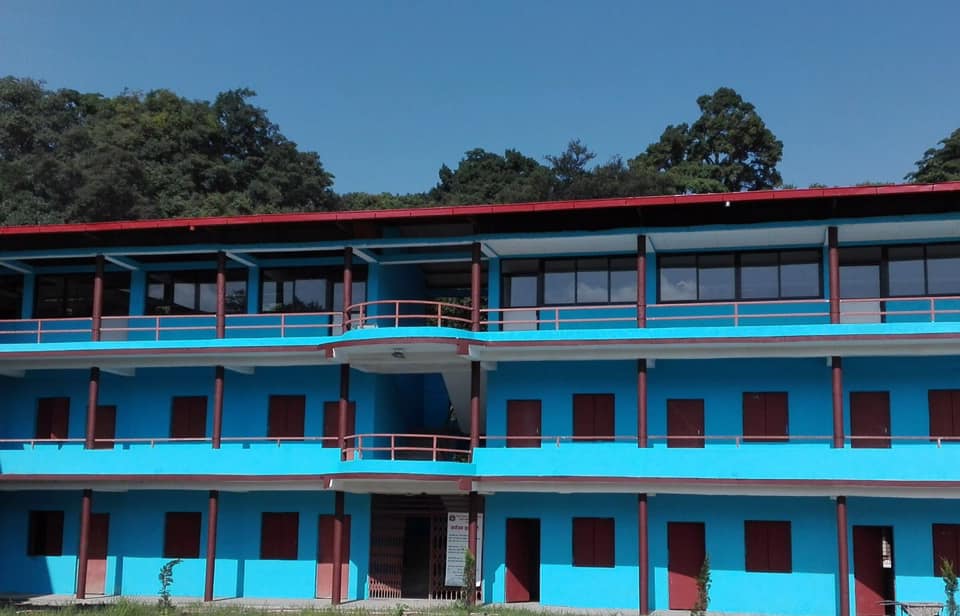
Board: National Examination Board (NEB)
Core Subjects: Compulsory English, Compulsory Nepali
Law Focus: General Law, Nepalese Legal System, General Principles & Theories of Law, Constitutional/Nepalese Law
Progression: Foundation for further legal study and entry support roles
The curriculum balances language skills and legal basics. General Law introduces core ideas and simple case reading. Nepalese Legal System covers institutions and procedures. General Principles & Theories of Law explains key concepts you meet again at higher levels. Constitutional/Nepalese Law links rights, duties, and structures with real documents and everyday examples.
You learn to read sections carefully, extract the point, and write in clear sentences. Classroom tasks strengthen note-making and short-answer writing for board-style responses.
Build a steady habit of reading statutes, rules, and notes with care.
Improve writing for applications, minutes, and short briefs.
Prepare you for BA/LLB tracks and other legal-adjacent bachelor options.
Students move to bachelor-level study in law or related fields. Many join offices that need record keeping, form checks, or help desks while continuing higher study. The stream fits learners who value precision, patience, and a calm approach to documents.
Explain the difference between rules, procedures, and rights in plain words.
Summarize a section or clause without changing its meaning.
Prepare short notes, letters, and meeting minutes with correct terms.
Use a simple checklist to review forms before submission.
Legal Reading: Section marking, keywords, side notes
Writing for Office Use: Letters, applications, brief memos
Civics Basics: Institutions, roles, and document flow
Presentation: Two–three slide summaries with clear headlines
Classes use short lectures, guided reading, class tests, and writing drills. Past questions show answer length and structure. Teachers hold office hours for line-by-line feedback on notes and drafts.
Read the same section twice: first for flow, second for terms.
Keep a vocabulary list for common legal words.
Practice one past question after each topic.
Eligibility: SEE or equivalent as per NEB rules.
Process: Counseling → form submission → screening per NEB/campus rules → fee payment within deadline → orientation.
SEE mark sheet and character certificate
Copy of birth certificate (where required)
Recent passport-size photographs
Other items listed in the intake notice
Clerical/Records: Filing, registers, document checks
Office Support: Front desk, information desk, basic correspondence
Legal Support (entry level): Form preparation support and scheduling under supervision
Local Administration: Basic record tasks in offices that follow set procedures
Scholarships are available for women learners, students from disadvantaged groups, and high performers. Intake notices list categories, quotas, and required documents. Submit within stated dates and keep copies for your records.
Strong language base to support legal reading and writing.
Clear law subjects that prepare you for LLB and related paths.
Practical classroom tasks that match board-style questions.
+2 Law at Kantipur Campus offers a careful start to legal study under NEB. Visit the office during counseling hours to confirm the current subject basket, seat status, and deadlines.
1) Which subjects are compulsory?
Compulsory English and Compulsory Nepali.
2) Which law subjects are included?
General Law, Nepalese Legal System, General Principles & Theories of Law, and Constitutional/Nepalese Law.
3) What is the next study step after +2 Law?
Bachelor-level legal study (such as LLB) or related bachelor tracks.
4) Are scholarships offered?
Yes. Categories and quotas appear in intake notices.
5) What documents are needed for admission?
SEE mark sheet, character certificate, photos, and other items listed in the notice.