Manmohan Memorial Purwanchal College (MMPC) is located in Birtamod-02, Jhapa, Nepal, and provides health-science technical education for students seeking entry into nursing, general medicine/health assistant practice, and pharmacy pathways under Nepal’s technical education system.
Official name: Manmohan Memorial Purwanchal College (MMPC).
Location: Birtamod-02, Jhapa, Nepal.
Contact: 9824902620; manmohan.purwanchalcollege@gmail.com
Establishment date shown on website: 2081-08-20 B.S.
Programs listed on the website: PCL Nursing, Pharmacy, General Medicine (H.A).
Seat quota:
PCL Nursing: 40 seats
Health Assistant (H.A): 40 seats
Diploma in Pharmacy: 40 seats
Scholarships: As per CTEVT scholarship categories and rules (Classified Scholarship, Merit Scholarship, Special Program).
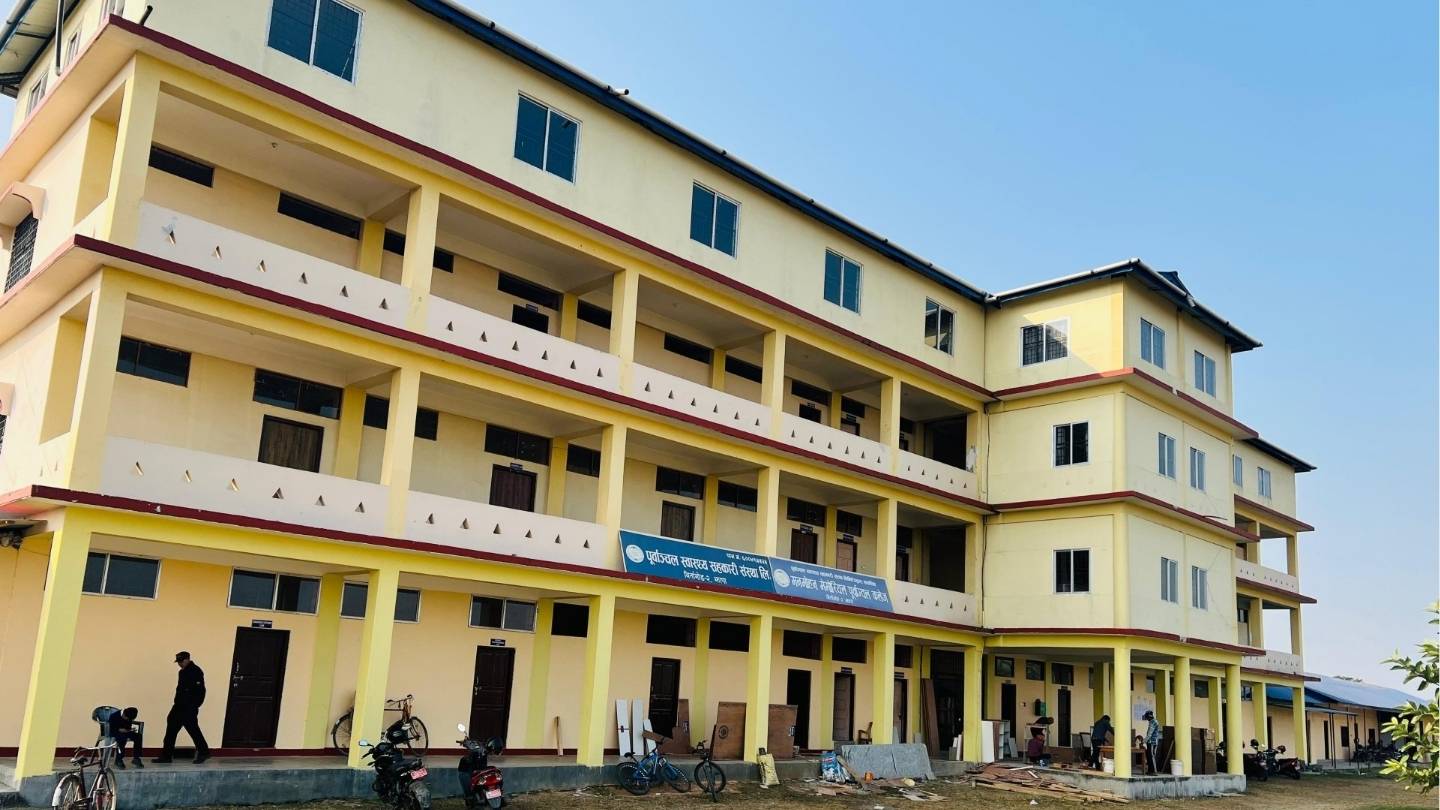
MMPC’s published program pages indicate three health-related programs under the CTEVT technical education context:
PCL Nursing is positioned as an entry route into nursing education for SEE graduates who plan to continue into clinical service settings after meeting national requirements.
Key points students usually confirm before applying:
Intake seat count and selection process (entrance-based)
Clinical practice requirements and attendance expectations
Exam and registration requirements under national nursing regulation
Seat quota: 40 seats.
The H.A program is a three-year route under the CTEVT framework and lists typical entry steps such as SEE completion, entrance exam, and document checks, with a reminder that eligibility criteria differ by year and should be verified through current CTEVT and college notices. The page also displays “Syllabus not available” in its syllabus section.
Students usually look at this program when they want a structured pathway into primary healthcare support roles in clinics and community settings, subject to licensing/registration rules and the scope of practice defined by national authorities.
Seat quota for this publication: 40 seats.
The Pharmacy program page describes the program under the CTEVT context and lists common admission requirements (SEE completion, entrance exam, documents, and basic fitness checks).
For pharmacy, applicants typically confirm:
Lab and practical session structure
Internship/field practice expectations
The pathway to licensing and registration where applicable
Seat quota: 40 seats.
Admissions into CTEVT-affiliated technical programs in Nepal generally follow an intake cycle that includes notice publication, application submission, an entrance examination, merit listing, and enrollment in the assigned or selected institute based on rules for full-fee and scholarship categories.
MMPC maintains a Notice section on its website where students can view published notices, including routine-related notices posted by the campus. The college also provides a Contact page and contact details for direct inquiry, which is important when students need current-year forms, fee sheets, and document lists.
A practical admission checklist for applicants:
Confirm the current intake notice (CTEVT and the college notice board/website).
Check eligibility requirements for the chosen program (SEE stream/grades as required in the current cycle).
Submit the application and required documents within the stated deadline.
Sit for the entrance examination as scheduled.
Follow merit list publication and enrollment instructions.
Confirm orientation date, class routine, uniform/lab requirements, and hostel process (if staying on campus).
MMPC publicly lists academic and support staff on its “Our Team” section, including instructors and academic roles, which helps students understand whether the campus has dedicated staff for teaching, student support, and administration.
In technical health programs, learning outcomes depend on how theory, skills practice, and supervised field exposure are scheduled.
Students can expect a pattern that typically includes:
Classroom learning for core concepts and applied knowledge
Practical sessions (lab/skills-based) aligned with the program structure
Continuous internal assessment through assignments, practical checks, and periodic exams
Professional conduct expectations: attendance, discipline, documentation, and safe practice norms
Classrooms, practical spaces, student support systems, and basic services that allow students to attend, study, and complete practical requirements.
Several operational signals are visible:
The college maintains a structured staff listing that includes not only instructors but also roles such as librarian, office assistants, security guards, cooks, and hostel-related roles (warden, house mother).
The college provides web sections for notices, routines, and results, which can reduce dependency on physical notice boards for routine updates.
For students, the facility-related questions that matter most are these:
Is there a library or reading space and a responsible staff member for it? The college staff list includes a librarian role.
Are there hostel supervision arrangements? The staff list includes a warden and a house mother role, and hostel availability has been confirmed for this publication.
How are schedules communicated? The Notice section includes routine-related postings.
Student experience in health programs is shaped by schedule intensity, attendance rules, and practical requirements. In diploma and certificate-level technical education, a typical week includes regular classes plus practical sessions and internal assessment activities.
Students and parents usually evaluate college life through these lenses:
Daily routine clarity (class timing, exam calendar, notice reliability)
Academic support access (instructor availability, coordination roles, administrative responsiveness)
Living support (hostel availability, supervision, basic safety and discipline rules)
Because MMPC’s website has structured menus for routine and results, students can plan around published schedules and check result updates through official channels rather than relying only on informal messaging.
Health programs leave limited free time during peak academic periods, but ECAs still matter. Students benefit most from activities that align with their learning and professional conduct expectations, such as:
First-aid and basic life support refreshers (within allowed training settings)
Health awareness and community outreach events (within institutional guidelines)
Public speaking, teamwork, and student leadership activities through campus clubs or committees
Sports and wellness activities that support routine discipline and stress management
Scholarship information is referenced through CTEVT’s official scholarship categories and rules, not third-party summaries.
CTEVT’s “Quotas & Scholarships” page outlines three main categories: Classified Scholarship, Merit Scholarship, and Special Program.
CTEVT describes Classified Scholarship as targeted support for students from defined priority groups (including community/government school backgrounds and several disadvantaged categories). Applications are collected through selected institutes and provincial offices, and entrance exam performance and category rules are used for allocation.
CTEVT also states a quota-linked expectation for classified scholarship seats: for programs with a quota of 40, the institute is liable to provide classified scholarship to three students.
Since MMPC’s seat quota for each program is 40 (as provided for this publication), applicants who qualify under classified categories should confirm:
Whether the current intake has classified scholarship seats in their program
The application route and required documents for category verification
Province-level procedures for selection and placement
CTEVT describes Merit Scholarship as support for one best-performing student in each program of the entrance exam among full-fee applicants, with scholarship continuity in later years tied to prior results.
Students should confirm the exact continuation criteria in the current year’s official notice and the campus academic rules.
CTEVT describes a Special Program that selects students from specific groups and regions through a separate entrance process and includes fee waiver with hostel and fooding in predefined institutes under that program’s rules.
Applicants should treat this as a separate channel and follow the published eligibility and institute list for that year.
MMPC’s website shows it is actively maintaining core institutional pages such as program listings, staff listings, notices, and an online result interface. For a newer institution, these operational systems matter because they support transparency in routine communication and basic academic administration.
A factual milestone point visible on the official site is the establishment date displayed as 2081-08-20 B.S.
Instead of relying on slogans, students can make a decision by checking verifiable factors that affect learning and day-to-day feasibility:
Program match: PCL Nursing, General Medicine (H.A), or Pharmacy, aligned with your career pathway and eligibility.
Seat availability: 40 seats per program (as provided for this publication).
Scholarship route: confirm whether you are applying as full-fee, classified scholarship candidate, or under a special scholarship channel per CTEVT rules.
Hostel needs: hostel facility is available (as provided for this publication); confirm capacity, rules, and supervision details with the administration.
Academic transparency: check whether notices, routines, and results are published in clear formats and updated on time.
MMPC publishes leadership messages on its website, including a campus chief message by Sristi Subedi (Campus Chief) and a chairman’s message by Naresh Kharel referencing Purwanchal Health Cooperative Ltd.
For readers, the key value of these messages is institutional accountability: names, roles, and the stated linkage between the educational program and broader community health goals are presented as official content on the campus website.
Manmohan Memorial Purwanchal College (MMPC) in Birtamod-02, Jhapa offers health-science technical programs (PCL Nursing, General Medicine/H.A, and Pharmacy) with a seat quota of 40 per program for this publication, and hostel facility availability. The college maintains public pages for notices and an online result interface, and it lists staff roles that reflect day-to-day campus operations.
For admission and scholarships, applicants should rely on the current official intake notices and CTEVT scholarship rules, then confirm campus-specific processes directly through the official contact channels.
The college address shown on the official website is Birtamod-02, Jhapa, Nepal.
The official website lists program pages for PCL Nursing, Pharmacy, and General Medicine (H.A).
For this publication, the seat quota provided is:
PCL Nursing: 40 seats
General Medicine (H.A): 40 seats
Diploma in Pharmacy: 40 seats
CTEVT lists three main scholarship categories: Classified Scholarship, Merit Scholarship, and Special Program.
Applicants should confirm the current year’s eligibility rules and application steps through official notices.
Yes. Hostel facility availability has been confirmed for this publication. The campus staff listing also includes hostel-related roles (warden and house mother), which supports the presence of hostel operations.