Overview
Rajdhani Campus is a Tribhuvan University–affiliated institution located in Dhumbarahi, Sukedhara, Kathmandu. The campus offers undergraduate programs such as BBS, BASW, BA (Major English), and BCA. With a steady academic culture and a learner-first approach, the campus serves students from Nepal and abroad who seek reliable, structured higher education in management, social sciences, humanities, and computing.

Quick Highlights
-
Affiliation: Tribhuvan University (TU)
-
Location: Dhumbarahi, Sukedhara, Kathmandu, Nepal
-
Programs: BBS, BASW, BA (Major English), BCA
-
Academic Focus: Management, Social Work, Humanities, Computing
-
Learning Approach: Classroom teaching combined with projects, field visits, and practice-based work
-
Facilities: Library, computer labs, seminar rooms, cafeteria, basic health support, transport services, safety systems
-
Assessment: Term-wise evaluations with ongoing coursework and periodic tests
-
Student Support: Need- and merit-oriented fee support as per policy; counseling and mentoring
-
Minimum Attendance: As per campus policy (typically 90% of total classes)
Academic Programs Offered
BBS (Bachelor of Business Studies)
BBS prepares students for entry-level roles in accounting, finance, banking, entrepreneurship, and administration. The curriculum follows TU’s structure with core courses in accounting, economics, business law, and organizational studies.
Students practice financial reporting, basic data handling, and case-based decision scenarios. Guest interactions and small projects help connect theory with local business practice.
Who it suits: Learners aiming for accounting jobs, banking tests, business operations, family business management, or graduate studies in management.
Learning outputs (indicative):
-
Prepare and interpret basic financial statements
-
Apply business law and tax fundamentals in routine cases
-
Use spreadsheets and simple analytics for reports
-
Present short business plans and team projects
BASW (Bachelor of Arts in Social Work)
BASW focuses on community engagement, social welfare systems, and evidence-informed practice. Fieldwork is part of study planning, helping students build interviewing, documentation, and program-support skills.
Students learn Nepali social policy context, community mapping, case notes, and report writing, with emphasis on ethics and confidentiality.
Who it suits: Learners seeking roles in NGOs/INGOs, community programs, public schools, local governance support, or further study in social work and development.
Learning outputs (indicative):
-
Conduct basic needs assessments and community profiling
-
Write structured case notes and short evaluation summaries
-
Support awareness campaigns and referral processes
-
Follow safety, safeguarding, and documentation standards
BA (Major English)
The BA program strengthens reading, writing, and analytical skills through literature and language studies. Students work on critical interpretation, research summaries, and academic writing projects.
The major develops clarity in argumentation and editing skills helpful for teaching, editorial work, content roles, and public communication.
Who it suits: Learners aspiring to careers in teaching, writing, media, and cultural studies, or postgraduate study in humanities.
Learning outputs (indicative):
-
Write clear analytical essays and reviews
-
Present seminars with coherent structure and sources
-
Edit documents for grammar, usage, and style
-
Build a small portfolio of written and oral work
BCA (Bachelor of Computer Applications)
BCA covers programming logic, databases, networks, and web/application fundamentals. Practical sessions run in the computer lab, and students complete mini-projects to apply concepts such as version control, UI basics, and data management.
The program encourages disciplined coding habits and documentation.
Who it suits: Learners aiming for junior developer roles, IT support, QA/testing, or further study in computing.
Learning outputs (indicative):
-
Write and test basic programs following clear style guidelines
-
Design normalized database schemas and write SQL queries
-
Create simple web/app prototypes and documentation
-
Work in teams using standard project workflows
Admission Process
Admissions follow Tribhuvan University regulations for each faculty. The campus publishes an annual call with key dates, forms, and fee details.
Typical steps:
-
Form submission: Online or in-person form with academic records from Grade 11–12 (or equivalent).
-
Eligibility: As per TU faculty rules for each program. BCA usually includes a faculty-run entrance exam. BBS, BASW, and BA follow TU eligibility standards with campus-level evaluation.
-
Merit & counseling: Shortlisting by academic results and, where applicable, test scores and interviews.
-
Offer & enrollment: Document verification, fee payment within the stated period, and orientation.
Notes: Seat numbers, quotas, and any reservation policies are published in the campus notice. Applicants should check TU faculty notices (Management; Humanities and Social Sciences) for the current intake cycle.
Teaching Faculty and Learning Methodology
Faculty members bring classroom teaching and project supervision together. Teaching uses lectures, guided discussions, debates, role play, group tasks, and short presentations.
For BASW, field exposure is organized with partner organizations where possible. For BCA, lab-based practice, code reviews, and mini-projects are part of the semester rhythm. Across all programs, students learn citation basics and academic integrity.
Assessment mix:
-
Periodic tests and quizzes
-
Assignments, presentations, and reports
-
Term evaluations aligned with TU’s annual or semester plan
-
Practical/lab work where applicable
Infrastructure and Learning Facilities
-
Library: Course texts, reference titles, journals/periodicals, and a reading area. Cataloguing and borrowing rules are shared at orientation.
-
Computer Labs: BCA-friendly labs with internet access, development tools, and supervised practical hours.
-
Seminar & Classrooms: Spaces for workshops, guest sessions, and student presentations.
-
Health & Safety: Basic infirmary support with periodic doctor visits; first-aid readiness during events. Campus maintains attendance monitoring and CCTV coverage.
-
Cafeteria: Hygienic meal service guided by the campus health policy.
-
Transportation: Route-based transport for students where available.
-
Assistive Support: Case-by-case support for students with specific needs in line with campus policy.
Student Life and Campus Experience
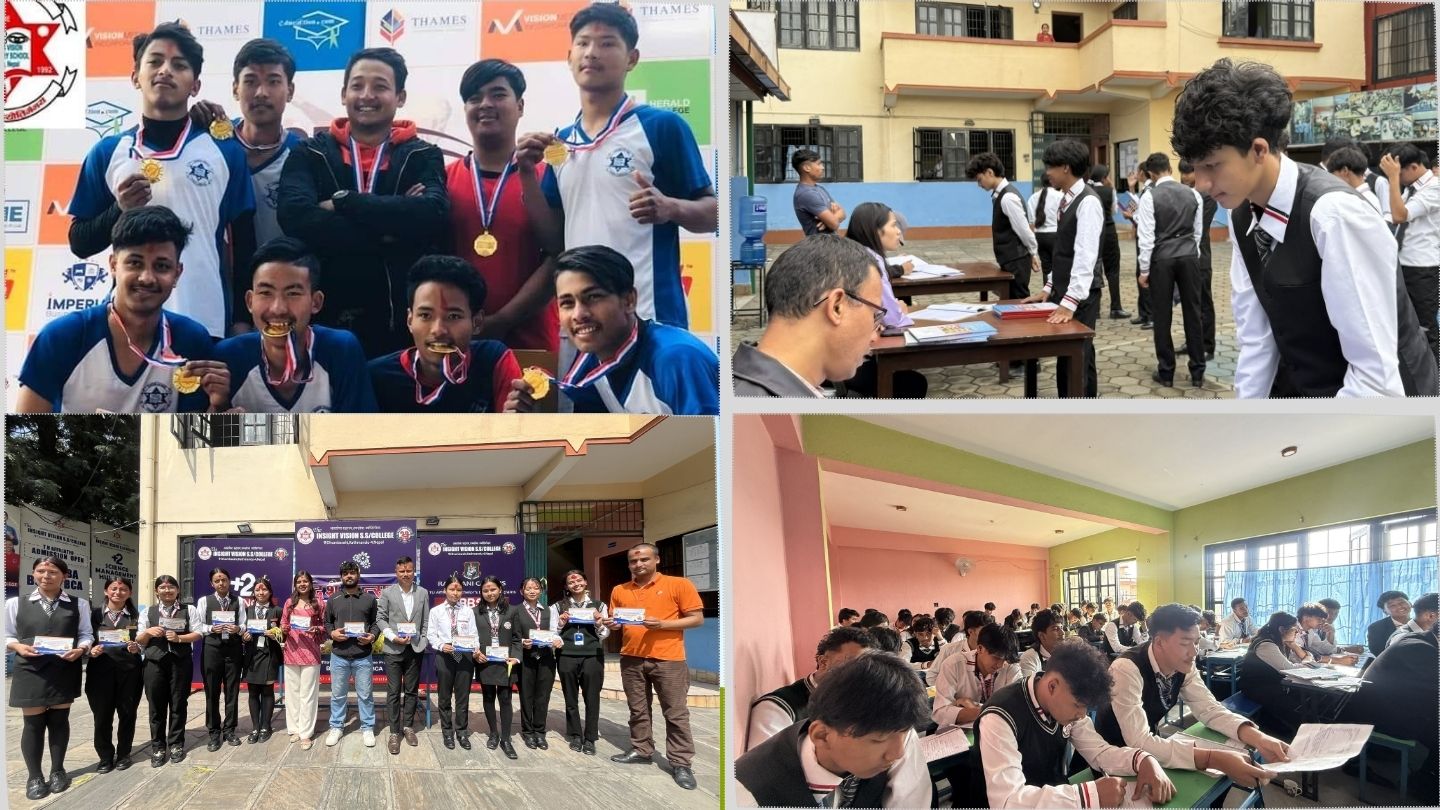
Campus life balances academic work with peer learning and community engagement. Students participate in study circles, reading clubs, peer-mentoring for first-year students, and soft-skills sessions on communication and presentation.
For BASW, outreach activities strengthen community awareness. For BBS and BCA, project showcases allow students to present work and receive feedback.
Attendance: Students are expected to meet the campus minimum (commonly 90%). Consistent attendance supports internal assessments and lab/project milestones.
Extracurricular Activities (ECA)
-
Clubs: Literature, IT, social work, and entrepreneurship clubs run short events and mini-projects.
-
Sports & Culture: Interclass games, music and dance activities, and festival events.
-
Community Work: Clean-up drives, awareness sessions, and school outreach coordinated with local bodies and organizations.
-
Talk Series: Guest speakers from industry, NGOs, and public service share practice-based insights.
Scholarships and Financial Support
The campus provides need- and merit-oriented fee support within policy and legal frameworks. Short-term fee waivers or assistance may be available for students facing hardship, subject to documentation and committee review. Notices specify criteria, deadlines, and required forms.
Common categories:
-
Academic performance in prior exams or internal assessments
-
Financial need verified through documents
-
Quotas aligned with TU rules and national guidelines, where applicable
Achievements and Institutional Milestones
Rajdhani Campus has a long-standing presence in Kathmandu’s higher-education ecosystem. Graduates work across banking and accounting, community programs, schools, media, and entry-level IT roles.
Student teams have presented class projects, participated in local events, and contributed volunteer hours to community activities. The campus continues to expand reading lists, lab software, and outreach partnerships consistent with TU curricula.
Why Study in Rajdhani Campus?
-
TU Affiliation: Recognized TU curricula across management, social sciences, humanities, and computing.
-
Balanced Learning: Classroom theory supported by projects, labs, and field exposure.
-
Location Advantage: Dhumbarahi–Sukedhara access with local transport options.
-
Structured Assessment: Clear term planning and consistent evaluation.
-
Student Support: Counseling, mentoring, attendance tracking, and fee support within policy.
-
Facilities: Library resources, computer labs for BCA, seminar rooms, hygienic cafeteria, and safety systems.
Conclusion
Rajdhani Campus offers TU-affiliated undergraduate study in BBS, BASW, BA (Major English), and BCA with steady teaching, practical tasks, and academic support. The campus maintains a predictable academic calendar, clear assessments, and facilities suited to program needs. For prospective students and families comparing options in Kathmandu, this profile summarizes core facts—programs, admissions flow, learning approach, facilities, student life, and support—so decisions can be based on clear, verifiable information.