Advanced College of Engineering and Management (ACEM) is a private college in Kathmandu affiliated with Tribhuvan University. Established in 2000 AD (2057 BS), ACEM is located at Bhuwaneshwari Marg, Kalanki-14, Kathmandu, Nepal.
The college offers undergraduate programs in Civil Engineering, Electrical Engineering, Computer Engineering, Electronics, Communication and Information Engineering, and Bachelor of Computer Application (BCA). Its four engineering programs operate under the academic framework of the Institute of Engineering (IOE), Tribhuvan University, while BCA comes under the Faculty of Humanities and Social Sciences (FoHSS), Tribhuvan University.
The distinction between these academic authorities is important. Engineering admission, curriculum, examinations, and degree requirements follow the applicable TU/IOE rules, while BCA follows the academic framework prescribed by TU through FoHSS. Tribhuvan University is the degree-awarding university for all five programs.
| Particular | Details |
|---|---|
| Official Name | Advanced College of Engineering and Management |
| Abbreviation | ACEM |
| Established | 2000 AD (2057 BS) |
| Institution Type | Private, TU-affiliated college |
| Location | Bhuwaneshwari Marg, Kalanki-14, Kathmandu, Nepal |
| University Affiliation | Tribhuvan University |
| Engineering Academic Authority | Institute of Engineering (IOE), TU |
| BCA Academic Authority | Faculty of Humanities and Social Sciences (FoHSS), TU |
| Degree-Awarding University | Tribhuvan University |
| Engineering Regulatory Context | Nepal Engineering Council |
| Academic Level | Undergraduate |
ACEM was established with a primary academic focus on engineering education. Its affiliation with Tribhuvan University places the college within a university-controlled academic system. ACEM is an affiliated college rather than a constituent campus of TU or an independent degree-awarding university.
Engineering remains the central academic area of the institution. Civil Engineering, Computer Engineering, Electrical Engineering, and Electronics, Communication and Information Engineering form its engineering portfolio. The college also offers BCA under a separate academic authority within Tribhuvan University.
This difference matters for students considering programs at the same institution. A BE student follows the TU/IOE academic system, while a BCA student follows FoHSS regulations. Entrance procedures, curriculum structures, examinations, and other academic requirements therefore depend on the program.
ACEM's academic environment also includes laboratory work, projects, research-related activities, technical participation, publications, conferences, and student organizations. These activities complement the formal curriculum prescribed by Tribhuvan University.
ACEM is affiliated with Tribhuvan University (TU), which awards the degrees completed through the college.
For engineering programs, the Institute of Engineering is the relevant academic authority within TU. Engineering entrance procedures, curriculum, academic regulations, assessment systems, examinations, and degree requirements operate under the TU/IOE framework.
ACEM provides the teaching environment for its engineering students through classrooms, laboratories, practical sessions, academic departments, projects, and related institutional activities. University-level requirements remain governed by TU and IOE.
BCA follows a different academic route. The program comes under the Faculty of Humanities and Social Sciences, Tribhuvan University. Its entrance process, curriculum, examinations, and academic requirements are governed through FoHSS.
The academic relationship can be understood through three roles:
This structure means that eligibility, entrance, curriculum, assessment, examinations, progression, and degree completion are governed by the rules applicable to each TU program.
ACEM offers five undergraduate programs affiliated with Tribhuvan University.
| Program | Seats | Academic Framework |
|---|---|---|
| Bachelor of Civil Engineering | 96 | TU / IOE |
| Bachelor of Electrical Engineering (BE) | 48 | TU / IOE |
| Bachelor of Computer Engineering | 96 | TU / IOE |
| Bachelor of Electronics, Communication and Information Engineering | 96 | TU / IOE |
| Bachelor of Computer Application (BCA) | 35 | TU / FoHSS |
The Bachelor of Civil Engineering program follows the TU/IOE engineering curriculum. Its academic structure begins with foundation subjects in mathematics, science, computing, electrical and electronics concepts, engineering mechanics, geology, and civil engineering materials before progressing into discipline-specific study.
Subjects within the program include areas such as structural engineering, surveying, fluid mechanics, hydraulics, soil mechanics, foundation engineering, construction-related study, water supply engineering, building technology, design, and other civil engineering subjects prescribed by IOE.
The program includes practical and applied components alongside classroom study. Laboratory work, engineering drawing, surveying activities, field-related work, and projects form part of the academic structure where prescribed by the curriculum.
This combination of theoretical and practical study reflects the broader TU/IOE engineering framework followed by ACEM.
Bachelor of Electrical Engineering is offered under the TU/IOE academic system with 48 seats.
Students follow the curriculum, assessment structure, practical requirements, examination process, and degree regulations prescribed for the program by Tribhuvan University through IOE.
The program combines foundational engineering subjects with discipline-specific study, laboratory work, and project requirements. Academic progression and completion remain subject to the applicable university regulations.
Bachelor of Computer Engineering is offered with 96 seats under TU/IOE.
The program is part of the engineering academic system and is therefore different from BCA, even though both involve computing-related study. Computer Engineering follows the IOE entrance route, engineering curriculum, laboratory requirements, semester examinations, and degree regulations prescribed by Tribhuvan University.
Students complete theoretical, practical, laboratory, and project work according to the structure of the engineering degree.
This distinction is especially relevant for students comparing Computer Engineering and BCA at ACEM. The two programs belong to different academic authorities within Tribhuvan University and follow different admission and curriculum frameworks.
ACEM offers Bachelor of Electronics, Communication and Information Engineering with 96 seats.
The program comes under TU/IOE and follows the university's engineering curriculum, assessment arrangements, practical requirements, examinations, and degree regulations.
Students complete classroom subjects together with laboratory and project components required by the curriculum. Academic activities related to electronics and computer fields are also connected with the college's Electronics & Computer Engineering departmental structure.
BCA is the non-engineering undergraduate program offered by ACEM. It comes under the Faculty of Humanities and Social Sciences, Tribhuvan University, rather than IOE.
The program is structured across four academic years and eight semesters with 130 credits. English is the medium of instruction and examination.
The curriculum combines computer application study with theoretical and practical academic requirements prescribed by Tribhuvan University. Practical assessment applies to relevant subjects as part of the program structure.
ACEM has 35 seats for BCA.
Because BCA is governed through FoHSS, its entrance process, academic regulations, curriculum, assessment, examinations, and degree requirements differ from those of the college's engineering programs.
Admission at ACEM depends on the academic program because engineering and BCA come under different bodies of Tribhuvan University.
Admission to the four BE programs follows the TU/IOE entrance and merit framework. It is not based on an independent engineering entrance system created by ACEM.
The general admission route includes:
This academic route applies to Civil Engineering, Electrical Engineering, Computer Engineering, and Electronics, Communication and Information Engineering.
Eligibility, entrance, admission, curriculum, examinations, academic progression, and degree completion are governed by the applicable Tribhuvan University and Institute of Engineering rules.
BCA follows a separate entrance process under the Faculty of Humanities and Social Sciences, Tribhuvan University.
Applicants must meet the academic eligibility requirements prescribed for BCA and complete the entrance examination administered through the concerned Dean's Office under FoHSS.
Admission is based on the applicable university merit process.
The distinction between BCA and engineering admission is therefore clear:
| Area | BE Programs | BCA |
|---|---|---|
| Academic Authority | IOE, Tribhuvan University | FoHSS, Tribhuvan University |
| Entrance Framework | IOE | FoHSS |
| Degree Award | Tribhuvan University | Tribhuvan University |
Students considering both Computer Engineering and BCA should take this difference into account because the two programs do not share the same entrance or academic structure.
ACEM follows the curriculum prescribed by Tribhuvan University for its affiliated programs. The engineering programs operate under TU/IOE, while BCA follows the TU/FoHSS curriculum.
The engineering programs are structured across four years and eight semesters.
Depending on the subject, the curriculum incorporates:
The Civil Engineering curriculum demonstrates this progression from foundation to specialization. Early courses include Engineering Mathematics, Engineering Chemistry, Computer Programming, Basic Electrical and Electronics Engineering, Engineering Mechanics, Engineering Geology, and Civil Engineering Materials.
Later study includes subjects such as Strength of Materials, Engineering Survey, Fluid Mechanics, Theory of Structures, Concrete Technology, Hydraulics, Soil Mechanics, Water Supply Engineering, Building Technology, and other civil engineering subjects.
The structure combines conceptual study with practical requirements rather than relying on classroom instruction alone.
BCA is also semester-based. Its 130-credit curriculum extends across eight semesters and combines academic study with practical components and assessments in relevant subjects.
Assessment is governed by the academic regulations of the relevant Tribhuvan University body.
Engineering programs include internal and practical evaluation together with semester examinations under the TU/IOE system. Laboratory exercises, projects, and other academic requirements are assessed where they form part of the curriculum.
BCA follows the FoHSS/TU assessment system. Its academic structure includes internal assessment and external examination, with practical assessment in relevant subjects.
Students must satisfy the applicable academic, assessment, attendance, and examination requirements for progression and completion.
The examination system is therefore part of the university framework rather than a separate degree examination system established independently by ACEM.
Tribhuvan University awards the degrees completed through ACEM.
ACEM functions as the affiliated teaching college, while TU remains the degree-awarding university. This arrangement applies to all four BE programs and BCA.
Successful completion therefore depends on meeting the curriculum, assessment, examination, and other academic requirements prescribed by the relevant TU authority.
The Nepal Engineering Council (NEC) is relevant to the regulatory context of engineering education and professional engineering registration in Nepal.
Its role is separate from the roles of ACEM, IOE, and Tribhuvan University.
Completion of an engineering degree and professional registration are therefore separate processes. Engineering graduates must meet the applicable NEC requirements when seeking professional registration.
BCA is not an engineering degree and does not fall under this engineering registration framework.
ACEM's academic organization reflects the programs taught at the college.
Academic areas include Civil Engineering, Electrical Engineering, Computer Application, and the computer and electronics disciplines.
The Department of Electronics & Computer Engineering covers academic activities associated with Computer Engineering and Electronics, Communication and Information Engineering. The Department of Applied Sciences supports foundational subjects in science and mathematics used across engineering programs.
These departments provide the immediate academic setting for teaching, laboratory work, technical activities, faculty interaction, and project supervision.
University authority over curriculum, examinations, and degree requirements remains with Tribhuvan University and the relevant academic body.
Laboratory and practical work form part of engineering study at ACEM where required by the TU/IOE curriculum.
Engineering students complete academic activities that may include:
These activities are linked to the requirements of specific courses and engineering disciplines.
ACEM also has library and academic learning spaces that support classroom and independent study.
BCA includes practical assessment in relevant computer application courses as prescribed by its TU curriculum.
Research and project activities are part of ACEM's broader academic environment.
The college has a Research and Innovation Unit and publication activity associated with engineering and academic work.
The Journal of Advanced College of Engineering and Management (JACEM) is among the college's academic publications. ACEM has also organized the Science, Engineering and Technology conference, with conference activity dating from 2016.
Final-year projects provide another academic component for engineering students. Project work allows students to complete the applied requirements included in their degree structure.
The college has also used project publications and related academic activities to record and present student and faculty work.
These activities operate alongside the formal university curriculum and do not replace the academic requirements prescribed by Tribhuvan University.
Student participation at ACEM extends beyond regular classes and examinations.
Technical and academic organizations associated with the college include groups connected with robotics, computer and electronics projects, and civil engineering students.
Students also participate in seminars, workshops, competitions, technical programs, and other college activities.
Such activities provide opportunities for students to work collaboratively, take part in projects, and engage with interests related to their academic disciplines.
They remain separate from the formal credit and examination requirements of the TU curriculum unless incorporated into a prescribed academic component.
ACEM also supports student participation in sports and extracurricular activities.
Activities associated with college life include:
Inter- and intra-college participation forms part of this extracurricular environment.
These activities sit outside the core university curriculum and provide students with opportunities to participate in team and individual pursuits alongside their academic studies.
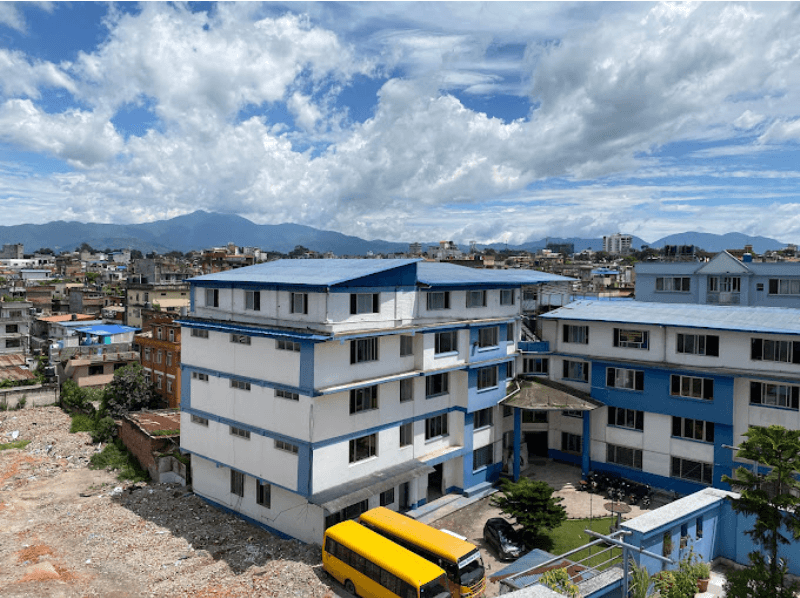
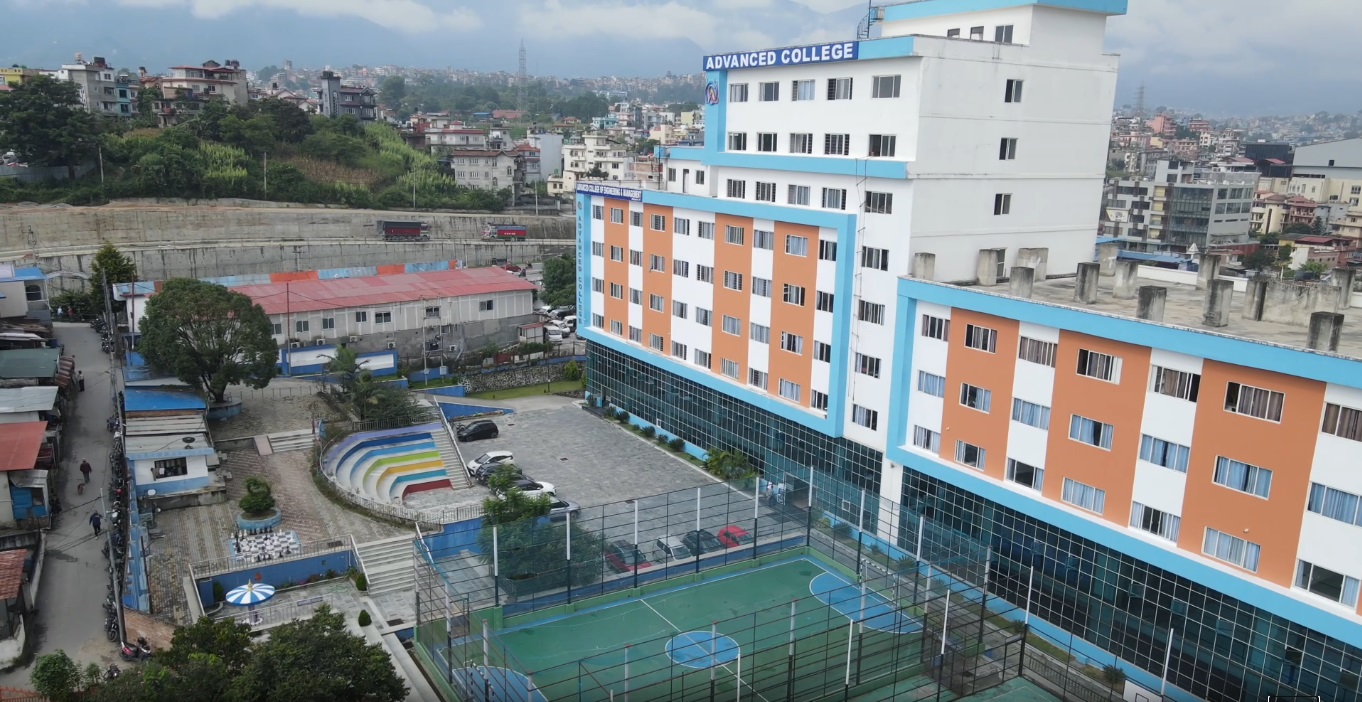
ACEM operates from Bhuwaneshwari Marg, Kalanki-14, Kathmandu.
Its academic environment includes classrooms, laboratories, departmental spaces, project activities, library resources, and areas used for academic and student programs.
The college's teaching model is closely tied to the requirements of the programs it delivers. Engineering students use practical and laboratory components as required by IOE curricula, while BCA students complete the practical and assessment requirements applicable to their course structure.
The campus therefore functions as the place where the university curriculum is delivered through lectures, practical sessions, projects, student activities, and department-based academic work.
Students comparing the programs at ACEM should distinguish between the engineering route and the BCA route.
The four engineering programs are part of the TU/IOE system. Their entrance process, curriculum, practical requirements, examinations, and academic progression follow the Institute of Engineering framework.
BCA belongs to FoHSS. Its entrance process, 130-credit curriculum, assessment system, examinations, and degree requirements follow the academic framework prescribed for BCA by Tribhuvan University.
The programs are therefore connected through the same university and college but remain academically distinct.
This is particularly relevant when comparing Bachelor of Computer Engineering with BCA. Both involve computing-related study, but one is an engineering degree under IOE and the other is a computer application degree under FoHSS.
ACEM is located at Bhuwaneshwari Marg, Kalanki-14, Kathmandu, Nepal.
College: Advanced College of Engineering and Management (ACEM)
Location: Bhuwaneshwari Marg, Kalanki-14, Kathmandu, Nepal
Phone: +977-1-5234288, +977-1-5234128, +977-1-5234187
Email: info@acem.edu.np
Website: www.acem.edu.np
Yes. ACEM is affiliated with Tribhuvan University. Its engineering programs operate under the Institute of Engineering, while BCA operates under the Faculty of Humanities and Social Sciences.
ACEM offers Bachelor of Civil Engineering, Bachelor of Electrical Engineering, Bachelor of Computer Engineering, and Bachelor of Electronics, Communication and Information Engineering.
ACEM has 96 seats in Civil Engineering, 48 in Electrical Engineering, 96 in Computer Engineering, 96 in Electronics, Communication and Information Engineering, and 35 in BCA.
Engineering admission follows the TU/IOE entrance and merit framework. Applicants must satisfy the applicable eligibility requirements and complete the IOE entrance process before proceeding through the relevant college admission procedure.
No. BCA comes under the Faculty of Humanities and Social Sciences, Tribhuvan University. Its entrance process is administered through the FoHSS framework rather than IOE.
The engineering programs follow a four-year, eight-semester structure under TU/IOE. BCA is also structured over four years and eight semesters and carries 130 credits.
Tribhuvan University awards the degrees. ACEM is the affiliated teaching college.
Yes. The engineering curricula include laboratory, practical, drawing, field-related, design, and project components where prescribed.
No. Completion of an engineering degree and professional registration are separate matters. Graduates must meet the applicable Nepal Engineering Council requirements for registration.
Yes. Practical assessment applies to relevant BCA courses under the TU curriculum.