Tribhuvan University (TU): Academic Structure, Programs and Student Guide
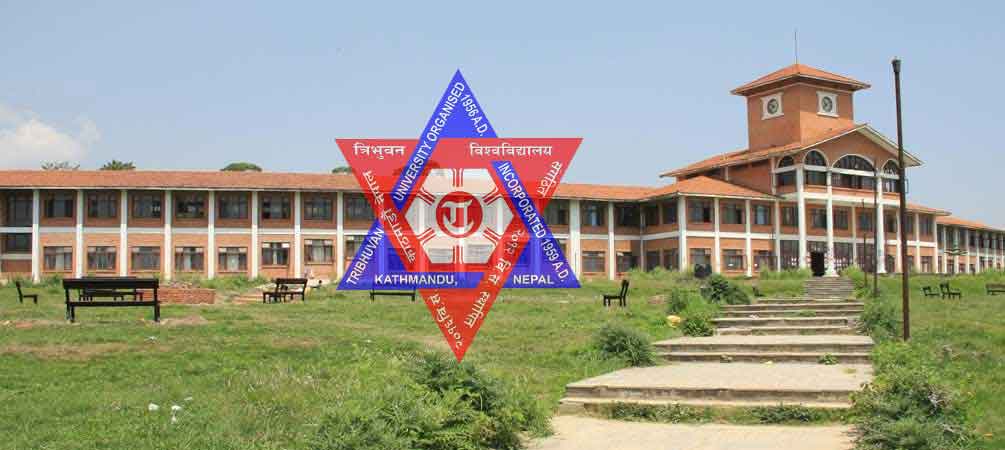
Tribhuvan University (TU) is a public university headquartered in Kirtipur, Kathmandu, Nepal. Established in 1959, TU functions through a broad academic network rather than through a single campus or one common administrative route. Its structure includes five institutes, four faculties, central departments, schools, constituent campuses, affiliated colleges, four research centers, and central academic and administrative offices.
For students, this structure shapes how programs, admissions, entrance examinations, curricula, examinations, results, and certificate services are handled. The responsible office can differ according to the program and academic unit. Understanding where a course sits within the university is therefore one of the most practical starting points for anyone planning to study under Tribhuvan University.
Quick Highlights
| Field |
Information |
| University |
Tribhuvan University (त्रिभुवन विश्वविद्यालय) |
| Abbreviation |
TU |
| Institution type |
Public university |
| Established |
1959 |
| Headquarters |
Kirtipur, Kathmandu, Nepal |
| Institutes |
5 |
| Faculties |
4 |
| Research centers |
4 |
| Academic network |
Central departments, schools, constituent campuses and affiliated colleges |
| General phone |
01-4330346 |
| General email |
info@tu.edu.np |
About Tribhuvan University
Tribhuvan University operates as a university system with several levels of academic and administrative responsibility. Its central administration is based in Kirtipur, while teaching and academic activities extend through institutes, faculties, departments, schools, constituent campuses, and affiliated institutions.
For students, the university name is only the first part of the academic route. A student interested in engineering deals with the Institute of Engineering for many program-specific matters. A law applicant follows the Faculty of Law. Students studying through a constituent campus or affiliated college may receive admission and class-related information from that institution while examinations, curricula, or academic records are managed through another TU unit.
This structure means that admissions, entrance examinations, curricula, examination routines, results, and academic services are not governed through one identical process for every course. The institute, faculty, Dean's Office, central department, school, campus, or college responsible for the program must be identified before a student acts on program-specific information.
TU's network also changes over time. Figures such as the total number of affiliated colleges, students, staff, and other administrative counts can vary between institutional records and reporting periods. For an evergreen understanding of the university, its academic structure is more reliable than fixing changing totals into a permanent description.
History and Institutional Setting
Tribhuvan University was established in 1959 and is headquartered in Kirtipur, Kathmandu. Its establishment date is recorded as June 25, 1959, corresponding to 11 Ashar 2016 BS.
The university developed from a central higher education institution into a system containing specialized academic units, campuses, departments, schools, and affiliated colleges. Kirtipur became the central setting for administration and several academic units, while TU's teaching network expanded beyond the central location.
Today, the university combines a central institutional base with academic activity distributed across multiple units and institutions. Students may study under the same university while belonging to different faculties, institutes, campuses, or colleges and following different academic procedures.
That decentralized structure is one of the defining features of TU. It allows many academic fields to be organized under one university while assigning responsibility for programs and student processes to specialized units.
Academic Structure of Tribhuvan University
Tribhuvan University's major academic structure consists of five institutes and four faculties. These nine units provide a practical starting point for understanding where different fields of study are administered.
Five Institutes
The five institutes are:
Four Faculties
The four faculties are:
TU also operates through central departments, schools, campuses, research centers, and other academic and administrative units. A program may therefore belong to a broad faculty or institute while being delivered through a specific department, school, campus, or affiliated college.
Institute of Agriculture and Animal Science (IAAS)
The Institute of Agriculture and Animal Science is the TU academic unit associated with agriculture and animal-science education. It forms one of the university's five institutes and provides a separate academic route for these areas of study.
Agriculture and animal-science students need to identify the exact program and institution within this structure. A program may be connected with a particular campus or academic unit, and admission procedures depend on that arrangement.
The academic scope associated with this field includes agriculture and veterinary and animal-science study. Programs named within TU's broader academic offering include BSc Agriculture and Bachelor of Veterinary Science and Animal Husbandry.
For prospective students, the useful sequence is to identify the program first, determine where it is offered, and then follow the admission and academic information connected with that program.
Institute of Engineering (IOE)
The Institute of Engineering is Tribhuvan University's academic unit for engineering education. Its structure covers engineering and related technical fields, including civil, electrical, electronics and computer, mechanical, architecture, applied sciences, agricultural engineering, and geomatics engineering.
Engineering under TU illustrates why university-level information and institute-level information need to be separated. Entrance procedures, program availability, curricula, campus choices, and examination arrangements depend on the engineering academic structure.
Programs associated with TU's engineering scope include Civil Engineering, Computer Engineering, Electrical Engineering, Mechanical Engineering, Architecture, Geomatics Engineering, Automobile Engineering, Aerospace Engineering, Chemical Engineering, Industrial Engineering, Electronics, Communication and Information Engineering, and Agricultural Engineering.
A student considering engineering should identify the exact program and institution before using any entrance or admission information. A procedure attached to one engineering program or academic cycle should not be assumed to apply automatically to another.
Institute of Forestry (IOF)
The Institute of Forestry is TU's academic unit for forestry education. It is one of the five institutes within the university structure.
TU also includes the School of Forestry and Natural Resource Management within its broader academic organization. This reflects the layered structure of the university, where a specialized school can operate within a wider academic field.
BSc Forestry is among the programs associated with forestry study under TU. Program-level information, admission arrangements, and academic notices depend on the responsible forestry unit.
Students interested in forestry should therefore follow the academic route attached to the exact program rather than apply procedures from another TU institute.
Institute of Medicine
The Institute of Medicine is Tribhuvan University's academic institute for medical and health-sciences education. Its institutional structure includes constituent campuses, affiliated colleges, and teaching hospitals.
Medical and health-science programs require close attention to the exact course and institution. Admission rules and academic arrangements can differ by program, so general university information cannot replace program-specific requirements.
Programs within TU's medical and health-science scope include MBBS, Bachelor of Dental Surgery, Bachelor of Pharmacy, Bachelor of Public Health, nursing-related programs, medical laboratory technology, medical imaging technology, Ayurvedic medicine, audiology and speech-language pathology, nutrition and dietetics, and perfusion technology.
The presence of these programs across the wider TU system does not mean that every institution offers each qualification. Students need to match the program with the responsible academic unit and institution before following admission or entrance information.
Institute of Science and Technology (IOST)
The Institute of Science and Technology covers scientific and technology disciplines within Tribhuvan University. Its academic structure includes central departments, campuses, affiliated institutions, and a school.
Science and technology fields associated with TU include computer science and information technology, mathematics, microbiology, botany, environmental science, physics, zoology, chemistry, statistics, biotechnology, geology, and related disciplines.
Several of these subjects are also represented through central departments. This creates different academic routes within the same broad institute. One program may be available through a central department, another through a constituent campus, and another through an affiliated institution.
For applicants, the program name needs to be matched with both the responsible academic unit and the institution offering the course. That combination determines the relevant academic and admission pathway.
Faculty of Education (FoE)
The Faculty of Education manages education-related academic programs within Tribhuvan University. Education study under TU includes undergraduate, postgraduate, and specialized academic routes.
The university structure also includes the Graduate School of Education, adding another academic unit within the wider education field.
Programs associated with TU include Bachelor of Education, education-related specialized programs, postgraduate diploma study, and higher-level education programs.
Students need to distinguish between the faculty that provides the academic framework and the campus, department, or school through which a specific program is delivered. Admission and examination procedures should be followed according to that program's responsible unit.
Faculty of Humanities and Social Sciences (FoHSS)
The Faculty of Humanities and Social Sciences covers a broad range of humanities, social science, and related academic disciplines.
Fields represented within TU include anthropology, English, history, sociology, geography, political science, economics, population studies, psychology, linguistics, Nepali, Hindi, Buddhist Studies, Nepalese History, Culture and Archaeology, social work, journalism and mass communication, international relations, rural development, and related areas.
Many of these subjects also have central departments or specialized academic units. A student may therefore belong broadly to the Faculty of Humanities and Social Sciences while studying through a specific central department, campus, or affiliated college.
For applicants, the presence of a subject within TU does not by itself establish where the program is available. The exact program, academic level, responsible unit, and institution must be matched before admission information can be used correctly.
Faculty of Law
The Faculty of Law manages legal education within Tribhuvan University. It follows its own academic and administrative processes for matters such as entrance examinations, admissions, curricula, and results.
Legal programs associated with TU include Bachelor of Laws and Bachelor of Arts, Bachelor of Laws.
Students considering legal study should identify the exact qualification before following an admission notice. Different law programs should not be treated as interchangeable simply because they fall under the same faculty.
The Faculty of Law structure also demonstrates why a university-wide admission rule cannot safely represent all TU programs. Law applicants need to follow the process attached to the specific legal program and academic cycle.
Faculty of Management
The Faculty of Management is Tribhuvan University's academic faculty for management-related education. TU also includes the School of Management within its broader academic organization.
Management programs associated with the university include Bachelor in Business Studies, Bachelor of Business Administration, Bachelor of Business Management, Bachelor of Information Management, Bachelor of Hotel Management, Master of Business Studies, and MBA-related programs.
Programs within the management field do not necessarily share an identical academic or admission structure. Some programs operate through annual academic systems while others follow semester systems.
Students should identify the exact qualification and institution before comparing admission procedures, fees, examination structures, or other program details.
Central Departments
Central departments form another major part of Tribhuvan University's academic organization. They provide subject-specific teaching and research and are particularly significant for advanced study in many disciplines.
Fields represented through central departments include:
The wider academic structure also includes specialized fields connected with social work, gender studies, Sanskrit studies, Buddhist studies, psychology, fine arts, and Nepalese History, Culture and Archaeology.
For postgraduate students in particular, the central department can be a key academic unit because teaching, research activity, academic communication, and program administration may be organized at department level.
The practical value of understanding central departments is not simply knowing how many departments TU has. It is knowing which unit is responsible for a particular subject and where program-specific information should be found.
Schools and Specialized Academic Units
Tribhuvan University also includes schools within its academic structure. These include:
The presence of schools adds another layer to the university's organization. A specialized program may be managed through a school rather than directly through a broad faculty or institute.
TU's wider academic scope also includes specialized study connected with areas such as counseling psychology, labor studies, sports science, public policy, governance, and anticorruption studies.
For students, the name of the responsible school or specialized unit can be as relevant as the university name itself when looking for admission, curriculum, or examination information.
Constituent Campuses and Affiliated Colleges
Tribhuvan University distinguishes between constituent campuses and affiliated colleges. Both may form part of the TU academic network, but they represent different institutional relationships with the university.
A constituent campus belongs within TU's own campus structure. An affiliated college is a separate institution connected with the university through affiliation for specified academic programs.
This distinction affects how students interact with the university system. A program may be academically connected with TU while classes and day-to-day student administration take place through a particular campus or affiliated college. Curricula, examinations, and broader academic regulations may involve the university, faculty, institute, or Dean's Office.
The number of institutions associated with TU can change, so a single fixed total is not the most useful way to understand the network. Students are better served by confirming whether a particular campus or college is associated with TU for the exact program they plan to study.
Affiliation should therefore be considered at program level rather than assumed from the institution's name alone.
Programs and Levels of Study
Tribhuvan University offers study across undergraduate, postgraduate, and doctoral levels through its institutes, faculties, departments, schools, campuses, and affiliated institutions. Its academic scope also includes postgraduate diploma, MPhil, professional, technical, and specialized programs.
Fields of study extend across agriculture, engineering, forestry, medicine, science and technology, education, humanities and social sciences, law, and management.
The breadth of the university makes a single static course list less useful than a structured search by academic unit. A course may exist within TU but be available only through certain campuses, colleges, departments, schools, or institutes.
Students comparing TU programs can make the process more accurate by answering four questions:
-
What is the exact program name?
-
Which institute, faculty, department, or school is responsible for it?
-
Which campus or college offers the program?
-
Which admission notice applies to that program and intake?
This approach reduces the risk of using the eligibility, entrance, fee, or admission information of a different course.
Admission Process
Tribhuvan University admissions are handled through the academic structure responsible for each program. Bachelor-level admission generally follows the requirements of the relevant faculty, institute, Dean's Office, department, school, or campus.
Once an admission notice is issued, eligible applicants submit the required application and academic documents. Depending on the program or campus policy, selection may involve an entrance examination, merit-based selection, or both.
Selected applicants complete the required admission formalities according to the relevant institution and academic schedule.
Master's admission follows the same unit-based principle. A campus, department, institute, faculty, school, or Dean's Office may issue the admission information for a specific program. Admission can involve application, an entrance examination where applicable, publication of a merit or selection result, and final enrollment.
This structure makes program identification essential. A statement that admission is open under TU is incomplete unless the program and responsible unit are also clear.
Eligibility, entrance requirements, admission dates, fees, and selection procedures should be matched to the exact program rather than transferred from another TU course.
Annual and Semester Academic Systems
Tribhuvan University uses both annual and semester-based academic systems depending on the program.
Bachelor-level study can operate through annual or semester structures. Semester-based bachelor's programs may run across eight semesters over four years. At master's level, semester-based programs may run across four semesters over two years. Annual-system programs follow their applicable annual structure.
Knowing the academic system is important because it affects examination administration and the way students interpret routines, results, and academic schedules.
For annual-system programs, final examinations are conducted through the Office of the Controller of Examinations. Semester-end examinations for semester-based programs are conducted through the respective Dean's Office.
Students should therefore identify whether their program follows an annual or semester system before relying on examination information.
Examinations, Results and Academic Records
Examination administration at TU depends on the academic structure of the program.
A student searching for an examination routine or result should identify:
-
the exact program;
-
the academic year or semester;
-
whether the program follows an annual or semester system;
-
the responsible faculty or institute; and
-
the examination authority connected with that program.
This is especially useful when similar program names appear under different academic units or when examination information is published separately for annual and semester systems.
Annual examinations are associated with the Office of the Controller of Examinations, while semester-end examinations are handled through the relevant Dean's Office.
Tribhuvan University also has dedicated services for academic records and certificates. Students dealing with transcripts, certificates, or other examination-related documentation may therefore need to work with a university service separate from the campus where classes were completed.
Research and Academic Work
Research forms part of TU's structure through central departments, specialized academic units, and four research centers.
Central departments combine subject-based teaching with research activity across fields in science, technology, humanities, social sciences, management, education, and other disciplines. Specialized academic units and schools add further research environments within the university.
This structure is particularly relevant to postgraduate and doctoral students because advanced academic work is closely connected with the responsible department, institute, faculty, school, or research unit.
A student considering research-oriented study should therefore identify the academic unit associated with the proposed field rather than relying only on the university's overall name.
Choosing a TU Campus or Affiliated College
Students comparing institutions under Tribhuvan University should begin with the program they want to study.
The first question is whether the institution offers the exact TU program being considered. The next is whether the institution is a constituent campus or an affiliated college. After that, the student can compare the admission and academic arrangements connected with the course.
Two institutions associated with TU do not necessarily offer the same programs. An institution's relationship with the university should not be interpreted as permission to run every TU qualification.
The same care applies to admission dates, seats, fees, and entrance procedures. These details belong to the relevant program, institution, and academic cycle.
Contact Information
University: Tribhuvan University
Location: Kirtipur, Kathmandu, Nepal
Phone: 01-4330346
Email: info@tu.edu.np
Website: Tribhuvan University official website




