The Central Department of Education, Tribhuvan University is an academic unit under the Faculty of Education at Tribhuvan University. Located in Kirtipur, Kathmandu, it works in teacher education, educational research, curriculum studies, education planning, pedagogy, and subject-based education. The department has 17 departments covering areas such as English Language Education, Mathematics Education, Science and Environment Education, Special Needs Education, Curriculum and Evaluation, Education Planning and Management, and student welfare.
The department serves students from different parts of Nepal and supports academic work through classrooms, a Course Resource Centre, research activities, workshops, seminars, teaching practice, and examination-related functions. Its academic environment is closely linked with postgraduate education, research supervision, and professional preparation in education.
Name: Central Department of Education, Tribhuvan University
Short Name: CDED TU
Location: Kirtipur, Kathmandu
University: Tribhuvan University
Faculty: Faculty of Education
Academic Area: Teacher education, educational research, planning, curriculum, pedagogy, and subject education
Departments: 17 departments
Staff: 184 staff members, including 132 teachers and 52 non-academic staff
Additional Staff: 30 part-time and daily wage employees
Students: 3,554 students
Library: Course Resource Centre with over 4000 hard-copy books
The Central Department of Education, Tribhuvan University is based in Kirtipur, Kathmandu. It operates under the Faculty of Education and focuses on teacher preparation, educational research, subject-based pedagogy, planning, curriculum, and educational administration.
The department has 184 staff members, including 132 teachers and 52 non-academic staff. In addition, 30 part-time and daily wage employees support regular departmental work. The department accommodates 3,554 students from different parts of the country.
Students working on theses remain closely connected with the department’s research environment. Academic work is supported through subject departments, teaching practice, research supervision, workshops, seminars, journals, bulletins, library resources, and classroom learning activities.
The Central Department of Education is located in Kirtipur, Kathmandu. The location provides a calm setting for academic activities. The department is near the CEDA office and Bag Bhairav Temple.
The surrounding institutional area includes the Department of Management to the north, the Central Population Studies Department to the east, and CNAS to the south and west. This setting places the department within Tribhuvan University’s wider academic environment in Kirtipur.
The Central Department of Education functions under the Faculty of Education of Tribhuvan University. It works as a central academic unit in teacher education and educational studies.
The department includes subject-based and functional departments that support teaching, research, curriculum work, examination-related functions, teaching practice, and student welfare. Its academic work covers disciplinary study as well as professional preparation in education.
The department’s academic structure covers curriculum development, economics education, education planning, English language education, foundations of education, geography education, health education, history education, mathematics education, Nepali language education, political science education, science education, special needs education, instructional work, student welfare and examination, and teaching practice.
The vision of the Central Department of Education is to establish a center of excellence in teacher education and educational research in Nepal. The department aims to produce skilled professionals who can contribute to national development and to the development of education policy, planning, and pedagogy.
The department also aims to promote international educational cooperation and build networks with people from different cultural and socio-economic backgrounds. It is committed to supporting students from rural areas and marginalized groups through scholarships and support connected with master’s-level study.
The mission of the Central Department of Education is to serve the country by preparing trained and skilled teachers for different levels of education. It also aims to produce educational researchers, planners, curriculum designers, and managers who can contribute to the education sector.
The department works within the academic structure of Tribhuvan University and the Faculty of Education. Its mission connects teacher preparation with research, planning, curriculum development, and educational management.
The Central Department of Education has 17 departments:
Department of English Language Education
Department of Economics Education
Department of Geography Education
Department of Mathematics Education
Department of Science and Environment Education
Department of Teaching Practice
Department of Education Planning & Management
Department of Curriculum and Evaluation
Department of Health and Population Education
Department of Nepali Language Education
Department of Special Needs Education
Department of Student Welfare & Examination
Department of Foundations of Education
Department of History Education
Department of Political Science Education
Department of Instructions
Department of Physical Education
These departments support teaching, research, curriculum work, academic administration, student support, and subject-specific education.
The Central Department of Education is connected with teaching, research, curriculum design, and academic administration. Each department works in its own academic area while contributing to the wider functions of the Faculty of Education.
The Research Management Cell is affiliated with the Central Department. It publishes journals and bulletins and organizes academic programs that support discussion, research culture, and scholarly exchange.
Students working on theses remain connected with the department. This supports research-based learning and allows students to engage with academic inquiry in education-related fields.
The department uses classroom teaching, presentations, group discussions, academic talks, practical learning, teaching practice, seminars, and research activities. Classrooms are equipped with multimedia projectors, allowing teachers to use digital tools and learning materials during sessions.
The learning environment includes student-friendly classrooms with furniture, lighting, and ventilation. Group presentations, focused group discussions, and academic talks support student interaction and collaborative learning.
Teaching practice is part of the department’s academic structure through the Department of Teaching Practice. Student welfare and examination functions are supported through the Department of Student Welfare & Examination.
The Central Department of Education has introduced academic and technological changes in response to changing educational needs. At the postgraduate level, the department has adopted the semester system.
Computer science courses are offered in mathematics education at the postgraduate level. GIS courses are offered through the Department of Geography. The department also uses multimedia projectors and computers as part of classroom instruction.
The department has recorded online course initiatives in English Language Education and Mathematics Education for distance education students. Postgraduate academic work linked with ICTE and resource centres is also part of its academic development direction.
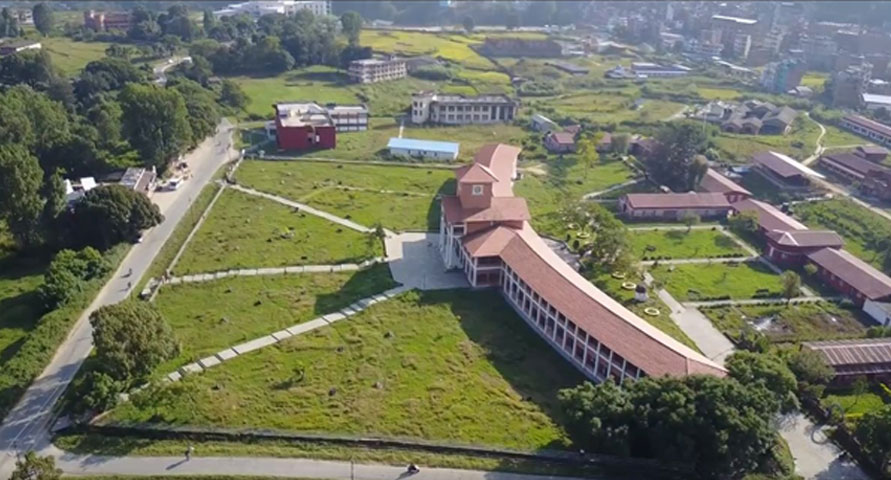
The department has physical facilities that support academic work, student interaction, and departmental activities. The campus environment includes a garden, classrooms, library resources, a science lab, seminar space, toilets, and a playground.
Classrooms are equipped with multimedia projectors. These facilities support digital teaching materials and classroom interaction. The classrooms include comfortable furniture, proper lighting, and ventilation.
The department has a library known as the Course Resource Centre. It contains over 4000 hard-copy books. Students can access books, newspapers, and magazines through the centre.
The Course Resource Centre supports reading, coursework, research preparation, and academic reference needs.
A dedicated science lab supports practical learning. Students can conduct experiments and connect theoretical study with practical activities.
The department has a separate hall for orientation programs, talks, seminars, and education dialogue series on interdisciplinary topics. The hall supports academic discussion and knowledge sharing.
The department has a garden around the campus, creating a calm setting for study. A playground is also available for students to relax and engage in recreational activities.
The department provides toilet facilities for students and staff. Student interaction is supported through presentations, discussions, and academic activities.
The Central Department of Education organizes academic workshops, conferences, seminars, and training activities. These events allow faculty members, students, and staff to discuss educational issues and participate in academic learning beyond regular classroom work.
The department also conducts academic talks and education dialogue series. These activities connect classroom learning with wider academic discussion in education.
The Central Department of Education, Tribhuvan University offers programs in teacher education, educational planning, subject education, curriculum, special needs education, and related academic areas.
The department’s programs cover planning, management, curriculum, evaluation, language education, social studies, science education, mathematics education, special needs education, health education, population education, physical education, geography education, history education, economics education, and political science education.
The Master of Education in Economics Education focuses on advanced study in economics education and preparation for teaching in the field.
The Master of Education in Geography Education provides specialized study in geography education, including geographical concepts and pedagogical approaches.
The Master of Education in Health Education prepares students in health education, health literacy, awareness, and education related to healthy behavior.
The Master of Education in History Education focuses on historical concepts, methodologies, and instructional strategies for history education.
The Master of Education in Physical Education focuses on physical education, physical fitness, sportsmanship, and healthy lifestyle education.
The Master of Education in Political Science Education combines political science with education for teaching and academic work in political science education.
The Master of Education in Population Education focuses on population education, population growth, family planning, reproductive health, and sustainable development issues.
The Master of Education in Science Education provides specialized study in science education and supports knowledge and skills related to science teaching and scientific inquiry.
The Bachelor of Special Needs Education focuses on special needs education and prepares students to work with individuals with different learning needs and disabilities.
The Master of Social Studies Education focuses on social studies education, critical thinking, civic engagement, and global awareness.
The MEd Special Needs Education provides advanced study in special needs education and supports preparation for teaching and support roles connected with learners with special needs.
The PGD Education is structured around concentrated study of principles and practices in education within a defined timeframe.
The department accommodates 3,554 students from different parts of Nepal. The student body includes learners engaged in coursework, research, thesis preparation, and subject-based academic programs.
Students are connected with classrooms, departments, teaching practice, research activities, the Course Resource Centre, workshops, seminars, and academic discussions. The department also supports student welfare and examination-related functions through its internal structure.
The Central Department of Education is directly connected with teacher education at Tribhuvan University. Its mission focuses on preparing trained and skilled teachers for different levels of education.
The department also supports the preparation of educational researchers, planners, curriculum designers, and managers. Its academic areas connect professional education with research, policy, planning, curriculum, and subject-specific pedagogy.
The department’s academic and administrative work is supported by teachers, non-academic staff, part-time employees, and daily wage employees. Departmental units handle teaching, student welfare, examination, curriculum, teaching practice, and subject-specific academic functions.
The department’s structure allows teaching and academic management to operate across multiple educational fields. This structure supports students, faculty members, and research activities within the Faculty of Education.
The Central Department of Education is suitable for students seeking formal study in teacher education, educational research, subject education, and academic preparation in the field of education. The department connects postgraduate study, research work, teaching practice, and educational administration within Tribhuvan University.
Its academic areas cover school subjects, education planning, curriculum, evaluation, special needs education, student welfare, teaching practice, and foundations of education. Students also have access to classrooms with multimedia projectors, a Course Resource Centre, a science lab, seminar space, and academic events.
The department’s location in Kirtipur places students within Tribhuvan University’s wider academic environment.
The Central Department of Education, Tribhuvan University is located in Kirtipur, Kathmandu.
The Central Department of Education is part of Tribhuvan University and operates under the Faculty of Education.
The Central Department of Education has 17 departments covering subject education, teaching practice, curriculum, planning, student welfare, and related academic areas.
The department has classrooms with multimedia projectors, a Course Resource Centre with over 4000 hard-copy books, a science lab, a seminar and orientation hall, a garden, a playground, and student facilities.
The Course Resource Centre is the department’s library. It contains over 4000 hard-copy books and provides access to books, newspapers, and magazines.
Yes. The department is connected with thesis work, research activities, and the Research Management Cell, which publishes journals and bulletins and organizes academic programs.
The department offers programs in education-related fields, including PGD Education, Master of Education programs, Master of Social Studies Education, MEd Special Needs Education, and Bachelor of Special Needs Education.
The department accommodates 3,554 students from different parts of Nepal.