Sagarmatha College (SM College) is based in Dillibazar, Kathmandu. It runs National Examination Board (NEB) +2 programs and Purbanchal University (PU) bachelor’s and master’s degrees.
Offered programs include +2 Science, Management, Humanities, and Law, and degrees such as BBA, BALLB, MBA, and MA in Sociology/Anthropology. The college was established in 2000 AD (2057 BS).
This profile is written for students, parents, teachers, planners, policymakers, and researchers.
It focuses on verified details about programs, admissions, facilities, campus life, and support services for readers in Nepal and abroad.
Location: Dillibazar, Kathmandu, Nepal
Established: 2000 AD (2057 BS)
Affiliations: NEB (+2) and Purbanchal University (Bachelor’s/Master’s)
Programs: +2 Science, Management, Humanities, Law; BBA; BALLB; MBA; MA (Sociology/Anthropology)
Admissions: College entrance assessment and PU rules for degree-level entry
Facilities: Library, hostel, cafeteria, science labs, computer lab, sports, internet, transport, auditorium, counselling
Contact: smcollege.edu.np | 01-4533334, 01-4533810
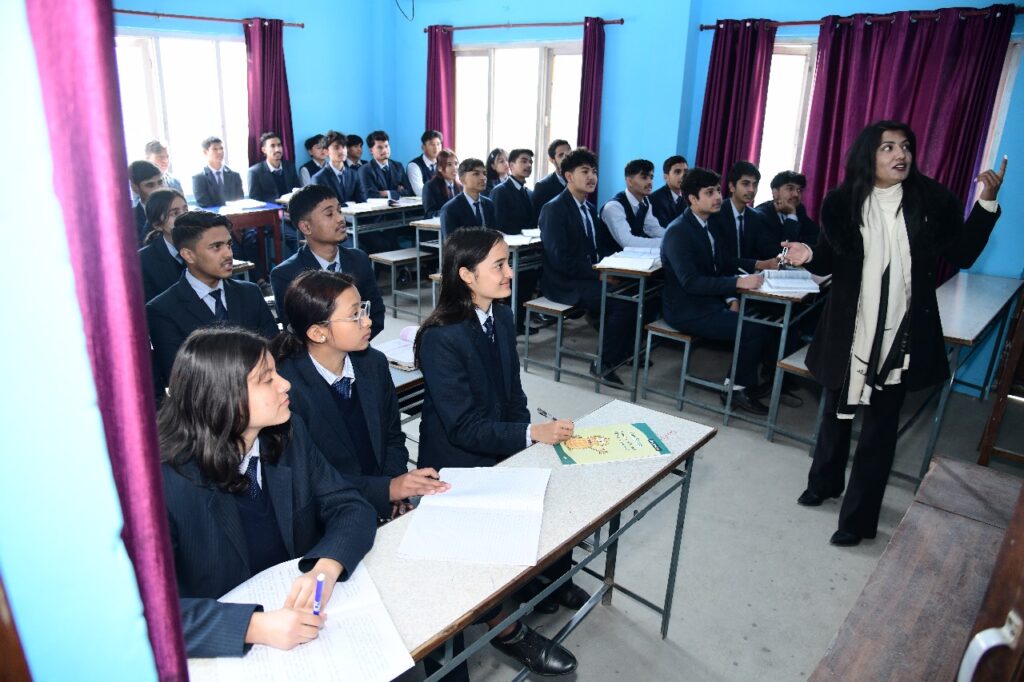
The Science stream prepares learners for engineering, medicine, IT, and applied sciences. Core groups include Computer, Physical, and Biological with Physics, Chemistry, Biology, and Mathematics. Eligibility: minimum GPA 1.6 for Grade 11 Science (confirm current NEB subject rules at intake).
The Management stream builds a base in accounting, economics, business communication, and entrepreneurship. Graduates often continue to BBA and related business degrees. Subject options follow NEB guidelines each year.
The Humanities stream covers social sciences, languages, and arts. It suits students planning a BA or fields such as media studies, social work, and public service.
The Law stream introduces legal studies, civic literacy, and justice systems. It supports a path to integrated law degrees such as BALLB.
Science: Physics, Chemistry, Biology, Mathematics; options include Computer, Physical, and Biological groups; eligibility note: GPA 1.6 for Science entry (verify at intake)
Management: Accounting, Economics, Business Communication; options as per NEB cycle
Humanities: Social sciences and languages; entry to BA and related fields
Law: Foundation for legal studies; path to integrated law degrees
BBA includes management, finance, marketing, accounting, economics, information systems, research methods, operations, and strategy.
Learning includes class projects and an internship.
Eligibility: 10+2, PCL, or equivalent with at least 40% aggregate and D+ in each subject
Credits: about 129 credit hours with course components and internship
Sample courses: Business Mathematics, Financial Accounting, Marketing, Business Finance, HRM, MIS, Research Methodology, Strategic Management
BALLB combines BA studies with core legal subjects. Learning includes case analysis, legal writing, moot practice, and courses such as constitutional, civil, and criminal law. Admission follows PU instructions and the college entrance process.
BBA: 10+2/PCL or equivalent; 40% aggregate and D+ per subject; about 129 credits including internship; course list by semester
BALLB: 5-year integrated law program; follows PU and college entrance rules
MBA builds managerial and analytical skills for business and development sectors. It runs as a full-time program with coursework and practical components. Applicants follow PU eligibility and the college selection steps.
The MA covers social theory, research methods, Nepali society and culture, and field inquiry. It suits roles in research, policy, community development, and teaching. Admission follows PU criteria and department review.
MBA: full-time coursework with practical components; entry per PU and college steps
MA Sociology/Anthropology: study of society, culture, and field methods; entry per PU rules
The college posts admission notices on its website and official channels.
Applicants should track program pages for dates, forms, and seat updates.
All applicants sit for a college entrance test.
Degree-level entries also follow PU rules, which may include written tests and interviews.
+2 Streams: submit SEE credentials that meet NEB/college criteria. For Science, confirm GPA and subject groups at intake.
BBA: minimum 40% at 10+2/PCL or equivalent and D+ per subject; selection includes entrance and document review.
BALLB, MBA, MA: follow PU eligibility and college assessment steps announced each cycle.
Academic transcripts, character certificate, migration (if needed)
Copy of citizenship or passport
Two recent photographs
Any additional documents listed in the intake notice
Check the current-year list with the college office before submission.
Departments align syllabi with NEB and PU. Course leaders manage assessments, internal reviews, and student guidance. Teaching staff bring subject experience and classroom practice.
Concept-focused teaching with unit tests and short quizzes
Tutorials and support classes where needed
Presentations, group tasks, and case analysis in business and law
Labs in science and computing as per course plans
Mid-term and terminal tests on the academic calendar
Project work, viva, or practicals where required
Final exams as per NEB/PU rules
The library offers course books, journals, newspapers, and reading spaces. Departments share readings and e-resources for projects and thesis work. Students can access reference help during library hours.
Labs cover office tools, databases, programming basics, and web concepts. Multimedia display is used for demonstrations. Computing sessions follow course outlines.
Physics, Chemistry, and Biology labs support +2 Science practicals. Schedules follow NEB requirements and internal calendars.
Rooms are ventilated and arranged for lectures, discussions, and board work. Multimedia support is available where needed.
Separate hostel arrangements are available for boys and girls. The cafeteria serves regular meals and snacks during class hours. Seat availability and fees are posted each term.
Campus internet supports research and communication. Computer labs provide access for assignments and projects.
Transport runs on set routes on working days, based on demand and seat plans.
Indoor and outdoor games are scheduled during the year. Students can join inter-house and inter-college events.
Multipurpose halls host orientations, guest lectures, workshops, and student events.
Students attend classes, labs, tutorials, and mentoring hours on a set timetable. Internal tests, assignment deadlines, and exam preparations follow NEB/PU calendars.
Student clubs run talks, debates, volunteer work, and peer learning. Clubs help learners build confidence, communication, and teamwork.
Academic counselling for subject choice and exam plans
Guidance on university forms and registration
Internship referral and early career guidance where available
Symposiums, guest sessions, and theme talks
Cultural programs and festival events
Blood donation and cleanliness drives
Local service projects with student groups
Quiz contests, creative writing, debates, and presentations
Moot practice for law; case events and pitches for management
Event dates and criteria are announced each term.
Scholarships are posted each session for strong academic records and financial need. The college may also consider sports and other achievements. Conditions and quotas appear in the admission notice.
Mark scholarship interest on the application form
Attach marks/grade sheets and proofs for need or achievements
Track results on official channels
Departments may recommend fee waivers or awards tied to internal or board outcomes, subject to policy and available seats.
2000 AD (2057 BS): college established in Dillibazar, Kathmandu
Affiliations: NEB for +2; Purbanchal University for bachelor’s and master’s programs
Program growth: integrated BALLB added; management and social science offerings expanded
Campus life: alumni talks, student forums, and showcases across the year
For pass rates, placement data, and scholarship counts, request annual reports from the administration.
Learners can start at +2 and progress to bachelor’s and master’s in one campus. This helps planning, mentoring, and steady academic growth.
Dillibazar is central and connected by public routes. Commuting is feasible for students from different parts of the valley.
The BBA entry rule and credit plan are public. Applicants can compare workload and outcomes before applying.
Clubs, talks, and events support public speaking, teamwork, and peer learning. These activities add value to classroom study.
Facilities include a library, labs, hostel, cafeteria, sports, internet, transport, auditorium, and counselling.
They support daily study and exam preparation.
Scholarship notices cover merit and need. Applicants can prepare documents early and apply within the deadline.
Sagarmatha Multiple College offers NEB +2 and PU degree programs on a single campus in Dillibazar, Kathmandu. Programs include +2 Science, Management, Humanities, Law, and degrees in BBA, BALLB, MBA, and MA in Sociology/Anthropology. Admissions use a college entrance test and course-based eligibility.
Facilities, clubs, and scholarships support learning and student growth. Prospective students should check the website or call the administration for the latest dates, fees, and scholarship rules.
Contact Sagarmatha College's administrative office for detailed information on the course, admissions, location, fees, scholarships, facilities, counseling, or eligibility.
Dillibazar, Kathmandu, Nepal
Phone: +977-9707863336, +977-1-4533810, +977-1-4533334, +977-1-4533190, +977-9851022188, +977-9851095850
www.smcollege.edu.np
info@smcollege.edu.np