The Times International College/Secondary School (TTIC), located in Dillibazar, Kathmandu, is an educational institution that offers secondary and higher education programs under the National Examination Board (NEB - +2 Science, Management, Humanities, Law) and Tribhuvan University (TU - BBS, BCA, BBM, BA, BASW, MBS). Established in 2000 AD, it provides a structured academic environment for students who wish to pursue studies in management, information technology, social sciences, law, and humanities through recognized national curricula.
TTIC operates within Nepal’s evolving federal and educational framework, where institutions are expected to follow clear rules, standards, and accountability measures. The college conducts its programs in line with approved curricula and formal evaluation procedures. It enrolls more than 2000 students from varied social and educational backgrounds, including public school graduates, marginalized communities, and first-generation learners, and offers progression routes from +2 to bachelor’s and master’s levels through NEB- and TU-affiliated programs.
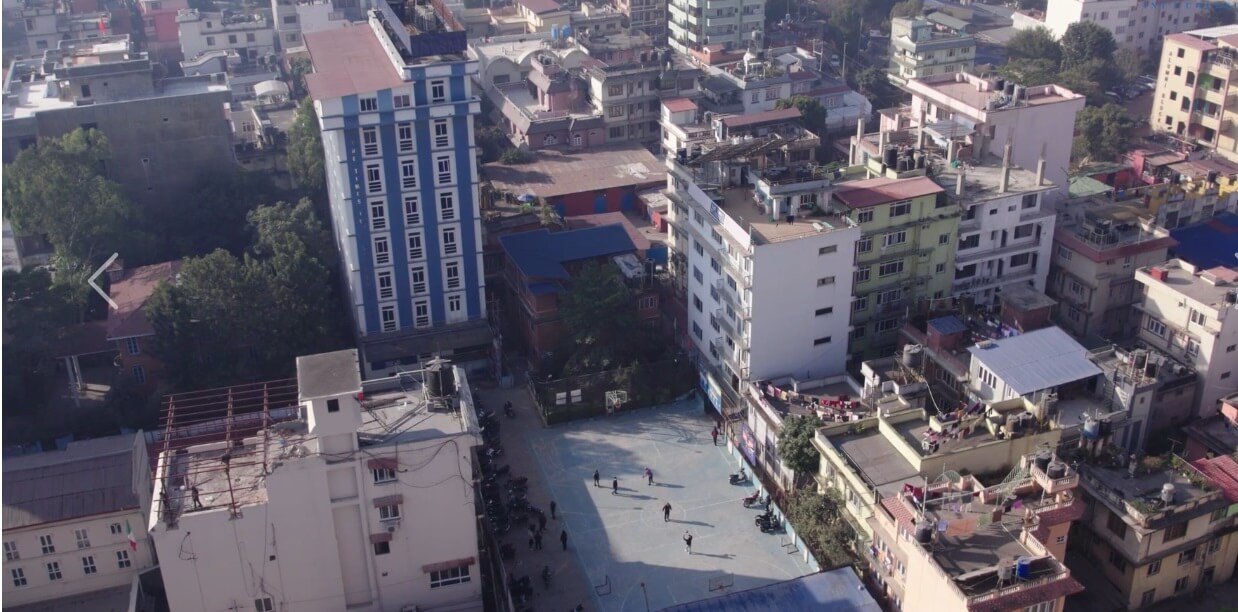
Location: Dillibazar, Kathmandu, Nepal
Established: 2000 AD
Affiliation (School Level): National Examination Board (NEB) – +2 Science, Management, Humanities, Law
Affiliation (Bachelor and Master): Tribhuvan University (TU) – BA, BASW, BBS, BCA, BBM, MBS
Academic Scope: Management, Business, Information Technology, Social Work, Humanities, Law
Medium of Instruction: Primarily English (with Nepali where applicable)
Student Support: Need- and merit-based scholarships, mentoring, academic counseling, internal assessments, co-curricular and extracurricular engagement
Facilities: Urban campus, library, computer labs, science labs, hostel provision, cafeteria, transport, seminar spaces, activity halls
Target Groups: SEE graduates, higher secondary graduates, working and aspiring professionals pursuing TU management and social science degrees
TTIC runs its programs strictly under the curricula and regulations prescribed by NEB and Tribhuvan University. The following information aligns with official frameworks where applicable.
Focus: Physics, Chemistry, Biology, Mathematics, Computer Science.
Purpose: Prepares students for medicine, engineering, agriculture, technology, and other science-related bachelor programs.
Learning mode: Classroom instruction, science labs, regular tests, problem-solving sessions, exam-focused support aligned with NEB standards.
Focus: Accounting, Economics, Business Studies, English, Mathematics or Social Studies, along with options such as Hotel Management, Computer Science, Business Mathematics.
Purpose: Foundation for BBS, BBA, BBM, BCA, and business-related studies; builds numerical, analytical, and business communication skills.
Focus: English, Nepali, Social Studies and Life Skills or Mathematics, and social science subjects such as Sociology, Psychology, Political Science, etc.
Purpose: Entry to BA, BASW, law, media, education, development, and public policy-related fields.
Focus: Legal English, Constitutional Law, Jurisprudence, Nepalese Legal System, Social Studies and Life Skills.
Purpose: Early exposure to legal concepts and a structured path toward BALLB and other law degrees.
The Bachelor of Business Studies (BBS) at The Times International College runs under the Faculty of Management, Tribhuvan University. It is a four-year academic program in business and management with core subjects in accounting, finance, marketing, economics, organizational behaviour, business law, taxation, entrepreneurship, and research.
At this college, the BBS program focuses on:
building a clear understanding of core business subjects,
conducting regular internal assessments, presentations, and feedback sessions,
connecting classroom learning with practices followed in Nepali businesses, financial institutions, and public offices.
Graduates are prepared for roles in corporate offices, banks and financial institutions, business support services, development and social organizations, or for further study in areas such as MBS, MBA, and professional courses accepted in Nepal and abroad.
The Bachelor of Business Management (BBM) program is affiliated with the Faculty of Management, Tribhuvan University. This four-year degree focuses on management, leadership, and organizational studies. Students study subjects such as business strategy, marketing, finance, operations, human resource management, entrepreneurship, and business communication.
At The Times International College, BBM students learn through case-based discussions, projects, group tasks, and interactions with professionals. These activities help them understand how organizations work in real settings and support their development as responsible management graduates.
The Bachelor of Computer Applications (BCA) program is affiliated with Tribhuvan University and follows the officially approved curriculum. It is a four-year degree in computing with focus on programming, database management, web technologies, software engineering, and applied computing.
At this college, the BCA program includes:
programming in multiple languages,
regular practical classes in computer laboratories,
project work based on real-use applications relevant to academic and professional contexts.
The BA and BASW programs are conducted under Tribhuvan University.
The BA program covers subjects from the humanities and social sciences, such as English, Nepali, Sociology, Journalism, and other approved disciplines, depending on the combinations offered in a given intake.
The BASW program focuses on social work theory, social welfare policy, community engagement, human rights, and related areas. Students participate in supervised fieldwork with NGOs, community organizations, and social institutions. This helps them relate classroom learning to real community issues in Nepal.
The Master of Business Studies (MBS) program is affiliated with the Faculty of Management, Tribhuvan University. It is a two-year academic program that includes core subjects such as strategic management, finance, marketing, organizational behaviour, research methodology, and specialization areas prescribed by TU.
At The Times International College, the MBS program follows TU’s structure of core courses, specialization courses, and dissertation. Students are engaged in research projects, case analysis, and presentations that relate to the business context of Nepal and to the standards outlined in the official curriculum.
TTIC follows the eligibility criteria of NEB and TU and supplements them with its own entrance procedures, where applicable. Details below summarize typical patterns; applicants should verify exact criteria and dates from official notices and TU/NEB guidelines for the relevant intake year.
Minimum SEE GPA: As per NEB guidelines; institutionally stated benchmark around 2.8 GPA with subject-wise grade requirements in Science, Mathematics, English, Nepali, and Social Studies.
Selection: Entrance test and interview based on basic science and language skills.
Minimum SEE GPA: Around 2.4 GPA (institutional guideline).
Selection: Written test (Mathematics, English, Nepali, General Knowledge) and interview.
Minimum SEE GPA: From 1.6 GPA or above (institutional guideline).
Selection: Entrance assessment and counseling interaction.
Minimum SEE GPA: From 2.05 GPA or above (institutional guideline).
Selection: Written test and interview focusing on language and social understanding.
Completion of 10+2 or equivalent from a recognized board with minimum grades as per TU rules (D+ in all subjects / second division or equivalent as applicable to the specific admission year).
College-level form submission, document verification, and orientation.
10+2 or equivalent with minimum grades as defined by TU Faculty of Management.
Compulsory Central Management Admission Test (CMAT) conducted by TU and subsequent merit-based selection.
10+2 or equivalent with prescribed minimum grade and mathematics/related criteria as per TU BCA guidelines.
TU entrance examination and allocation through merit list.
Bachelor’s degree in management/commerce or related field from TU or a university recognized by TU.
Admission based on institutional procedures aligned with TU regulations, which may include entrance tests, academic merit, and document screening.
TTIC engages faculty members with academic qualifications in their respective disciplines, experience in teaching TU and NEB curricula, and exposure to the local professional ecosystem. The institution’s teaching-learning approach can be summarized as:
Structured lectures linked to official syllabi.
Regular unit tests, terminal exams, and pre-board examinations to track progress.
Class presentations, group discussions, and project work that connect course content with Nepalese socio-economic and institutional contexts.
Fieldwork in BASW and social science programs under supervision, in line with TU requirements.
Use of seminars, guest sessions, and workshops to introduce students to practitioners from business, IT, media, law, and development sectors.
The Times International College is located in Dillibazar, Kathmandu. The campus is compact and accessible, with facilities arranged to support daily teaching, study, and student activities.
Key facilities include:
Classrooms for +2, bachelor's, and master’s programs run on fixed timetables.
A library with NEB- and TU-based textbooks, reference books, and selected journals to support regular study and exam preparation.
Computer laboratories with internet access for IT courses, assignments, and research work.
Science laboratories for +2 Science practical classes are conducted as per NEB requirements.
Seminar and activity halls are used for orientations, guest sessions, workshops, and internal academic programs.
Separate hostel accommodation for male and female students, managed under college rules and available on a limited basis.
A cafeteria serving simple, hygienic meals and refreshments during college hours.
Transportation services on designated routes within the Kathmandu Valley to support daily commuting.
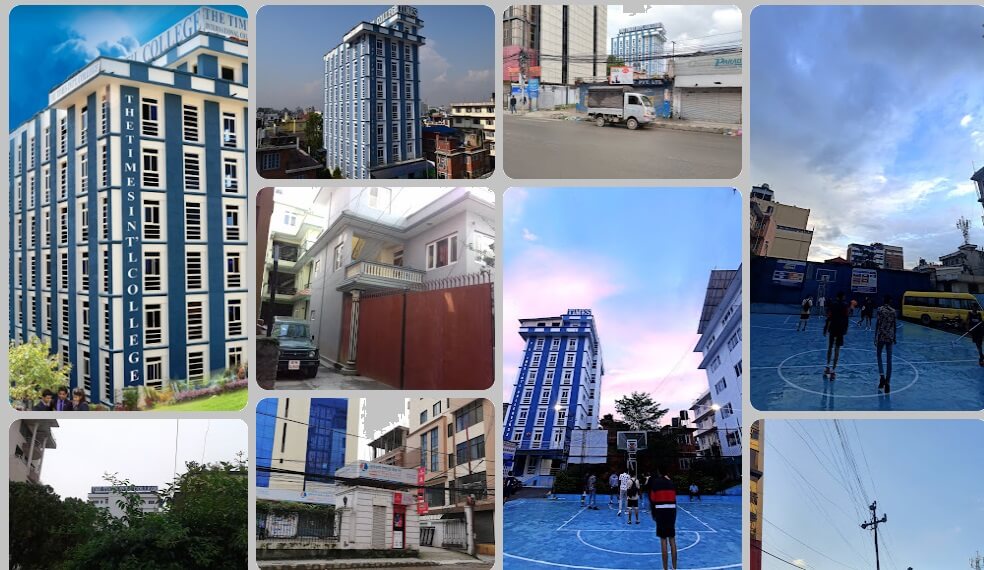
Student life at TTIC reflects a structured routine grounded in:
Regular classes with fixed schedules are suitable for morning and day shifts, especially for students balancing travel and family responsibilities.
Academic counseling by teachers and program coordinators to help students select appropriate streams and courses.
Classroom culture that encourages questions, dialogue, and peer learning while maintaining discipline and respect.
Engagement with current national issues, social concerns, and policy questions through assignments, discussions, and invited talks.
TTIC runs regular activities that extend learning beyond textbooks and support holistic development in a measurable, documentable form:
Cultural events, including annual cultural programs that celebrate linguistic and ethnic diversity.
Sports Week with athletics, indoor and outdoor games, and inter-department tournaments that encourage teamwork and discipline.
Entrepreneurship and leadership workshops where students interact with professionals, present ideas, and learn project planning.
Social responsibility drives, including blood donation, clean-up campaigns, and educational outreach, often in coordination with local organizations.
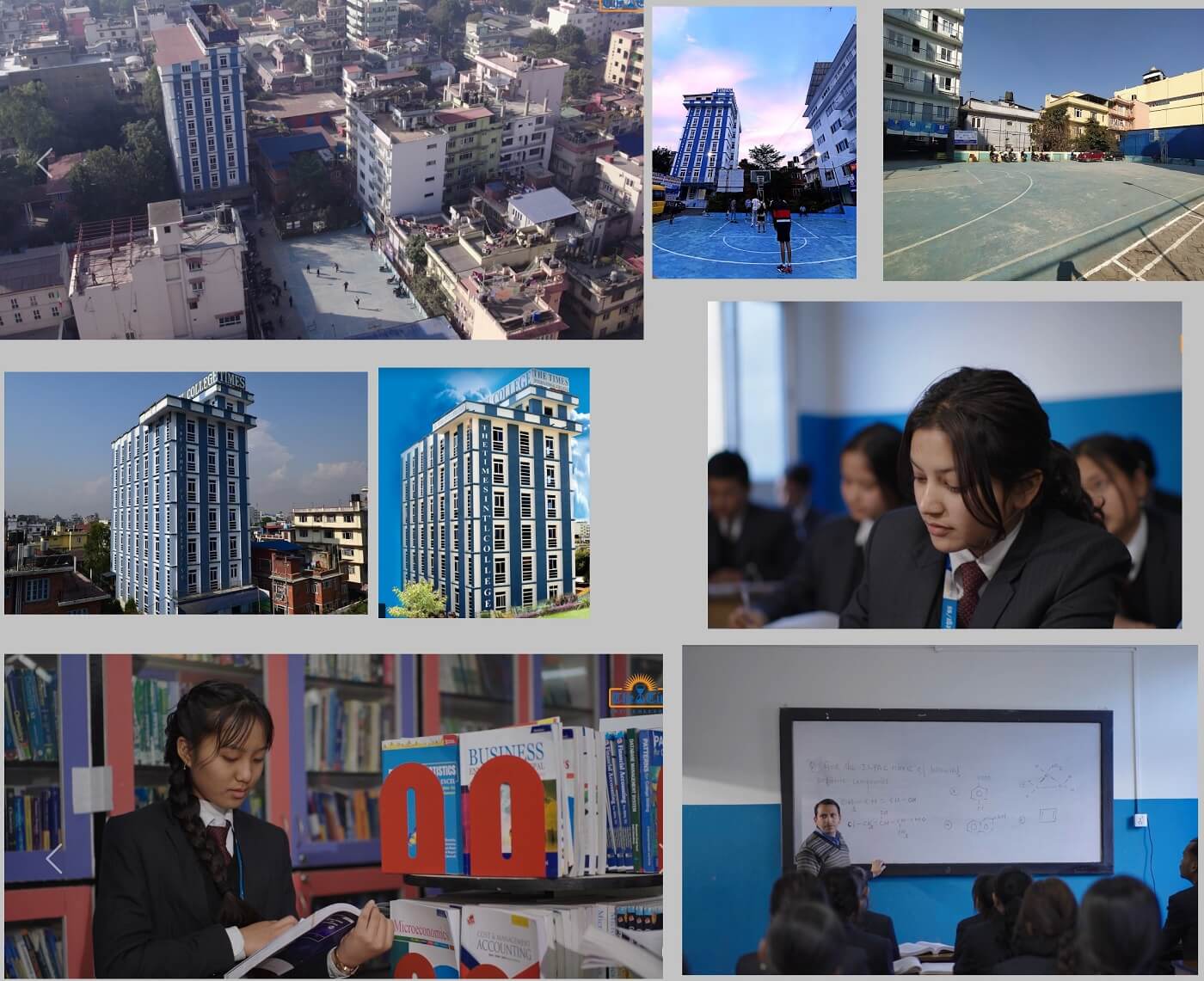
TTIC maintains a structured scholarship scheme aimed at recognizing academic performance and supporting students from underrepresented and financially constrained backgrounds. Based on institutional information:
Key scholarship categories include:
Entrance Examination Merit Scholarships
College entrance topper: Full scholarship (as per internal policy for specific program/year).
Second topper: 75% tuition scholarship.
Third topper: 50% tuition scholarship.
SEE Performance-Based Scholarships for +2
GPA 4.0: Full tuition scholarship (limited seats, first-come-first-served).
GPA 3.85 and above: 75% tuition scholarship (limited seats).
GPA 3.6–3.8: 50% tuition scholarship (limited seats).
Need and Inclusion-Based Scholarships
Reserved seats and support for Dalit, Janajati, Madhesi, remote-area students, and students from underprivileged groups who meet criteria set by the college and local government.
Scholarships for students from government schools are specified in numbers.
Scholarships aligned with local government provisions (e.g., 10% of total students as per guidelines).
Performance-Based Internal Scholarships
Terminal exam toppers in each program receive partial tuition waivers for defined periods.
Board exam toppers in Grade XI receive extended support in Grade XII.
Without using inflated claims, the following institutional characteristics are noteworthy from a documentation and policy perspective:
Over two decades of operation since 2000 AD in Dillibazar, contributing to the supply of NEB graduates and TU graduates in management, IT, social work, and humanities.
Expansion from +2 programs to bachelor and MBS programs under TU, allowing vertical progression within a single institution for many students.
Regular organization of cultural, sports, entrepreneurship, and social responsibility events that are recorded through official communications and photo documentation.
Engagement with practitioners from corporate, development, legal, and technology sectors through guest sessions and seminars, reported through the college’s own channels.
For students, parents, and planners seeking a factual basis, the following reasons are grounded in observable features rather than slogans:
Integrated Academic Pathways - Availability of +2, bachelor, and MBS programs under recognized national bodies (NEB, TU) creates continuity for learners who prefer a stable institutional setting.
Central Location - Dillibazar location offers access to public transport, libraries, professional offices, and examination centers in Kathmandu.
Range of Disciplines - Management, IT, social work, humanities, and law streams provide options that match diverse interests and labour market needs in Nepal and abroad.
Documented Systems - Use of entrance tests, internal assessments, defined class hours, and transparent scholarship criteria aligns with expectations of regulators, guardians, and funding organizations.
Support for Inclusion - Scholarships and reserved categories for marginalized and public-school students reflect efforts to keep higher secondary and university education accessible to wider groups.
Focus on Practical Exposure - Fieldwork, presentations, internships, and interaction with organizations help students understand real institutional settings within Nepal’s socio-economic context.
The Times International College/Secondary School (TTIC) is an academic institution in Dillibazar, Kathmandu, affiliated with the National Examination Board (NEB) and Tribhuvan University (TU). It offers +2, bachelor’s, and master’s level programs in science, management, humanities, law, information technology, business, and social work.
Is The Times International College/SS officially recognized?
The Times International College/SS runs its +2 programs under NEB and its bachelor’s and MBS programs under TU. All programs follow the official curricula and regulations of these authorities.
Which programs are offered?
The college offers +2 programs in Science, Management, Humanities, and Law; bachelor’s programs in BA, BASW, BBS, BCA, and BBM; and the MBS program. For each intake, applicants should refer to current official notices or contact the college to confirm available programs, shifts, and seat numbers.
What are the key admission requirements?
Admission follows NEB and TU rules. Applicants must meet the minimum GPA or grade requirements at SEE or 10+2 (or equivalent) and appear in entrance examinations where required, such as CMAT for BBM and TU entrance exams for BCA and MBS. Candidates must submit all requested academic documents and identification within the announced deadlines.
Does the college provide scholarships?
The college offers scholarships based on entrance results, previous academic performance, internal evaluations, and provisions for students from government schools, remote areas, and specified social groups. Each scholarship category has fixed criteria and limited seats, published through official college communications.
What support is available for students from outside Kathmandu?
Students from outside the Valley may apply for separate hostel accommodation (subject to availability), use college transport services on defined routes, and seek academic and personal guidance from coordinators and counselors. Detailed information is provided during admission and orientation.
How does TTIC link studies with practical learning?
The college includes project work, classroom presentations, BASW fieldwork, internships, guest lectures, workshops, and community-based activities within its annual plan. These activities follow NEB and TU guidelines and help students relate their coursework to workplaces and community settings in a clear and realistic way.
Contact The Times International College's administrative office for detailed information on the course, admissions, location, fees, scholarships, facilities, counseling, or eligibility.
The Times International College
Email Address: info@timescollege.edu.np
Phone Number: +977-1-4541163, +977-1-4541167, +977-1-4541168
Website: https://www.timescollege.edu.np
Location: Charkhal, Dillibazar, Kathmandu