



The Bachelor of Health Care Management (BHCM) at Amity College Mahendranagar is a four-year undergraduate program affiliated with Pokhara University. The program combines management education with hospital administration, health care systems, health policy, information management, epidemiology, accounting and finance, research, and related health care management subjects.
Amity College offers 48 seats in the BHCM program. The college introduced BHCM in 2073 BS as its second bachelor-level program, alongside BBA.
| Particular | Detail |
|---|---|
| Course | Bachelor of Health Care Management (BHCM) |
| College | Amity College Mahendranagar |
| Affiliation | Pokhara University |
| Level | Bachelor’s |
| Duration | 4 years |
| Academic Structure | 8 semesters |
| Seats | 48 |
| Location | Mahendranagar, Kanchanpur, Sudurpashchim Province |
BHCM studies the management side of health care. Its curriculum brings together general management, business subjects, health care administration, hospital planning, health information, epidemiology, health policy, research, and operational areas of health institutions.
This combination distinguishes the program from clinical health degrees. Students study how health care organizations are planned, administered, financed, coordinated, and managed rather than training for a specific clinical profession.
The academic areas also cover organizational behavior, human resource management, marketing, law, biomedical equipment management, disease management, strategic management, and hospital support services.
The program is structured around both health care and management subjects. Students begin with general academic and management foundations before moving into hospital administration, planning, health systems, policy, research, and specialized management study.
Major learning areas include:
health care principles;
hospital administration;
hospital planning;
anatomy and physiology;
management and organizational behavior;
economics;
accounting and finance;
epidemiology;
health policy and program management;
health information systems;
biostatistics;
human resource management;
health care inventory and biomedical equipment management;
hospital support services;
health care law;
disease management;
research methods;
strategic management; and
hospital and health management.
The program also includes internships and project-based study.
The stated learning outcomes focus on the ability to examine health care organizations from several management perspectives.
Students are expected to develop the ability to:
analyze a health care organization from a market-based perspective;
examine financial and economic issues affecting the health care sector;
explain risk and quality management concepts used in health care;
assess the use of technology within health care organizations; and
apply management and adaptable leadership skills in health care settings.
These outcomes place organizational analysis and management at the center of the degree.
BHCM may suit students who are interested in health care but want to study its administrative, organizational, planning, and management functions rather than train for a clinical role.
The course involves subjects from several areas, so students encounter:
management and administration;
health systems and hospital operations;
economics and finance;
information management;
statistics and research;
health policy;
organizational behavior; and
strategic decision-making.
Students should be comfortable working across both management and health-related subjects rather than expecting the program to concentrate on only one area.
Eligibility: Pokhara University places Bachelor in Health Care Management among its management programs. The eligibility criteria for management programs include completion of Intermediate or Higher Secondary Level (10+2), Proficiency Certificate Level (PCL), or an equivalent qualification from a recognized institution.
The stated minimum academic requirement is:
at least D+ grade in each subject in 10+2; or
45% marks in aggregate; or
1.8 CGPA on a 4.0 scale.
Applicants are also required to pass the entrance test conducted by Pokhara University and its constituent or affiliated colleges.
The admission process at Amity College includes application, academic-document submission, an entrance assessment, and enrollment formalities.
The college's admission information outlines the following sequence:
Initial inquiry about the program.
Academic counseling.
Submission of the application and academic documents.
Entrance examination covering areas such as aptitude, English proficiency, and logical reasoning.
Completion of enrollment and university registration formalities.
Students applying for BHCM should follow the requirements announced for the relevant admission intake.
English I
Principles of Management
Computer & IT Applications
Principles of Health Care
Anatomy & Physiology
English II
General Psychology
Introductory Micro-Economics
Principles of Hospital Administration I
Hospital Planning I
Business Communications I
Fundamentals of Sociology
Introductory Macroeconomics
Basic Mathematics
Principles of Hospital Administration II
Internship I
Fundamentals of Organizational Behavior
Data Analysis and Modeling
Fundamentals of Accounting & Finance
Hospital Planning II
Basic Epidemiology
Health Policy & Program Management
Management of Human Resources
Health Information System
Business Research Methods
Biostatistics & Computer Application
Healthcare Inventory & Biomedical-Equipment Management
Internship II
Principle of Marketing
Hospital Support Services Management
Healthcare Law
Introductory Disease Management
Health Care Project
The curriculum moves into concentration study in Hospital Management.
The final stage includes further concentration and elective study in hospital and health management, Strategic Management, and an internship component.
The early semesters establish the base needed for later health care management subjects. English, psychology, economics, mathematics, information technology, management, anatomy, and physiology give students the academic foundation for understanding organizations and health services.
Hospital Administration and Hospital Planning appear from the second semester. By the middle of the program, students move into organizational behavior, accounting and finance, epidemiology, health policy, human resources, health information, research, biostatistics, and biomedical equipment management.
The later stages shift toward hospital support services, health care law, disease management, project work, strategic management, concentration study, electives, and practical experience.
Internship appears at different points in the BHCM curriculum, alongside a Health Care Project and later concentration study. These components give students opportunities to work with management concepts outside regular classroom instruction.
At Amity College, the wider teaching approach also uses:
presentations;
group discussions;
project work;
seminars;
workshops;
field visits;
assignments; and
interactions connected with professional settings.
The college's BBA and BHCM teaching approach combines academic study with practical exposure rather than relying only on lectures.
BHCM deals with several parts of health care administration that often operate behind clinical services.
Students study principles of hospital administration and how different functions within health care institutions are organized and coordinated.
Hospital Planning I and II introduce planning as a distinct part of health care management.
Health Information System and technology-related study address the role of information in health care organizations.
Health Policy & Program Management brings policy and program administration into the curriculum.
Microeconomics, macroeconomics, accounting and finance, and the program's stated learning outcomes introduce financial and economic analysis in the context of management.
Students study the management of people and organizational behavior, both of which are relevant to institutions that depend on coordinated professional and administrative teams.
Business Research Methods, Data Analysis and Modeling, Basic Epidemiology, and Biostatistics & Computer Application provide a quantitative and research component.
The curriculum includes Hospital Support Services Management and Healthcare Inventory & Biomedical-Equipment Management, extending the program into operational areas beyond general administration.
Through the combination of management, health care, analytical, research, and practical subjects, students may develop skills related to:
organizational analysis;
hospital and health service administration;
communication and presentation;
financial and economic analysis;
health information handling;
research and basic quantitative analysis;
program and policy understanding;
human resource management;
risk and quality management concepts;
technology use in health care organizations; and
management and leadership.
The extent to which students develop these abilities depends on their academic work, practical participation, and experience during the program.
BHCM is directed toward the administrative and management side of health care. Depending on the position requirements, skills, experience, and recruitment conditions, graduates may explore work connected with:
hospitals;
general and specialty clinics;
residential health care facilities;
community health organizations;
health insurance organizations;
case management organizations;
health-related government agencies;
organizations working with medical products or services;
pharmaceutical and medical-device organizations; and
other health service organizations requiring administrative or coordination functions.
The degree itself should not be treated as preparation for a specific clinical profession. Individual positions may have separate education, experience, registration, or professional requirements.
The BHCM academic foundation can support postgraduate study in health care management and related areas. The course material itself identifies preparation for graduate or professional study as one purpose of the program.
A student's choice of further education will depend on the entry requirements of the specific postgraduate program or institution.
Amity College has offered BHCM since 2073 BS. The program is part of the college's two-program bachelor-level academic focus, alongside BBA.
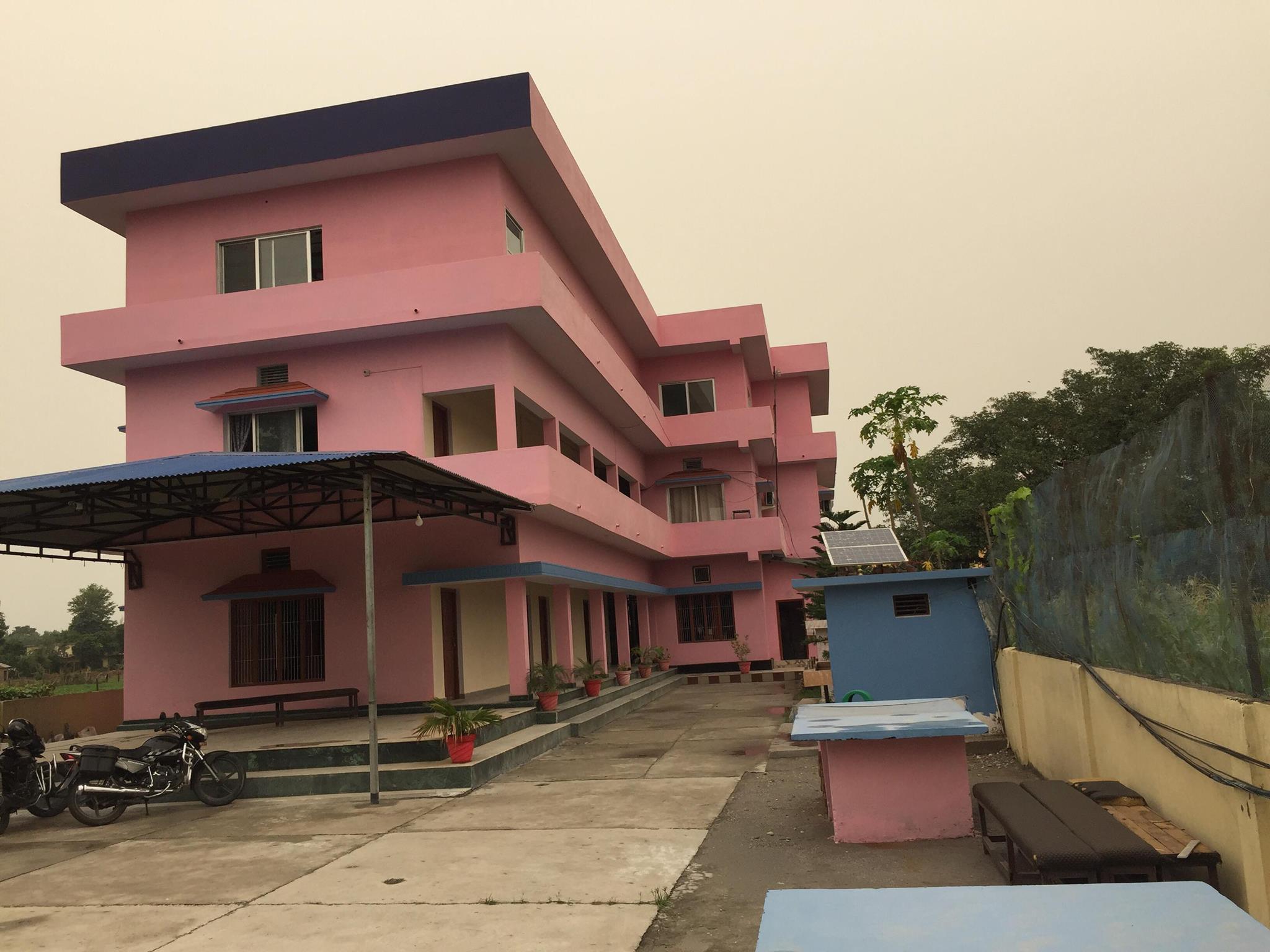
The Mahendranagar campus supports teaching through classrooms with multimedia provisions, a resource center, seminar space, library and computer facilities, and areas used for workshops and interactive academic activities.
BHCM students also study within the college's broader practice of using seminars, presentations, project work, field exposure, and internships alongside regular coursework.
BHCM stands for Bachelor of Health Care Management. It is a four-year undergraduate program that combines management education with subjects related to hospitals, health services, health systems, policy, information, research, and administration.
The BHCM program at Amity College Mahendranagar is affiliated with Pokhara University.
The BHCM program takes four years and is structured across eight semesters.
Amity College Mahendranagar offers 48 seats in the BHCM program.
Applicants under Pokhara University's management-program criteria must have completed 10+2, PCL, or an equivalent qualification. The stated minimum is D+ in each subject, 45% aggregate marks, or 1.8 CGPA on a 4.0 scale. Applicants must also pass the required entrance test.
BHCM concentrates on health care management and administration. Its curriculum includes some health-related foundation subjects, but its main academic direction is the organization, planning, administration, information, policy, and management of health care services.
Yes. Internship components appear within the curriculum, and the sixth semester includes a Health Care Project.
Students study management, hospital administration, hospital planning, health care principles, anatomy and physiology, economics, accounting and finance, epidemiology, health policy, health information, research methods, biostatistics, health care law, hospital support services, human resources, strategic management, and related subjects.
Graduates may consider administrative and management-related opportunities in hospitals, clinics, community health organizations, insurance organizations, health agencies, health-related companies, and other organizations involved in health services. Entry requirements vary by employer and position.






