Ten Plus Two (+2) Education is a two-year NEB program that introduces education as a field of study, not only as a teaching job. Students usually choose it when they enjoy learning about how people learn, how schools work, and how education connects with society and national development.
Your interest matters here. Students who enjoy discussion, observation, and reflective writing often feel comfortable in this subject area.
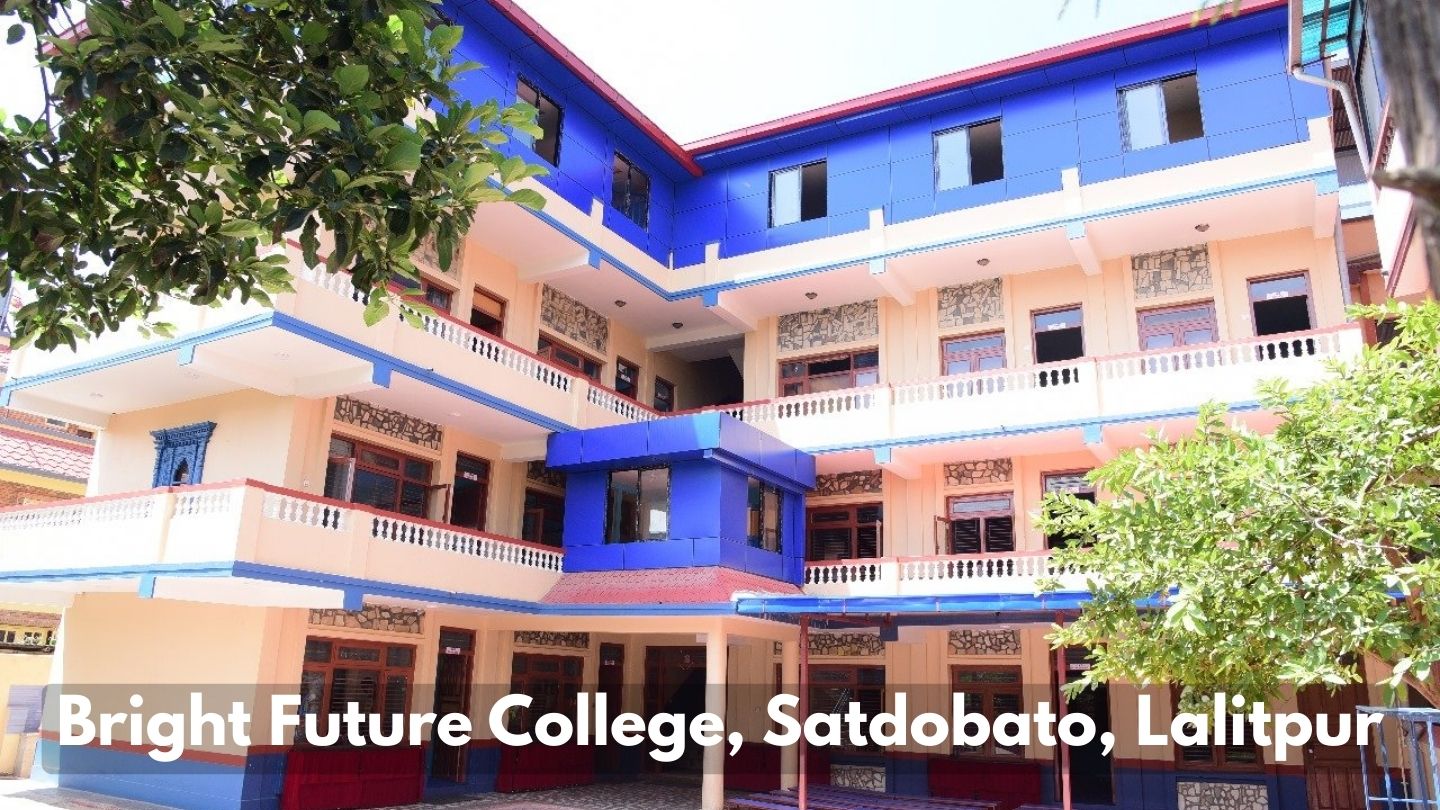
Affiliation: NEB (+2 level)
Duration: Two academic years (Grade 11 and Grade 12)
College-listed supports: Library, computer lab, counseling, scholarships, ECA
CDC’s Secondary Education Curriculum provides the official structure and subject codes for Grade 11 and 12 optional subjects used under NEB.
The college lists these compulsory subjects and codes:
Nepali [Nep. 001] and [Nep. 002]
English [Eng. 003] and [Eng. 004]
Social Studies and Life Skill [Sol. 005] / [Sol. 006] or Mathematics [Mat. 007] / [Mat. 008]
Students commonly select education-focused options such as:
Education and Development [Ed. 203]
Child Development and Learning [Cdl. 115] (if offered in your session)
The final combination should match the subjects the college opens for that year, based on the admission notice and NEB registration processes.
Students build an understanding of:
Education as a social system and a national priority
How learning happens across age groups
The role of curriculum, guidance, and school management concepts
Basic research habits such as observation and structured reporting
Students often ask, “If I study education, do I have to become a teacher?” The course gives knowledge that supports multiple directions in bachelor-level study related to education, development, and social sectors.
CDC curriculum includes structured learning tasks and activities as part of subject learning and assessment. Students benefit most when they practice:
Classroom presentations using simple, clear examples
Short reports based on local school or community observations
Note-making and concept mapping (education concepts connect across units)
Simple interview-style tasks (asking teachers or students about learning challenges)
You can keep a “reflection notebook.” You write one page weekly about what you observed in school or community learning. The habit builds clarity and exam readiness.
Bright Future College lists counseling and academic supports. Students can use counseling when subject choice feels confusing, especially when parents push for science or management.
Students often do well when they connect theory to real life. You can link every chapter to a real school situation: attendance issues, exam stress, classroom discipline, or learning gaps.
The college’s published information states SEE GPA 1.6 as a minimum requirement (referenced to a decision date). Students should confirm current validity in the latest admission notice for the new session.
NEB publishes official notices related to Grade 11 subject registration and Grade 11/12 procedures. Practical and internal components follow subject rules in the curriculum where applicable.
Students often move into bachelor-level study in education fields, social work, development studies, and other areas where training, communication, and learning support matter. The subject also helps students who later join teacher education routes through higher study, based on official eligibility rules of the relevant university and program.
The college states scholarship schemes for deserving students. Students should check the admission notice to understand eligibility, coverage, and renewal conditions.
No. Teacher eligibility depends on higher-level teacher education and official licensing routes.
Ed.203 (Education and Development) is a direct match when offered.
Subject difficulty depends on your interest and discipline. Students who read and write regularly perform well.
You should check the college notice and NEB notices for that year.
Weekly written summaries and short presentations.