The Bachelor of Arts, Bachelor of Laws (B.A.LL.B.) at Bright Vision Law College is a five-year, full-time undergraduate program affiliated with Purbanchal University. It combines arts and social-science subjects with constitutional law, criminal law, procedural law, human rights, business law, environmental law, legal research, professional ethics, advocacy, and clinical education.
Students begin with foundational subjects before progressing to advanced legal studies, elective groups, practical legal writing, community-based work, trial advocacy, and a fifth-year dissertation. The program is offered at the college’s campus in Samjhana Chowk, Biratnagar, Morang, Koshi Province.
| Category | Details |
|---|---|
| Course Name | Bachelor of Arts, Bachelor of Laws |
| Course Abbreviation | B.A.LL.B. |
| Level | Undergraduate |
| Duration | Five years |
| Study Mode | Full-time |
| Affiliation | Purbanchal University |
| College | Bright Vision Law College |
| Location | Samjhana Chowk, Biratnagar, Morang, Koshi Province |
| Minimum Requirement | 50 percent aggregate |
| Admission Basis | Entrance examination and personal interview |
| Program Capacity | 180 seats |
The B.A.LL.B. is an integrated double-degree program combining Bachelor of Arts and Bachelor of Laws studies. Its academic structure connects legal education with political theory, economics, history, sociology, language, international relations, research, ethics, and professional legal work.
The curriculum moves from introductory social-science and legal subjects to constitutional law, criminal law, evidence, procedure, company law, administrative law, jurisprudence, international law, and sector-specific legal studies. Clinical courses appear across the five years through practical work, legal writing, community advocacy, rural law service, trial advocacy, and professional development.
Eligibility: Applicants must have completed +2, PCL, or HS in any faculty from a board or university recognized by Purbanchal University.
Minimum Grade Requirement: Applicants require a minimum aggregate of 50 percent.
Admission Process: Selection is based on an entrance examination and personal interview.
Capacity: The program has 180 seats.
Mode: The course is offered on a full-time basis.
The first year carries 650 full marks and introduces political, economic, historical, sociological, and legal foundations.
| Code | Course | Marks |
|---|---|---|
| 401 | Political Theory Thoughts | 100 |
| 402 | Economics | 100 |
| 403 | History of Nepal | 100 |
| 404 | Sociology | 100 |
| 405 | General Principles of Law | 100 |
| 406 | General Concept of Law | 50 |
| 407 | Theory of Logic and Legal Reasoning | 50 |
| 408 | Clinical Works | 50 |
The second year carries 750 full marks. It introduces legal language, legislation, procedural law, sociology of law, criminal law, and practical clinical work.
| Code | Course | Marks |
|---|---|---|
| 511 | Legal English | 100 |
| 512 | Legal Nepali | 100 |
| 513 | International Relation and Diplomacy | 100 |
| 514 | Legislative Principle and Law Making Process | 100 |
| 515 | Principle and Rules of Procedural Law | 100 |
| 516 | Sociology of Law | 100 |
| 517 | Criminal Law | 100 |
| 518 | Clinical Course (Practical Course) | 50 |
The third year carries 750 full marks and covers human rights, statutory interpretation, evidence, public international law, constitutional law, research, ethics, and applied legal work.
| Code | Course | Marks |
|---|---|---|
| 620 | International Human Rights Law | 100 |
| 621 | Principle of Interpretation (Statutes) | 50 |
| 622 | Law of Evidence | 50 |
| 623 | Public International Law | 100 |
| 624 | Constitutional Law and Constitutionalism | 100 |
| 625 | Legal Research | 100 |
| 626 | Professional Ethics | 100 |
| 627 | Clinical Legal Education: Effective Legal Writing Civil Case | 50 |
| 628 | Clinical Work: Advocacy Service to Community | 50 |
The fourth year carries 800 full marks, including core courses and one elective group.
| Code | Course | Marks |
|---|---|---|
| 729 | Clinical Education: Community Outreach and Rural Law Advocacy Service | 50 |
| 730 | Advanced Jurisprudence | 100 |
| 731 | Property Law | 100 |
| 732 | Company Law | 100 |
| 733 | Administrative Law | 100 |
| 734 | Clinical Legal Education: Effective Legal Writing Criminal Case | 100 |
| 735 | Settlement of International Disputes | 50 |
Students select one fourth-year elective group:
Criminal Law Group: Forensic Science and Medical Jurisprudence; Criminology and Penology
Business Law Group: Banking and Insurance Law; International Trade Law
Constitutional Law Group: Law on Good Governance; Electoral Law
Environment and Development Law Group: Environment Law; Water and River Law
Each elective subject carries 100 full marks.
The fifth year carries 800 full marks. It combines legal philosophy, sector-specific laws, advocacy, professional development, dissertation research, and elective study.
| Code | Course | Marks |
|---|---|---|
| 832 | Legal Philosophy | 100 |
| 833 | Agrarian Law | 100 |
| 834 | Labor Law | 50 |
| 835 | International Humanitarian Law and Conflict Resolution | 50 |
| 836 | Conservation Law | 100 |
| 837 | Private International Law | 50 |
| 838 | Pre-Trial Presentation, Trial Advocacy and Appellate Advocacy | 50 |
| 839 | Clinical Education Course: Legal Professionalism Development | 50 |
| 840 | Dissertation | 50 |
Students select one fifth-year elective group:
Criminal Law Group: Law against Organized Crime; Fiscal Crime Law
Business Law Group: Intellectual Property; Taxation Law
Constitutional Law Group: Law of Equity, Torts and Consumer Protection; Law on Gender and Disadvantaged Sections of Population
Environment and Development Law Group: Energy Law; Civil Aviation and Tourism Law
Each elective subject carries 100 full marks.
Practical and clinical components are included throughout the program. These components cover:
Clinical works
Practical legal courses
Effective legal writing for civil cases
Effective legal writing for criminal cases
Advocacy service to the community
Community outreach and rural law advocacy
Pre-trial presentation
Trial and appellate advocacy
Legal professionalism development
Dissertation research
This structure connects legal theory with research, writing, advocacy, ethics, and community-based legal work.
The curriculum covers several connected fields of law and social study:
Constitutional and administrative law
Criminal law and procedural law
Human rights and humanitarian law
Evidence and statutory interpretation
Property, agrarian, and labor law
Company, banking, insurance, trade, and taxation law
Environmental, conservation, water, and energy law
International law and dispute settlement
Intellectual property
Legal research and professional ethics
Advocacy and legal writing
The academic and clinical components relate to work in litigation, legal advisory services, government legal work, judicial service, policy analysis, legal drafting, corporate legal departments, and human rights organizations.
Career outcomes depend on academic performance, professional preparation, experience, applicable legal requirements, and available opportunities. The degree itself does not guarantee appointment, licensing, or employment.
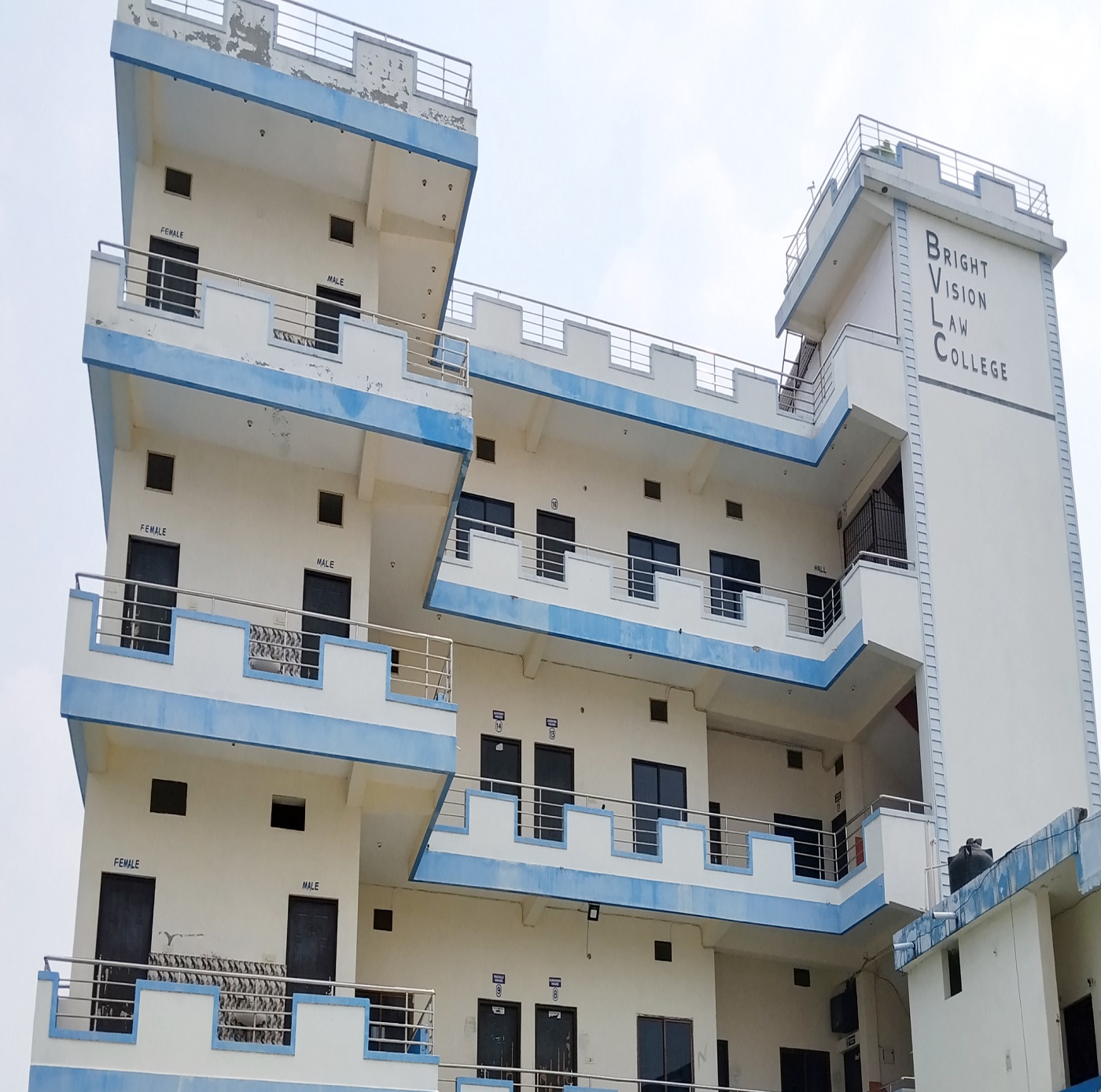
Bright Vision Law College was established in 2010 AD and is affiliated with Purbanchal University. The college is located at Samjhana Chowk, Biratnagar, Morang, Koshi Province, Nepal.
College: Bright Vision Law College
Location: Samjhana Chowk, Biratnagar, Morang, Koshi Province, Nepal
Affiliation: Purbanchal University
Phone: 021-503051, 021-503404, 9715503051
B.A.LL.B. stands for Bachelor of Arts, Bachelor of Laws.
The program runs for five academic years in full-time mode.
Students who have completed +2, PCL, or HS in any faculty from a board or university recognized by Purbanchal University can apply. The minimum requirement is 50 percent aggregate.
Admission is based on an entrance examination and personal interview.
The stated program capacity is 180 seats.
Yes. Clinical and practical courses include legal writing, community advocacy, rural law service, trial advocacy, appellate advocacy, professional development, and dissertation research.
Elective groups are included in the fourth and fifth years.
The elective groups cover Criminal Law, Business Law, Constitutional Law, and Environment and Development Law.
Yes. Dissertation is a fifth-year course carrying 50 marks.