If you plan to build a career in school teaching and educational services, the Bahchelor of Education (B.Ed.) at the Shahid Adarsha Campus, Rampur, Okhaldhunga (Tribhuvan University, UGC-recognized) gives a clear pathway from classroom learning to real practice.
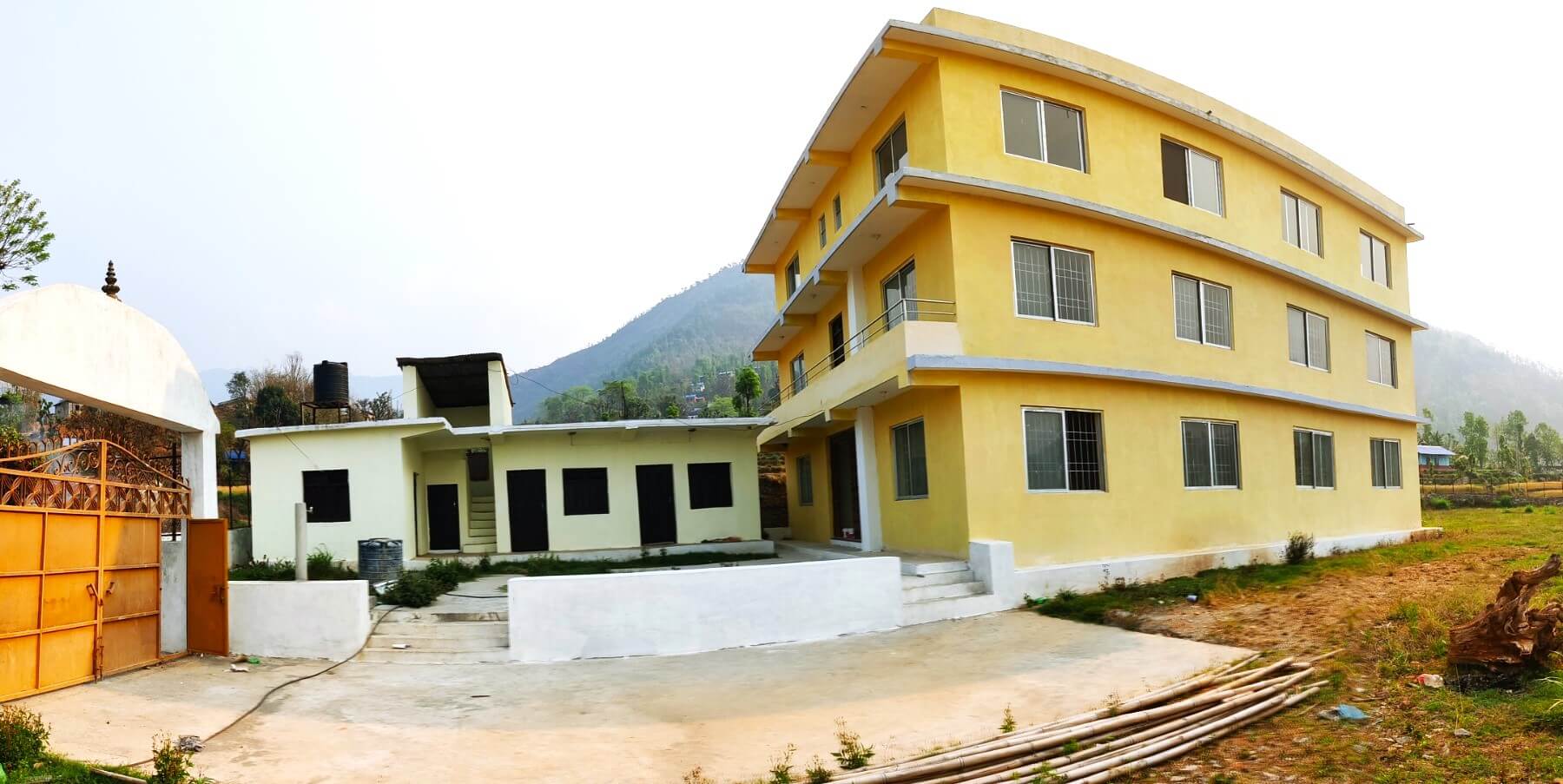
Shahid Adarsha Campus is a community campus established in 2002 AD (2059 BS) at Molung-2, Rampur, Okhaldhunga, Koshi Province. The campus runs the four-year B.Ed. under Tribhuvan University’s annual system. Students study one major and one minor subject and complete teaching practice at the end of the program.
TU-affiliated, UGC-recognized B.Ed. program
Major–minor structure across school subjects
Teaching practice (internship) in the final year
Facilities: multimedia, library support, sports, ECA, education tour, group discussion, and supervised teaching practice
Scholarships based on merit and need (economically deprived backgrounds)
Here’s what you’ll study over four years.
Structure: 22 courses, total 2200 marks; groups A–E (Communication Skills, Professional Core, Specialization Major, Specialization Minor, Teaching Practice).
Core subjects: General Nepali, General English, Educational Psychology, Curriculum and Evaluation, and an ICT elective.
Majors (choose one): Nepali, English, Mathematics, Science (Physical Science), Health & Physical Education, Population, Geography, Economics, History, Political Science.
Minors (choose one different from major): Same areas plus options such as Primary Education, ECD, Vocational, Non-formal, Education Management.
Teaching Practice: Conducted in the fourth year.
Students want clarity on what they will gain. This program builds subject mastery for school teaching, classroom management skills, and ethical practice grounded in Nepal’s curriculum needs.
Graduates serve in basic and secondary schools, community learning centers, NGOs working in education, and local government education projects.
Plan lessons, teach, and assess across two school subjects
Use ICT for instruction and evaluation
Apply Nepal-specific curriculum and evaluation frameworks in real classrooms.
Reading, writing, and academic communication
Pedagogy and classroom assessment
Subject methods (e.g., ELT methods; math teaching; science methods)
ICT in education and instructional technology
Students learn through lectures, workshops, micro-teaching, school observation, lesson planning, group discussion, project work, and a supervised internship in partner schools. Campus facilities (multimedia, ECA, tour) support these activities.
Eligibility: Grade 12/HSE or PCL (or equivalent) as per TU rules. Subject-wise criteria apply (e.g., English requires prior English/Linguistics or set marks in General English or a qualifying entrance; Health & Physical Education requires fitness as per department rules).
Worried about subject choice? The academic office guides you on pairing major and minor as per TU policy.
Secondary/basic level teacher in public or private schools
School coordinator or resource person after experience
Roles in education NGOs, community programs, and exam preparation support
Merit-based support and need-based assistance for students from economically deprived backgrounds (as per campus policy). Students should keep documents ready for verification.
You study under TU’s nationally used B.Ed. model, gain two-subject competence, and finish with a school-based practicum that links theory to real teaching.
This B.Ed. suits students who want structured teacher preparation in Okhaldhunga with clear subject pathways, field exposure, and recognized credentials.
How are major and minor selected?
Selection follows TU entry criteria and campus seat availability; the minor must differ from the major.
Is teaching practice mandatory?
Yes. Teaching practice in the fourth year carries separate marks and supervision.
Which ICT option is available?
Students take an elective from Instructional Technology or ICT in Education/specialized subject as per TU course list.