Bachelor of Computer System and Information Technology (BCSIT) at Shramik Shanti Campus (SSC), Chyasal, Lalitpur is a Pokhara University–affiliated undergraduate program offered from 2025. The campus began as a community campus established in 2007 (2064 BS) and later shifted its academic direction to Pokhara University for its current bachelor’s programs.
BCSIT suits students who want an IT degree that connects computing skills with real organizational needs. Many students start this program with a clear goal: get strong in programming and systems, understand how technology supports offices and services, and build job-ready habits through steady practice. SSC’s learning setting matters for that. The campus reports multimedia-supported classes, an ICT lab with high-speed internet, library access, and student-focused support services.
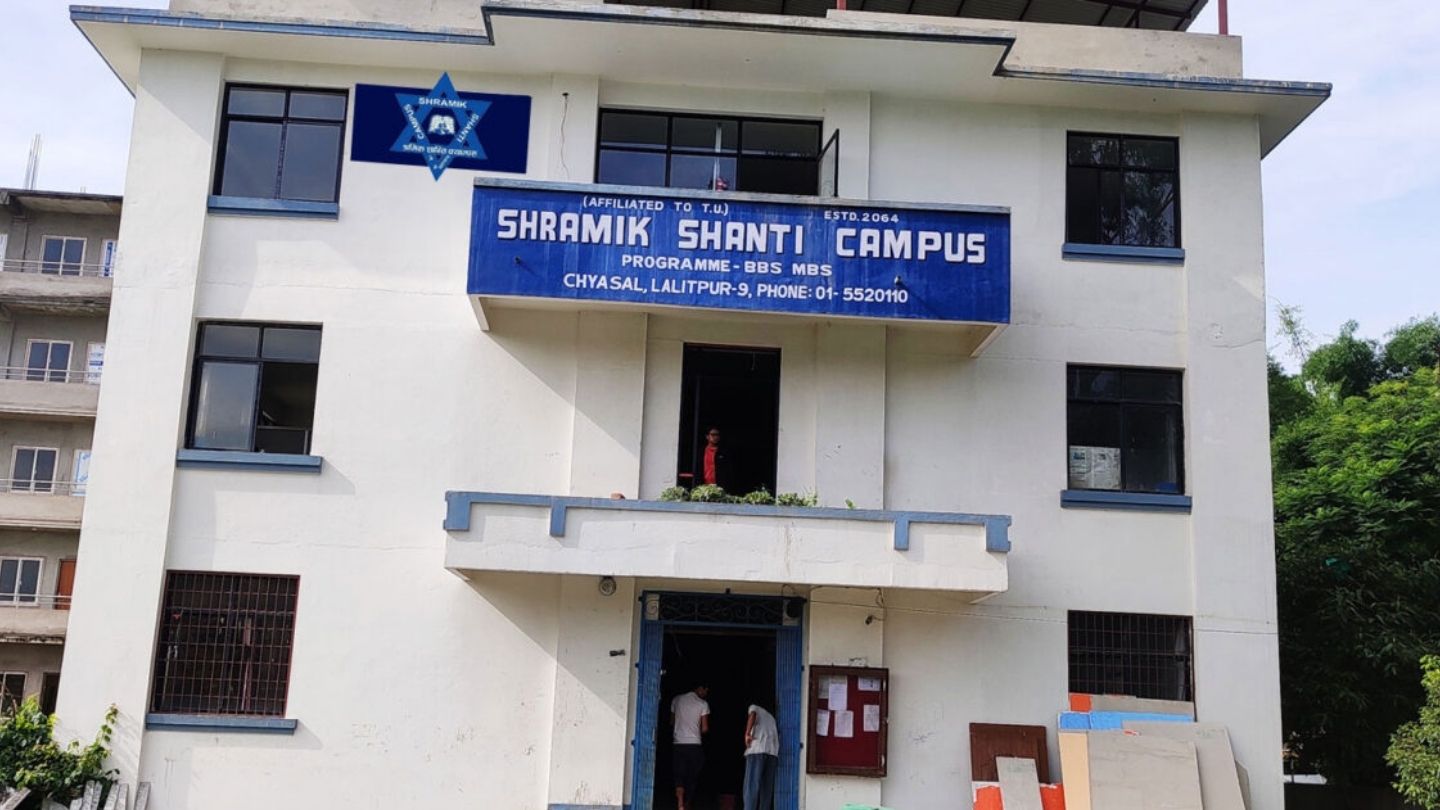
Program: Bachelor of Computer System and Information Technology (BCSIT)
University: Pokhara University (PU)
Program availability at SSC: From 2025
Seat information published for SSC: 48 seats for BCSIT
Campus setting: Chyasal, Lalitpur; community campus origin (2007/2064 BS)
Pokhara University runs its academic programs under a defined academic system that uses credit hours and semester-based course delivery. PU explains that one credit generally equals one lecture hour per week per semester, and a 3-credit course typically reaches about 48 class hours in a semester.
BCSIT curriculum ownership stays with Pokhara University. PU’s annual report shows curriculum structure work and curriculum detailing work (Sem I to Sem IV) for BCSIT under the Faculty of Management Studies, which signals an active university-level process for structure and updates.
Students should still check the latest official course list and semester-wise subjects through Pokhara University and the campus notice system during admission, since curriculum detail and revision timing depends on the university calendar.
BCSIT at SSC supports students who want to build capability in:
Computer systems thinking: how software, hardware, networks, and users connect in real settings
Information technology practice: planning, building, testing, and maintaining IT solutions inside organizations
Communication and teamwork: presenting work clearly and working responsibly in groups (important for lab tasks and class projects)
BCSIT fits students who plan to work in:
Software and web-related roles (development and support)
IT support and system operations
Database and information handling work
Tech roles inside banks, schools, businesses, NGOs/INGOs, and public offices that use information systems daily
The program also suits students who plan for later study in computing, information systems, or related fields, based on the recognition and academic structure under Pokhara University.
By the time you progress through the program, your learning should reflect outcomes such as:
Writing and reading code with a clear logic flow
Handling basic system setup and troubleshooting habits in lab and personal devices
Using databases and structured information for practical tasks
Understanding how organizations use IT for records, services, and operations
Working with deadlines, documentation, and feedback without losing learning quality
Students usually build skills through repeated practice rather than single “big” tasks. SSC reports a learning environment supported by computer lab access and multimedia-based classes, which helps students practice consistently.
Skill areas you should expect to work on through labs, assignments, and group tasks include:
Programming fundamentals and problem-solving habits
Database basics and structured data handling
Networking and system basics (setup, use, maintenance routines)
Web and application-related work appropriate to the PU curriculum sequence
Report writing, presentations, and classroom participation
SSC reports using lecture, group discussion, and interaction methods as core teaching approaches. The campus also notes steps taken to improve lesson planning, teaching materials use, technology access in classrooms, and library/study-room management.
Students often ask what this means in daily class life. It means you should expect:
Topic explanation first, then guided problem practice
Group discussion to test your understanding and remove confusion early
Interaction-based checks where teachers ask you to explain your steps, not only your final answer
Pokhara University lists BCSIT under undergraduate programs and provides eligibility requirements and academic thresholds on its official admission page. Key points include:
Science stream +2 (or equivalent) requirement for science and technology entry conditions shown on the PU page (subjects and grades).
Management entry conditions and minimum grade/percentage requirements shown on the PU page.
Pokhara University also notes that applicants complete the online application process, upload required documents, and follow entrance and merit-based steps for admission.
Pokhara University describes an online application approach for undergraduate admissions, document submission, entrance participation (as applicable), merit listing, and enrollment steps through official channels.
Students should keep digital copies ready for typical academic and identity documents during online submission, then follow campus instructions for verification and enrollment timelines.
SSC mentions scholarships across multiple categories as part of its student support environment. Pokhara University also states that it provides scholarship options (including full and partial forms) and runs scholarship processes through its centralized scholarship portal, with eligibility and quotas announced annually.
Students who rely on financial support should check:
Scholarship notices for the current intake
Eligibility rules and required documents
Deadline timing and submission method through PU systems
SSC describes several facilities that directly matter for BCSIT study habits:
ICT lab with high-speed internet
Library and basic campus services such as safe drinking water and canteen/snack house
Sports facilities (basketball, volleyball, badminton, table tennis) plus indoor games
Hostel planning status: hostel building construction reported as nearing completion
Students also benefit when a campus promotes regular attendance. SSC reports an attendance-based incentive approach, including fee discounts tied to attendance thresholds.
BCSIT prepares students for entry-level roles where a mix of computing and IT operations is needed. Common directions for graduates include:
Junior software or web-related roles (depending on your portfolio and practice)
IT support and helpdesk roles in offices, colleges, and service organizations
Assistant roles in database handling, records systems, or information services
Junior system or network support roles after additional practice and certification
Your outcome depends on your daily habits. Students who practice coding steadily, keep project documentation, and learn basic troubleshooting usually find it easier to show competence during internships, interviews, and workplace tests.
BCSIT fits you when:
You want a program that connects computer systems knowledge with workplace information needs.
You plan to build practical skills through lab time and disciplined study.
You prefer a campus setting that reports student support services, ICT access, and structured learning habits.
BCSIT may not fit you when:
You dislike regular practice and only study near exams. Programming and system work punish late preparation.
You want a purely theory-based route with minimal lab engagement.
Bachelor of Computer System and Information Technology (BCSIT) at Shramik Shanti Campus, Chyasal, Lalitpur is a Pokhara University–affiliated undergraduate option available from 2025, supported by campus facilities such as an ICT lab, library services, and student-centered support practices. Pokhara University’s official admission system and academic rules guide eligibility, application steps, and credit-hour structure.
Yes. The campus profile lists BCSIT under Pokhara University affiliation from 2025.
A published seat figure shows 48 seats for BCSIT at Shramik Shanti Campus.
Pokhara University lists eligibility requirements for BCSIT on its undergraduate admission page, including academic stream/subject and minimum grade thresholds.
SSC reports an ICT lab with high-speed internet and multimedia-supported classes.
SSC notes scholarships across categories, and Pokhara University describes scholarship types and application through its scholarship portal.