The Bachelor of Education (B.Ed.) at Shringeeshor Multiple Campus is a Tribhuvan University-affiliated four-year annual bachelor’s program offered in Rurukshetra Rural Municipality, Gulmi, Lumbini Province, Nepal. The campus runs the program within its community-based academic setting, where morning classes, experienced lecturers, library access, and student support services shape the learning environment.
At this campus, the B.Ed. program is part of the institution’s long-standing focus on Humanities, Education, and Management. It is designed as both an academic and professional program and follows the TU annual structure. The course combines communication skills, professional education studies, specialization subjects, and teaching practice, giving students a structured path toward teacher education.
Affiliated with Tribhuvan University
Four-year annual bachelor’s program
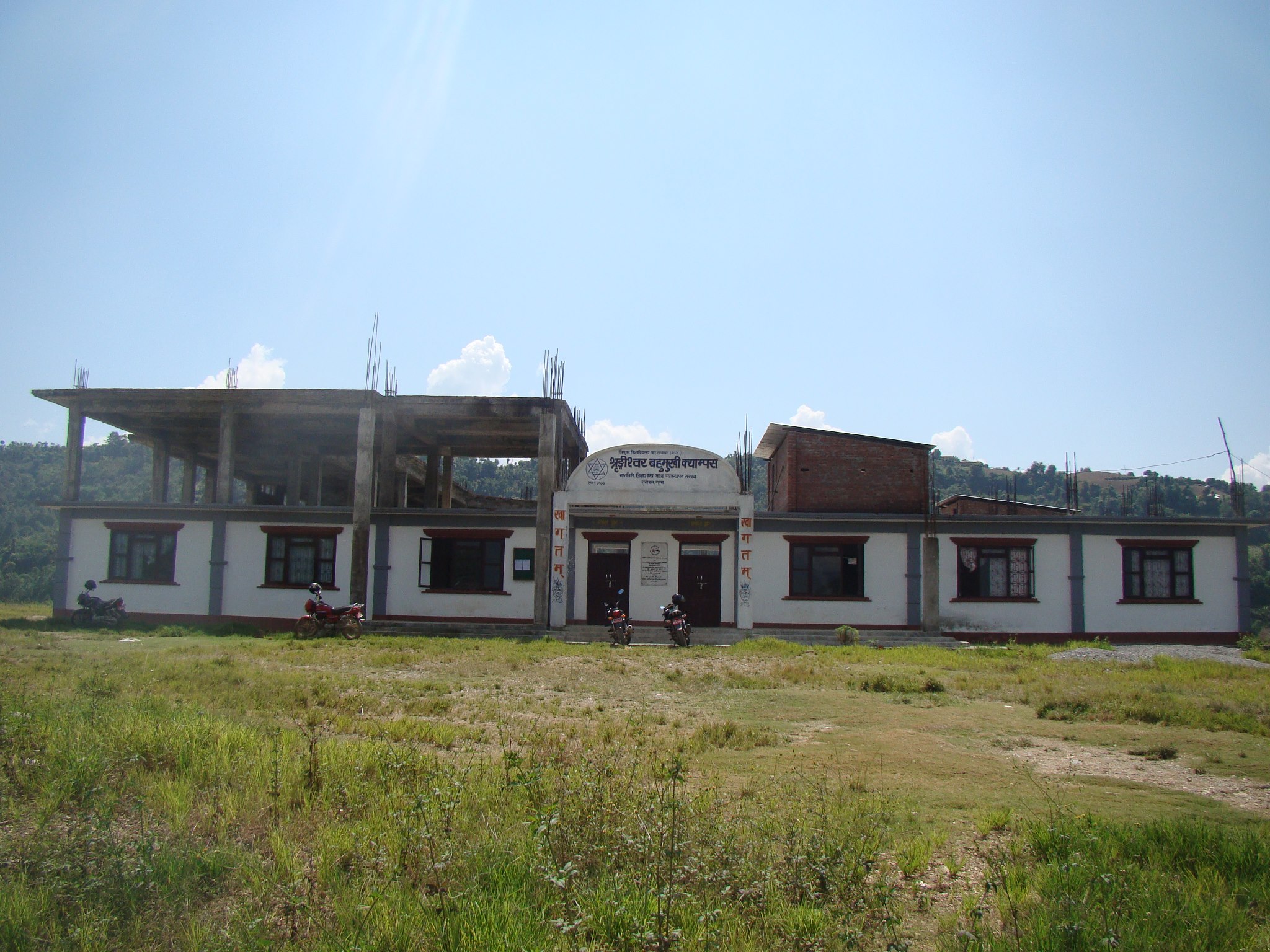
Offered at Shringeeshor Multiple Campus, Gulmi
Subject areas at the campus include Nepali, English, Economics, and Population
Includes teaching internship/practicum
Morning classes in a peaceful academic setting
Scholarships available under campus support categories
The TU four-year B.Ed. annual system is organized into 22 courses with a total of 2200 full marks.
Communication Skills: General Nepali and General English
Professional Core Areas: Philosophical and Sociological Foundations of Education, Educational Psychology, Curriculum and Evaluation, and one elective area
Specialization Major: 10 courses in the selected major subject
Specialization Minor: 5 courses in a subject different from the major
Teaching Internship/Practicum: 1 course in the final stage of the program
Prepare competent teachers for school-level teaching
Build academic and professional understanding of education
Develop subject specialization in selected areas
Connect theory, curriculum, and classroom practice
Support structured teaching practice under the annual system
The B.Ed. program gives students an academic base in education together with subject-focused study. At Shringeeshor Multiple Campus, it also connects with a local learning environment that supports students seeking higher education within Gulmi.
The program is suitable for students who want formal teacher education through a TU-affiliated bachelor’s degree. It also supports continued academic progression in education-related study.
Understanding of core educational concepts and classroom processes
Ability to study education through professional core subjects
Development of subject specialization and minor subject knowledge
Experience of teaching internship/practicum
Improvement in communication and academic study skills
Communication skills
Educational psychology
Curriculum and evaluation
Subject specialization
Minor subject study
Teaching internship/practicum
The program is delivered within the campus’s morning academic environment and is supported by experienced lecturers and basic learning facilities.
Classroom teaching
Subject-based lectures and guided study
Library-supported learning
Practical teaching exposure through practicum
Academic support through counseling and campus facilities
Secondary-level teaching in related subject areas
Academic progression to higher study in education
Education-related teaching support roles
Scholarships for Dalit students
Scholarships for Indigenous communities
Support for students with disabilities
Support for martyrs’ families
Support for students with weak economic conditions
Support for meritorious students
TU-affiliated four-year annual structure
Community-based campus in Gulmi
Peaceful morning classes
Experienced lecturers
Library, multimedia, counseling, and conference support
Sports and educational tour opportunities
Scholarship support for multiple student groups
Submit the prescribed admission form after the admission notice
Meet TU eligibility for the four-year B.Ed. program
Complete subject-related requirements where applicable
Submit required documents
Pay the prescribed admission fees for final enrollment
Class 12 / +2 or equivalent transcript
Character certificate
SLC/SEE and +2 or equivalent certificates
Transfer certificate
Migration certificate, if applicable
Citizenship or birth certificate copy
Passport-size photographs
Auto-size photographs as required
Completed admission form
Admission fee receipt
The B.Ed. program follows the TU annual system. Final examinations are conducted by Tribhuvan University through the Office of the Controller of Examinations. Academic registration, examinations, and results follow TU rules, guidelines, and the applicable academic calendar.
The B.Ed. program at Shringeeshor Multiple Campus brings together TU’s annual course structure and a community-based study environment in Gulmi. With specialization-based study, professional core courses, teaching practice, and campus scholarship support, it offers a clear undergraduate route for students pursuing teacher education.
The program follows the four-year annual system under Tribhuvan University.
The campus offers B.Ed. subject areas in Nepali, English, Economics, and Population.
Students who have completed Grade 12, Higher Secondary, PCL, or an equivalent qualification can apply under TU rules.
Yes. The TU B.Ed. structure includes a teaching internship/practicum component.
Final examinations are conducted by TU under the annual system, and results are published according to TU rules and the academic calendar.