Budhanilkantha Secondary School (बुढानिलकण्ठ माध्यमिक विद्यालय) is located in Narayansthan, Budhanilkantha, Kathmandu. Established in 1933 AD (1990 BS), the school offers school-level education, Ten Plus Two programs, and CTEVT diploma programs. Its Ten Plus Two programs are affiliated with the National Examinations Board (NEB), while its technical diploma programs are affiliated with the Council for Technical Education and Vocational Training (CTEVT).
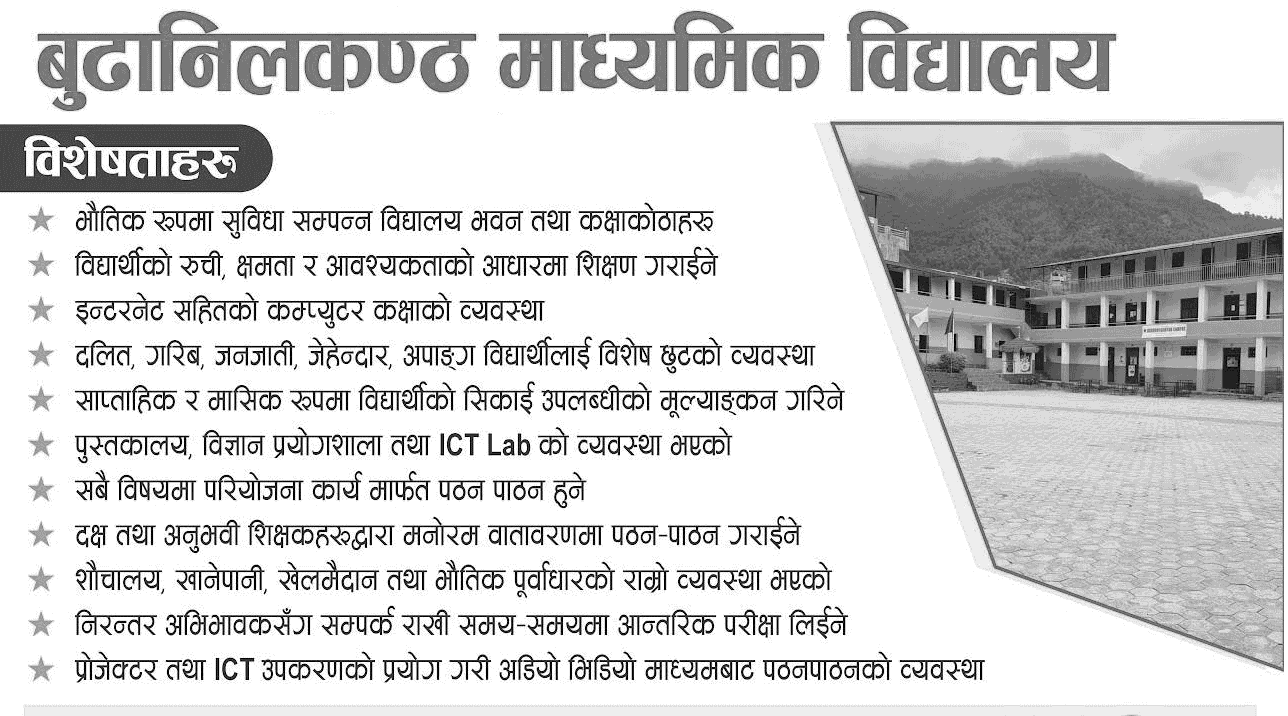
The school offers academic programs in Management, Humanities, Law, Education, Civil Engineering, and Computer Engineering. Its teaching approach includes classroom learning, projects, presentations, computer-based learning, practical activities, assessment, and inclusive classroom practices.
| Particulars | Details |
|---|---|
| Name | Budhanilkantha Secondary School |
| Nepali Name | बुढानिलकण्ठ माध्यमिक विद्यालय |
| Established | 1933 AD (1990 BS) |
| Location | Narayansthan, Budhanilkantha Municipality, Kathmandu |
| Academic Levels | School level, Ten Plus Two, CTEVT diploma |
| NEB Programs | +2 Management, +2 Humanities, +2 Law, +2 Education |
| CTEVT Programs | Diploma in Civil Engineering, Diploma in Computer Engineering |
| Diploma Seats | 48 seats in Civil Engineering and 48 seats in Computer Engineering |
| Student Support | Special discounts for Dalit, poor, tribal, talented, and disabled students |
| Learning Facilities | School building, classrooms, and computer classes with internet |
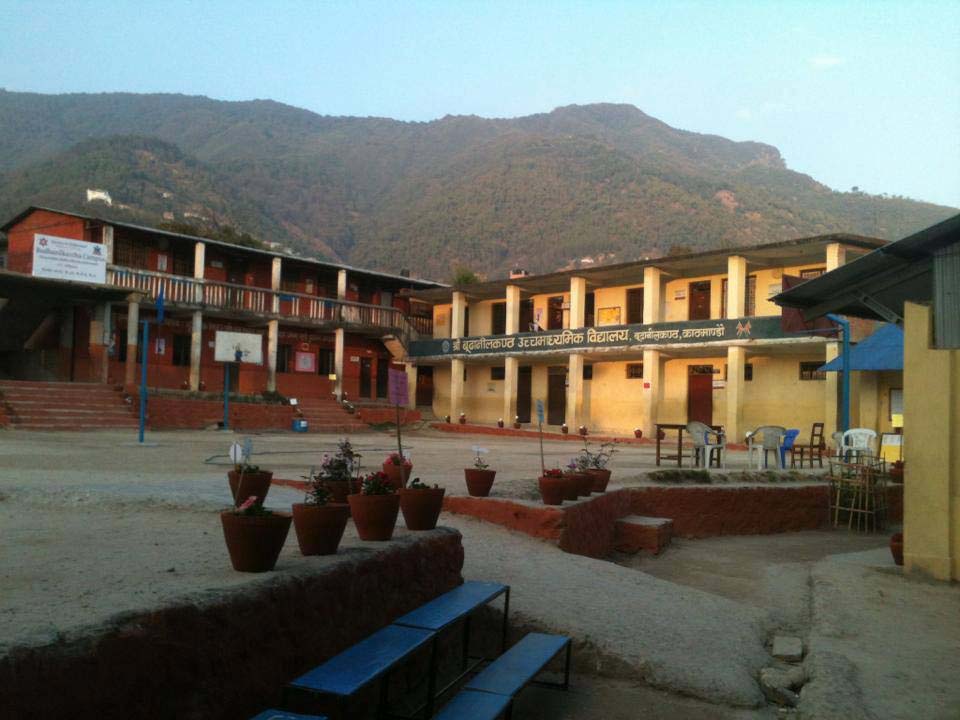
Budhanilkantha Secondary School offers both general academic and technical education pathways. NEB programs are offered at the Class 11 and Class 12 levels. CTEVT diploma programs are offered for students seeking technical education after SEE or an equivalent level as per CTEVT rules.
The school offers the following Ten Plus Two programs under NEB:
The Management stream introduces students to business and management-related study. Humanities focuses on society, culture, history, and social science-related learning. Law introduces legal principles and the legal system. Education supports students interested in teaching, pedagogy, and education-related study.
NEB-affiliated Class 11 and Class 12 programs follow the NEB academic and examination framework. Class 11 admission usually begins after SEE results. Students generally submit an application form, academic documents, photographs, and other required records. Depending on the stream and school process, admission may include an entrance test, interview, or merit-based selection.
Budhanilkantha Secondary School offers two CTEVT-affiliated diploma programs:
Diploma in Civil Engineering — 48 seats
Diploma in Computer Engineering — 48 seats
The Diploma in Civil Engineering is a three-year program under the semester system. The CTEVT curriculum includes six semesters. Entry criteria for the Civil Engineering diploma include SLC pass or SEE with minimum C grade in Compulsory Mathematics and Science and D+ in English, or Pre-Diploma in Civil Engineering with minimum 67.00%, along with passing the entrance examination administered by CTEVT.
The Diploma in Computer Engineering is listed with 48 seats at the school under the CTEVT-affiliated diploma program structure.
For NEB Class 11, admission normally follows the SEE result cycle. Students submit application forms and required academic records. The school may use an entrance test, interview, or merit-based selection depending on the program and admission practice.
After selection and fee payment, students are enrolled in Grade 11. Subject registration is completed through the school under the NEB system. Class 12 is the final national board examination stage under NEB, and NEB manages examination application processes, schedules, centers, and result publication.
For CTEVT diploma programs, admission and examination procedures follow the CTEVT system. The Diploma in Civil Engineering curriculum specifies a CTEVT-administered entrance examination and a three-year, six-semester structure.
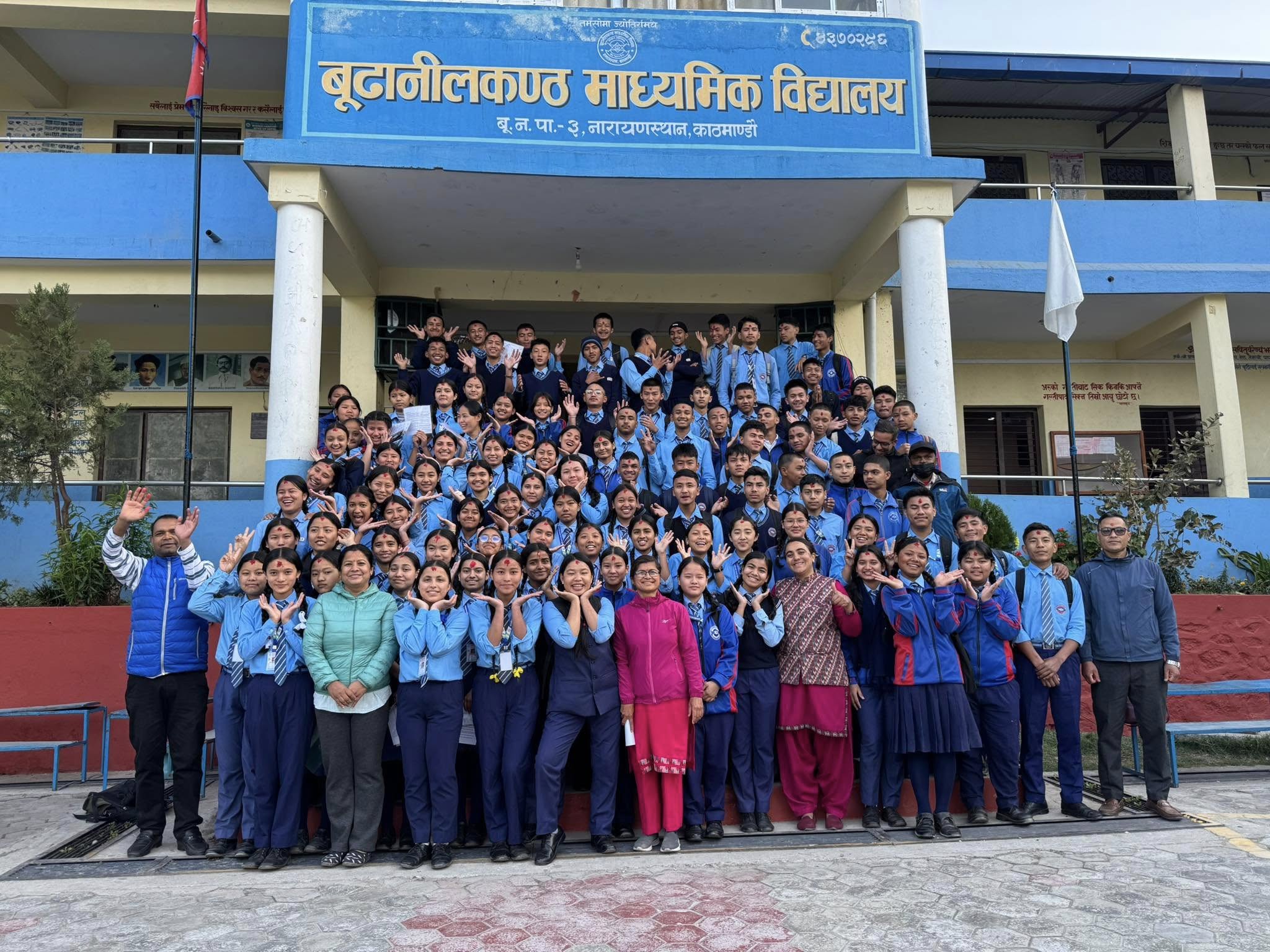
Budhanilkantha Secondary School follows a student-centered teaching approach. Teaching is arranged according to the interests, abilities, and needs of students. The school uses classroom instruction, group discussions, presentations, projects, and hands-on activities as part of the learning process.
Computer classes with internet are available. Technology is used as a teaching and learning tool. Practical application is included through examples, case studies, and field visits. The school also uses formative and summative assessments to monitor student progress.
Collaborative learning, peer interaction, inclusive classroom practices, and value-based education are part of the school’s teaching approach. The school also includes extracurricular activities for leadership, communication, and critical thinking skills.
Budhanilkantha Secondary School has a school building and classrooms for regular academic activities. It also arranges computer classes with internet access.
The school provides special discounts for Dalit, poor, tribal, talented, and disabled students. Its academic activities include classroom learning, technical education, extracurricular programs, and community-related participation.
The school’s stated mission focuses on a supportive and inclusive learning environment where students gain knowledge, skills, and values for personal and social development. Its objectives include offering academic programs suited to student interests, maintaining a respectful learning culture, supporting teamwork, and improving teaching methods and learning resources.
The school also gives attention to practical skills, critical thinking, problem-solving, ethical values, discipline, and community engagement.

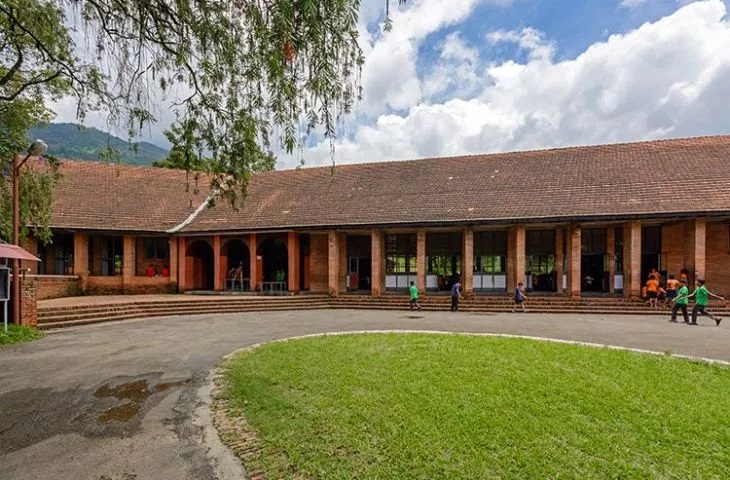
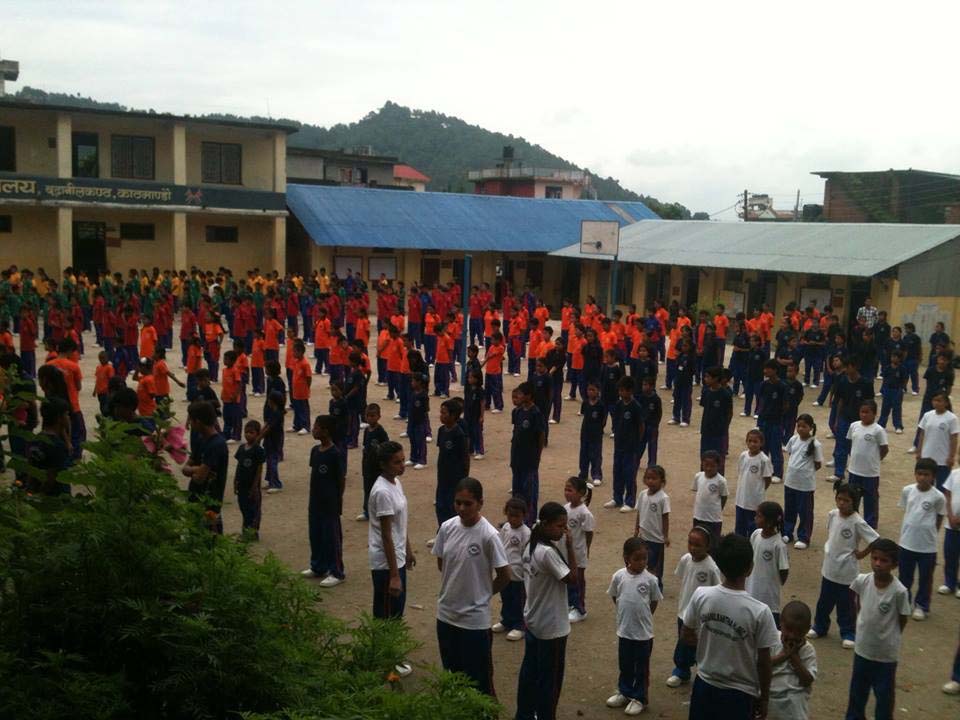
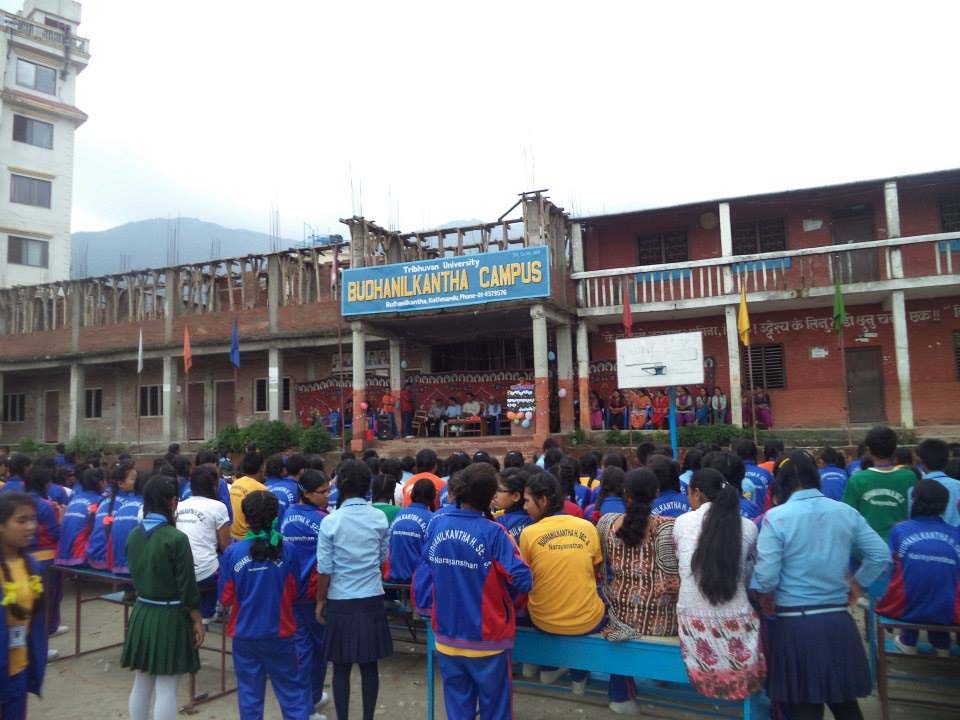
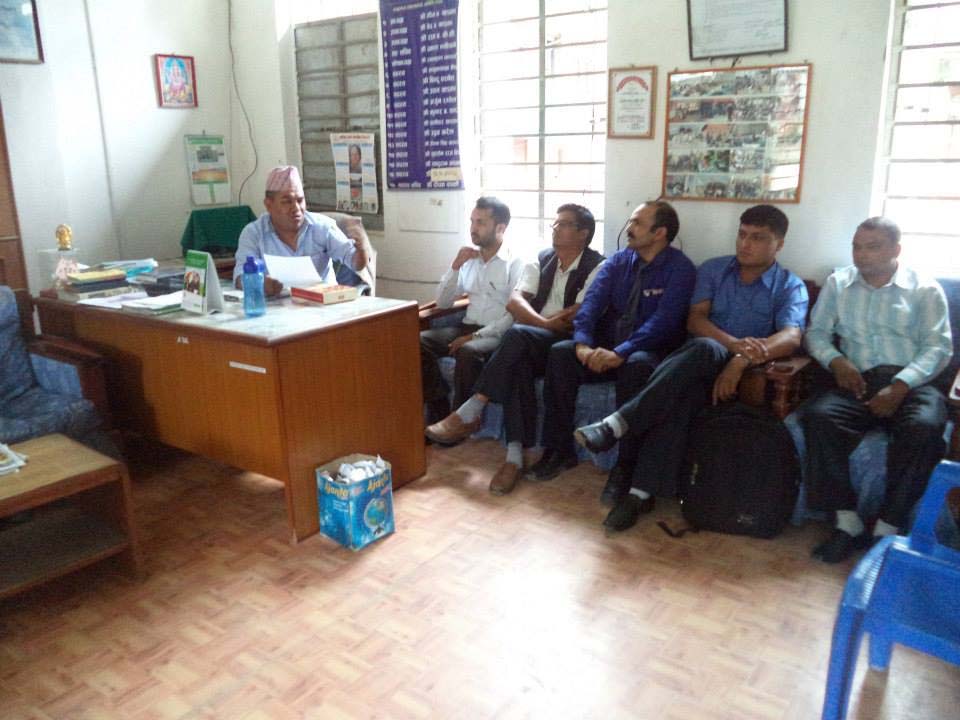
Budhanilkantha Secondary School is located in Narayansthan, Budhanilkantha, Kathmandu.
Budhanilkantha Secondary School was established in 1933 AD (1990 BS).
The school offers Ten Plus Two programs in Management, Humanities, Law, and Education under NEB.
The school offers Diploma in Civil Engineering and Diploma in Computer Engineering under CTEVT.
The school has 48 seats in Diploma in Civil Engineering and 48 seats in Diploma in Computer Engineering.
Diploma in Civil Engineering under CTEVT is a three-year program divided into six semesters.
The school provides special discounts for Dalit, poor, tribal, talented, and disabled students.