



Developing professional-grade visuals historically demands significant investments in specialized software, extensive technical training, and countless hours of meticulous manual labor. For modern content creators, marketing professionals, and digital designers, the relentless pressure to produce high-quality visual assets rapidly often results in severe creative bottlenecks and mismanaged campaign schedules. Attempting to balance multiple disjointed design applications only exacerbates this friction, creating a fragmented pipeline that drains both time and cognitive energy.
Connecting these isolated procedures into a singular, cohesive ecosystem fundamentally alters the production dynamic. By exploring an integrated AI Image Editor, digital professionals can effectively bridge the substantial gap between their initial conceptual ideas and the finalized visual assets without constantly battling traditional technical constraints.
Unpacking Mechanics Behind Banana Pro AI Visual Asset Generation
The landscape of digital design is currently experiencing a profound transition, shifting away from linear, manual pixel manipulation toward intelligent, prompt-driven generation systems. At the core of this transformation is the integration of diverse neural network models designed to interpret semantic language and translate it into complex visual data. Rather than relying on a single underlying architecture, contemporary platforms aggregate multiple industry-leading engines.
In my testing, having access to various generation models on a unified platform appears more stable and versatile for complex campaigns than jumping between separate specialized websites. This aggregation ensures that users can select the specific algorithm that best aligns with their desired aesthetic, whether that requires photorealistic precision, stylized animation, or classic artistic interpretations.
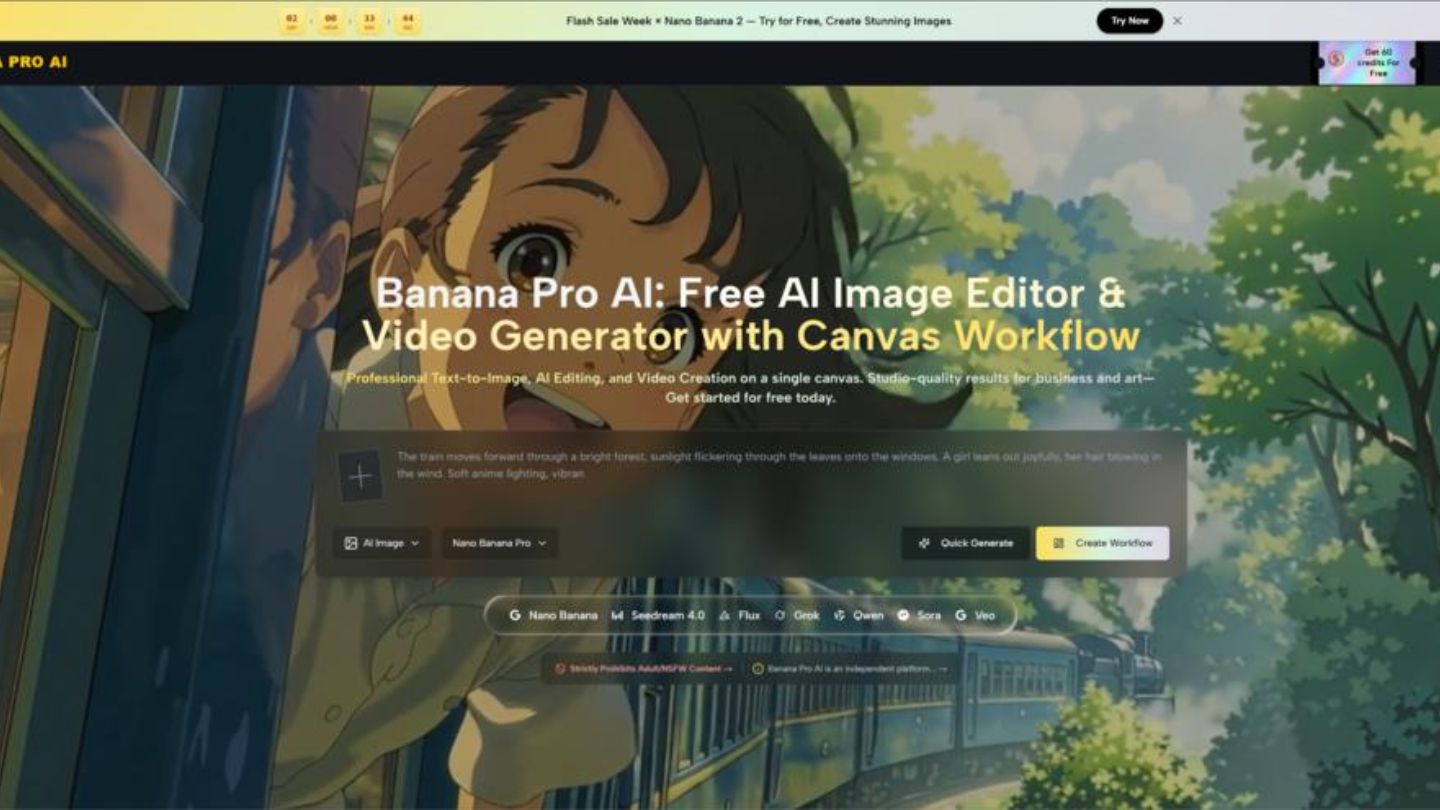
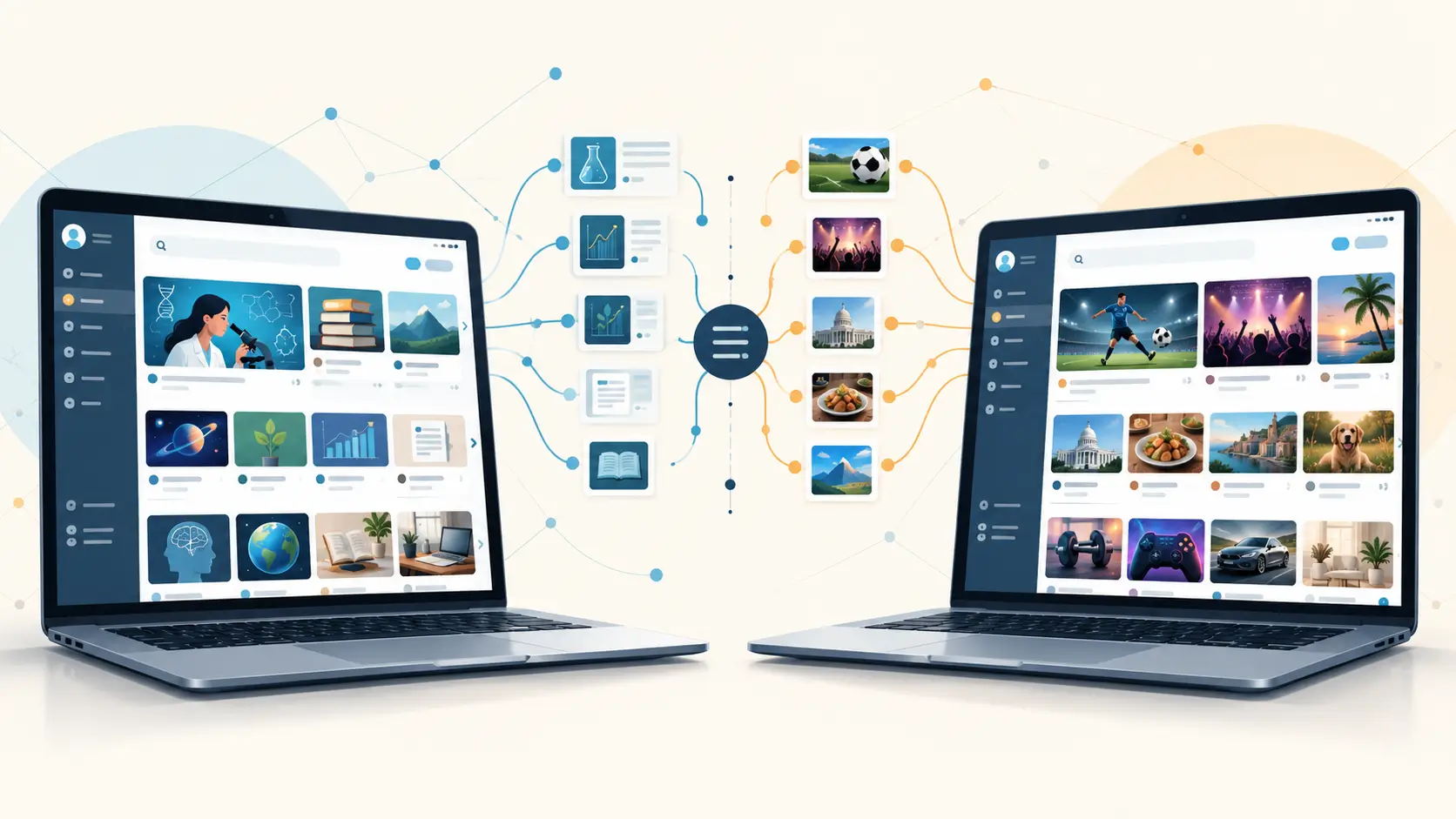
A particularly notable advancement in this sector is the implementation of visual, node-based canvas environments. Instead of a rigid, step-by-step wizard interface, a canvas workflow allows users to map out their entire creative process visually. You can place a text-based generation node on the screen, draw a connection to a secondary modification node to alter specific elements, and subsequently route that output directly into a motion generation node. This modular approach transforms fragmented tasks into a continuous, flowing pipeline.
I have observed that this method significantly reduces the cognitive load required to manage multi-stage projects. Industry researchers consistently note that the market is rapidly moving toward these comprehensive creative studios, prioritizing uninterrupted workflows over isolated point solutions as detailed in recent digital productivity reports published at visual-tech-insights-journal.
Furthermore, the capability to process multiple variations simultaneously is altering how creative teams approach A/B testing and conceptual exploration. When a single directive can yield several distinct interpretations in a matter of seconds, the focus of the designer shifts from mechanical execution to strategic curation.
This acceleration allows for broader creative experimentation within strict corporate deadlines, ensuring that the final selected asset is chosen from a wide pool of viable options rather than settling for the first acceptable draft.
Navigating The Four Official Steps For Banana Pro AI Production
-
Describe or Upload: Initiate the creative sequence by providing a detailed text prompt outlining your specific visual requirements, or upload an existing reference photograph to serve as the structural foundation for the desired transformation.
-
AI Processing: The designated intelligent engine instantly analyzes the provided input, interpreting semantic context and structural parameters to generate original pixel data or apply complex style transfers to the uploaded media.
-
Style and Refine: Utilize the integrated controls to apply specific aesthetic presets, adjust granular details, and direct the system to generate multiple diverse variations until the visual output perfectly matches the initial project intent.
-
Download and Use: Export the finalized, high-resolution visual assets directly from the platform. These generated files are immediately ready for deployment across various professional channels, complete with full commercial usage rights.
Evaluating AI Image Editor Capabilities Against Traditional Graphic Paradigms
Evaluating AI Image Editor Capabilities Against Traditional Graphic Paradigms
|
Capability Focus |
Traditional Graphic Software Methodology |
|
|
Initial Asset Creation |
Requires manual sketching, element sourcing, and composition building |
Automated generation directly from descriptive semantic text prompts |
|
Aesthetic Style Application |
Demands complex, multi-layered filter adjustments and color grading |
Instantaneous style transfer utilizing trained artistic neural models |
|
Project Workflow Structure |
Linear layer stacks confined within isolated, discrete project files |
Unified visual node canvas supporting complex multi-step pipelines |
|
Output Batch Processing |
Tedious manual duplication and individual manipulation of every file |
Simultaneous generation of multiple distinct visual interpretations |
|
Commercial Licensing |
Often requires managing separate licenses for individual stock elements |
Comprehensive commercial rights inherently included with generated output |
Addressing Practical Limitations Within Banana Pro AI Generative Systems
Despite the impressive technological strides made in automated visual production, it is essential to approach these systems with a realistic understanding of their current operational boundaries. These tools are exceptionally powerful, yet they are not entirely autonomous creative entities.
The quality, accuracy, and relevance of the final output are heavily dependent on the clarity, specificity, and structural logic of the user's initial prompt. Vague or conflicting instructions will inevitably produce disjointed or unsatisfactory results.
In my practical usage, I have noticed that achieving a highly specific, complex composition rarely happens on the very first attempt. It usually requires a process of iterative refinement, where the user must analyze the initial output, identify the discrepancies, and adjust the descriptive parameters accordingly.
Multiple generations are frequently necessary to dial in the exact lighting, spatial relationships, and minute details required for professional deployment. Acknowledging this reliance on human guidance and iterative prompting is crucial for integrating these tools effectively into professional timelines without unrealistic expectations of instant perfection.
Moreover, while the systems excel at generating broad concepts and established styles, they can sometimes struggle with highly specific typographical requests or unconventional spatial logic that defies standard training data.
Users must remain actively engaged in the curation and refinement process, acting as art directors who guide the machine learning models toward the desired objective rather than passive recipients of an automated service.
Assessing The Future Trajectory Of Banana Pro AI Content Workflows
The convergence of text-to-image processing, intelligent modification, and motion generation within a singular, accessible canvas environment represents a meaningful evolution in the mechanics of digital design.
By deliberately lowering the technical barriers traditionally associated with high-end graphic production while maintaining commercial-grade output standards, these integrated platforms are redefining how visual assets are conceptualized and delivered.
This shift enables marketing teams, educators, and content creators to allocate their resources toward strategic messaging and conceptual direction, fundamentally streamlining the visual production lifecycle for the modern digital economy.





Comments 0
No comments yet. Be the first to start the conversation.