



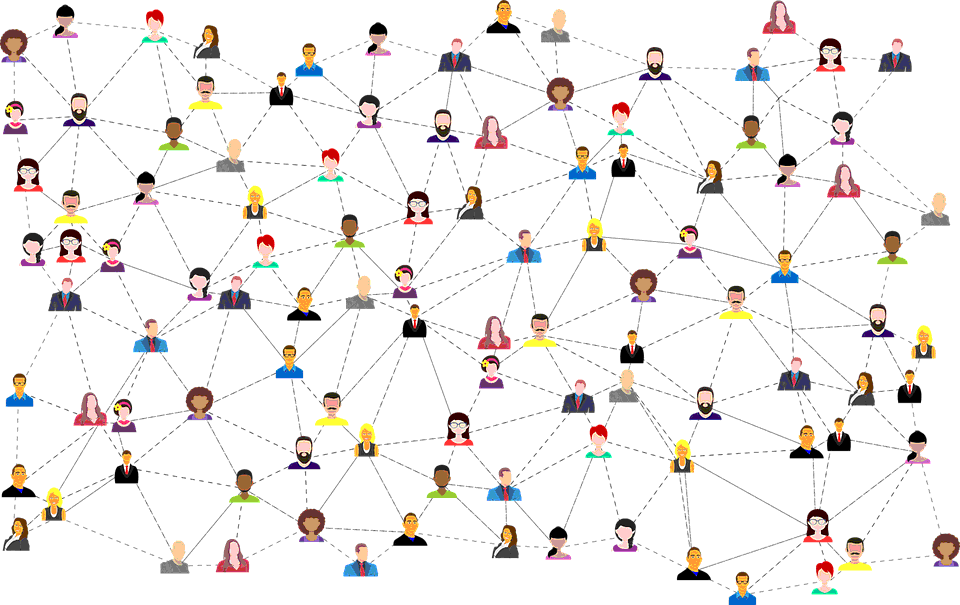
In today’s connected world, elections increasingly play out across digital platforms. Social media and related technologies have changed how candidates communicate, how voters encounter information, and how political narratives spread. These shifts bring clear benefits—faster outreach, lower-cost engagement, and new ways to participate—but also serious risks, including manipulation, polarization, and the rapid circulation of false information.
This article examines how social media and technology influence political campaigns and voter behavior, and what these changes mean for election integrity.
How Digital Platforms Have Rewired Political Campaigns
1) Direct communication at scale
Social media enables candidates and parties to reach voters without relying entirely on traditional gatekeepers such as newspapers or television. Campaign messages can be published instantly, amplified by supporters, and tailored for different audiences.
This shift has also changed the campaign “news cycle.” Statements, clips, and controversies can trend within minutes, forcing campaigns to respond faster and communicate more frequently.
2) Targeted outreach and microtargeting
Digital campaigning often relies on paid advertising and data-driven targeting. Campaigns can deliver different messages to different segments based on broad factors such as location, language, interests, or online behavior. This can make outreach more relevant, but it also raises concerns about transparency—especially when voters do not see the full range of claims made to other groups.
3) Fundraising and volunteer mobilization
Online platforms can lower the barrier for small donations and volunteer recruitment. Campaigns can use social media to share calls to action, recruit local organizers, and coordinate events.
A widely referenced example is Barack Obama’s 2008 U.S. presidential campaign, which is often cited for pioneering modern digital organizing to mobilize supporters and raise funds.
4) The rise of “always-on” campaigning
With constant online engagement, campaigns increasingly operate as continuous communication machines rather than short bursts around major events. This can increase participation, but it also encourages attention-driven tactics—short clips, emotional framing, and conflict-based messaging that performs well on algorithmic feeds.
How Social Media Can Influence Voter Behavior
Voter behavior is shaped by many factors—identity, economic conditions, local issues, family and community networks, and offline media. Social media is one influence among many, but it can affect what people see, discuss, and believe.
1) Political information exposure
For many users, social media is a major pathway to political news. This can broaden access—especially for younger audiences—but it also increases reliance on content that is not always verified or contextualized.
2) Mobilization and turnout cues
Campaigns and civic groups can use platforms to encourage registration, promote debates and rallies, and remind people about voting dates and polling logistics. These prompts can reduce “information friction” and make participation easier.
3) Social influence and peer dynamics
Social media is not only about candidate messaging; it also amplifies peer-to-peer persuasion. People encounter political content shared by friends, family, and influencers, which can shape perceptions through social endorsement (“people like me believe this”).
4) Echo chambers, filter bubbles, and polarization
Algorithmic feeds often prioritize content that matches user preferences or drives engagement. Over time, this can narrow exposure to opposing viewpoints and intensify in-group identity, contributing to polarization. The outcome is not uniform—some users encounter diverse content—but the risk increases when people rely on a single platform or a small set of accounts for political information.
5) Persuasion through paid political advertising
Political ads on social media can be persuasive because they are timely, repeated, and tailored. The concern is not only “ads exist,” but whether voters can clearly identify who paid for them, what data shaped targeting, and whether claims are subject to meaningful scrutiny.
The Hard Problem: Misinformation, Disinformation, and Trust
The strongest concerns about social media and elections involve information integrity.
-
Misinformation refers to false or misleading information shared without intent to deceive.
-
Disinformation refers to false or misleading information shared deliberately to manipulate.
The 2016 U.S. presidential election is frequently referenced in discussions about how false stories and coordinated influence efforts can spread quickly online. Regardless of country, the underlying vulnerability is similar: viral content can outpace verification, and emotionally charged narratives often travel faster than corrections.
When voters doubt the reliability of what they see—or doubt that elections are administered fairly—trust in democratic institutions can erode. That erosion can persist long after the election itself.
Beyond Social Media: The Technology Stack Behind Modern Elections
The “technology shaping politics” is larger than social platforms alone. Key components include:
1) Data analytics and campaign optimization
Campaign teams use dashboards, surveys, and audience analytics to test messages, refine outreach, and allocate resources. This can improve efficiency, but it can also push campaigns toward hyper-optimized messaging that prioritizes performance over public deliberation.
2) Generative AI, deepfakes, and synthetic content
AI tools can produce realistic text, images, audio, and video. This lowers production costs for legitimate campaign content, but also makes impersonation, fabricated quotes, and deceptive media easier to create and distribute. The result is a higher verification burden on journalists, platforms, and the public.
3) Messaging apps and closed networks
Political content increasingly spreads in private or semi-private spaces (group chats, encrypted messaging, closed communities). These channels can support community organizing but are harder to monitor for coordinated deception.
4) Platform rules and enforcement
Technology companies influence election discourse through policies on political ads, content moderation, recommendation algorithms, and account authenticity. Even when policies exist, enforcement consistency and transparency remain ongoing challenges.
Ethical and Governance Questions That Matter
As digital campaigning grows, several practical questions shape the fairness of elections:
-
Transparency: can voters easily see who is behind a message and whether it is paid?
-
Accountability: how are false claims corrected, and by whom?
-
Equity: do digital tools amplify some voices while excluding others (language, geography, connectivity)?
-
Privacy: what data is collected, how is it used, and can citizens meaningfully consent?
-
Integrity: how are coordinated manipulation campaigns detected and deterred?
These are not problems that campaigns, platforms, or regulators can solve alone. They require shared standards and measurable enforcement.
What This Means for Voters
A realistic approach is not to “avoid social media,” but to use it with stronger verification habits:
-
Treat viral posts as unverified until confirmed by multiple credible sources.
-
Watch for emotionally manipulative framing (outrage, fear, certainty without evidence).
-
Check the original source of a claim, not just screenshots or reposts.
-
Separate opinion from reporting; both have value, but they are not the same.
-
Be cautious with sensational “breaking” content close to election days.
Conclusion
Social media and modern technologies have reshaped elections by accelerating communication, enabling targeted outreach, and expanding opportunities for participation. At the same time, they have introduced high-stakes risks—misinformation, disinformation, polarization, and reduced trust—especially when transparency and accountability are weak.
The overall impact is not purely positive or negative. It depends on how campaigns use these tools, how platforms design and enforce policies, how regulators set fair rules, and how voters evaluate what they see. Strengthening election integrity in the digital age requires both institutional safeguards and everyday media literacy.







Comments 0
No comments yet. Be the first to start the conversation.