




Why Universal Internet Access Matters for Closing the Digital Divide
Universal internet access can sound like a technical milestone. In daily life, it often looks like something simpler: whether a student can complete homework without traveling for a signal, whether a job seeker can upload documents reliably, whether a small shop can communicate with suppliers, and whether families can reach public services that increasingly operate through online portals.
This is the practical meaning of the digital divide: who can connect, who can use the internet in ways that support real tasks, and who gains the benefits that education, work, and public life now expect. The ITU reports that around 74% of the world’s population was online in 2025 (about 6 billion people), leaving about 2.2 billion offline. Even for people counted as “online,” day-to-day access can remain fragile if service is costly, unreliable, or limited to a single shared device.
This article is informational and does not provide legal, medical, or financial advice.
What this guide will help you do is separate “having some connectivity” from “having usable connectivity.” It explains the components of meaningful access, how to evaluate options in households and schools, and what outcomes connectivity can support (and what it cannot solve on its own).
Table of Content
- Why Universal Internet Access Matters for Closing the Digital Divide
- Explain: What the Digital Divide Covers
- Inform: What Universal Internet Access Requires
- Practical Insight: How to Evaluate and Improve Access
- Outcomes and Limitations: What Changes and What Doesn’t
- Conclusion
- FAQs
- Reference
Explain: What the Digital Divide Covers
The digital divide is not only “online vs offline”
A binary definition (“connected” or “not connected”) is easy to understand, but it hides the barriers that shape outcomes. A student who can open a messaging app once a day is “online,” yet that access may fail for video lessons, document downloads, practice exams, or research. Many explainers describe the digital divide as multi-factor, including affordability and quality, not only access.
A practical way to think about the divide is as an “access stack.” If any layer is weak, people face limits even if a network exists nearby:
-
Availability: can people connect where they live and study?
-
Quality: is the connection stable enough for learning and work tasks?
-
Affordability: can households sustain the cost over time?
-
Devices: do people have a capable device for their tasks?
-
Skills: can they use services and tools confidently?
-
Security: is the environment safe from fraud, harassment, and insecure networks?
This stack approach is closely aligned with the ITU’s “universal and meaningful connectivity” framing.
Access vs use: why coverage does not guarantee participation
One of the most important distinctions is coverage vs adoption. In many regions, mobile broadband coverage has expanded, yet adoption lags. GSMA reporting emphasizes that barriers such as affordability, skills, and relevance can keep people offline even within coverage areas.
This matters for how people describe the problem and how they respond to it. If the problem is described only as “more infrastructure,” solutions tend to focus on towers and cables. Infrastructure is necessary, but it does not resolve affordability, device access, or safety concerns.
Universal access vs meaningful connectivity
Universal internet access often means that everyone can get online somehow. Meaningful connectivity raises the expectation: everyone can use the internet in conditions that support learning, work, services, and participation. The ITU explains meaningful connectivity through six interdependent dimensions: quality, availability, affordability, devices, skills, and security.
The six dimensions: quality, availability, affordability, devices, skills, security
-
Quality: speed, latency, and reliability that support real tasks
-
Availability: usable access where and when people need it
-
Affordability: costs that do not force households to choose between access and essentials
-
Devices: suitable devices that can run required applications and support accessibility needs
-
Skills: ability to use services, evaluate information, and manage accounts safely
-
Security: protection against fraud, unsafe networks, harassment, and abusive monitoring
Who is most affected and why gaps repeat
Gaps repeat because they track other inequalities:
-
Geography: rural and remote areas face higher last-mile costs
-
Income: low-income households face higher cost burden for service and devices
-
Education systems: students are penalized when learning assumes home access
-
Accessibility: people with disabilities face barriers when tools and content are not accessible
-
Language and relevance: when key services are not available in languages people use
For learners, home access is a major divider. UNICEF and ITU’s joint report documents large gaps in children and young people’s access at home, including differences by rural/urban residence and household wealth.
Inform: What Universal Internet Access Requires
Infrastructure basics: backbone, middle mile, last mile
Internet availability depends on layers of infrastructure:
-
Backbone networks that connect regions and international gateways
-
Middle-mile transport networks that bring capacity closer to communities
-
Last-mile connections to homes, schools, clinics, and businesses
Weak middle-mile capacity can create poor performance even where last-mile links exist. Missing last-mile links can force people to travel to find a stable signal.
Fixed broadband, mobile broadband, satellite, and community networks
Different technologies fit different contexts:
-
Fixed broadband (often fiber or cable): useful where many people share access (schools, households)
-
Mobile broadband: often the first on-ramp for individuals and dispersed communities
-
Satellite: relevant for remote areas, emergencies, and difficult terrain
-
Community networks: local connectivity efforts that can work when the policy environment supports them
No option is “best” everywhere. The practical test is whether the option supports the tasks people must complete, reliably and at a sustainable cost.
Affordability: why price is not the only cost
Affordability is not only the monthly bill. It includes:
-
Prepaid pack structures that encourage data rationing
-
Taxes and fees that raise consumer prices
-
Device purchase and replacement cycles
-
Travel time and transport costs when people must leave home to connect
Affordability connects directly to the usage gap: even with coverage, people may not adopt service if cost and device barriers remain high.
Competition, fees, subsidies, and public access options
Common affordability approaches include:
-
Competition and infrastructure sharing to reduce duplication costs
-
Targeted support for low-income households, where programs exist
-
Public access points (libraries, community centers, school-based access after hours)
-
Transparent coverage and performance information that lets consumers compare options
The Broadband Commission’s “State of Broadband” framing treats access, affordability, and use as linked, which reflects how these barriers interact in real life.
Devices: the missing half of connectivity
A network is less useful without a suitable device. For many students, “access” can mean one shared phone in a household, limited storage, or a device that cannot run required learning platforms. Device constraints shape tasks: long writing, coding practice, spreadsheets, and form-heavy applications can be difficult on a small screen.
Device strategies that appear across education and inclusion programs include:
-
Repair and refurbishment ecosystems
-
Shared-device lending models (libraries, learning centers)
-
School procurement and maintenance planning
-
Accessibility-focused procurement for learners with disabilities
Skills: from basic use to safe use
Digital skills include basic navigation, creating documents, managing accounts, and recognizing fraud. OECD’s education framing highlights that unequal opportunity comes from gaps in connectivity and devices, along with differences in skills and affordability.
Language, disability access, and safety barriers
Connectivity does not translate into opportunity when:
-
Critical services are not available in languages people use
-
Websites and apps do not work with assistive technologies
-
Harassment and abuse risks push some users away from online spaces
Skills programs that include safety practices (privacy settings, scam awareness, account recovery) tend to support longer-term use because they reduce fear and financial risk.
Safety and trust: privacy, fraud, harassment, and misinformation
Safety and trust are not add-ons. A household that experiences repeated scams may reduce online banking use; a student who faces harassment may avoid participation in online learning communities. The ITU includes “security” as a core dimension of meaningful connectivity for this reason.
Practical safety topics that affect adoption include:
-
Secure passwords and account recovery
-
Safe use of shared devices
-
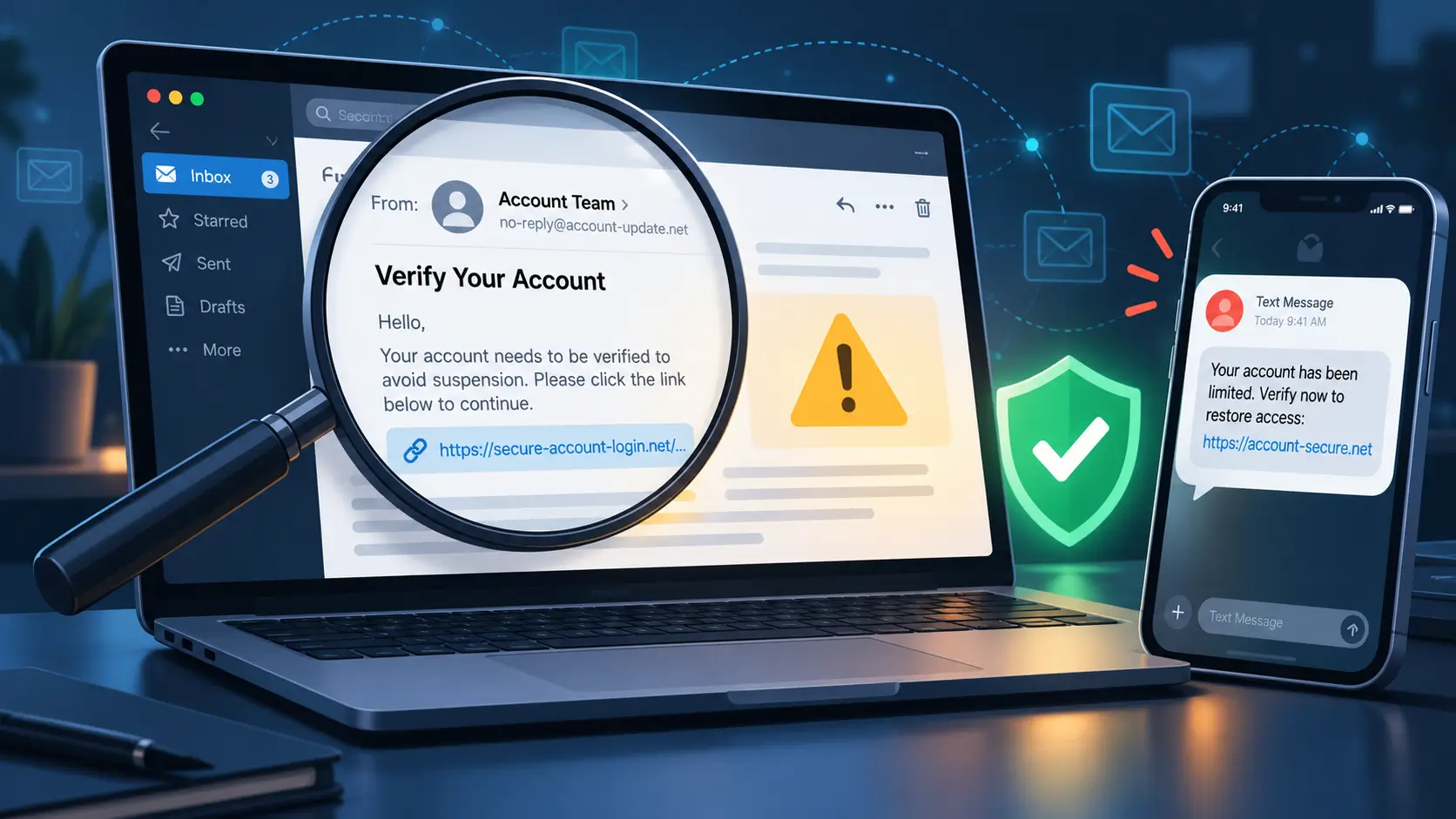
Recognizing phishing and common fraud patterns
-
Safe browsing practices on public Wi-Fi
-
Reporting pathways for harassment and abuse
Measuring progress without misleading metrics
Some measures count a person as connected if they used the internet once in a recent period. That can hide the difference between occasional access and access that supports education and work. A4AI argues for “meaningful connectivity” measures that reflect quality and the ability to use the internet in ways that matter.
A measurement approach that matches real-life experience often separates:
-
Availability: can people connect where they live and study?
-
Use: do they use the internet regularly for practical tasks?
-
Quality: does it work reliably for learning and work needs?
-
Affordability: is cost sustainable relative to household resources?
-
Capability: do people have devices and skills to benefit?
Practical Insight: How to Evaluate and Improve Access
This section focuses on evaluation: what to check before treating a community, school, or household as “connected.”
Household and student checklist
-
List your required tasks
Examples: school portals, assignments, research, job applications, training platforms, government services. -
Check reliability at the times you need it
Congestion often appears in evenings when many households are online. -
Calculate the full access cost
Include data or monthly fees, device maintenance, and travel costs if you need to go elsewhere to connect. -
Match devices to tasks
A phone supports many needs, but long writing, exam platforms, and complex forms often benefit from a larger device. -
Set basic safety habits
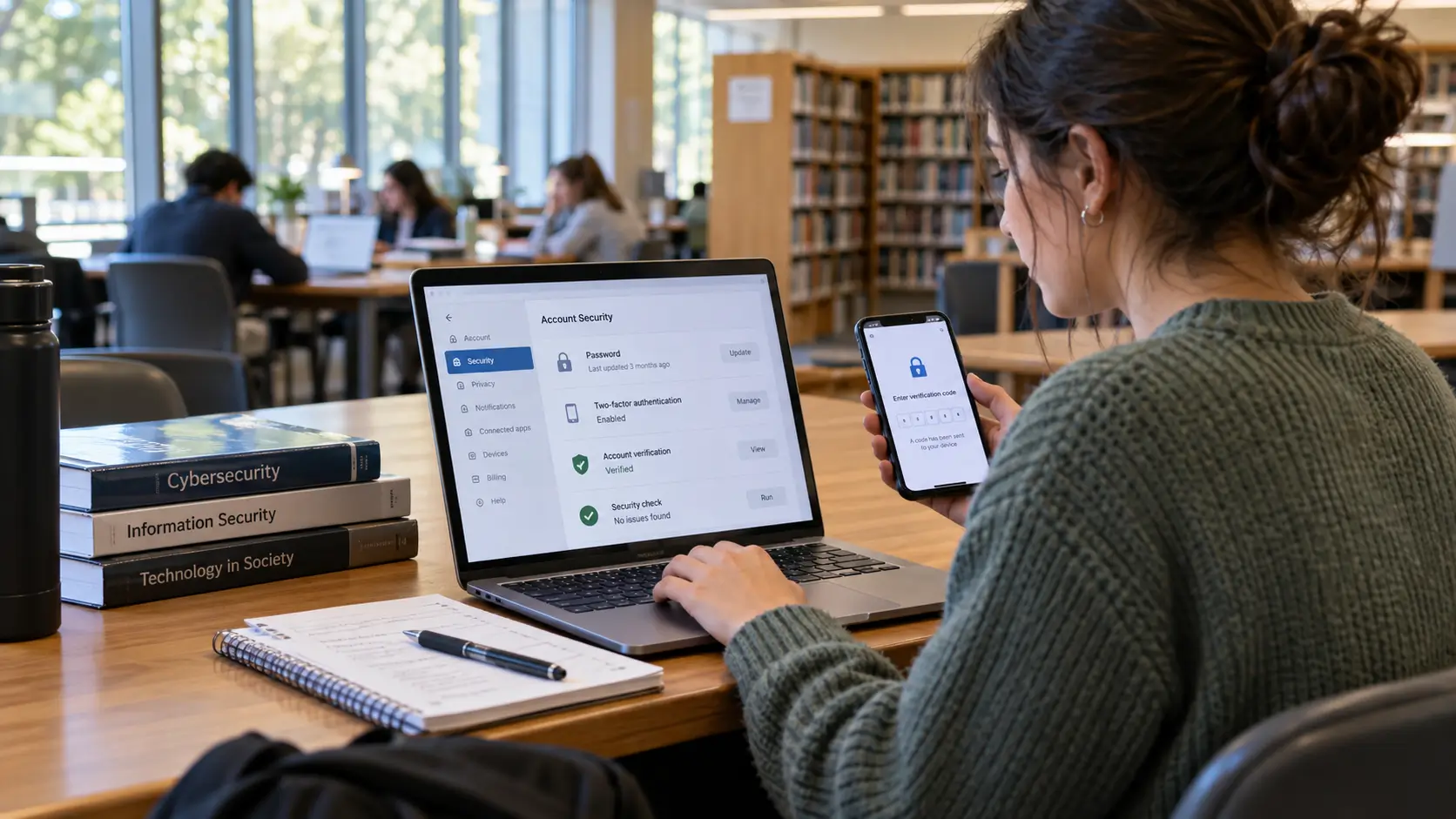
Use strong passwords, account recovery methods, and scam awareness practices, especially on shared devices and public Wi-Fi.
Grounded scenario (education)
A secondary student preparing for exam practice may need stable access for timed quizzes, video lessons, and document downloads. If the household relies on small prepaid data packs, the student may ration usage and avoid large files. A local library with Wi-Fi and device access can help, but travel time, opening hours, and safety affect whether that option works.
School connectivity checklist
School connectivity is more than an installation day. A school can have an internet line and still deliver limited benefit if bandwidth cannot support many users, Wi-Fi does not reach classrooms, or devices and teacher support are missing.
A practical school checklist includes:
-
Power reliability (and backup where outages are frequent)
-
Campus Wi-Fi coverage and basic network management
-
Maintenance plan and budget (who fixes what, and when)
-
Teacher training aligned with curriculum and tools
-
Student device strategy (labs, classroom sets, lending models)
-
Safeguarding and privacy practices appropriate to age and context
What “connected” schools need beyond a router
When connectivity initiatives fall short, the reason is often not the line itself but the missing supports: insufficient devices, no maintenance plan, or no teacher training. The UNICEF–ITU evidence on home access also shows why school connectivity alone does not solve learning continuity when students cannot connect outside school hours.
Community and small-business approaches
When household access is hard to sustain, shared solutions can reduce barriers:
-
Libraries and community centers with public Wi-Fi and basic support
-
Telecentres that provide devices, printing, and help with forms
-
Shared infrastructure approaches that reduce costs
-
Community-led connectivity initiatives where the policy environment allows them
Libraries, public Wi-Fi, telecentres, and shared infrastructure
Shared access works best when it is predictable and safe: consistent hours, clear privacy guidance, accessible design, and basic user support. For students, the presence of devices matters as much as the presence of Wi-Fi.
Policy and program options (high-level)
Policy patterns that appear across credible summaries include:
-
Universal service approaches that prioritize underserved areas
-
Infrastructure sharing and open-access models where suitable
-
Better mapping and transparency on coverage and service quality
-
Affordability and device support tied to education and inclusion goals
-
Skills training that includes safety and privacy practices
The Broadband Commission’s reporting approach reinforces that access, affordability, and use are linked policy questions, not separate checkboxes.
Outcomes and Limitations: What Changes and What Doesn’t
Universal internet access can expand opportunity, but outcomes depend on quality, affordability, devices, skills, and the strength of education and service systems.
Education outcomes and limits
When learners have reliable and affordable access, they gain:
-
Access to learning resources and practice tools
-
Communication with teachers and peers
-
Exposure to digital skills needed for modern study and work
UNICEF and ITU’s reporting on home access highlights why learning opportunity can differ sharply across households.
Limits to keep in view:
-
Shared devices can restrict study time.
-
Low-quality connections can block exam platforms and large downloads.
-
Teacher support and curriculum alignment remain essential.
Health and public services: access, safeguards, and constraints
Many public services now use digital channels for information, appointments, and records. The WHO’s digital health strategy describes digital health as an area that depends on coordinated systems and resources, not only technology.
Connectivity can improve access to information and coordination, but it also raises privacy and security needs, especially for sensitive data. Safe design, clear consent practices, and security controls matter for trust and adoption.
Economic outcomes and what connectivity does not solve alone
Internet access can support job search, training, and market participation, but the relationship between broadband and economic outcomes depends on context and supporting conditions. The World Bank’s background work on broadband and growth reviews evidence and explains why causality and measurement are complex.
Where connectivity often supports economic activity:
-
Applying for jobs that require online forms and uploads
-
Completing training programs and credentials delivered online
-
Supporting small businesses through communication, marketing, and payments
What connectivity does not solve alone:
-
Local labor-market constraints
-
The need for relevant skills and credentials
-
Access to finance and logistics for businesses
-
Inequities rooted in education quality and discrimination
Civic participation and rights: shutdowns and resilience
Availability is not only about coverage; it also depends on governance and continuity. Access Now and the #KeepItOn coalition report that they documented 296 shutdowns across 54 countries in 2024.
The UN Human Rights Council has addressed intentional disruptions of access in its human rights on the internet resolution.
For students, businesses, and communities, shutdowns can interrupt learning, emergency information, and economic activity. This risk is part of why “availability” is included in meaningful connectivity frameworks.
Risks and trade-offs: costs, surveillance, e-waste, and wellbeing
Closing the digital divide involves trade-offs and safeguards, not only expansion:
-
Household budget pressure when costs rise
-
Privacy risks where protections are weak
-
Cybersecurity threats and online fraud
-
E-waste if repair and recycling systems are absent
-
Wellbeing concerns when online harms are unmanaged
A balanced approach treats access as a system: connectivity plus capability plus safety.
Image/infographic suggestions + neutral alt text ideas:
-
“The Meaningful Connectivity Stack” (availability, quality, affordability, devices, skills, security)
-
Alt text: “Diagram showing six parts of meaningful internet connectivity.”
-
-
“Coverage vs Use” concept graphic (network present, adoption blocked by cost/device/skills)
-
Alt text: “Illustration showing barriers that prevent internet use even where coverage exists.”
-
Conclusion
Universal internet access matters because education, work, and public services increasingly assume connectivity. The ITU reports that around 74% of the world was online in 2025, leaving about 2.2 billion people offline. Even among people counted as online, usable access often depends on affordability, reliability, device access, skills, and safety. The ITU’s universal and meaningful connectivity framework captures this by treating quality, availability, affordability, devices, skills, and security as interconnected requirements.
Evaluation-style next steps (choose what fits your context):
-
Households and students: define your tasks, then check reliability, total cost, device fit, and safety practices.
-
Schools: assess more than the connection—power, Wi-Fi reach, maintenance, teacher support, and devices.
-
Communities: map shared access options and identify barriers such as hours, safety, accessibility, and device availability.
-
Decision-makers: track progress using measures that reflect meaningful access, not only “any use,” and plan for continuity where disruptions occur.
FAQs
What is the digital divide in simple terms?
It is the gap in who can connect to the internet, who can use it effectively, and who benefits from it. Many definitions emphasize that it includes affordability, quality, relevance, and skills, not only access.
What counts as “universal internet access” in practice?
In practice, universal access works best when it is also meaningful: available where people need it, reliable enough for real tasks, affordable over time, supported by suitable devices, and paired with skills and security.
Why does home internet access matter for students?
Because assignments, resources, and communication often happen outside school hours. UNICEF and ITU reporting shows that many children and young people lack internet access at home, with large differences by wealth and location.
What is the “usage gap”?
It refers to people who live within mobile broadband coverage but do not use mobile internet, often due to cost, device constraints, skill gaps, and relevance or safety concerns.
How do internet shutdowns relate to the digital divide?
Shutdowns reduce availability even where networks exist and can disrupt education, services, and economic activity. Access Now reports hundreds of shutdowns globally in 2024.
Reference
-
International Telecommunication Union (ITU). “Internet use (Facts and Figures 2025).” 2025. ITU.
-
International Telecommunication Union (ITU). “Facts and Figures 2025.” 2025. ITU.
-
International Telecommunication Union (ITU). “About Universal and Meaningful Connectivity.” ITU.
-
International Telecommunication Union (ITU). “Global Connectivity Report 2025.” ITU.
-
UNICEF & ITU. “How many children and young people have internet access at home? Estimating digital connectivity during the COVID-19 pandemic.” 2020. UNICEF/ITU (PDF).
-
UNICEF Data. “Children and young people internet access at home during COVID-19.” UNICEF.
-
GSMA. “New GSMA report shows mobile internet connectivity continues to grow globally but barriers for 3.45 billion unconnected people remain.” 2024. GSMA.
-
GSMA Intelligence. “The State of Mobile Internet Connectivity 2024.” 2024. GSMA Intelligence.
-
OECD. “Digital divide in education.” OECD.
-
Broadband Commission for Sustainable Development. “State of Broadband 2024.” 2024. Broadband Commission.
-
Access Now / #KeepItOn coalition. “Lives on hold: internet shutdowns in 2024.” 2025. Access Now.
-
Access Now / #KeepItOn coalition. “Internet Shutdowns in 2024: Annual Report.” 2025 (reporting year 2024). Access Now (PDF).
-
United Nations Human Rights Council. “The promotion, protection and enjoyment of human rights on the Internet (A/HRC/RES/32/13).” 2016. UN Digital Library (PDF).
-
World Health Organization (WHO). “Global Strategy on Digital Health 2020–2025.” 2021. WHO (PDF).
-
World Bank. Michael Minges. “Exploring the Relationship Between Broadband and Economic Growth.” 2015. World Bank (background paper PDF).
-
World Bank Independent Evaluation Group (IEG). “Universal Digital Inclusion and Usage: Approach Paper.” 2022. World Bank IEG.
-
Alliance for Affordable Internet (A4AI). “Meaningful Connectivity — a new standard to measure internet access.” A4AI.




Comments 0
No comments yet. Be the first to start the conversation.