



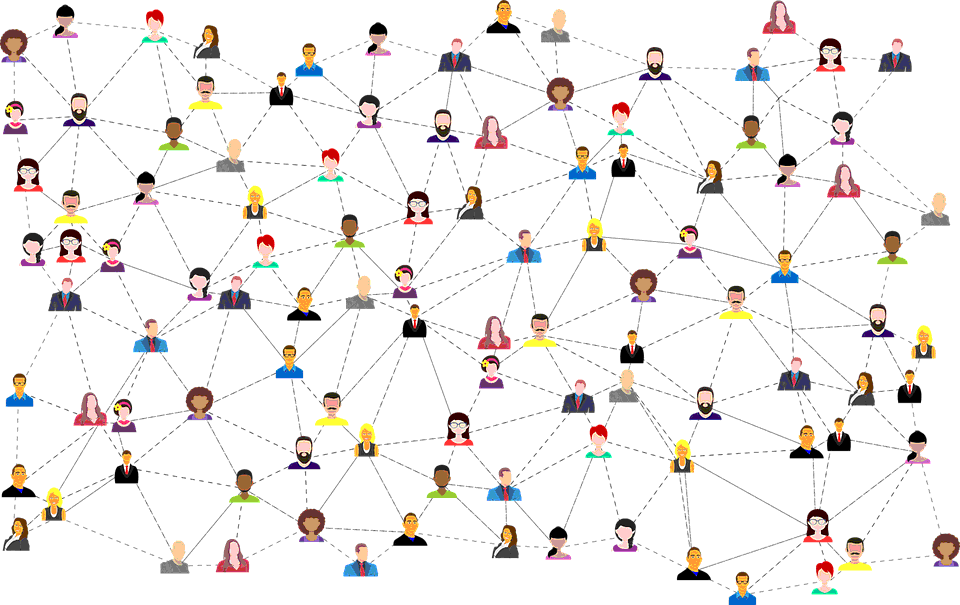
Social media and digital technology have changed how people communicate, maintain relationships, and build new connections. Messaging apps, video calls, online communities, and social platforms make it easier to stay in touch across distance and time. At the same time, constant connectivity can create misunderstandings, distraction, comparison, privacy concerns, and emotional distance.
Healthy relationships in the digital age require balance. Technology should support communication, not replace attention, trust, and meaningful interaction.
Table of Content
- How Social Media Affects Communication in Relationships
- Technology and Face-to-Face Interaction
- Social Media Overuse and Relationship Problems
- Common Digital Relationship Challenges
- Strategies for Healthy Digital Relationships
- Building a Balanced Digital Life
How Social Media Affects Communication in Relationships
Social media can help people stay connected with friends, family members, classmates, colleagues, and partners. It allows quick updates, shared memories, group conversations, and regular contact even when people are far apart.
However, online communication has limits. Text messages and social media posts do not always carry tone, emotion, or context clearly. A short reply may seem rude even when it was not intended that way. A delayed response may be misread as disinterest. Public posts, likes, comments, and online activity can also lead to unnecessary assumptions.
In relationships, digital communication works best when it is clear, respectful, and supported by direct conversation. Sensitive topics are often better discussed through a call or face-to-face conversation rather than through short messages.
Technology and Face-to-Face Interaction
Technology can support relationships, but it can also interrupt them. Checking notifications during a conversation, scrolling during meals, or replying to messages while someone is speaking can make the other person feel ignored.
Face-to-face interaction allows people to notice tone of voice, facial expressions, body language, and emotional cues. These details help build trust and understanding. When screens regularly take attention away from in-person moments, emotional connection may weaken over time.
A healthy approach is to create phone-free moments during important conversations, meals, study sessions, family time, or time with friends. This does not mean avoiding technology completely. It means using it in a way that does not reduce the quality of real interaction.
Social Media Overuse and Relationship Problems
Social media becomes a problem when it starts interfering with sleep, studies, work, emotional wellbeing, or relationships. Excessive use may lead to distraction, comparison, jealousy, insecurity, or neglect of real-life responsibilities.
In romantic relationships and close friendships, social media can sometimes create tension when people monitor each other’s online activity, compare themselves with others, or make assumptions based on posts and interactions. Constant checking can damage trust instead of building it.
The issue is not only how much time a person spends online, but how that use affects their mood, attention, and relationships. If social media use leads to repeated conflict, anxiety, secrecy, or emotional distance, it may be time to set clearer boundaries.
Common Digital Relationship Challenges
Digital habits can affect relationships in several ways:
-
Misunderstanding messages because tone and context are unclear
-
Feeling ignored when someone is physically present but focused on a screen
-
Comparing one’s life or relationship with idealized posts online
-
Feeling pressure to respond immediately
-
Sharing private matters publicly
-
Checking a partner’s or friend’s activity too often
-
Arguing through messages instead of having direct conversations
-
Spending more time maintaining an online image than nurturing real connection
These problems can be managed when people communicate openly and agree on healthy boundaries.
Strategies for Healthy Digital Relationships
Prioritize Direct Communication
Social media is useful for quick contact, but important conversations need more care. When a topic involves feelings, conflict, trust, or major decisions, choose a conversation format that allows better understanding. A phone call, video call, or in-person conversation can reduce confusion.
Set Boundaries Around Screen Time
Healthy boundaries may include keeping phones away during meals, avoiding social media before sleep, turning off unnecessary notifications, or setting specific times for checking platforms. Boundaries should feel realistic and fair, not controlling.
Be Clear and Respectful Online
Before sending a message, consider whether it could be misunderstood. Use clear language, avoid harsh replies during anger, and do not use public posts to express private conflict. Respectful communication online helps prevent small issues from becoming larger problems.
Protect Privacy
Not every relationship detail belongs online. Avoid sharing private conversations, personal arguments, sensitive photos, or someone else’s information without permission. Privacy helps protect trust.
Avoid Constant Comparison
Social media often shows selected moments, not the full reality of someone’s life or relationship. Comparing your relationship, friendships, appearance, achievements, or lifestyle with curated posts can create unnecessary dissatisfaction. Focus more on the quality of your own relationships than on how they appear online.
Limit Negative Content
Online conflict, gossip, and harmful content can affect mood and behavior. Muting, unfollowing, or taking breaks from accounts that repeatedly create stress can make social media use healthier.
Build Offline Connection
Strong relationships need shared time, attention, and care beyond screens. Meeting in person, studying together, exercising, cooking, walking, playing games, or simply talking without distractions can strengthen connection.
Seek Help When Needed
If technology use is causing repeated conflict, anxiety, distrust, or emotional strain, speaking with a counselor, therapist, trusted adult, or relationship professional may help. Support can make it easier to understand patterns and build healthier communication habits.
Building a Balanced Digital Life
Technology is now part of modern relationships, but it should not control them. A balanced digital life means using online tools to stay connected while still protecting attention, privacy, trust, and emotional wellbeing.
Healthy connection depends on simple habits: listen fully, communicate clearly, respect boundaries, verify before assuming, and make time for people beyond the screen.
Social media can help relationships grow when used with care. The strongest relationships are built not only through constant contact, but through presence, honesty, respect, and meaningful communication.
Technology Information Technology