



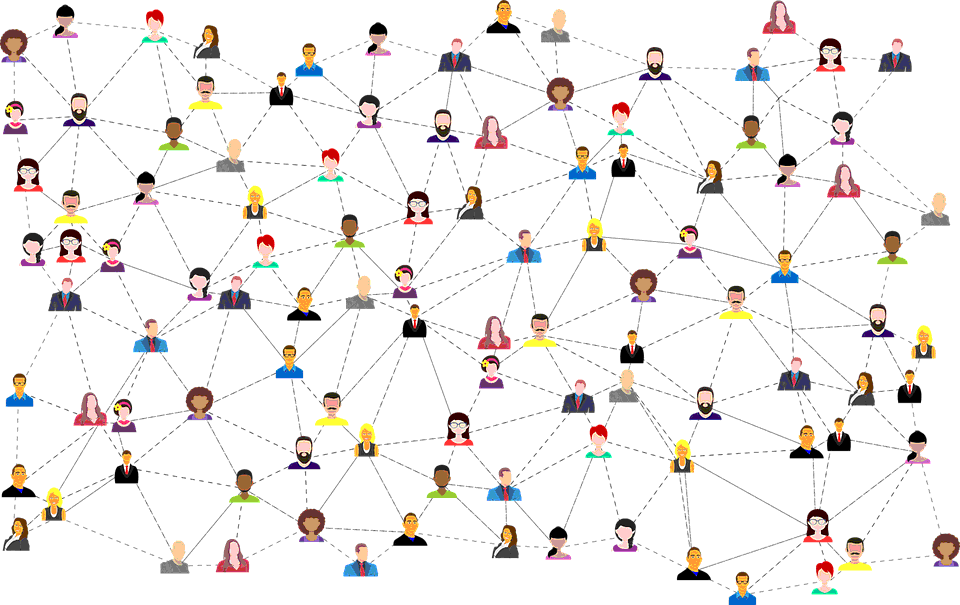
Social media has become a routine part of communication, learning, entertainment, and public discussion. It helps people stay connected, share ideas, find support, and follow events in real time. However, excessive or unhealthy use can affect mental wellbeing, especially when it interferes with sleep, study, work, self-esteem, privacy, or face-to-face relationships.
The relationship between social media and mental health is complex. Social media does not affect everyone in the same way, and it should not be treated as the only cause of depression, anxiety, loneliness, stress, or body image concerns. Still, current evidence shows enough risk to make careful use, digital literacy, and platform accountability important.
Table of Content
- Global Use of Social Media
- Social Media and Mental Health: What Research Suggests
- Depression, Anxiety, and Emotional Distress
- Loneliness and False Connection
- Stress, Pressure, and Fear of Missing Out
- Body Image and Social Comparison
- Cyberbullying and Harmful Online Interactions
- When Social Media Use Becomes Unhealthy
- Strategies for Healthier Social Media Use
- Role of Parents, Schools, Communities, and Platforms
- Conclusion
Global Use of Social Media
Social media use is widespread across the world. DataReportal’s Digital 2026 Mid-Year Global Update reported 5.79 billion active social media user identities worldwide as of April 2026, equivalent to 69.9 percent of the global population. The report also notes that “user identities” may not represent unique individual people, so the figure should be interpreted with care.
This scale matters because even small negative effects can affect many people when billions use digital platforms regularly. It also means that mental health discussions must focus not only on individual habits, but also on platform design, algorithms, online safety, and public policy.
Social Media and Mental Health: What Research Suggests
Research does not show a simple one-way relationship between social media and mental health. Some people use online platforms to find community, creative expression, information, and emotional support. Others experience comparison, cyberbullying, sleep disruption, pressure for approval, harmful content, or compulsive use.
The U.S. Surgeon General’s Advisory states that social media can have both benefits and harms for children and adolescents. It also notes that researchers still do not have enough evidence to conclude that social media is sufficiently safe for young people.
The same advisory highlights several factors that shape the effect of social media, including time spent online, the type of content viewed, the nature of online interactions, and whether social media disrupts sleep or physical activity.
Depression, Anxiety, and Emotional Distress
Heavy or problematic social media use has been linked with higher risks of depressive and anxiety symptoms in some studies. The concern is especially strong for children and adolescents because this stage of life involves identity formation, social comparison, peer approval, and emotional development.
The U.S. Surgeon General’s public information page states that children and adolescents who spend more than three hours a day on social media face double the risk of poor mental health outcomes, including symptoms of depression and anxiety. It also reports that 46 percent of adolescents aged 13 to 17 said social media makes them feel worse about their body image.
These findings should be read carefully. They do not mean that every young person who uses social media will develop mental health problems. They do show that high exposure, harmful content, and unhealthy use patterns deserve serious attention.
Loneliness and False Connection
Social media can make people feel connected, but it can also create a sense of shallow connection. Messaging, liking, reacting, and viewing updates may give the impression of closeness without the depth of direct conversation, shared time, and emotional support.
Some users may have hundreds or thousands of online contacts but still feel isolated. This can happen when online interaction replaces real conversation, or when people compare their ordinary lives with the selected and polished moments others post online.
Healthy connection requires more than constant availability. It needs attention, listening, honesty, and mutual care.
Stress, Pressure, and Fear of Missing Out
Social media can create pressure to respond quickly, stay updated, post regularly, and remain visible. Notifications, trending topics, and constant updates may increase stress, especially when users feel they must always be available.
Fear of missing out can also make people check platforms repeatedly. This may affect focus, sleep, productivity, and emotional balance. For students, frequent checking can interrupt study routines and reduce the quality of attention.
Problematic social media use is not simply “using social media a lot.” The WHO Regional Office for Europe describes it as a pattern involving difficulty controlling use, withdrawal-like feelings when not using it, neglect of other activities, and negative consequences in daily life. WHO Europe reported that problematic social media use among adolescents in the countries covered by its study increased from 7 percent in 2018 to 11 percent in 2022.
Body Image and Social Comparison
Social media often presents edited, filtered, or carefully selected versions of people’s lives and appearances. This can encourage comparison and dissatisfaction, especially among young users who are still developing self-image and confidence.
Body image concerns may grow when users repeatedly see idealized photos, appearance-focused content, fitness transformations, beauty filters, or influencer lifestyles. The issue is not only the content itself, but the repeated message that appearance, popularity, and approval determine personal value.
Users can reduce this pressure by limiting appearance-focused content, following accounts that support healthy and realistic perspectives, and remembering that online images often do not show the full reality behind a person’s life.
Cyberbullying and Harmful Online Interactions
Negative online experiences can affect mental wellbeing. Cyberbullying, harassment, exclusion, public shaming, hate speech, and hostile comments can create emotional stress and fear. Unlike offline conflict, online harm can spread quickly and may feel difficult to escape.
Young people may be especially vulnerable because peer approval and social belonging are important during adolescence. Online conflict can also continue beyond school or community spaces, making it harder to find relief.
Privacy settings, blocking tools, reporting systems, trusted adults, and school or workplace support can help, but platforms also have a responsibility to reduce harmful interactions and respond effectively to abuse.
When Social Media Use Becomes Unhealthy
Social media use may need closer attention when it begins to affect daily life. Warning signs may include:
-
Checking platforms repeatedly even when it causes stress
-
Feeling anxious when unable to access social media
-
Losing sleep because of late-night scrolling
-
Comparing yourself constantly with others
-
Feeling worse after using certain platforms
-
Avoiding in-person interaction
-
Struggling to study, work, or focus
-
Feeling pressured to post for approval
-
Hiding or lying about time spent online
These signs do not automatically mean someone has a clinical problem. They do suggest that the person may benefit from healthier boundaries or support.
Strategies for Healthier Social Media Use
Set Time Boundaries
Set realistic limits on social media use, especially during study time, meals, conversations, and before sleep. Turning off non-essential notifications can reduce the urge to check repeatedly.
Protect Sleep
Sleep is closely connected to mental health. Avoid scrolling late at night, keep the phone away from the bed if possible, and create a screen-free routine before sleeping.
Use Social Media With Purpose
Before opening an app, ask why you are using it. Are you checking a message, learning something, connecting with someone, or scrolling without purpose? Purposeful use is usually healthier than automatic use.
Reduce Comparison
Unfollow, mute, or limit accounts that repeatedly create insecurity, anger, stress, or dissatisfaction. Choose content that informs, supports, or encourages balanced thinking.
Strengthen Offline Relationships
Make time for face-to-face conversation, physical activity, family time, hobbies, reading, and rest. Online connection should support real life, not replace it.
Talk to Someone When Needed
If social media use is connected with ongoing sadness, anxiety, stress, sleep problems, body image distress, or relationship problems, speaking with a counselor, therapist, trusted adult, teacher, or healthcare professional can help.
Role of Parents, Schools, Communities, and Platforms
The responsibility for healthy social media use should not fall only on individual users. Parents, schools, communities, policymakers, and technology companies all have roles to play.
Parents and caregivers can support young people by discussing online habits without only blaming or punishing. Schools can teach digital literacy, online safety, media awareness, and respectful communication. Communities can reduce stigma around mental health support. Technology companies can improve safety tools, reduce harmful design patterns, protect young users, and make research access more transparent.
The U.S. Surgeon General’s Advisory calls for action from policymakers, technology companies, researchers, families, and young people to reduce risks and make digital environments safer.
Conclusion
Social media is not entirely harmful, and it is not entirely beneficial. It can connect people, support learning, and provide access to communities. It can also increase stress, comparison, loneliness, body image concerns, sleep disruption, and emotional distress when used excessively or in harmful ways.
The goal is not to remove social media from life completely. The goal is to use it with awareness, boundaries, and care. Healthy digital habits, supportive relationships, platform responsibility, and timely professional help can reduce harm and make online spaces safer for mental wellbeing.





Comments 0
No comments yet. Be the first to start the conversation.