



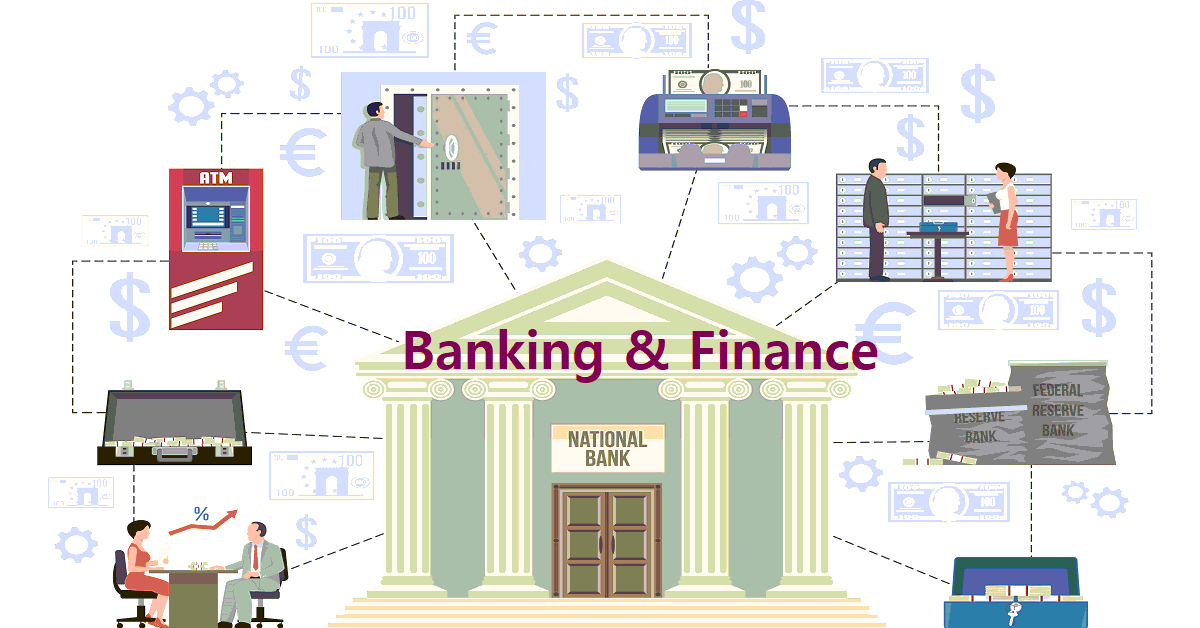
The Impact of Electronic Payment Systems on Customer Behavior and Satisfaction
Electronic payment systems have become a routine part of daily life. From online shopping and mobile wallets to card payments and digital transfers, they have changed how people complete transactions and how businesses deliver services. As these systems have become more common, they have also influenced customer expectations, habits, and satisfaction.
The shift has been gradual but significant. Customers increasingly value payment methods that are fast, simple, and dependable. At the same time, concerns about privacy, fraud, and digital access continue to shape how people respond to these systems. The impact of electronic payments, therefore, is not only technical. It is also behavioral.
Understanding the Advantages
One of the most noticeable benefits of electronic payment systems is convenience. Customers can pay quickly without carrying cash or visiting a physical location. This is especially useful in online transactions, where the payment process plays a direct role in whether a purchase is completed or abandoned.
Speed is another important advantage. In many cases, digital payments reduce delays at checkout and make transactions easier for both the customer and the business. This can improve the overall experience, particularly in busy retail and service settings.
Electronic payment systems can also support better record-keeping. Customers often receive instant confirmation, digital receipts, and transaction histories that are easier to review later. For some users, this adds a sense of control and transparency.
Security features have also improved over time. Many systems now include encryption, identity verification, and fraud detection tools. These measures can reduce risk, although they do not remove it entirely.
The Limitations and Concerns
Despite their advantages, electronic payment systems also present clear challenges.
Security remains one of the biggest concerns. Digital transactions can expose users to fraud, phishing, account breaches, or technical failures. Even when systems are secure, public confidence may remain fragile, especially after high-profile data leaks or scams.
Privacy is another issue. Some customers are uncomfortable sharing financial information online or through apps, particularly when they are unsure how their data is stored or used.
Access is not equal for everyone either. Digital payment systems depend on electricity, internet connectivity, devices, and a basic level of digital literacy. In areas where these conditions are limited, traditional payment methods may remain more practical.
There is also the question of cost. Businesses often need to invest in payment infrastructure, software, maintenance, and staff training. For smaller enterprises, this can be difficult.
Electronic Payments and Traditional Methods
Although digital payment systems are widely used, traditional payment methods have not disappeared.
Cash still matters, particularly for small purchases, informal transactions, and places where digital systems are less reliable. Some people prefer cash because it feels familiar, direct, and easier to manage in everyday spending.
Traditional methods can also offer a sense of reassurance. For certain customers, physical money or paper records still feel more trustworthy than digital transactions, especially when making larger payments.
This suggests that payment choice is shaped by more than convenience alone. Trust, habit, location, and personal comfort all influence how customers decide to pay.
How Customer Behavior Has Changed
Electronic payment systems have affected the way customers make decisions. When payment is quick and uncomplicated, people may be more willing to complete purchases and repeat them in the future. A smooth payment process can make the entire transaction feel easier and less stressful.
Customer expectations have also changed. Many people now assume that businesses will offer multiple payment options, including online and mobile methods. When those options are missing, the business may appear outdated or inconvenient.
At the same time, convenience does not automatically lead to satisfaction. If customers feel uncertain about security or encounter technical problems, their confidence can fall quickly. A payment system that is fast but unreliable may create frustration rather than trust.
In this sense, satisfaction depends not only on speed, but also on consistency, clarity, and perceived safety.
Different Effects Across Industries
The influence of electronic payments is not the same in every sector.
Retail, hospitality, and e-commerce have seen some of the biggest changes because payment is a direct and frequent part of the customer experience. In these sectors, faster payment options can improve service flow and reduce friction.
Other industries have moved more slowly. In some fields, traditional payment practices remain common because of operational habits, infrastructure gaps, or customer preference. Adoption often depends on how practical digital systems are within a specific setting.
Looking Ahead
Electronic payment systems will continue to evolve as technology changes and customer expectations develop. Mobile payments are already common in many markets, and newer tools such as biometric verification, wearable payment features, and other digital innovations are becoming more visible.
However, future growth will depend on more than new technology. Trust, regulation, accessibility, and user experience will remain central. Customers are likely to embrace digital payment systems more fully when they feel secure, informed, and in control of their transactions.
Conclusion
Electronic payment systems have had a clear effect on customer behavior and satisfaction. They have made transactions faster and more convenient, and they have changed what many customers expect from businesses. At the same time, they have raised ongoing concerns around security, privacy, cost, and access.
Their influence is therefore mixed rather than one-sided. Electronic payments can improve the customer experience, but only when they are reliable, secure, and easy to use. Where those conditions are missing, traditional payment methods may still feel like the better option.






Comments 0
No comments yet. Be the first to start the conversation.