Gurukul Baylor Campus (GBC - गुरूकुल बेलर क्याम्पस, बनेपा) is located in Banepa-10, Godam Chowk, Kavre, Nepal. The campus is noted as established in 2070 BS (2013 AD) and is identified as the changed name of Dipika Campus since 26 Mangsir, 2079. It operates under the management of Glacier Educational foundations and is managed by a group of academic scholars.
GBC lists academic programs including Bachelor of Information Technology Management (BITM), Bachelor of Business Studies (BBS), and Master of Business Studies (MBS). The campus outlines academic support through facilities such as a library, a computer lab with e-library access, and multimedia-supported teaching spaces. Student-focused activities include co-curricular programs and a Student Quality Circle (SQC).
College Name: Gurukul Baylor Campus (GBC)
Location: Banepa-10, Godam Chowk, Kavre, Nepal
Established: 2070 BS (2013 AD)
Name Note: Changed name of Dipika Campus since 26 Mangsir, 2079
Management: Glacier Educational foundations
Programs Offered: BITM, BBS, MBS
Student Quality Initiative: Student Quality Circle (SQC)
Contact: info@baylor.edu.np | +977-11-660388, +977-11-660675
Website: https://gurukulbaylor.edu.np
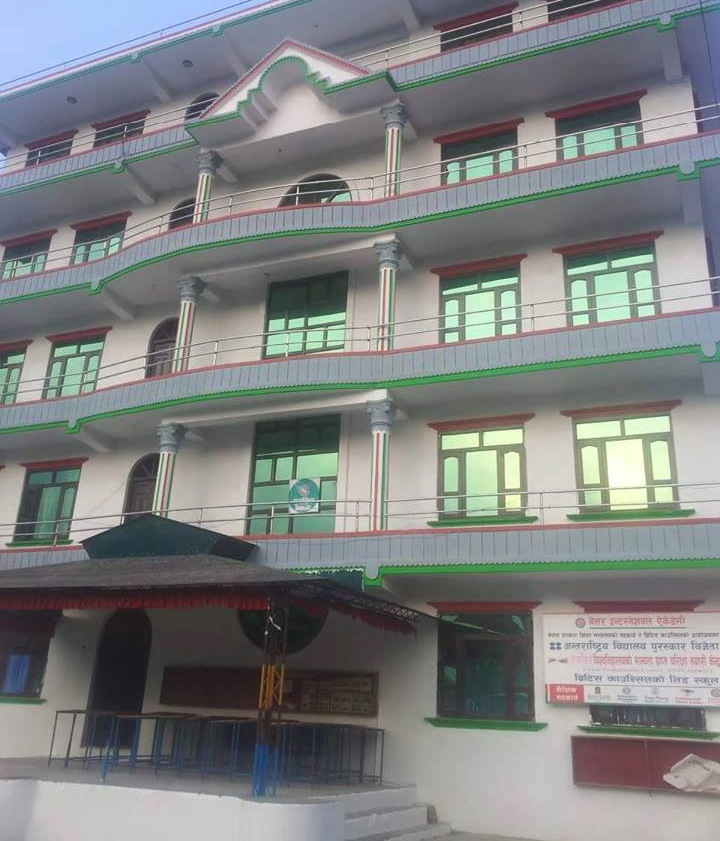
The campus highlights access to nearby public bus services and transportation support for students from distance areas. A campus bus facility is also listed for routes including Bhaktapur, Nala, Panchkhal, and Panauti.
To establish a center of education by producing qualitative and skilled human resources as responsible global citizens.
Strengthening physical infrastructure, managing resources, supporting governance for campus development, encouraging stakeholder participation, developing plans and policies for quality education, and applying practical education through research-based teaching.
Improving access to qualitative education through well-equipped physical infrastructure
Managing resources to support quality education
Strengthening governance through plans, policies, rules, and regulations
Conducting activities for career enhancement and motivation of teachers and staff
Ensuring stakeholder participation
Supporting research-based education and record management systems
Increasing library use and modernizing equipment
Developing the campus as an IT-friendly institution
Upgrading toilets and washrooms
Maintaining greenery, cleanliness, and a peaceful, hygienic campus environment
Mobilizing resources for institutional development
Managing modern resources that influence student development
Maintaining effective and clear administrative activities
Applying an advanced education management information system
Conducting seminars, training, workshops, and programs for teacher and staff development
Managing teaching-learning activities and applying research-based teaching
GBC lists the following programs:
Bachelor of Information Technology Management (BITM)
Bachelor of Business Studies (BBS)
Master of Business Studies (MBS)
The BBS program is presented as an undergraduate course covering areas such as accounting, finance, marketing, economics, and organizational behavior, with an emphasis on theoretical learning and practical skill development.
BITM is presented as a multidisciplinary program that combines information technology with management and information systems, covering technical and management-related areas.
MBS is presented as a postgraduate program focused on advanced business learning, including areas such as finance, marketing, management, and entrepreneurship, alongside strategic decision-making, analytical skills, and communication skills.
Academic and learning supports listed by the campus include:
Library and classrooms
Multimedia support in teaching and learning
Provision of handouts
Experienced lecturers
Interaction with visiting professors
Internship provision
Cooperation with national and international educational organizations
Facilities and services listed include:
Computer lab with computers and e-library access
Library with reference books
Cafeteria
Security
Medical room
Transportation support for students from distance areas
Playground
ECA activities aligned with student interests
Guest lectures and career counseling classes
Student Quality Circle (SQC) is described as a small group of six to eight students from the same academic institution that meets once a week for an hour to discuss and solve problems related to educational activities. It is presented as a student-focused platform for raising concerns, discussing challenges, and working toward solutions through equal participation.
Chairman: Bhola Thapa
Campus Chief: Bhagirath Adhikari
Assistant Campus Chief: Ram Pd Gautam
Prof. Dr. Suresh Raj Sharma (Ex. Vice Chancellor, KU)
Prof. Dr. Jayaraj Awasthi (Ex. Vice Chancellor, Far Western University)
Prof. Dr. Surendra KC (Former Prof., TU)
Prof. Dr. Arjun Karki (Former Ambassador in the USA)
Mr. Chinta Mani Siwakoti (Board of Director and Former Governor of Nepal Rastraya Bank)
Shiva Ram Sigdel (Faculty of Economics)
Raj Kumar Ghimire (Tax and Account Research Head)
Jamuna Dahal (Marketing Faculties)
Madhav Pd Panta (Faculty of Economics and Head of EMIS)
Dinesh Banjara (Finance Faculty)
Subash Gautam (Faculties of Finance)
Solali Gautam (Faculty of Management)
Bilateral relations are listed with:
Inaja University and Tea Bong H Scholl (South Korea)
University of Copenhagan (Denmark)
Forest School (London)
Contact Gurukul Baylor Campus's administrative office for detailed information on the course, admissions, location, fees, scholarships, facilities, counseling or eligibility.
Email: info@baylor.edu.np
Phone: +977-11-660388, +977-11-660675
Website: https://gurukulbaylor.edu.np
Location: Banepa-10, Godam Chowk, Kavre, Nepal
Gurukul Baylor Campus is located at Banepa-10, Godam Chowk, Kavre, Nepal.
Gurukul Baylor Campus is noted as established in 2070 BS.
Gurukul Baylor Campus is identified as the changed name of Dipika Campus since 26 Mangsir, 2079.
The campus lists BITM, BBS, and MBS.
Facilities listed include a library, a computer lab with e-library access, and multimedia-supported teaching spaces.
Transportation support is listed for students from distance areas, including a campus bus facility serving routes such as Bhaktapur, Nala, Panchkhal, and Panauti.
SQC is described as a group of six to eight students who meet weekly to discuss and solve problems related to educational activities.