Siddhartha College is a privately owned campus located in Banepa city of Kavrepalanchok district, around 26 km east of Kathmandu Valley and close to the Araniko Highway. It is also known as Banepa Siddhartha Campus. The campus offers National Examination Board (NEB) affiliated Class 11 and 12 in Science and Management, and a Tribhuvan University (TU) affiliated Bachelor of Business Studies (BBS) program under the annual system.
NEB affiliated Class 11 and 12 programs in Science and Management
TU affiliated BBS program (annual system)
Separate science practical laboratories for Physics, Chemistry, and Biology
Computer lab with internet facilities
Library with reference materials and a separate reading room
Hostel facility for school students (day and full board) and school bus service
Pre-medical and pre-engineering preparation classes for Grade XII Science stream students
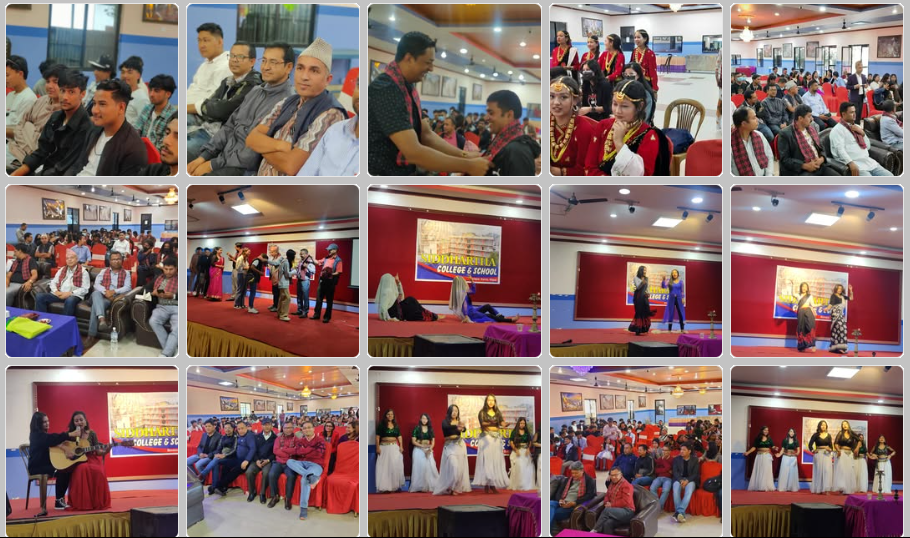
Friday extra-curricular activity (ECA) programs, sports activities, and educational tours
Morning shift and listed office hours for administration
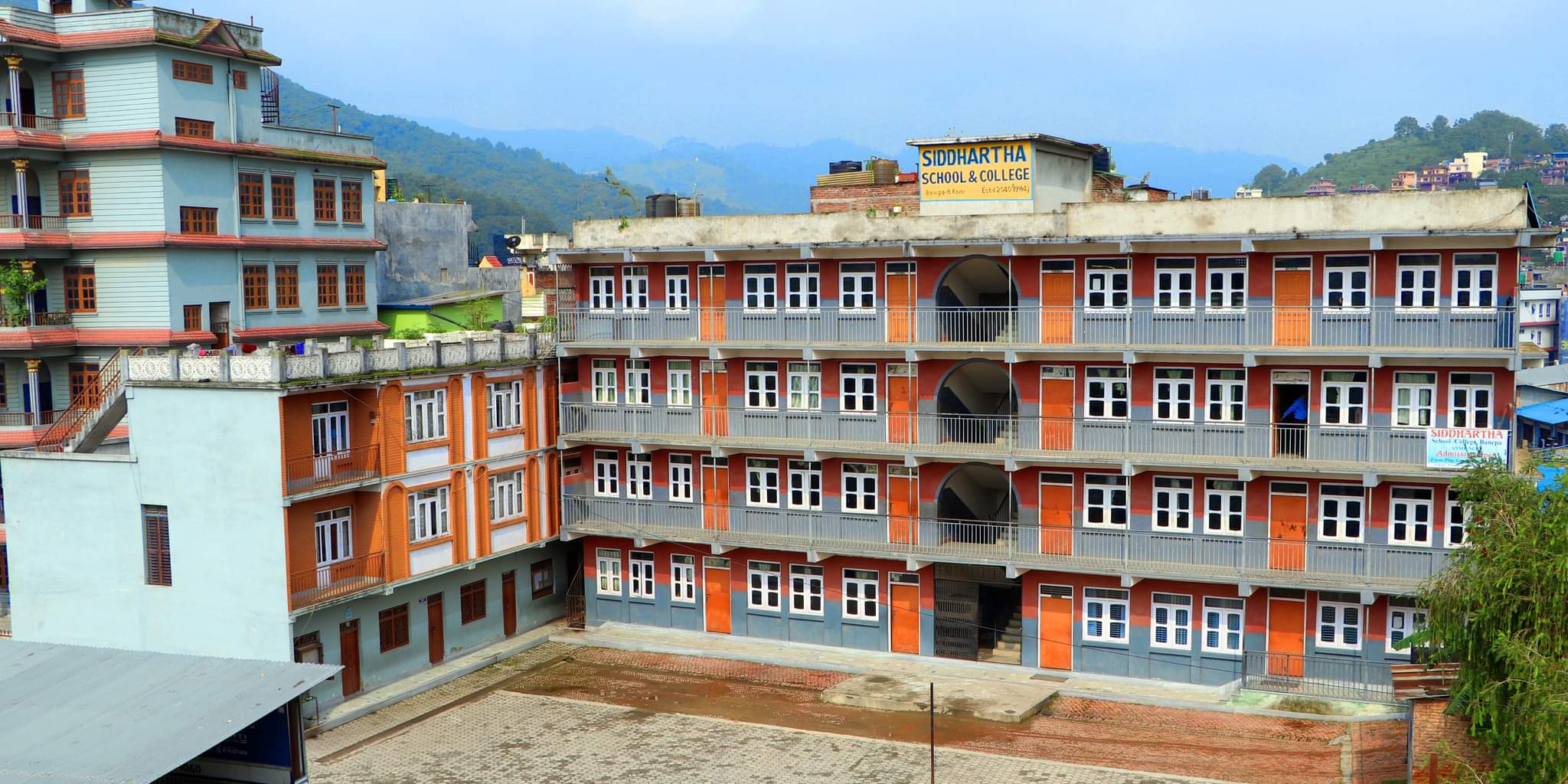
The campus is based in Banepa and is presented as accessible from the Kathmandu Valley via the Araniko Highway corridor. It is also described as having a pleasant natural environment for learning.
Siddhartha College is presented as established in 2009 AD (2066 BS) by Mr. Gyan Bahadur KC, described as a former head teacher of a government school with experience in school management and teaching English.
The campus runs NEB affiliated Class 11 and 12 (two-year, full-time) in Science and Management. Admissions, curriculum, annual examinations, and final results follow NEB rules, guidelines, and the NEB annual calendar.
The campus runs a TU affiliated BBS program (four-year, full-time) under the annual system. Admissions, curriculum, annual examinations, and results follow TU rules, guidelines, and the TU annual calendar.
The TU-FOM BBS curriculum is structured to build competence for managerial roles across organized sectors through foundational learning, core business studies, concentration courses, and final-year research and project work.
The curriculum is organized into:
Foundation allied areas (including language, economics, legal environment, and quantitative methods)
Core business studies integrating functional areas
A concentration area (specialization courses selected from a functional stream)
Research and project work in the final year
The program includes:
Compulsory courses (such as Business English, Business Statistics, Microeconomics for Business, Business Law, Business Communication, and Macroeconomics for Business)
Core courses covering accounting, management, marketing, finance, organizational behavior and HRM, business environment and strategy, taxation in Nepal, entrepreneurship, business research methods, and financial systems
Concentration area courses: three courses chosen from one functional area (Accounting, Finance, Marketing, or Management), as defined in the TU curriculum
The BBS framework outlines a 500-mark structure per year, with major subjects distributed across four academic years, including specialization and project components in the fourth year.
The curriculum includes final-year field exposure (four weeks, as fixed by the campus/college), followed by project report submission and evaluation through internal and external examiners, with a viva-voce conducted by the relevant research committee.
Annual examinations conducted under TU are the basis of final evaluation. The framework includes a minimum attendance requirement (70% of classes held) for eligibility to appear in annual examinations and provides division thresholds (Third, Second, First, and Distinction) in percentage terms.
The +2 Science track is described as suitable for students aiming toward health professional education, engineering, computer science and IT, and other science and technology programs. It is presented with common group options such as Computer Group, Physical Group, and Biological Group.
The +2 Management track is described as focused on building a foundation in management studies, introducing basic functional areas such as general management, accountancy, finance, office practices, and marketing, with progression toward undergraduate management programs.
Facilities listed include:
Library with subject-wise textbooks, reference books, and a separate reading room
Separate science practical laboratories for Physics, Chemistry, and Biology
Computer lab with computers and internet facilities
Classrooms with furniture and a playground area
Hostel facility for school students (day and full board)
School bus service to needed places
Student support and services listed include:
Pre-medical and pre-engineering preparation classes for Grade XII Science stream students
Counseling support for abroad study
Student activities listed include:
Indoor and outdoor sports and athletics during sports week or Parents Day (including basketball, volleyball, table tennis, badminton, and athletics)
Friday extra-curricular activity (ECA) programs
Educational tours during vacation periods
Student-managed events such as picnics, welcome programs, and farewell programs
Morning shift: 6:30 AM to 10:00 AM
Office hours: 6:30 AM to 3:30 PM
Contact Banepa Siddhartha College's administrative office for detailed information on the course, admissions, location, fees, scholarships, facilities, counseling or eligibility.