If you’re a Management student comparing options in Nepal, the Bachelor of Business Studies (BBS) at Belbari Multiple Campus (BMC) in Morang runs under Tribhuvan University (TU).
This TU BBS program in Belbari follows the official Faculty of Management curriculum and the four-year annual system. Students asking about course structure, subjects, attendance, and the final project will find verified details here.
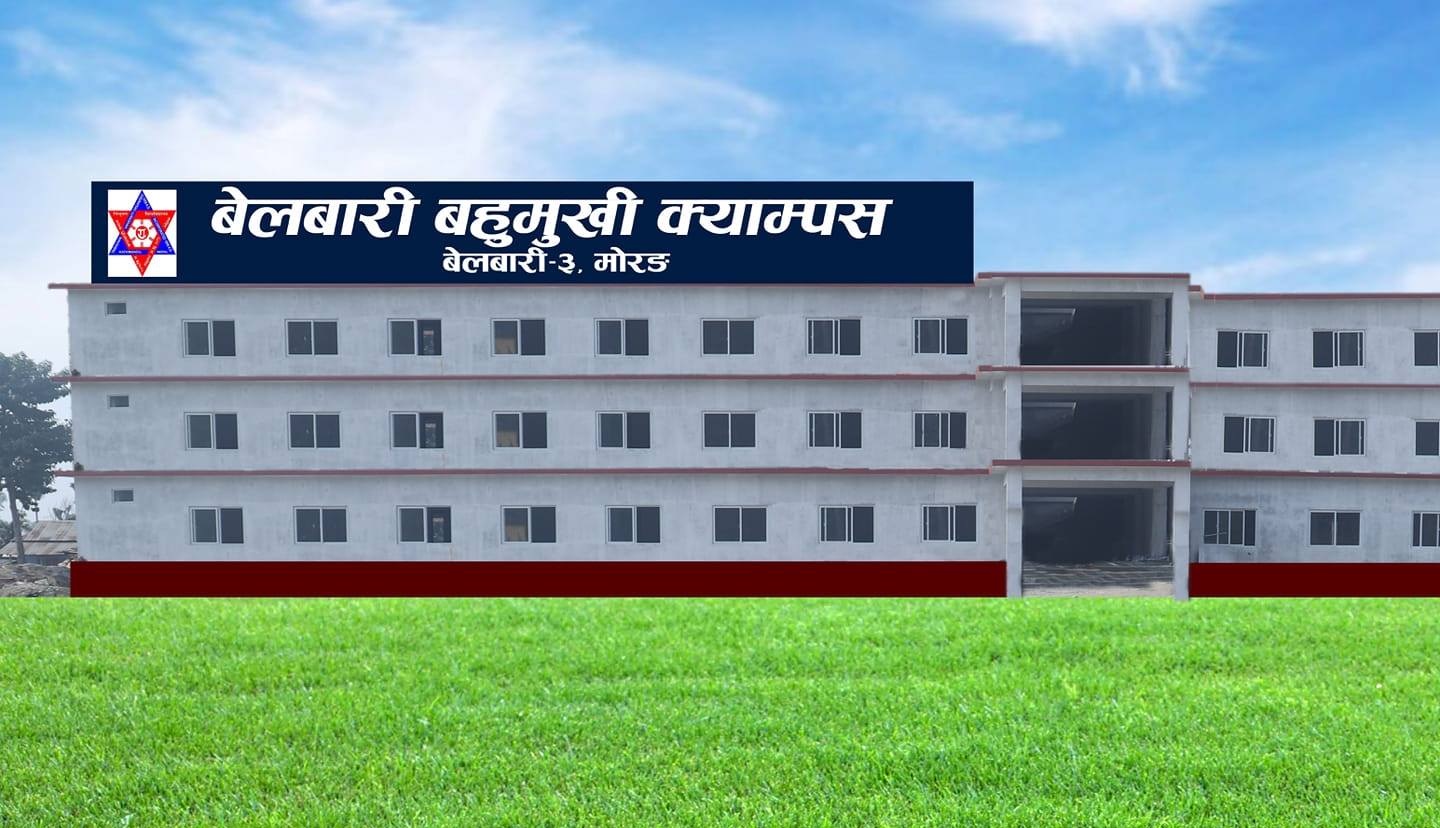
BBS at BMC prepares students for roles in business, industry, government, and entrepreneurial ventures. The program builds breadth in foundational areas and depth through a final-year concentration.
Program length: four academic years; annual examination system under TU.
Minimum academic calendar: about 150 teaching days per year; typical paper of 100 marks = 150 lectures (50 minutes each).
Attendance and grading: at least 70% attendance; divisions from Third to Distinction based on final marks.
Final requirement: project work and report/viva assessed by internal and external examiners.
Here’s what you’ll study over four years:
Year 1: Business English, Business Statistics, Microeconomics for Business, Financial Accounting and Analysis, Principles of Management.
Year 2: Business Communication, Macroeconomics for Business, Cost & Management Accounting, OB & HRM, Financial Management.
Year 3: Business Law, Foundation of Financial Systems, Business Environment & Strategy, Taxation in Nepal, Fundamentals of Marketing.
Year 4: Entrepreneurship, Business Research Methods, three courses in one concentration (Accounting/Finance/Management/Marketing), and the Final Project.
The BBS aims to develop a general management perspective, practical skills for responsible decision-making, entrepreneurial capacity, and a base for higher study and academic careers.
Graduates work in business, industry, and government, and many move toward entrepreneurship and job creation.
Students gain knowledge across functional areas, apply research methods, and complete a field-based project that links classroom learning with organizational practice.
Core subjects cover accounting, finance, marketing, management, law, taxation, and information systems; advanced work includes Entrepreneurship and Business Research Methods; concentration courses deepen functional expertise.
Learning combines lectures, group discussions, case work where possible, problem-solving exercises, guest talks, practical tasks, and project work.
Applicants need 10+2 in business/commerce or an equivalent qualification from a board/university recognized by TU; other entry rules may be set by the Faculty Board or the campus. Worried about eligibility after +2? Review your stream and marks against these TU conditions.
Typical paths include accounting and finance roles, banking, sales and marketing, public administration, SME roles, and start-ups. The curriculum supports movement into management roles across sectors.
BMC follows TU and national norms on scholarships. Students should consult the campus office/notice for current merit and need-based support and any government/UGC provisions.
You want a clear structure, recognized subjects, and transparent rules. TU’s BBS framework provides a defined subject map, attendance and assessment standards, and a capstone project that connects study with practice.
BBS at Belbari Multiple Campus offers a TU-approved pathway for students who plan a career in business and public organizations and who value structured study with a documented final project.