



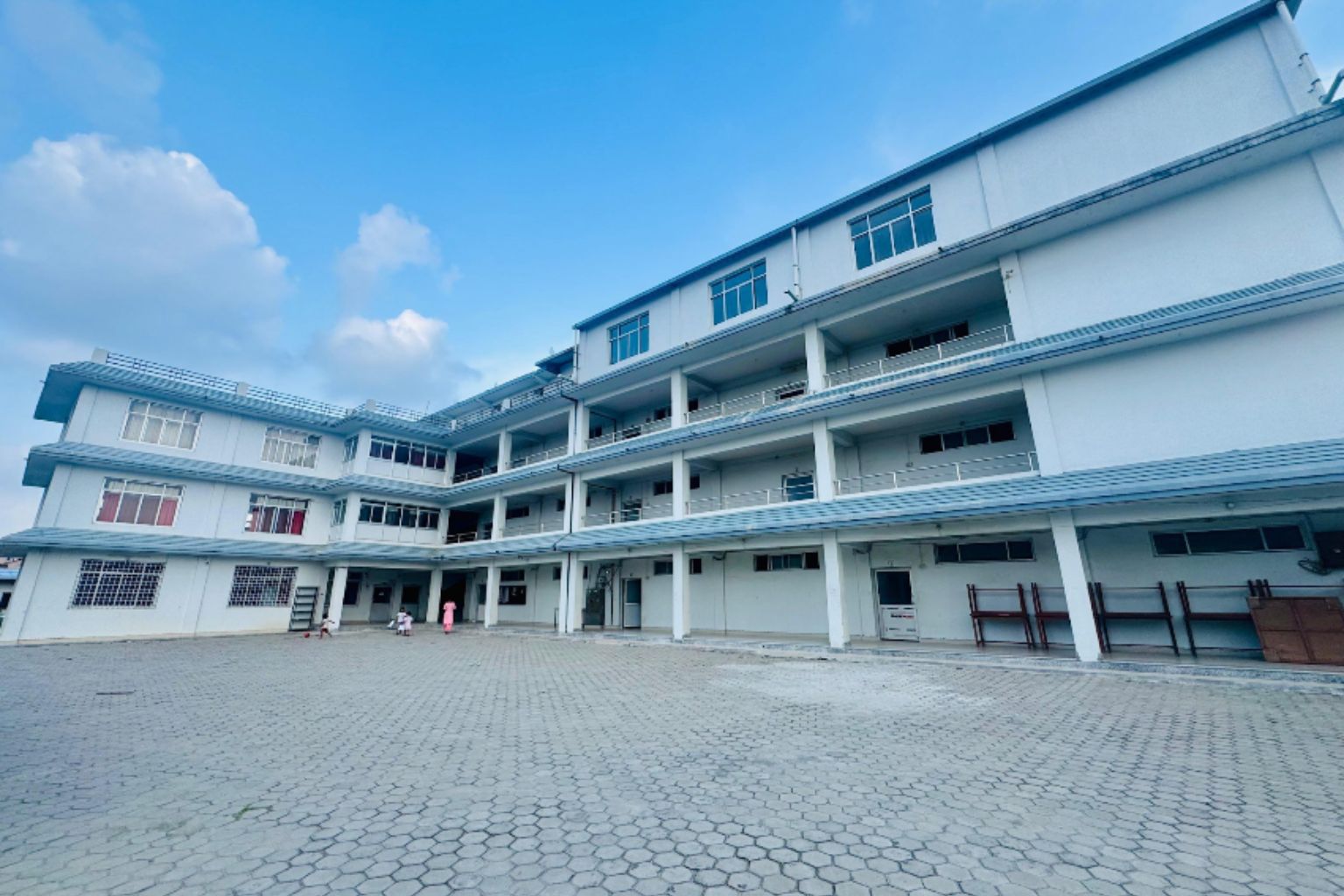
The Bachelor of Civil Engineering (BE Civil) at Bheri College of Engineering and Management is a four-year undergraduate engineering program affiliated with Far Western University. The course is offered at the college’s Nepalgunj–08 location in Banke and has an intake capacity of 48 students.
The program covers the scientific, technical, design, and management areas used in civil engineering. Students progress from mathematics, physics, mechanics, drawing, programming, and construction materials to surveying, structures, hydraulics, transportation, water resources, environmental engineering, foundation engineering, construction management, and project work.
| Field | Details |
|---|---|
| Course: | Bachelor of Civil Engineering |
| Abbreviation: | BE Civil |
| College: | Bheri College of Engineering and Management |
| Affiliation: | Far Western University |
| Level: | Bachelor’s degree |
| Duration: | 4 years / 8 semesters |
| Total Credits: | 167 |
| Medium of Instruction: | English |
| Seat Capacity: | 48 |
| Location: | Nepalgunj–08, Rangashala Road, Banke |
The course is conducted on a full-time basis. Each academic year contains two semesters, and each semester has a minimum of 90 working days, equivalent to 15 weeks.
The first year establishes the scientific and technical foundation required for later civil engineering study. Subjects include Engineering Mathematics, Engineering Chemistry, Physics, Engineering Drawing, programming, Applied Mechanics, English for Communication, Construction Materials, and Thermodynamics and Heat Transfer.
During the second year, students move into discipline-based subjects such as Engineering Survey, Strength of Materials, Engineering Geology, Fluid Mechanics, Building Drawing, Structural Analysis, Building Technology, Probability and Experimental Design, and Hydraulics.
The third year addresses the major working areas of civil engineering. The curriculum includes Computer Methods in Civil Engineering, Engineering Economics, Structural Analysis II, Water Supply Engineering, Transportation Engineering, Hydrology and River Engineering, Soil and Rock Mechanics, Irrigation Engineering, Design of Steel and Timber Structure, Sanitary and Environmental Engineering, Airport and Railway Engineering, Estimation, Costing and Valuation, and Concrete Technology and Masonry Structure. A survey camp and seminar are also included.
The final year focuses on professional and application-oriented study. Students take Design of RCC Structure, Hydropower Engineering, Foundation Engineering, Safety Engineering, RS and GIS Application to Engineering, Construction Management and Project Engineering, and Engineering Professional Practice and Society. The year also includes electives, a minor project, and a field-based major project.
Elective areas include structural engineering, water resources engineering, environmental engineering, highway engineering, and infrastructure for sustainable development. Students are required to complete four elective subjects carrying a total of 12 credits.
Far Western University’s instructional structure combines lectures with tutorials and practical classes according to the requirements of each subject. Tutorials extend classroom concepts, while laboratory and practical activities develop technical understanding and basic working skills. Presentations and multimedia-based instruction are encouraged in fourth-year courses.
At BCEM, the course is supported by surveying and design laboratories, project-based learning, regular site visits, library access, and internship opportunities. These activities connect engineering calculations and classroom concepts with observation, measurement, design, reporting, and field conditions.
The seminar component develops critical analysis, report writing, oral communication, and presentation skills through civil engineering topics selected by students. Project work includes topic selection, literature review, methodology, data collection, analysis, drawing or map preparation, and final report writing.
Student performance is assessed through internal evaluation and final end-semester examinations. For the theory component, 40 percent of the total marks is allocated to internal assessment. Internal evaluation may include attendance, assignments, class performance, tests, and quizzes.
Practical subjects are generally evaluated continuously through laboratory performance, reports, presentations, and viva examinations. Students must maintain at least 70 percent attendance to qualify for final examinations and obtain 45 percent in both the internal and final components of each subject.
The program may suit students prepared for sustained study in mathematics, science, technical drawing, computing, surveying, design, and field-based engineering work. It requires regular numerical practice, laboratory participation, report preparation, teamwork, site observation, and project development.
The curriculum provides academic preparation across structural engineering, geotechnical engineering, water resources, transportation, environmental engineering, construction, surveying, and project management. Individual professional pathways depend on academic performance, technical ability, practical experience, and applicable professional requirements.
College: Bheri College of Engineering and Management
Address: Nepalgunj–08, Rangashala Road, Banke, Nepal
Phone: 081-590301, 9849990112, 9848278184, 9868249777, 9769202996
Website: www.becm.edu.np







