The B.E. in Civil Engineering at Kantipur International College (KIC) is an undergraduate engineering program affiliated with Purbanchal University. KIC has offered BE Civil since 2010, with a stated intake capacity of 96 seats.
The Purbanchal University course structure effective from the 2021 batch is organized across eight semesters. It moves from mathematics, mechanics, engineering materials, drawing, and basic sciences into surveying, structures, hydraulics, geotechnical engineering, transportation, water supply, irrigation, construction management, design, project work, and internship.
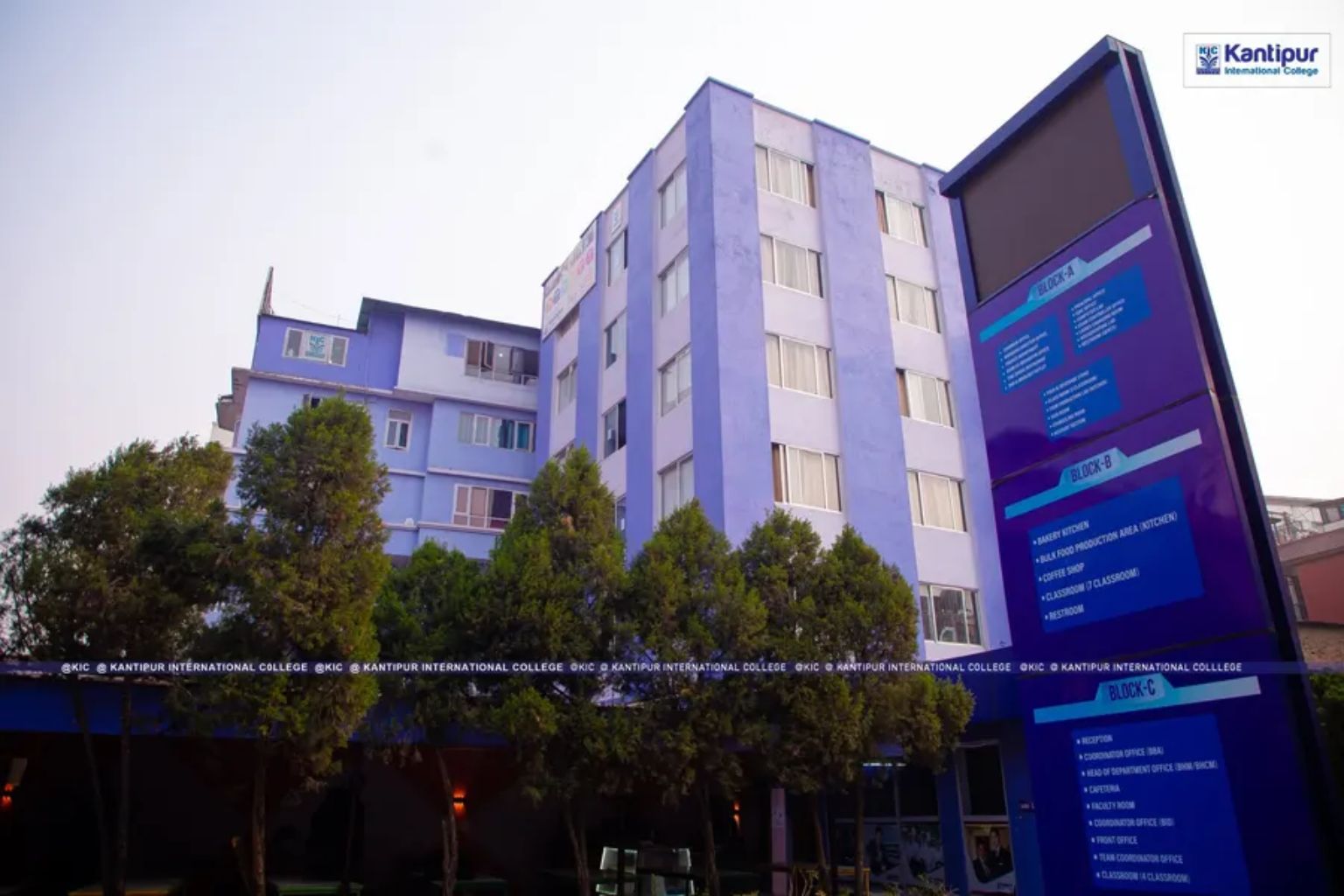
| Particular | Details |
|---|---|
| Program: | B.E. in Civil Engineering |
| Common Name: | BE Civil |
| Level: | Undergraduate |
| Institution: | Kantipur International College |
| Affiliation: | Purbanchal University |
| Faculty: | Faculty of Engineering |
| Academic Structure: | 8 Semesters |
| Seats: | 96 |
| Curriculum Reference: | Effective from 2021 Batch |
| Survey Camp: | Minimum 12 Days |
| Internship: | 30 Working Days |
| Project Work: | Civil Engineering Project I and II |
Civil engineering at KIC covers the technical areas involved in buildings, structures, transportation, water systems, surveying, soil and foundations, construction, and infrastructure planning.
The early semesters establish the mathematical, scientific, drawing, and mechanical base required for later engineering subjects. Students then move into structural analysis, fluid mechanics, surveying, geology, hydraulics, soil mechanics, transportation engineering, water supply, foundation engineering, irrigation, sanitary engineering, design, estimation, safety, and construction project management.
The curriculum also contains practical and field-oriented components. Laboratory work appears alongside several technical subjects, Survey Camp is included in Semester V, project work begins in Semester VII, and a 30-working-day internship is included in Semester VIII.
Mathematics-I
Chemistry
Applied Mechanics-I (Statics)
Civil Engineering Materials
Basic Electrical Engineering
Engineering Drawing-I
Workshop Technology
Semester I carries 19 credit hours and establishes the foundation in mathematics, mechanics, materials, electrical concepts, engineering drawing, chemistry, and workshop practice.
Mathematics-II
Physics
Applied Mechanics-II (Dynamics)
Building Technology
Fundamental of Thermodynamics and Heat Transfer
Engineering Drawing-II
The second semester carries 18 credit hours. Building Technology introduces construction-related study while mathematics, physics, mechanics, thermodynamics, and drawing continue the engineering foundation.
Mathematics-III
Strength of Materials
Fluid Mechanics
Survey I
Engineering Geology
Basic Electronics Engineering
Computer Programming
Semester III carries 20 credit hours. This stage brings students into major civil engineering areas such as material behavior, fluids, surveying, and geology while also introducing programming and basic electronics.
Probability & Statistics
Survey-II
Hydraulics
Theory of Structure-I
Concrete Technology and Masonry Structures
Civil Engineering Drawing
English for Technical Communication
The 20-credit fourth semester develops structural, hydraulic, surveying, concrete, drawing, statistical, and technical communication study.
Soil Mechanics
Survey Camp
Theory of Structure-II
Water Supply Engineering
Transportation Engineering-I
Engineering Hydrology
Design of Steel and Timber Structure
Survey Camp is a distinct field component in this semester and requires a minimum of 12 days. The semester carries 20 credit hours.
Foundation Engineering
Irrigation Engineering
Sanitary Engineering
Transportation Engineering-II
Numerical Methods
Engineering Economics
Semester VI carries 18 credit hours. The subjects extend civil engineering study into foundations, irrigation, sanitation, transportation systems, numerical analysis, and the economic aspects of engineering.
Design of Reinforced Concrete Structure
Hydropower Engineering
Estimation and Valuation
Civil Engineering Project I
Safety Engineering
Construction Project Management
Elective-I
This 18-credit semester brings design, estimation, safety, hydropower, construction management, project work, and elective study together. Civil Engineering Project I begins the final project sequence.
Civil Engineering Project II
Engineering Professional Practice
Elective-II
Internship
Semester VIII carries 11 credit hours. Civil Engineering Project II continues the project work started in Semester VII, while Engineering Professional Practice and an elective complete the academic component. The internship requires 30 working days.
The course structure does not treat civil engineering as theory-only study. Practical marks, laboratory periods, tutorials, drawing work, field activities, and projects appear throughout the curriculum.
Survey I and Survey-II combine classroom and practical work before students undertake the Survey Camp in Semester V. Civil Engineering Materials, Strength of Materials, Fluid Mechanics, Engineering Geology, Hydraulics, Concrete Technology and Masonry Structures, Soil Mechanics, Water Supply Engineering, Sanitary Engineering, and Transportation Engineering also contain practical components within their respective semester structures.
The final two semesters add Civil Engineering Project I and II, allowing students to apply engineering study through a structured project sequence.
Across the eight semesters, students encounter several connected branches of civil engineering:
Structural analysis and structural design
Surveying and engineering drawing
Construction materials and building technology
Soil mechanics and foundation engineering
Fluid mechanics, hydraulics, and hydrology
Water supply and sanitary engineering
Irrigation engineering
Transportation engineering
Steel, timber, and reinforced concrete design
Estimation and valuation
Construction project management
Safety engineering
Hydropower engineering
Engineering economics
Professional practice
This progression takes students from basic engineering sciences into design, infrastructure systems, construction planning, fieldwork, and project-based study.
Civil Engineering Project I is included in Semester VII. Civil Engineering Project II follows in Semester VIII and carries three credit hours.
The eighth semester also includes an internship of 30 working days.
Together, these components place applied work toward the end of the degree, after students have completed most of the structural, geotechnical, transportation, water, construction, and design subjects in the curriculum.
Kantipur International College is affiliated with Purbanchal University and has offered BE Civil since 2010. Civil engineering forms part of KIC's science and technology academic portfolio alongside programs such as architecture and artificial intelligence. The college's science and technology studies operate from Lalitpur.
Facilities relevant to technical study include computer labs, workshops, and libraries. Practical sessions are also part of KIC's academic approach.
The curriculum can support development of abilities in:
Engineering calculations and technical problem-solving
Surveying and field measurement
Engineering drawing
Structural analysis and design
Construction material assessment
Water and transportation system study
Soil and foundation analysis
Estimation and valuation
Construction planning and project coordination
Technical communication
Engineering project preparation
The extent of competence developed in each area depends on academic performance, practical work, project involvement, and individual study.
Civil engineering graduates may explore work connected with construction, infrastructure, structural work, surveying, water systems, transportation projects, estimation, and project coordination.
Possible areas include:
Building and construction projects
Civil engineering consultancies
Structural and design support
Surveying and field engineering
Water supply and sanitation projects
Transportation and road projects
Construction estimation and planning
Project coordination
Infrastructure-related technical work
Specific professional responsibilities depend on employer requirements, experience, technical competence, and any applicable professional rules.
Graduates interested in further engineering study at KIC can also explore the Master in Earthquake Engineering or MSc Construction Management.
BE Civil at Kantipur International College is affiliated with Purbanchal University.
The Purbanchal University course structure is organized across eight semesters.
The stated seat capacity for the BE Civil program at Kantipur International College is 96.
Yes. The curriculum includes laboratory and practical components in multiple subjects, along with engineering drawing, surveying, Survey Camp, project work, and internship.
Yes. Survey Camp is included in Semester V and requires a minimum of 12 days.
Yes. Civil Engineering Project I is included in Semester VII, followed by Civil Engineering Project II in Semester VIII.
Yes. Internship is included in Semester VIII and requires 30 working days.
The curriculum covers structures, surveying, hydraulics, soil and foundation engineering, transportation, water supply, sanitation, irrigation, construction management, estimation, reinforced concrete design, hydropower, and related engineering subjects.