Overview
Ten Plus Two (+2) Law at Dakchyata International College, Kalimati, Kathmandu
Ten Plus Two (+2) Law at Dakchyata International College, Kalimati, runs under the National Examinations Board (NEB) as a two-year program for Grade 11 and 12.
This stream provides early exposure to legal thinking, civic responsibility, and the structure of Nepal’s legal system for students who have completed the SEE.
The course follows the national Law curriculum prepared by the Curriculum Development Centre, Ministry of Education.
It introduces general principles of law, Nepalese legal history, constitutional development, human rights, and basic procedural concepts.
Students at Dakchyata study these subjects in a learning environment that also values life skills, reality-based education, and active classroom participation from school level onwards, so you enter +2 Law in a setting that already encourages discussion and reflection.
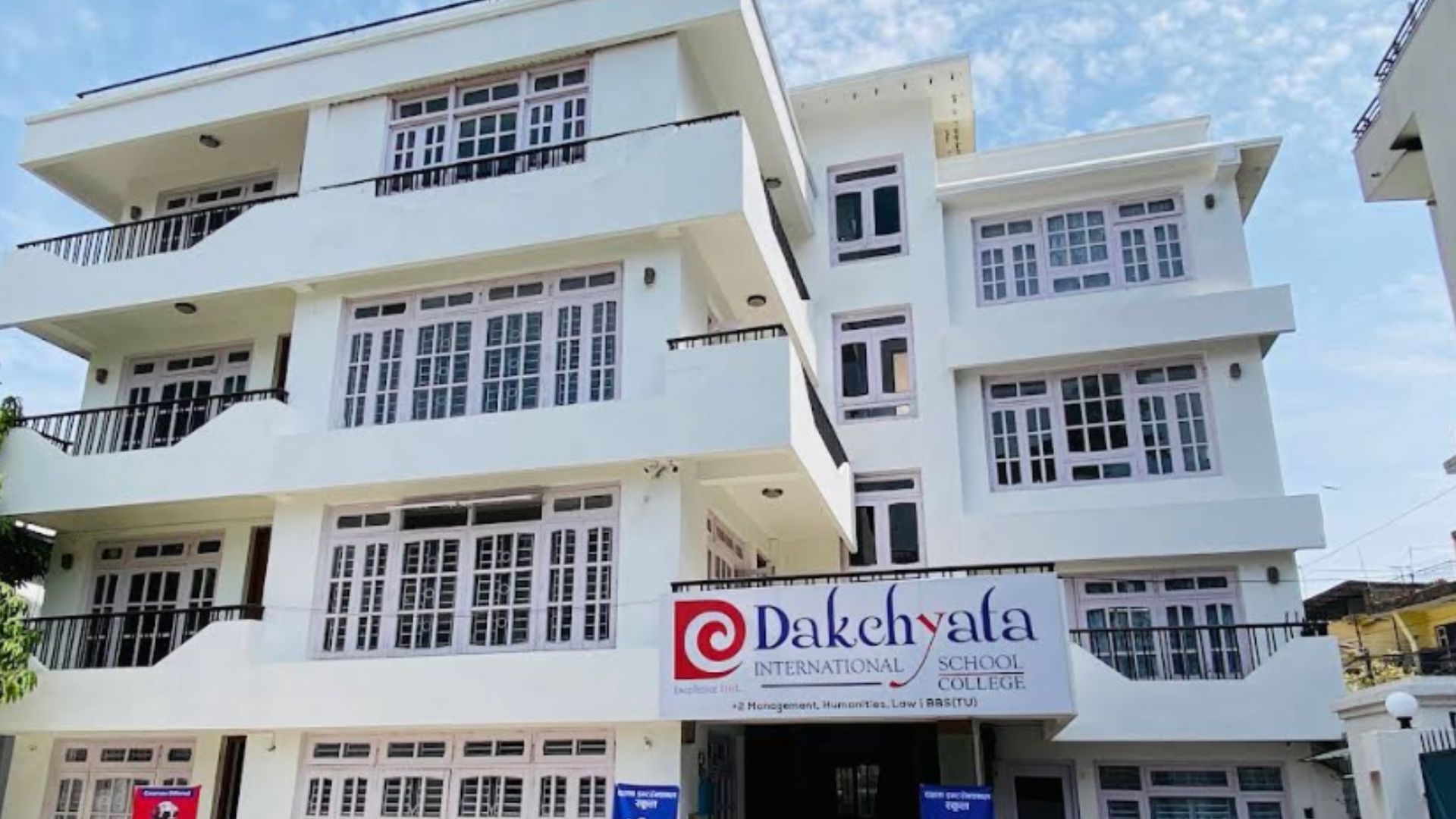
Highlights
-
NEB-recognized Ten Plus Two (+2) Law stream (Grade 11 and 12)
-
Two-year full-time program for SEE graduates
-
Focus on Nepalese legal system, constitutional law, human rights, and justice
-
English and Nepali as core language subjects, as per national framework
-
Law classes conducted on the same Kalimati campus that offers PG–Grade 12 and BBS
Curriculum Details
The NEB Law curriculum at secondary level carries 500 marks in Grade 11 and 500 marks in Grade 12.
Grade 11 usually includes:
-
Compulsory English
-
Compulsory Nepali
-
General Principles and Theories of Law
-
Nepalese Legal System
-
Constitutional Law and Nepalese Constitution
Grade 12 usually includes:
-
Compulsory English
-
Legal Drafting
-
Procedural Law
-
Civil Law and Justice
-
Criminal Law and Justice
-
Human Rights
These subjects help you see how legal rules grow from basic concepts to detailed procedures, while keeping close contact with Nepal’s constitutional and social context.
Objectives
Ten Plus Two (+2) Law at Dakchyata International College seeks to:
-
Build fundamental understanding of law, rights, duties, and justice
-
Introduce Nepalese legal history and court structure
-
Help students read simple legal texts and identify key ideas
-
Prepare a base for bachelor-level law studies or other social science programs
-
Encourage responsible citizenship and respect for rule of law
Scope
+2 Law creates an early pathway for students who plan to study LL.B, BA LL.B, or other law-related degrees in Tribhuvan University or other universities later.
The stream is also suitable for students who want a strong background for careers in:
-
Public administration and governance
-
Civil service and security services
-
Human rights organizations and NGOs
-
Media, policy research, and social advocacy
Learning Outcomes
Students completing Ten Plus Two (+2) Law at Dakchyata are expected to:
-
Explain core legal concepts such as law, rights, duties, liability, property, and justice
-
Distinguish between civil and criminal law, substantive and procedural law
-
Outline the structure of the Nepalese court system and key legal institutions
-
Summarize the evolution of Nepalese legal system and major constitutional changes
-
Recognize basic features of human rights and their protection in Nepal
Skill Development Modules
The national law curriculum encourages skill-building beyond theory.
At Dakchyata, students practice:
-
Legal terminology through class discussions and short written tasks
-
Argumentation and reasoning during debates on current legal and social issues
-
Case-based analysis using simple Nepalese case examples
-
Basic legal drafting such as notices, applications, and short petitions in Grade 12
-
Small project work on topics like access to justice, local dispute resolution, or legal awareness in the community
These activities help you gain confidence in expressing views, interpreting rules, and relating law to daily life.
Teaching Methodology
The Law curriculum from the Curriculum Development Centre suggests explanatory lectures, Socratic dialogue, case discussion, project work, and use of statutes and case law as teaching methods.
Dakchyata International College follows this framework by:
-
Running interactive classes where students ask questions and discuss examples
-
Providing handouts and reference materials for key units such as jurisprudence, Nepalese legal system, and constitutional development
-
Assigning group tasks, presentations, and field observation where possible
-
Encouraging students to follow legal news so classroom topics connect with current events
Admission Requirements
NEB guidelines for admission to Grade 11 require a minimum overall GPA of 1.6 in SEE and at least a D grade in English, Nepali, and Social Studies or equivalent subjects.
Dakchyata International College, as an NEB-affiliated institution, follows these national criteria and may conduct its own entrance test and counseling session for the Law stream.
Students and parents should check the latest Grade 11 admission notice from the college each academic year for seat numbers and internal rules.
Career Opportunities
+2 Law does not lead directly to professional practice as a lawyer, but it gives an early start for several directions:
-
Further study in law: LL.B, BA LL.B, and LL.M later
-
Study in public administration, political science, criminology, or social work
-
Entry-level roles in legal support, documentation, or paralegal assistance after higher studies
-
Stronger background for competitive examinations where civic knowledge and constitutional understanding matter
Scholarships and Financial Aid
Dakchyata International School/College has appeared in Kathmandu Metropolitan City scholarship documents for secondary education in previous years.
Ten Plus Two (+2) Law students may access:
-
Merit-based concessions linked to SEE grades or entrance performance
-
Scholarship quotas routed through municipal mechanisms when published
-
Limited internal support for students from specific backgrounds, as per college rules
Exact categories and amounts change by year, so you should confirm details directly with the college office during admission.
Why Choose Ten Plus Two (+2) Law at Dakchyata International College?
Ten Plus Two (+2) Law at Dakchyata International College gives you early contact with legal study in a campus where school-level, +2, and bachelor-level management programs run together.
The location in Kalimati offers access for students from different parts of Kathmandu, while the college culture already values life skills and real-world learning.
If you feel drawn toward justice, public affairs, or community issues, this stream helps you test that interest in a structured way before committing to a full law degree.
You learn how law functions in Nepal, how rights and duties link with daily life, and how legal language works in practice.
Conclusion
Ten Plus Two (+2) Law at Dakchyata International College, Kalimati, stands as an NEB-recognized secondary-level legal education track that links school completion after SEE to advanced law or social science study.
The program rests on the official Law curriculum of the Curriculum Development Centre and brings that framework into an environment where discussion, activity-based tasks, and life skills matter.
For students who want an informed start toward legal and civic careers, this course offers a clear and structured option.
FAQ
1. What is the duration of Ten Plus Two (+2) Law at Dakchyata International College?
Ten Plus Two (+2) Law runs for two academic years under NEB, covering Grade 11 and Grade 12.
2. Which body awards the +2 Law certificate?
The National Examinations Board awards the Grade 12 Law certificate after students pass the board examinations and fulfill internal assessment requirements.
3. Who can apply for +2 Law at Dakchyata?
Students who have passed SEE or an equivalent examination with at least GPA 1.6 and minimum D grade in English, Nepali, and Social Studies, or equivalent subjects, can apply, subject to college-level selection.
4. Does +2 Law restrict me from choosing other streams later?
The stream focuses on law-related subjects, yet many graduates later join management, humanities, social science, or public administration degrees.
The strong base in civic and constitutional topics supports a wide range of bachelor-level choices.
5. What type of student benefits most from this course?
Students who enjoy social studies, civics, debate, current affairs, and structured reading tend to benefit.