Bachelor of Information Technology (BIT)
- Bachelor Degree
- BIT
- International American University (IAU)
- Duration4 Years
- Study ModeFull Time
- MediumEnglish
About Bachelor of Information Technology (BIT)
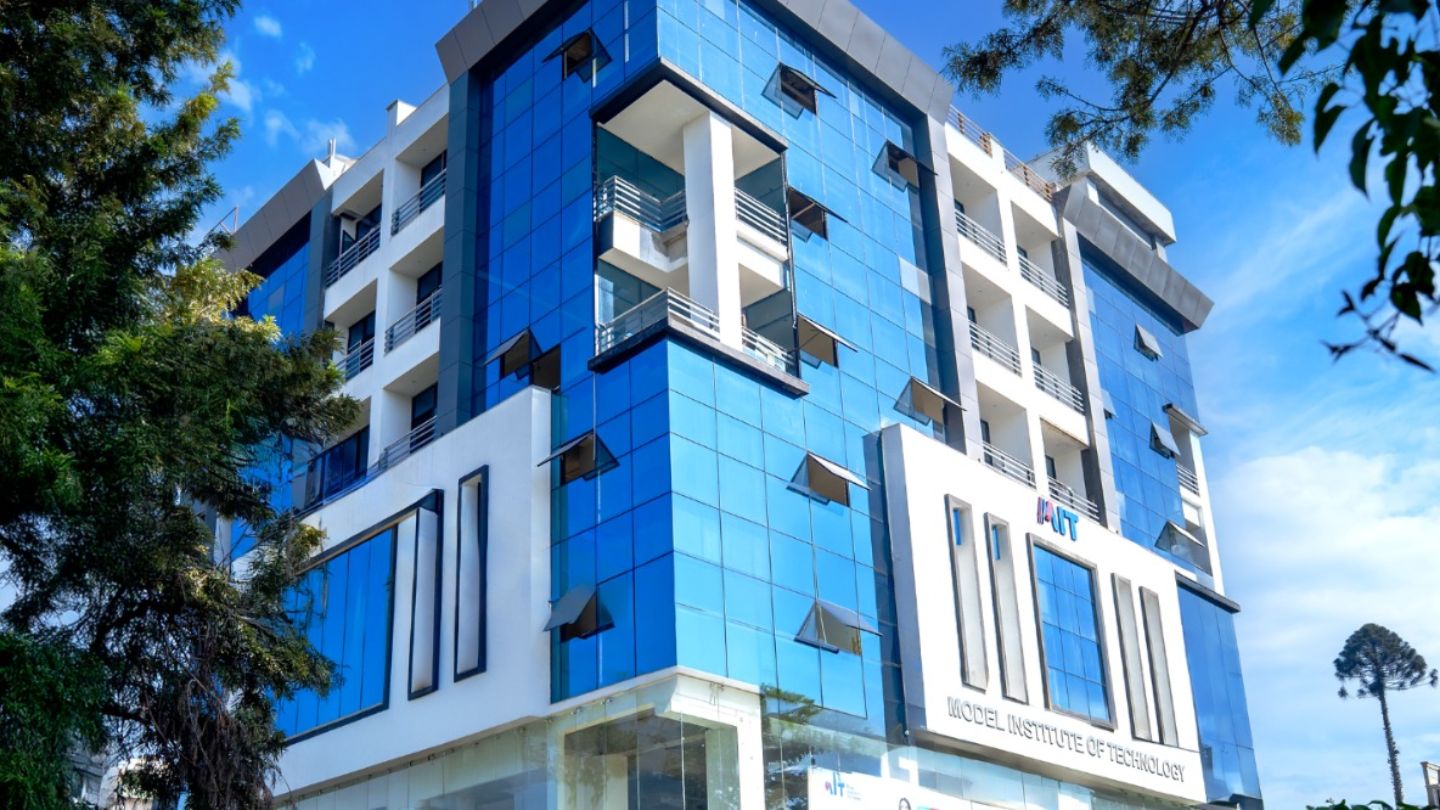
Bachelor of Information Technology (BIT) at Model Institute of Technology (MIT)
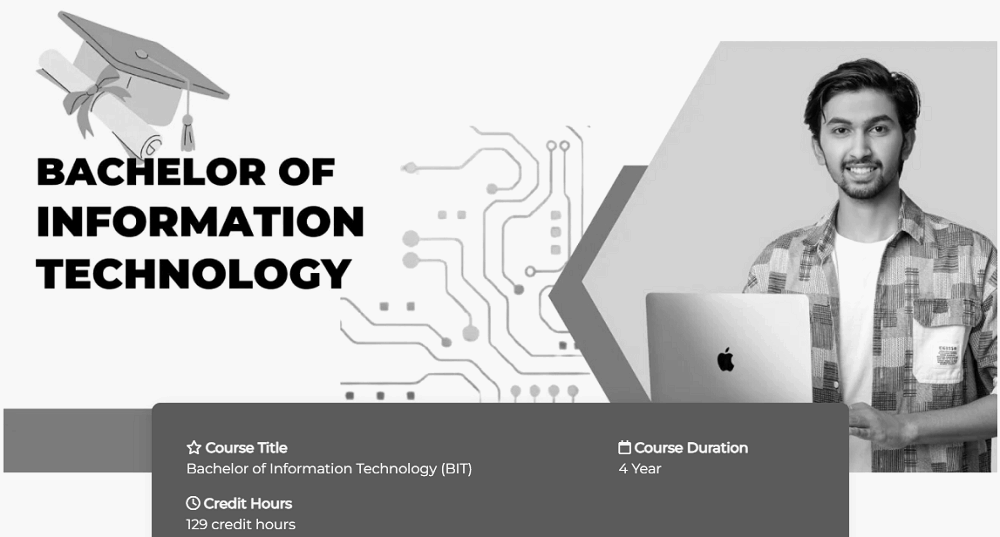
Bachelor of Information Technology (BIT) at Model Institute of Technology (MIT), Kamaladi, Kathmandu, is a four-year undergraduate program offered through MIT’s academic partnership with International American University (IAU), USA. The program is designed for students interested in computing, information systems, software development, network administration, databases, cybersecurity, data analysis, and related IT fields.
MIT follows a blended learning model that combines on-campus study with online academic components, practical work, projects, presentations, and internship-related exposure. Applicants for BIT should have completed Grade 10+2 level or an equivalent qualification recognized by NEB or a recognized board or university.
Quick Highlights
| Detail | Information |
|---|---|
| Course Name | Bachelor of Information Technology |
| Short Name | BIT |
| Institution | Model Institute of Technology |
| Location | Kamaladi, Kathmandu, Nepal |
| Academic Partner | International American University (IAU), USA |
| Level | Undergraduate |
| Duration | 4 years |
| Eligibility | Grade 10+2 or equivalent qualification recognized by NEB or a recognized board or university |
| Learning Mode | Blended / hybrid learning |
| Admission Process | Application review |
| Entrance Exam | No entrance exam listed |
| Contact Number | 01-5901393, 01-5901394 |
| info@mitnepal.edu.np | |
| Website | mitnepal.edu.np |
Course Overview
The Bachelor of Information Technology at MIT is an undergraduate program for students who want to study technology, computing, information systems, and applied IT. The program introduces students to major areas of information technology, including software development, network administration, cybersecurity, databases, data analysis, systems work, and IT project-related learning.
MIT offers BIT from its Kathmandu location. The institution is based in Kamaladi, Kathmandu, and its institutional contact references also use Bagbazar, Kathmandu. MIT’s academic partner is International American University, USA. Along with BIT, the institution also offers Bachelor of Business Administration (BBA) and Master of Business Administration (MBA).
The BIT program is relevant for students who want a technology-focused undergraduate degree after Grade 10+2. The course combines academic learning with practical components, presentations, group work, project-based evaluation, online learning tasks, and internship-related exposure.
Academic Partnership
MIT offers the BIT program through its academic partnership with International American University (IAU), USA. This partnership connects the Kathmandu-based program with IAU’s academic framework.
For students, the academic partnership is an important part of understanding the degree pathway, curriculum structure, academic requirements, evaluation model, and administrative process. BIT applicants can review the course structure, class model, academic regulations, and degree-use requirements before admission.
Who Can Study BIT at MIT?
BIT is suitable for students who are interested in computers, software, networks, databases, information systems, cybersecurity, and technology-based problem-solving. It can also suit students who prefer practical learning, lab-based tasks, projects, presentations, and structured technical work.
Students considering BIT should be ready for continuous learning. Information technology requires regular practice and awareness of changing tools, systems, platforms, and security needs. Students with interest in programming, system support, data handling, cloud platforms, mobile applications, IT consulting, and digital technology may find the academic direction relevant.
The program also requires communication, teamwork, documentation, and presentation skills. BIT students are expected to take part in assignments, lab practicals, group projects, case studies, online discussions, and continuous assessment activities.
Eligibility for BIT
Applicants for the Bachelor of Information Technology at MIT should have completed Grade 10+2 level or an equivalent qualification recognized by NEB or a recognized board or university.
This makes the program an undergraduate pathway for students completing higher secondary education or an equivalent academic level.
Admission Process
MIT follows an application-review process for admission. For BIT, applicants need Grade 10+2 or equivalent qualification. Applications are reviewed by the Enrollment Department, and selection considers academic background, learning attitude, applicant characteristics, and personal qualities.
MIT’s available admission information states that there is no entrance exam for admission. Applicants can prepare their educational documents and contact MIT’s admission office for the current intake process, class schedule, fee structure, scholarship category, and application timeline.
Application Documents
Applicants need the following documents for application submission:
-
Two passport-size photos with a white background
-
Copy of Nepali citizenship or passport
-
Scanned copies of educational documents, including transcripts, certificates, and character certificate
-
IELTS, TOEFL, PTE, or a letter from the previous college confirming English-medium study
Applicants with foreign qualifications, transfer backgrounds, scholarship applications, or special administrative cases can consult MIT for document-related guidance.
Learning Mode
MIT uses a blended learning model for BIT. This mode combines on-campus study with online academic components. Students attend some learning activities in person and complete other academic activities through online learning.
The blended mode includes self-directed learning, experience-based learning, problem-centered study, career relevance, flexibility, recognition of prior learning, motivation and feedback, and collaboration.
For BIT students, this learning mode is important because information technology education involves both concepts and practice. Students may need to complete classroom tasks, lab work, online assignments, group projects, presentations, portfolios, and practical exercises during the course.
The blended model also requires discipline. Students need to manage class attendance, online participation, project deadlines, practical assignments, and study routines throughout the program.
Academic Focus of BIT
The BIT program at MIT focuses on information technology and applied computing. It introduces students to IT skills related to software development, networks, cybersecurity, data analysis, and system-based work.
The course is connected with the following academic and career-related areas:
-
Software development
-
Database administration
-
Cybersecurity
-
Network administration
-
Systems analysis
-
IT project management
-
Data analytics and business intelligence
-
Cloud computing
-
Mobile app development
-
Artificial intelligence and machine learning
-
IT consulting
-
Digital marketing technology
-
Healthcare IT
-
Financial technology
These areas show the range of technology fields linked with the program. They are not guaranteed job outcomes. Actual career direction depends on academic performance, technical ability, project work, internship experience, portfolio strength, communication skills, and labor-market conditions.
Practical Learning and Evaluation
BIT at MIT includes both academic and practical evaluation. Students are assessed through different activities that measure classroom understanding, applied ability, participation, project work, and practical skills.
Evaluation areas include:
-
Assignments and projects
-
Lab practicals
-
Presentations
-
Peer and self-assessment
-
Group projects
-
Case studies
-
Quizzes and tests
-
Online portfolios
-
Final project
-
Practical examinations
-
Internships or co-op placements
-
Continuous assessment
-
Peer reviews
-
Online discussions and participation
This evaluation model gives students several ways to demonstrate learning. Assignments and quizzes assess theoretical understanding. Lab practicals and practical examinations assess applied IT ability. Projects, portfolios, and final project work help students show problem-solving and technical development. Presentations and group work support communication, collaboration, and professional confidence.
Internships or co-op placements are also part of the evaluation-related learning environment. Such exposure can help students understand workplace expectations, practical IT tasks, teamwork, and professional conduct.
Skills Students May Develop
BIT students at MIT may develop academic and practical skills connected with information technology. These skills can include technical understanding, software-related work, database handling, system analysis, network awareness, cybersecurity concepts, data analysis, project coordination, documentation, and communication.
The program also supports soft skills through presentations, group projects, peer review, online participation, and co-curricular activities. Students in IT fields need both technical and communication abilities because workplace tasks often involve reporting, explaining technical issues, collaborating with teams, and solving problems within deadlines.
Students who want to build stronger IT readiness can use the course structure to focus on coding practice, lab work, project development, portfolio preparation, internships, and independent learning.
Facilities for BIT Students
MIT lists classroom, computer lab, canteen, auditorium, library, incubation lab, writing center, physical activity center, basketball court, football ground, and tennis court among its facilities.
The computer lab is directly relevant for BIT students because the program includes technology-related study and practical work. The library supports academic reading and reference use. The writing center can help students with reports, assignments, documentation, and written communication.
The incubation lab is relevant for students interested in project development, entrepreneurship-related ideas, and applied problem-solving. Classrooms and the auditorium support lectures, seminars, presentations, workshops, and campus activities. Sports and physical activity facilities support student engagement beyond academic study.
Student Affairs and Support
MIT’s student affairs services include counseling, internship and job placement support, student mobility programs, exposure tours, community engagement, and grievance and feedback systems.
For BIT students, counseling can support academic and personal guidance. Internship and job placement support can help students prepare for practical exposure and employment-related processes. Exposure tours and mobility programs can add wider academic and professional engagement.
Grievance and feedback systems give students a channel for academic and administrative communication. Community engagement activities also help students take part in broader institutional and social learning.
Co-Curricular Engagement
MIT includes co-curricular engagement through academic, professional, and industry-related activities. These activities support communication, teamwork, presentation ability, leadership, problem-solving, and practical exposure.
Co-curricular activities include business presentation and modeling workshops, MS Excel training, writing and communication workshops, business conferences, public speaking, interpersonal and problem-solving activities, business simulation games, entrepreneurship pitch competitions, leadership and managerial skills workshops, share market training, case competitions, negotiation skill development, digital marketing workshops, field visits, hackathons, management simulation, research training, proposal development workshops, industrial visits, and job fairs.
For BIT students, technology-related engagement may include hackathons, technology competitions, IT entrepreneurship pitch activities, digital marketing workshops, project-based activities, seminars, and career development workshops. These activities can support technical confidence and practical learning beyond regular classes.
Scholarship Areas
MIT lists several scholarship areas for students. These include early-bird scholarship, merit-based scholarship, athletics scholarship, MIT Family Scholarship, remote area scholarship, need-based and reservation scholarship, Educate Girl Scholarship, international student scholarship, and corporate or industry partnership scholarship.
Students applying for BIT can review scholarship category, eligibility, selection basis, required documents, and continuation conditions during admission counseling. Scholarship availability and conditions can depend on program, intake, institutional policy, and applicant category.
Career-Related Pathways After BIT
BIT graduates may explore academic and professional pathways in software development, database administration, cybersecurity, network administration, systems analysis, IT project management, data analytics, cloud computing, mobile app development, digital marketing technology, fintech, healthcare IT, and related technology fields.
A BIT degree can support entry into IT-related work, but career progress depends on practical skills, portfolio development, internships, certifications, communication ability, and experience. Students who want to work in software, cybersecurity, data, networking, or systems roles usually need regular practice and continuous skill development alongside formal study.
The program can also support students planning further study in technology, computing, information systems, management information systems, data-related fields, or related academic areas, depending on the admission requirements of the institution where they apply.
What Students Should Consider Before Admission
Students planning to study BIT at MIT can consider several academic and practical factors. These include the program duration, learning mode, class schedule, evaluation pattern, practical work, project expectations, internship support, scholarship areas, fee structure, and academic partnership.
Students can also ask about computer lab access, software tools, online learning platform use, attendance rules, project supervision, internship process, and academic calendar. These details affect the daily study experience in a technical program.
BIT requires regular effort. Students who choose this course should be prepared for assignments, lab work, online tasks, group projects, presentations, and independent learning. Interest in technology is important, but consistent practice is equally necessary.
Why BIT at MIT May Be Relevant for Students
BIT at MIT may be relevant for students who want an undergraduate IT program in Kathmandu linked with International American University. The program combines technology-focused academic study with blended learning, practical assessment, student affairs services, facilities, co-curricular engagement, and scholarship areas.
The course can be considered by students who are interested in software, networks, databases, cybersecurity, systems, data, cloud platforms, mobile applications, and IT-related project work. It also suits students who want to develop both technical and communication skills through assignments, presentations, group projects, practical tasks, and internship-related exposure.
Curricular Structure
The BIT program requires students to complete 120 credit hours based on the component total provided in the structure and course content.
| Course Component | Credit Hours |
|---|---|
| General Education Component | 36 Cr |
| Common Professional Component | 51 Cr |
| Internship Component | 2 Cr |
| Elective Component | 31 Cr |
| Total | 120 Cr |
Course Content
General Education Component
12 Required Courses / 36 Semester Hours
Communication & English
3 Required Courses / 9 Semester Hours — Choose 3
| Code | Subject Name | Credit Hours |
|---|---|---|
| COM 100 | Intro to Mass Communication | 3 Hrs |
| COM 200 | Public Speaking | 3 Hrs |
| ENG 100 | English Composition | 3 Hrs |
| ENG 300 | Critical Thinking | 3 Hrs |
Social Sciences
3 Required Courses / 9 Semester Hours — Choose 3
| Code | Subject Name | Credit Hours |
|---|---|---|
| POL 100 | Introduction to Political Science | 3 Hrs |
| PSY 100 | Introduction to Psychology | 3 Hrs |
| SOC 100 | Introduction to Sociology | 3 Hrs |
| SOC 110 | Art and Culture | 3 Hrs |
| ECN 200 | Introduction to Microeconomics | 3 Hrs |
Math & Sciences
4 Required Courses / 12 Semester Hours
| Code | Subject Name | Credit Hours |
|---|---|---|
| INT 100 | Introduction to Information Technology | 3 Hrs |
| BUS 150 | Business Math | 3 Hrs |
| INT 150 | Computer Applications | 3 Hrs |
| MAT 200 | College Algebra | 3 Hrs |
| MAT 220 | Introduction to Statistics | 3 Hrs |
Cultural Studies
2 Required Courses / 6 Semester Hours — Choose 2
| Code | Subject Name | Credit Hours |
|---|---|---|
| HIS 100 | World History I | 3 Hrs |
| REL 200 | Religions of the World | 3 Hrs |
Core Professional Curriculum
17 Required Courses / 51 Semester Hours
| Subject Name | Credit Hours |
|---|---|
| Fundamentals of Information Technology | 3 Hrs |
| Fundamentals of Programming | 3 Hrs |
| Object Oriented Programming with Java | 3 Hrs |
| Discrete Structures | 3 Hrs |
| Data Structures and Algorithms | 3 Hrs |
| Computer Organization and Architecture | 3 Hrs |
| Database Management System | 3 Hrs |
| Web Design and Development | 3 Hrs |
| Operating System | 3 Hrs |
| Computer Networking | 3 Hrs |
| Software Engineering | 3 Hrs |
| Cloud Computing and Virtualization | 3 Hrs |
| Artificial Intelligence | 3 Hrs |
| Data Warehousing and Data Mining | 3 Hrs |
| Software Project Management | 3 Hrs |
| Network and System Administration | 3 Hrs |
| Introduction to Cyber Security | 3 Hrs |
Internship Component
| Component | Details | Credit Hours |
|---|---|---|
| Internship Component | Internship counts towards elective credit. | 6 Hrs |
Elective Component
24 Semester Hours — Choose Any 8 Courses
| Component | Requirement | Credit Hours |
|---|---|---|
| Elective Component | The requirement can be fulfilled by transferring or completing any undergraduate courses that are not a requirement. Undergraduate course codes are 100–499. | 24 Hrs |
Capstone Component
1 Course / 3 Semester Hours
| Component | Subject Name | Credit Hours |
|---|---|---|
| Capstone Component | Capstone | 3 Hrs |
Total Credit Hours
| Program Requirement | Credit Hours |
|---|---|
| Total | 120 Cr Hrs |
Contact Details
Institution: Model Institute of Technology
Location: Kamaladi, Kathmandu, Nepal
Phone: 01-5901393, 01-5901394
Email: info@mitnepal.edu.np
Website: mitnepal.edu.np
Download

Course Details
- Course TypeBIT
- LevelBachelor Degree
- Duration4 Years
- Affiliated To International American University (IAU)
- Study ModeFull Time
- MediumEnglish
- RecognitionMoE
-
Offered At
Model Institute of Technology (MIT)
Kamaladi, Kathmandu
Other Courses at Model Institute of Technology (MIT) 2
Latest Updates & Notices
- 09 Jul 26 Innovex MIT College Wins Two Titles at Aavishkar 26 KU Event
- 09 Jul 26 MIT College Kathmandu Admissions Open 2026 for BBA BIT MBA
- 25 Jan 26 Krishna Pandey Sets Record at MIT College Event in Kathmandu
- 06 Jan 26 MIT Kathmandu to Host Guinness Record Attempt
- 10 Dec 25 Model Institute of Technology (MIT) Signs MoU with Google Developer Group (GDG)
- 09 Aug 25 Study BBA, BIT, MBA at Model Institute of Technology (MIT College)
- 09 Aug 25 MIT College Hosts International Symposium on Education and Economic Development
Frequently Asked Questions
BIT at MIT Kathmandu is a four-year undergraduate program in information technology offered by Model Institute of Technology through its academic partnership with International American University, USA.
BIT stands for Bachelor of Information Technology.
The BIT program at MIT is four years long.
Applicants should have completed Grade 10+2 level or an equivalent qualification recognized by NEB or a recognized board or university.
MIT’s available admission information states that there is no entrance exam for admission.
MIT uses a blended learning mode that combines on-campus study with online academic components.
The program is connected with software development, network administration, cybersecurity, databases, systems analysis, data analytics, cloud computing, mobile app development, digital marketing technology, fintech, and related IT fields.
BIT students are evaluated through assignments, projects, lab practicals, presentations, group projects, case studies, quizzes, tests, online portfolios, final project, practical examinations, internships or co-op placements, continuous assessment, peer reviews, and online discussions.
MIT lists classroom, computer lab, canteen, auditorium, library, incubation lab, writing center, physical activity center, basketball court, football ground, and tennis court among its facilities.
Model Institute of Technology is located in Kamaladi, Kathmandu, Nepal. Its institutional contact references also use Bagbazar, Kathmandu.
Reviews
Questions & Discussions
Contact Model Institute of Technology (MIT), Kathmandu
- AddressKamaladi, Kathmandu, Nepal
- Phone+977-1-5901393
- Phone+977-1-5901394
- Phone+977-9851344685
- Emailinfo@mitnepal.edu.np
- Websitemitnepal.edu.np
- Contact personModel Institute of Technology (MIT)