The Bachelor in Information Technology (BIT) at Model Purbanchal College is a four-year undergraduate program offered in Janakpur, Dhanusha. The program follows the semester system of Purbanchal University and combines computing, mathematics, electronics, communication systems, management, laboratory practice, and continuous project work.
Students study programming, databases, web technologies, networking, operating systems, software engineering, data warehousing, information systems, wireless communication, and related areas. Model Purbanchal College has an approved intake of 48 students for the BIT program.
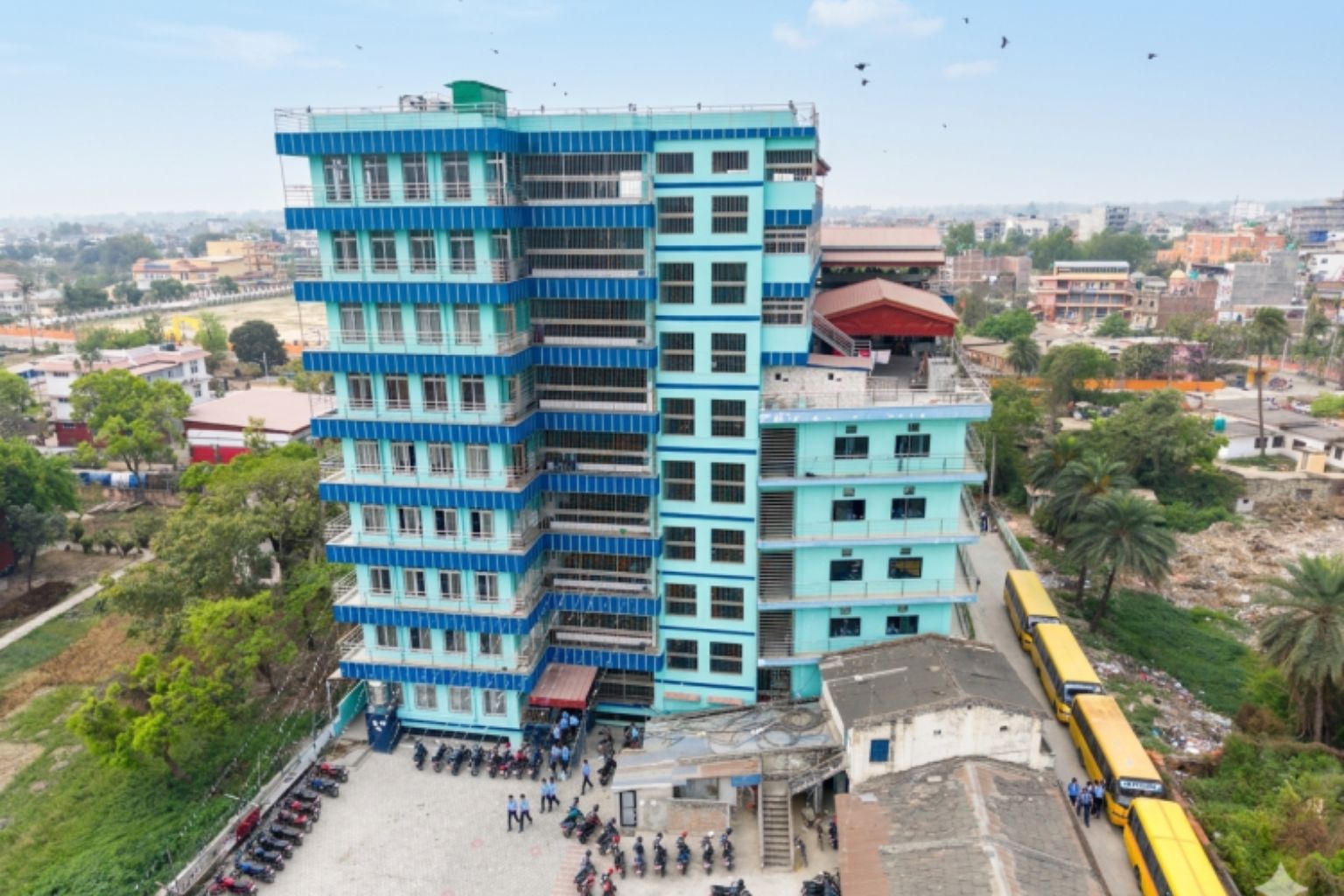
Course: Bachelor in Information Technology
Abbreviation: BIT
Level: Bachelor’s degree
Duration: Four years
Academic System: Eight semesters
Affiliation: Purbanchal University
College: Model Purbanchal College
Location: Janakpur, Dhanusha, Madhesh Province
Seat Capacity: 48
Academic Components: Theory, tutorials, laboratory work, projects, electives, and an application project
The BIT program covers the technical and organizational areas involved in information technology. The curriculum begins with mathematics, computing fundamentals, electrical systems, technical communication, management, and programming. It later moves into software development, computer organization, databases, networking, web technologies, operating systems, data mining, software engineering, and wireless communication.
Management subjects are included alongside technical courses. Principles of Management, Financial Management and Accounting, Marketing Management, Management Information System, and Software Project Management help students understand how technology functions within organizations.
Project work is included throughout the program. Students develop software and technical applications, prepare documentation, deliver presentations, and participate in practical evaluation.
The program may suit students interested in programming, computer systems, web development, databases, networking, software projects, and technical problem-solving.
Students should be prepared to study mathematics and computing theory while completing laboratory exercises, coding assignments, project reports, presentations, and group-based application development.
Applicants may qualify through the following academic routes:
A minimum D grade in each subject, or D+ under the previous grading system
An aggregate GPA of at least 2.0 or at least 45 percent marks in Intermediate
At least 100 marks in Mathematics or Computer Science
Applicants who have completed a three-year diploma in any stream may apply.
A-Level applicants must have at least an E grade in each subject or an aggregate of 45 percent.
The BIT program is organized across four academic years and eight semesters. Each semester combines subject-specific lectures, tutorials, practical sessions, and project activities according to the requirements of individual courses.
| Semester | Credits | Courses |
|---|---|---|
| Semester I | 19 | Mathematics I; Fundamentals of Information Technology; Technical Communication; Basic Electrical System and Circuit; Principles of Management; Computer Programming I; Project I |
| Semester II | 17 | Mathematics II; Electronics Devices and Circuits; Digital Logic; Object Oriented Programming in C++; Project II; Financial Management and Accounting |
| Semester III | 17 | System Analysis and Design; Microprocessor and Assembly Language; Data Structure and Algorithm; User Interface Design; Project III; Numerical Methods |
| Semester IV | 19 | Communication System; Computer Organization; Web Technology I; Database Management System; Project IV; Discrete Mathematics; Marketing Management |
| Semester V | 18 | Probability and Statistics; Society and Ethics in IT; Data Communication; Web Technology II; Computer Graphics; Operating System; Project V |
| Semester VI | 17 | Embedded System Programming; Computer Network; Data Mining and Data Warehousing; Advance Object-Oriented Programming; Project VI; Research Methodology |
| Semester VII | 18 | Artificial Intelligence; Network Programming; Software Engineering; Management Information System; Elective I; Project VII |
| Semester VIII | 16 | E-commerce; Wireless Communication System; Software Project Management; Elective II; Application Project |
The first four semesters establish foundations in mathematics, programming, electronics, data structures, system analysis, computer organization, databases, and web technology. The later semesters concentrate on networks, operating systems, data analysis, software engineering, management information systems, electives, and larger application projects.
Students select from the following seventh-semester options:
Geographic Information System
Multimedia System
Cloud Computing
Distributed Processing
Theory of Computation
Internet and Intranet
Simulation and Modeling
Eighth-semester options include:
Remote Sensing
Multimedia Communication
E-Governance
System Administration
Design and Analysis of Algorithm
Network Security and Cryptography
Image Processing and Pattern Recognition
The elective structure allows students to study a selected area alongside the compulsory technical and project courses.
Many BIT subjects contain practical hours in addition to lectures and tutorials. Laboratory work is attached to programming, information technology, electronics, microprocessors, databases, web technology, computer graphics, operating systems, networking, embedded systems, data warehousing, and advanced programming.
Practical exercises include writing and testing programs, working with operating-system functions, designing databases, configuring small networks, developing web applications, and using technical methods introduced in theory classes.
The computer laboratory at Model Purbanchal College supports programming, database, web, networking, and project-based coursework. Digital classrooms and library services also support technical instruction, presentations, reference study, and independent learning.
Project work appears from the first semester through the final semester. The assignments progress from introductory programming tasks to software applications that use object-oriented programming, databases, web technologies, and software-engineering practices.
Students generally work individually or in small groups, depending on the project. Typical requirements include:
Selecting or receiving a project topic
Gathering system requirements
Preparing algorithms and system designs
Coding and testing the application
Writing technical documentation
Presenting the completed work
Attending a viva-voce examination
The seventh-semester project includes internal assessment and final evaluation covering presentations, the completed application, documentation, and viva. The eighth semester concludes with an application project carrying four credits.
Assessment differs according to the nature of each course. Theory-based subjects generally include internal assessment and a final theory examination. Courses with laboratory components may carry separate theory and practical marks.
Project evaluation may include progress presentations, pre-final submission, final presentation, software or application quality, written documentation, and viva-voce. This structure assesses both subject knowledge and the ability to complete and explain practical work.
Through its subjects and practical components, the BIT program supports learning in:
Procedural and object-oriented programming
Data structures and algorithms
Database design and management
Web application development
Computer organization and operating systems
Data communication and computer networks
Embedded systems and microprocessors
Data mining and data warehousing
Software analysis, design, testing, and documentation
Information-system management
Research and technical report writing
Project planning and presentation
The combination of technical communication, management courses, laboratory work, and group projects also develops experience in documentation, teamwork, presentations, and structured problem-solving.
BIT graduates may explore work in software companies, banks, educational institutions, government organizations, telecommunications, and other organizations that use computer systems and information services.
Possible roles include:
Software Developer
Web Designer or Web Developer
System Analyst
Database Administrator
Network Administrator or Network Engineer
IT Officer
Cybersecurity Analyst
IT Consultant
Employment outcomes depend on technical ability, project experience, communication skills, further training, recruitment requirements, and available positions. Graduates may also continue with higher study in information technology or related disciplines.
BIT students study in an environment supported by digital classrooms, computer and science laboratories, and a library. Classroom instruction is combined with laboratory sessions, projects, presentations, and active student participation.
Career counseling, industrial visits, cultural programs, and co-curricular activities supplement academic study. These activities provide additional settings for communication, teamwork, leadership, and interaction with organizational environments.
BIT stands for Bachelor in Information Technology.
The program takes four years and is divided into eight semesters.
The BIT program at Model Purbanchal College is affiliated with Purbanchal University.
The college has an approved intake of 48 students for the BIT program.
Yes. Project work is included throughout the program, with an application project in the eighth semester.
Yes. Programming, databases, web technology, networking, electronics, operating systems, and several other subjects include laboratory or practical components.
Elective options include cloud computing, geographic information systems, multimedia, distributed processing, simulation and modeling, system administration, network security and cryptography, e-governance, remote sensing, and image processing.
The first semester includes Mathematics I, Fundamentals of Information Technology, Technical Communication, Basic Electrical System and Circuit, Principles of Management, Computer Programming I, and Project I.