



The Bachelor of Technology in Food (B. Tech Food) at Nagarik College is a four-year bachelor-level program in food technology. The program is affiliated with Tribhuvan University and connected with TU IOST.
The course focuses on scientific, technical, and practical areas of food technology. Students study food quality control, food processing, food microbiology, food chemistry, human nutrition, food engineering, dairy technology, preservation, storage, packaging, and related food technology fields.
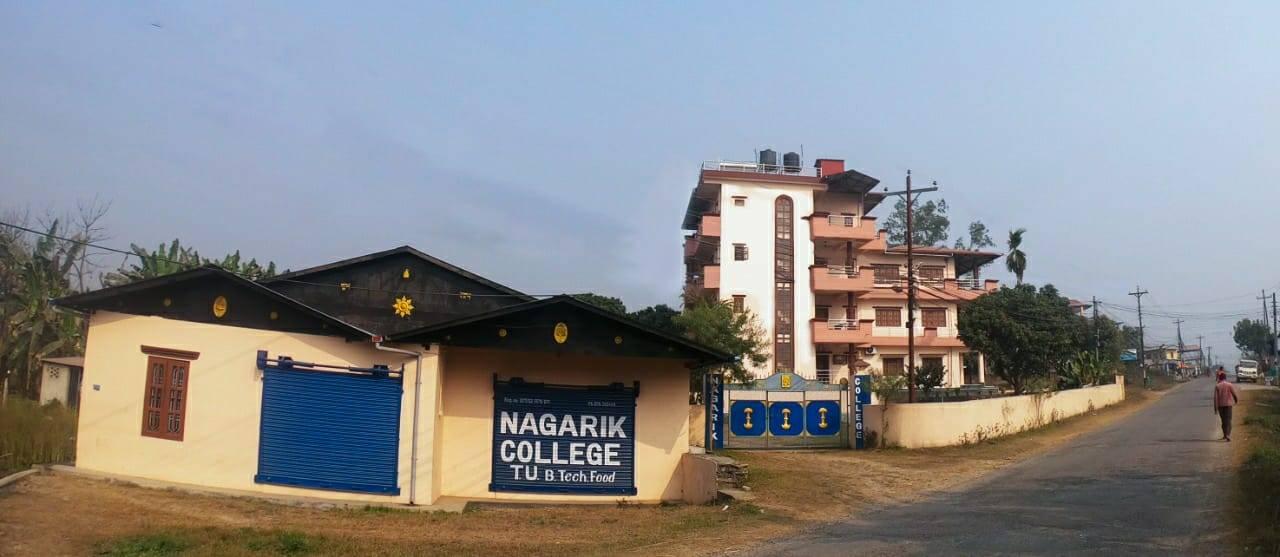
Course Name: Bachelor of Technology in Food (B. Tech Food)
College: Nagarik College
Location: Gaindakot-02, Nawalpur
Affiliation: Tribhuvan University
Academic Unit: TU IOST
Duration: Four years
Level: Bachelor degree
Field: Food Technology
Eligibility: +2 Science and eligible CTEVT diploma backgrounds
The B. Tech Food program covers core areas of food science and technology. The academic content includes Applied Physics, Applied Chemistry, Applied Mathematics, Statistics, Basic and Food Microbiology, Industrial Microbiology, Food Engineering, Principles of Food Processing, Food Chemistry, Biochemistry, and Human Nutrition.
The program also includes Technology of Food Products I, II, and III. These areas connect with cereals, pulses, fruits, vegetables, meat, fish, poultry, dairy, confectionery, and other food commodities.
Food quality and safety-related study is covered through Food Quality Control and Analysis, sensory science, quality assurance, and instrumental analysis. Food preservation, storage, packaging, and labelling are also included as part of the food technology scope.
The course further includes Dairy Technology, Operation Research, Food Plant Management, Instrumental Techniques of Analysis, Biochemical Engineering, Dissertation, In-plant Training, and Class Seminar.
Food Technology at Nagarik College includes the following academic and technical areas:
Food quality control and assurance
Food analysis
Food packaging and labelling
Food processing
Dairy chemistry and technology
Meat, fish, and poultry technology
Food preservation and storage
Indigenous food technology
Sensory science
Value chain
Food microbiology
Human nutrition and dietetics
Food biochemistry
Cereals technology
Sugar technology
Food engineering
Fats and oil technology
Applicants for B. Tech Food at Nagarik College may apply through the +2 Science pathway or through eligible CTEVT diploma backgrounds.
The eligibility areas include:
+2 Science, any stream
10+2 or equivalent science background with minimum grade C in all subjects
CTEVT Diploma in Plant or Forestry Science
CTEVT Diploma in Animal Science
CTEVT Diploma in Pharmacy, HA, Lab, Health, or related subjects
CTEVT Diploma in Engineering
CTEVT Diploma in Computer or IT Engineering
CTEVT Diploma in Food and Dairy or related diploma subjects
Nagarik College supports course delivery through classroom learning, practical sessions, laboratory work, seminars, training, and workshops. The teaching approach includes active learning, PowerPoint-based classes, audio-visual learning, internet use, and subject-based student seminars.
Practical learning is connected with laboratories, pilot-plant-based exposure, dissertation work, in-plant training, and industry observation. The course structure gives students academic exposure to food analysis, microbiology, processing, quality control, dairy technology, packaging, and food plant-related subjects.
The college has subject-related laboratories and learning spaces used for food technology education. These include:
Physics Lab
Chemistry Lab
Meat Lab
Cereals Lab
Dairy Lab
Engineering Workshop
Microbiology Lab
Instrumental Lab
Library with food technology books and references
Computer and internet access
Classrooms with PowerPoint equipment and marker boards
The laboratories include instruments and tools such as spectrophotometers, colorimeters, flame photometers, refractometers, milling tools, slaughtering tools, microbiological tools, chemicals, glassware, and standard laboratory supplies.
B. Tech Food graduates may work in food technology, food quality, food safety, production, processing, nutrition, and related technical areas. Career areas named for food technologists include:
Production and operation management in food and allied industries
Quality control departments
DFTQC and RFTQC-related offices
Quarantine offices
District food inspection and research units
Quality assurance technologist roles
Food scientist roles in NARC
Dairy technologist roles in DDC
Nutritionist and dietician roles in Nepal Army, Nepal Police, Nepal Armed Police Force, and hospitals
Food technologist roles in Nepal Food Corporation
Food security officer roles
Food safety officer roles
Food expert roles in NGO and INGO sectors
HACCP and ISO auditor roles
Food microbiologist roles
Flavor technologist roles
Nagarik College supports student participation beyond classroom study through sports week, community or social surveys, food festivals, awareness programs, competitions, cultural programs, and college outings. These activities connect student life with communication, teamwork, public engagement, and food-related participation.
The Bachelor of Technology in Food at Nagarik College is a four-year program.
The program is affiliated with Tribhuvan University and connected with TU IOST.
Eligibility includes +2 Science, any stream, or eligible CTEVT diploma backgrounds. The college context also includes 10+2 or equivalent science background with minimum grade C in all subjects.
Eligible CTEVT diploma backgrounds include Plant or Forestry Science, Animal Science, Pharmacy, HA, Lab, Health, Engineering, Computer or IT Engineering, and Food and Dairy or related diploma subjects.
The program covers food quality control, food processing, dairy technology, meat, fish and poultry technology, food preservation, sensory science, food microbiology, human nutrition, food biochemistry, cereals technology, sugar technology, food engineering, and fats and oil technology.
Yes. The program includes laboratory work, dissertation, in-plant training, class seminar, workshops, and industry observation.
Career areas include food quality control, food safety, food production, food processing, food microbiology, nutrition and dietetics, food security, HACCP and ISO auditing, dairy technology, and food technology roles in industry and government bodies.






