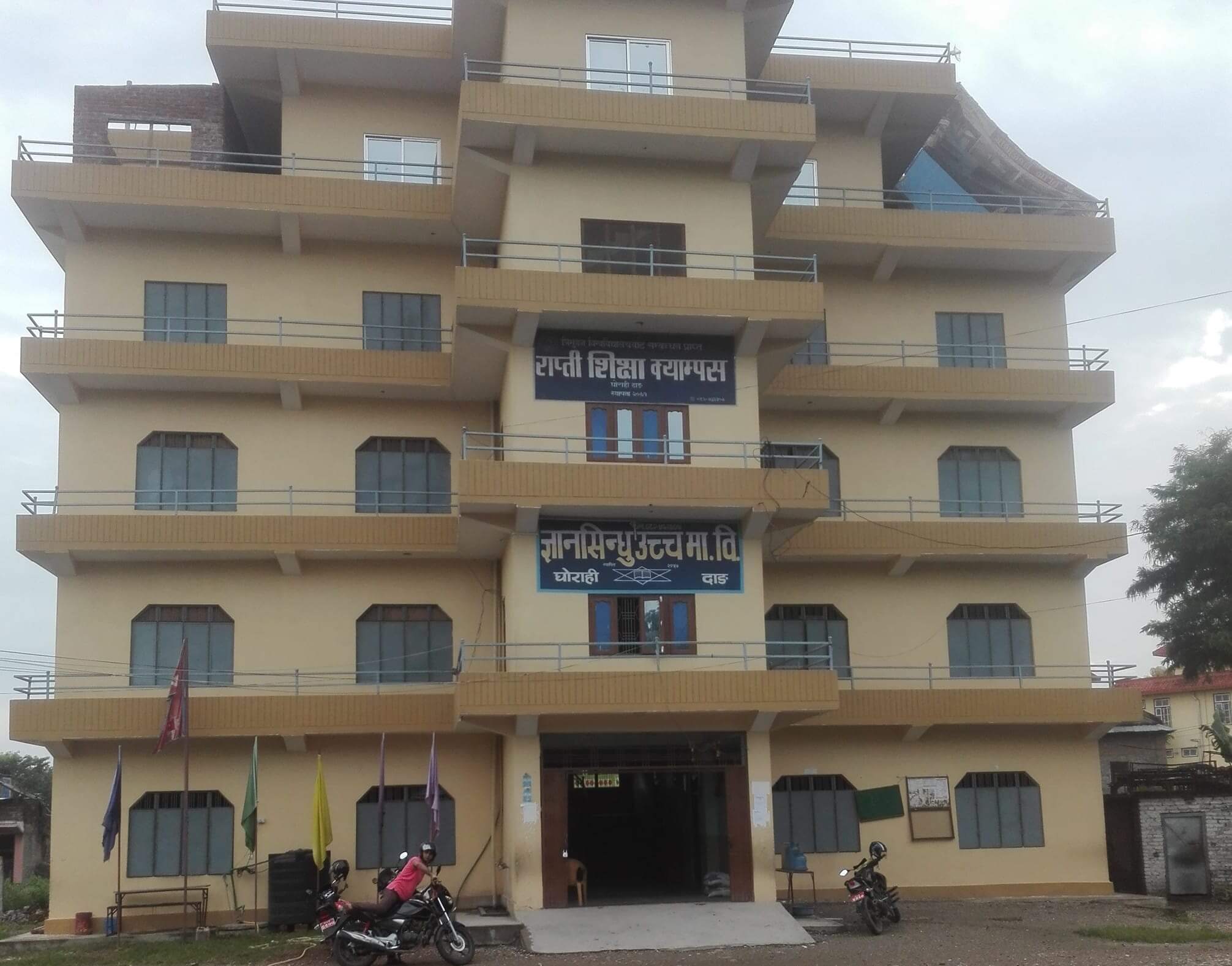
The Master of Education (M.Ed.) at Rapti Shiksha Campus is a two-year, four-semester program affiliated with Tribhuvan University. The campus is located at Ghorahi Sub-Metropolitan City-15, Aanandapur, Lumbini Province, Dang.
Rapti Shiksha Campus began conducting M.Ed. programs from 2070/071 BS. The program is available in English, Nepali, Health, and Population. It is designed for education graduates who want advanced academic preparation in teaching, educational practice, subject specialization, research, and education-related professional roles.
Two-year, four-semester M.Ed. program under Tribhuvan University
Offered at Rapti Shiksha Campus, Ghorahi-15, Aanandapur, Dang
Available subjects: English, Nepali, Health, and Population
Program includes core education courses, specialization courses, teaching practice or practicum, and thesis writing
Semester-end examinations are conducted by the Office of the Dean, Faculty of Education
Classes conducted in English and Nepali media
Library facility with more than 10,000 books
Seminars, workshops, and panel discussions available
Scholarship and fee-discount provisions for eligible students
The Master of Education (M.Ed.) follows the semester system of the Tribhuvan University Faculty of Education. The program carries 69 credit hours and includes professional education, subject specialization, teaching practice or practicum, and thesis work.
Core professional education courses
Specialization courses
Teaching Practice or Practicum
Thesis Writing
Four semesters completed over two years
Specialization areas available at Rapti Shiksha Campus: English, Nepali, Health, and Population
Prepare graduates for advanced teaching responsibilities in education
Develop subject-based academic depth in the chosen specialization
Strengthen understanding of education foundations, curriculum, evaluation, and research
Prepare students for thesis writing and academic inquiry in education
Support professional preparation for education-sector responsibilities
The M.Ed. program at Rapti Shiksha Campus is relevant for students who have completed education-related bachelor-level study and want to continue into advanced teacher education. The program connects subject specialization with professional education courses, teaching practice, and thesis writing.
Graduates of Rapti Shiksha Campus have worked in education and public-sector roles such as campus chief, principal, head teacher, section officer, school supervisor, technical assistant, non-gazetted first-class officer, and other areas of national life.
Advanced understanding of education theory and practice
Subject knowledge in English, Nepali, Health, or Population
Ability to engage with curriculum, evaluation, and educational research
Preparation for teaching practice or practicum requirements
Academic writing and thesis-related research skills
Readiness for education-related academic and professional responsibilities
Academic reading and writing
Research proposal and thesis preparation
Subject-based teaching and presentation
Participation in seminars, workshops, and panel discussions
Internal assessment and academic feedback
Preparation linked to teaching service and education-sector roles
Rapti Shiksha Campus conducts classes in English and Nepali media. The campus combines classroom teaching with academic activities and assessment practices that help students follow their progress during the semester.
Projectors and display boards in classrooms
Corner books available in classrooms
Seminars and workshops
Panel discussions
Internal examinations and unit tests
Homework assessment and academic feedback
School teacher
Higher secondary-level teacher
Head teacher
Principal
Campus chief
School supervisor
Section officer
Technical assistant
Non-gazetted first-class officer
Education-related public service roles
100 percent discount for persons with disabilities
Admission fee waiver and 50 percent discount on monthly fees for district toppers and students with GPA above 3.6
50 percent discount on admission and 25 percent discount on monthly fees for students with GPA from 3.25 to 3.60
25 percent discount on admission and 10 percent discount on monthly fees for students with GPA from 2.85 to 3.20
25 percent discount on monthly fees for Dalit students
Three-month, two-month, and one-month fee waiver for students securing first, second, and third positions in internal examinations
Scholarship support for meritorious students, persons with disabilities, students from backward regions, Dalit students, poor students, and helpless groups
Admission follows Tribhuvan University and Faculty of Education rules.
Admission notice is published by the concerned campus, department, institute, or Dean’s Office.
Eligible applicants submit the prescribed application form.
Admission may include an entrance examination depending on the program.
Selection follows the process set by the concerned authority.
Selected students submit required documents and pay the prescribed admission fee.
Final enrollment is completed according to TU rules and the schedule of the concerned academic body.
Bachelor’s Degree Transcript or Marksheet
Bachelor’s Degree Certificate or Provisional Certificate
Character Certificate from the bachelor-level institution
Migration Certificate, if the bachelor’s degree is from another university
Transfer Certificate from the previous campus or college
Citizenship Certificate or Birth Certificate copy
Passport-size photographs
Entrance Examination Scorecard, if required by the program or faculty
Completed admission or application form
Admission fee payment receipt
Equivalence Certificate, if the bachelor’s degree is from a foreign university
The M.Ed. program follows the semester system of Tribhuvan University. Semester-end examinations are conducted by the Office of the Dean, Faculty of Education.
Internal evaluation is part of semester teaching and learning activities. Practice Teaching or Practicum and Thesis are practical academic components, with final examination handled under the Dean’s Office of the Faculty of Education.
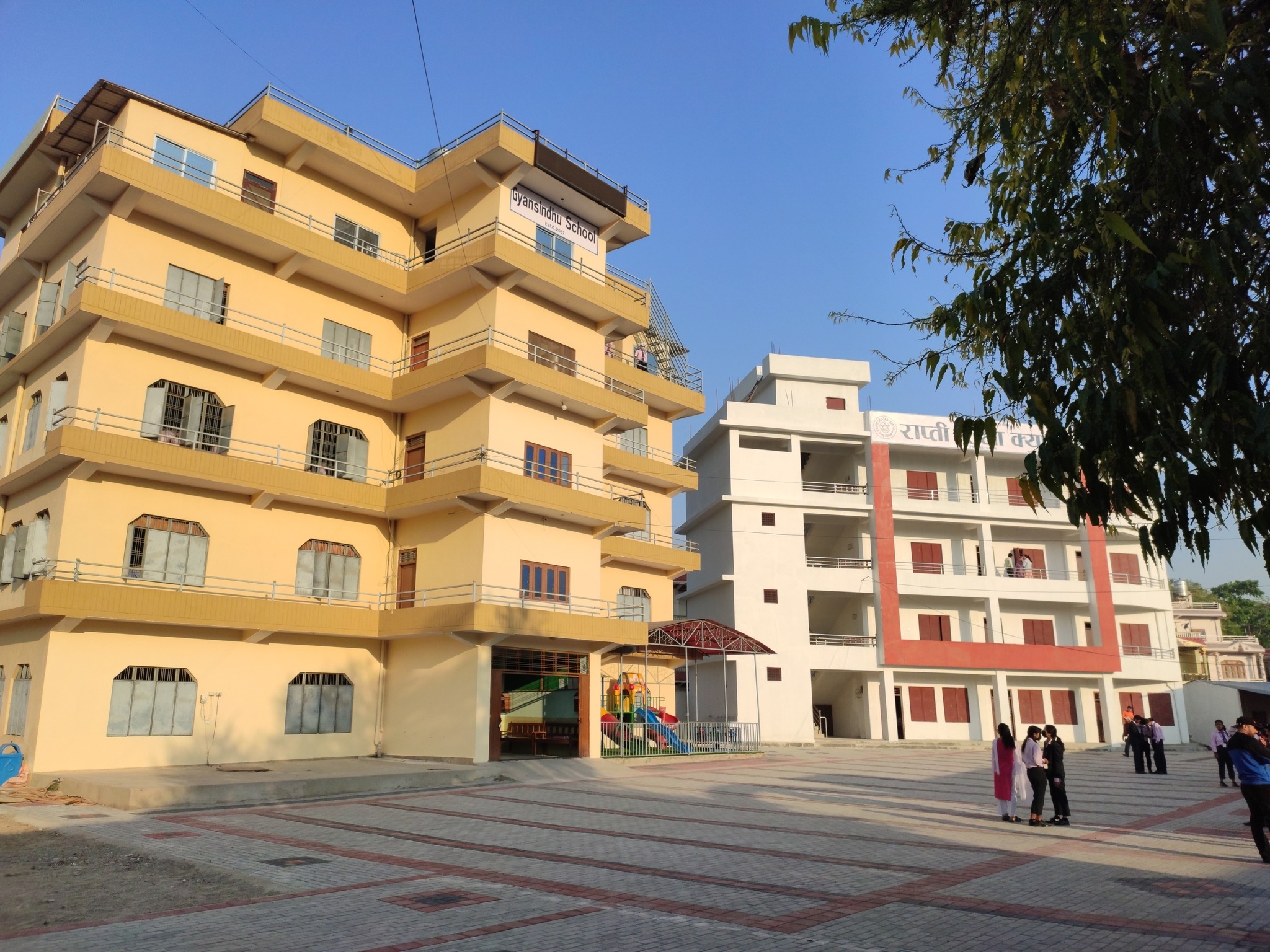
The M.Ed. program at Rapti Shiksha Campus gives education graduates in Dang access to a TU-affiliated master’s degree in English, Nepali, Health, and Population. Its curriculum structure combines specialization study, professional education courses, teaching practice or practicum, and thesis writing.
For students planning to continue in teaching, school leadership, academic supervision, public service, or education-related work, the M.Ed. program provides a structured postgraduate route within the teacher education field.
The M.Ed. program is a two-year, four-semester program under Tribhuvan University.
Rapti Shiksha Campus offers M.Ed. in English, Nepali, Health, and Population.
Rapti Shiksha Campus is located at Ghorahi Sub-Metropolitan City-15, Aanandapur, Lumbini Province, Dang.
Students with B.Ed. or Post-Graduate Diploma in Education from Tribhuvan University or a recognized university are eligible for admission to M.Ed. Subject-specific requirements apply according to the chosen specialization.
M.Ed. follows the semester system. Semester-end examinations are conducted by the Office of the Dean, Faculty of Education.
Yes, scholarship and fee-discount provisions are available for eligible students, including persons with disabilities, meritorious students, Dalit students, students from backward regions, poor students, and helpless groups.