The Bachelor of Engineering (BE) in Electrical & Electronics Engineering at United Technical College (U-TEC), Bharatpur, Chitwan, Nepal, offers a comprehensive academic program. This program, affiliated with Pokhara University, focuses on producing skilled electrical and electronics engineers capable of addressing current industry needs.
The BE Electrical & Electronics Engineering curriculum is designed to cover diverse areas of electrical and electronics engineering, from basic concepts to advanced applications. U-TEC aims to prepare individuals to navigate the complexities of modern technology, providing a strong foundation for a career in this field.
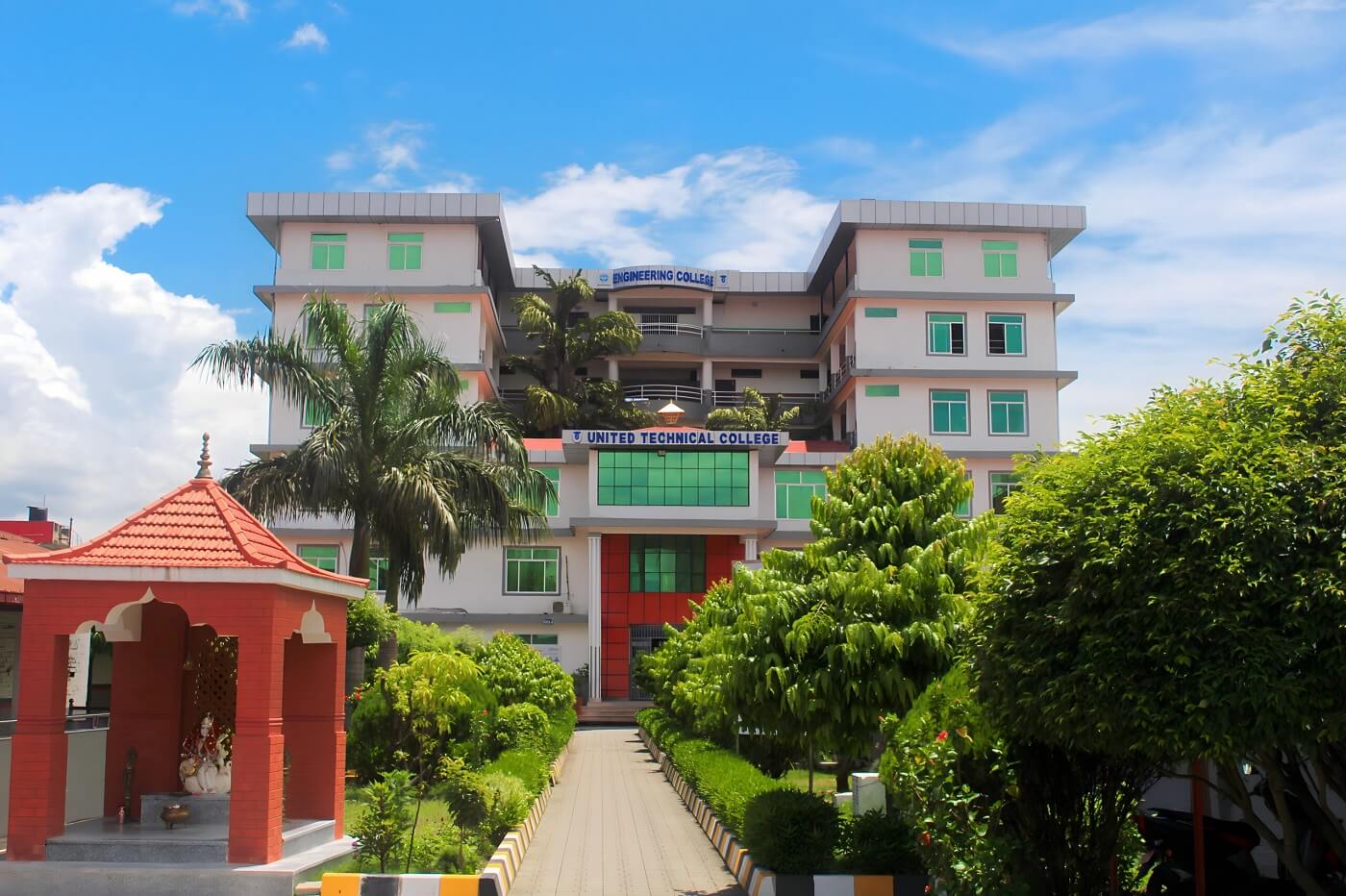
The Electrical & Electronics Engineering program curriculum is thoughtfully structured over four years, incorporating a blend of theoretical knowledge and practical experiences. This detailed structure ensures that students are well-prepared for various aspects of their profession.
The foundational courses in the program establish a strong base for further studies:
Circuit Theory is the Study of electrical circuits. This course helps students understand electrical circuits and how they work.
Electromagnetics: Exploring the principles of electricity and magnetism. It covers topics including electromagnetic waves and related technology.
Electronic Devices: Studying the properties and applications of electronic devices. It examines the building blocks of electronic systems and how they function.
Digital Logic Design: Learning about digital circuits and their construction. It focuses on logic gates, digital circuits, and memory systems.
Signals and Systems: Analyzing signals and systems. It covers methods for analyzing and processing signals.
Electrical Machines: This area examines electrical generators and motors, focusing on generating and using electrical power.
Power Systems: Studying electrical energy generation, transmission, and distribution. It looks at how electrical power is delivered from power stations to homes and industries.
Control Systems: Learning about how to control and automate devices and systems. It includes how to use feedback and control to get desired results from a system.
In the later stages of the program, students can choose from a variety of specializations and elective courses, allowing them to focus on particular areas of interest:
Power Electronics: Concentrating on power conversion and control using electronic devices. This includes how to change, control, and use electrical power.
Embedded Systems: Learning about computer systems that are built into larger devices. It covers designing and making integrated computer systems.
Communication Systems: Studying different communication methods and technologies. This field includes how various methods of communication work, such as wired and wireless systems.
Renewable Energy Systems: Focusing on sustainable energy sources, like solar and wind. It promotes the understanding of different clean energy systems and how they work.
Instrumentation and Measurement: Examining different measurement tools and their applications. It focuses on sensors, measurement devices, and their use in industrial settings.
The main objectives of the BE Electrical & Electronics Engineering program are:
To create capable electrical and electronics engineers with a thorough understanding of the core concepts.
To provide students with the necessary analytical and problem-solving abilities for the field.
To encourage knowledge of ethical and environmental considerations in engineering.
To promote continuous learning and professional improvement among students.
To prepare students for various roles in the sector and research opportunities.
Electrical and electronics engineering encompasses various fields, including power generation, electronic systems, communication, and automation. The program prepares graduates for opportunities in multiple sectors.
Upon completing the program, students will be able to:
Apply mathematics and science to address real-world engineering challenges.
Analyze and plan various electrical and electronic systems.
Manage and complete electrical projects with ethical and professional standards.
Undertake research and development work in the electrical and electronics area.
Communicate complicated technical data effectively and with clarity.
The program includes modules designed to enhance the following:
Technical Proficiency: Using software tools for electrical design and simulation.
Project Management: Effectively planning, executing, and managing engineering projects.
Communication Skills: Presenting findings through presentations and reports.
Problem-Solving: Tackling complex technical issues creatively.
Teamwork: Collaborating in group projects.
Ethical Practice: Adhering to professional ethics and responsible practices.
The instructional approaches at U-TEC are student-focused and practical. These include:
Lectures: Delivering key concepts and theoretical knowledge.
Practical Training: Hands-on labs for putting theory into practice.
Projects: Providing experience in real-world engineering scenarios.
Case Studies: Analyzing actual problems to develop critical thinking.
Industrial Visits: Providing a fundamental understanding of engineering projects.
Guest Lectures: Industry experts sharing their perspectives and experiences.
The faculty members at U-TEC bring a wealth of knowledge from different fields of electrical and electronics engineering, combined with many years of experience working in the field. They are passionate about teaching and committed to the success of their students.
To be considered for admission to the BE Electrical & Electronics Engineering program at U-TEC, students must have:
A high school diploma with science as a major.
A minimum qualifying grade in the entrance examination conducted by Pokhara University.
To fulfill any other additional requirements by the university.
Graduates of the Electrical & Electronics Engineering program can pursue careers in:
Power generation and distribution companies
Electronics and communication industries
Automation and robotics companies
Telecommunication firms
Consulting agencies
Research organizations
Government agencies
U-TEC students participate in many extracurricular activities that promote their holistic development. This includes technical societies, cultural activities, sports, and community service projects.
U-TEC offers financial support to eligible students. The college website and the Pokhara University portal provide specific details on the available scholarships.
Choosing the BE Electrical & Electronics Engineering program at U-TEC offers:
A curriculum that aligns with industry needs and technical advancement.
Practical training with access to well-equipped laboratories.
A focus on ethical and sustainable engineering practices.
Good career growth possibilities.
United Technical College (U-TEC) is a good option because of:
A group of experienced faculty dedicated to student achievement.
A supporting and encouraging academic environment.
A dedication to quality education and holistic growth.
Practical teaching and research opportunities.
The BE Electrical & Electronics Engineering program at United Technical College offers a complete education for aspiring engineers. The program is designed to provide students with the knowledge and skills needed to excel in their chosen career path. The emphasis on both practical and theoretical learning helps make this a worthwhile choice for those who want to enter the electrical and electronics engineering field.
Contact United Technical College's administrative office for detailed information on the BE Electrical & Electronics Engineering course, including fees, scholarships, facilities, counseling, eligibility criteria, etc.