



Tamu Lhosar: Identity, Tradition, and Cultural Continuity
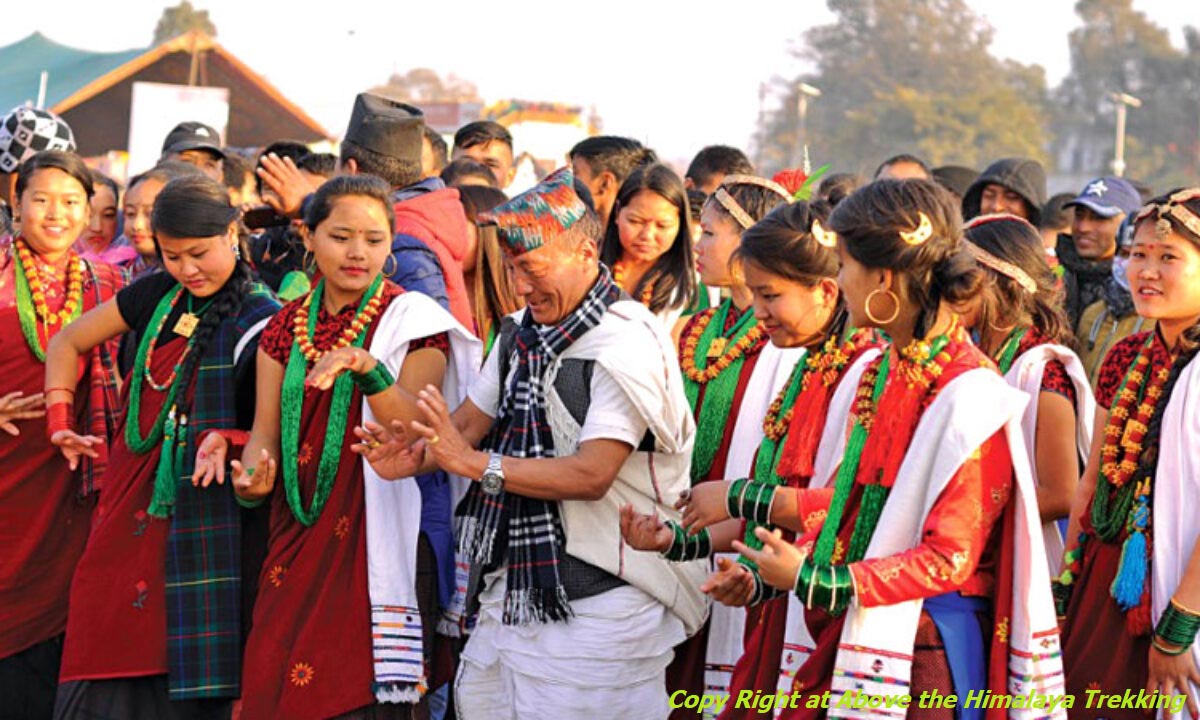
Nepal is a multi-ethnic, multilingual, and multicultural country. Each community has its own original traditions and cultural practices, which have made Nepali identity recognized in the world. Among these diverse cultures, the largest and most culturally significant festival of the Tamu (Gurung) community living in the Himalayan and hilly regions is “Tamu Lhosar.”
“Lho” means “class” or “year,” and “Sar” means “new” or “change.” Therefore, the literal meaning of Lhosar is understood as “New Year” or “class change.”
The Tamu community celebrates Poush 15 as the New Year. This is not only a festival, but also a symbol of the Tamu people’s ancestral history, astrological calculation, and deep relationship with nature. In this article, we will discuss in detail and in a research-oriented manner the historical background of Tamu Lhosar, its religious and cultural aspects, its astrological basis, and its relevance in the present time.
Historical Background and Origin
When observing the history and civilization of the Tamu people, their origin is found to be connected to the Tibetan Plateau of Bhot-China. According to anthropological studies, the Tamus migrated from north to south and began settling in Nepal’s mid-hill region (especially the Gandaki area).
The tradition of Lhosar is very ancient. It is considered older than the arrival of Buddhism, and its roots are linked to the Bon religion. In ancient times, when people were learning to calculate time, they used nature and the behavior of animals as a basis.
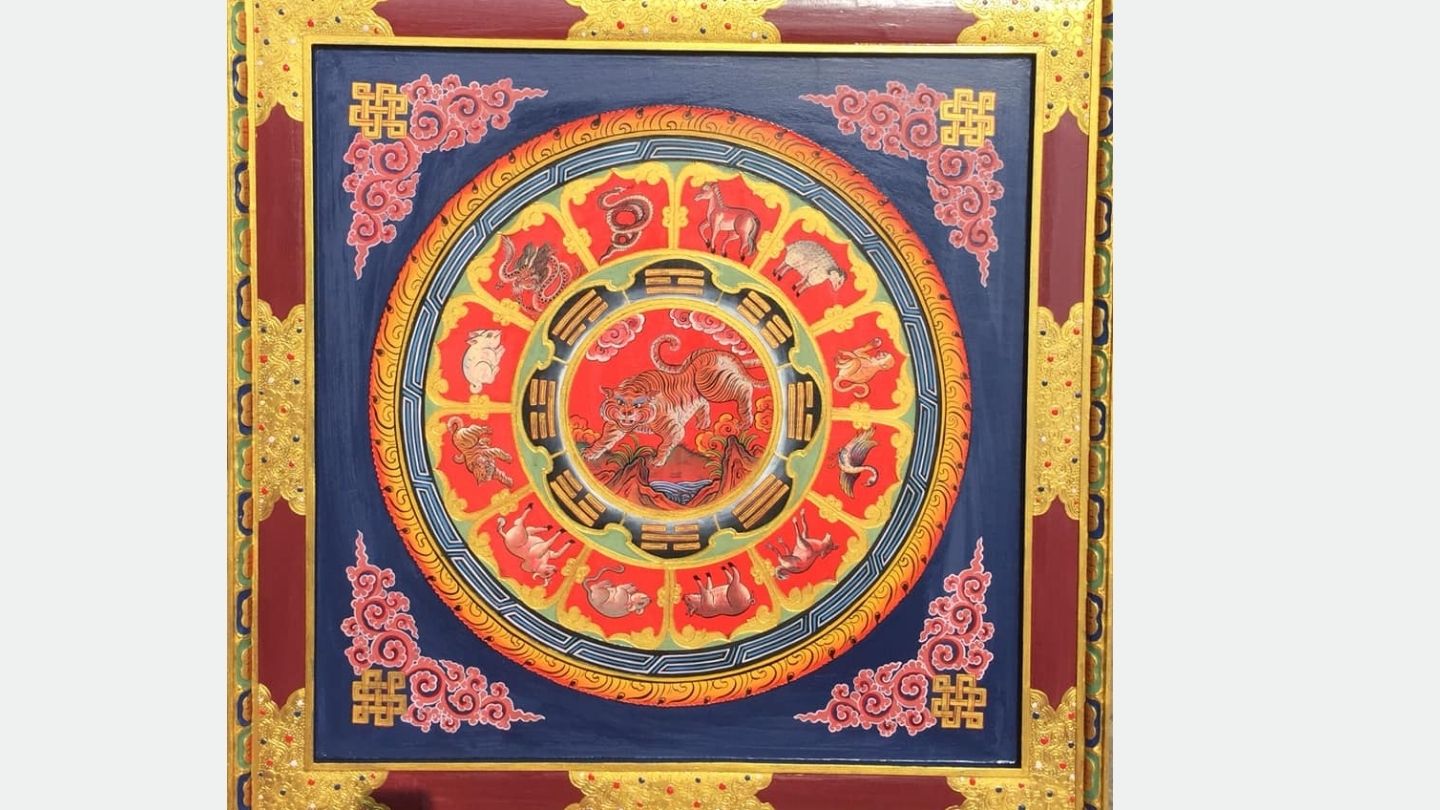
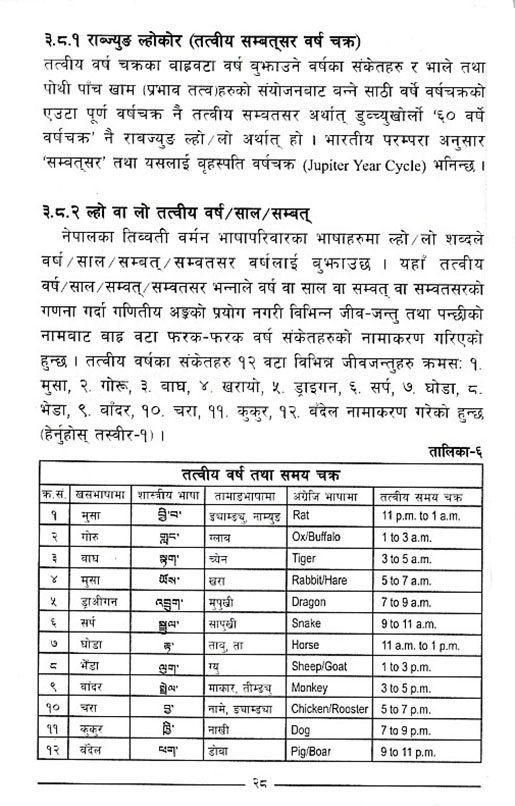
The calculation system of Tamu Lhosar is based on “Lhokhor,” in which years are named after 12 animals. This system has been in practice for thousands of years in Central Asian and Himalayan civilizations.
Lhokhor (Class Cycle) and Astrological Importance
In Tamu culture, time is divided into a 12-year cycle. Each year is named after an animal.
These 12 animals are as follows:
-
Garuda (Lwe-Lho)
-
Snake (Sapri-Lho)
-
Horse (Ta-Lho)
-
Sheep (Lhu-Lho)
-
Monkey (Pra-Lho)
-
Bird (Chy-Lho)
-
Dog (Khi-Lho)
-
Deer (Pho-Lho)
-
Mouse (Ku-Lho)
-
Cow/Ox (Lho-Lho)
-
Tiger (To-Lho)
-
Cat/Rabbit (Hyi-Lho)
On Poush 15, one class ends and another class begins. The Tamus celebrate this change with a grand festival. According to Tamu astrology, a person’s nature, fortune, and future are determined by the “Lho” (class) in which they were born.
This system is largely similar to modern “Zodiac Signs,” but its calculation is done according to the lunar calendar.
Why Specifically on Poush 15?
There are scientific and natural reasons behind celebrating Tamu Lhosar on Poush 15. Geographically, this time falls around the Winter Solstice. After Poush 15, the sun enters Uttarayan, due to which days begin to get longer and nights shorter.
Ancient Tamu society was based on agriculture and livestock. They accepted the end of the cold and dark period and the beginning of warmer and brighter days as a new life and a new year. From this day, it is believed that the sun’s warmth increases and a new cycle of nature begins.
Cultural and Religious Practices
The celebration of Tamu Lhosar begins a few days in advance. Its main aspects are as follows:
(a) House Cleaning and Decoration
To welcome the New Year, houses are cleaned and maintained. This reflects a religious belief that negative energy is removed and positivity is brought inside.
(b) Religious Worship (Pye-Tan-Lhu-Tan)
Priests have an important role in the Tamu community. Pachyu, Gyabre, and Lama perform special rituals and worship. They remember the ancestors and pray for the family’s happiness, peace, and prosperity.
Khegi recite the Tamu “Pye” (original scripture), which includes narratives on the origin of creation and stories of ancestral bravery.
(c) Traditional Food and Drink
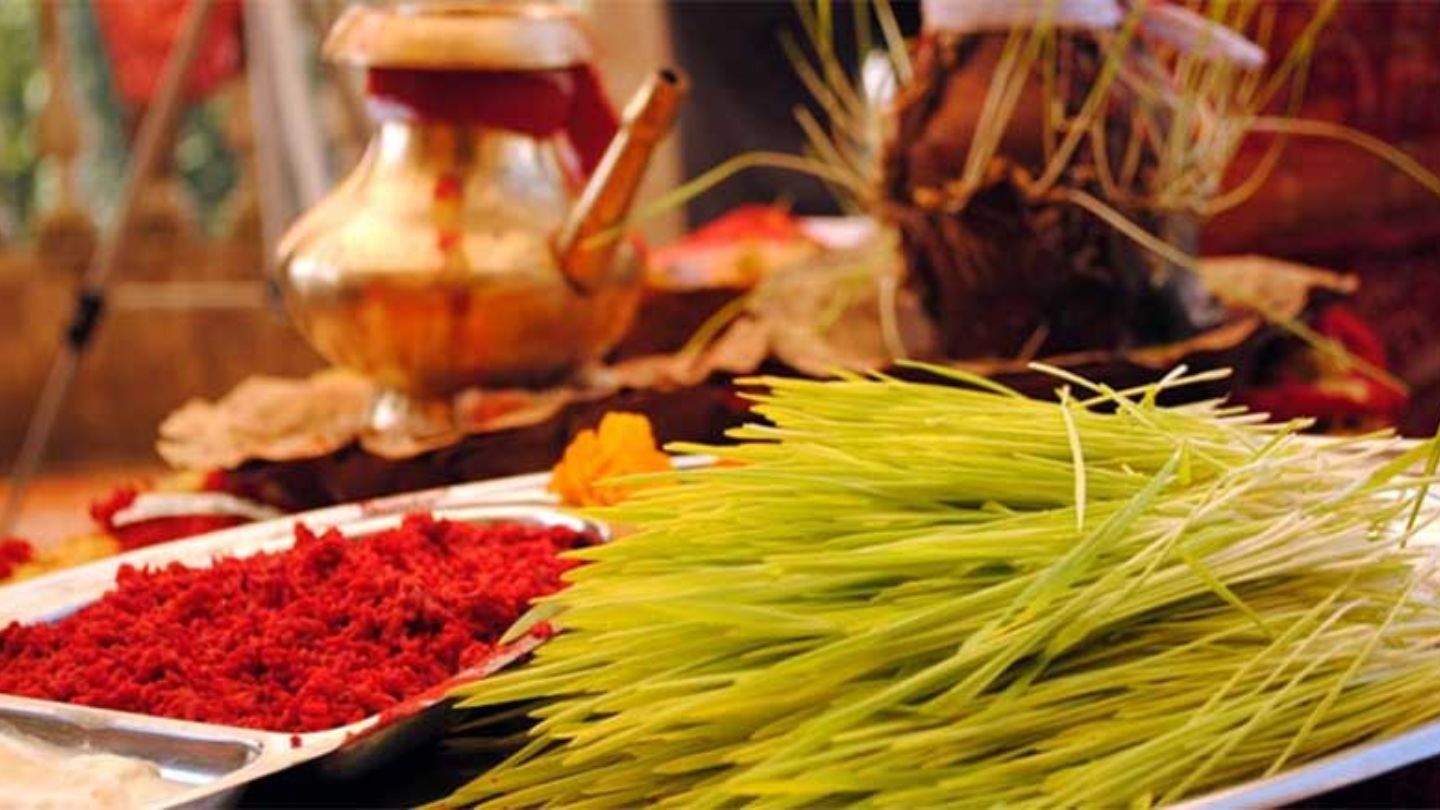
Special dishes of Lhosar include sel roti, achar, and wheat-flour bread (Kyui). In addition, “kodo jaand” and “rakshi” are used as auspicious items in the Tamu community.
All family members sit together and eat a communal meal, which is called “Bhoj” or “Bhater.”
(d) Offerings and Blessings
Receiving blessings from elders and respected family members is a central part of Lhosar. Gifts are exchanged among relatives and neighbors, which increases social harmony.
Dress and Identity
On Tamu Lhosar, people of the Gurung community dress in their original traditional attire. Men wear “Bhangra” (a cotton cloth tied around the waist), “Kachhad,” and a cap. Women wear “Gunyu-Choli,” “Ghalek,” and gold ornaments such as dhungri and mundri.
These dresses reflect the distinct identity of the Tamu people and teach the younger generation to take pride in their culture.
Social Unity and the “Rodhi” Tradition
In Tamu culture, Rodhi has historical importance. Although Rodhi houses are decreasing today, during Lhosar, collective singing and dancing (Kauda, Ghatu, Sorathi) provide a reflection of Rodhi traditions.
In villages, “Tole” and “Ama Samuha” organize cultural programs. This strengthens unity, cooperation, and mutual love within the community.
Present Challenges and the Need for Preservation
In today’s era of globalization, every original culture faces increasing challenges. Tamu Lhosar is not untouched by these pressures.
Migration: The trend of moving from villages to cities and from cities abroad has reduced the practice of celebrating Lhosar in its original style.
Western culture: Among the youth, attraction toward foreign festivals over their own original festivals is a matter of concern.
Commercialization: These days, Lhosar is increasingly being seen only as a feast in “party palaces,” which can overshadow its spiritual and classical significance.
To overcome these challenges, it is necessary to include information about such original cultures in educational curricula, publish research-based texts, and actively engage youth in cultural programs.
Measures for Cultural Preservation
Celebrating the festival alone is not enough. Practical steps are needed for its preservation:
-
Documentation: The Tamu community’s “Pye” and religious scriptures should be preserved in written form.
-
Language preservation: Since Lhosar songs and worship mantras are in the Tamu language, preserving the language is essential.
-
Linking with tourism: If Lhosar can be developed as “cultural tourism,” it can bring economic benefit as well as global recognition.
-
Use of digital platforms: Social media and the internet should be used to educate the new generation about the importance of Lhosar.
Conclusion
Tamu Lhosar is not only a festival of the Gurung community, but a shared pride of all Nepalis. It connects us with nature, teaches respect for ancestors, and maintains mutual brotherhood in society. As the “Lho” changes, a positive change is also needed in our thinking and behavior.
Our culture is our identity. If identity is lost, our existence also ends. Therefore, preserving the dignity of Tamu Lhosar is the responsibility of every Nepali. May this festival spread a message of happiness, peace, and unity to all.
Reference Materials
-
Gurung, Dr. Harka, “History and Culture of the Tamu People.”
-
Nepal Academy, “Nepali Culture Encyclopedia.”
-
Anthropological Research Reports, Tribhuvan University.
-
Historical Documents of Tamu Hyula Chonj Dhin.

.png)

Comments 0
No comments yet. Be the first to start the conversation.