



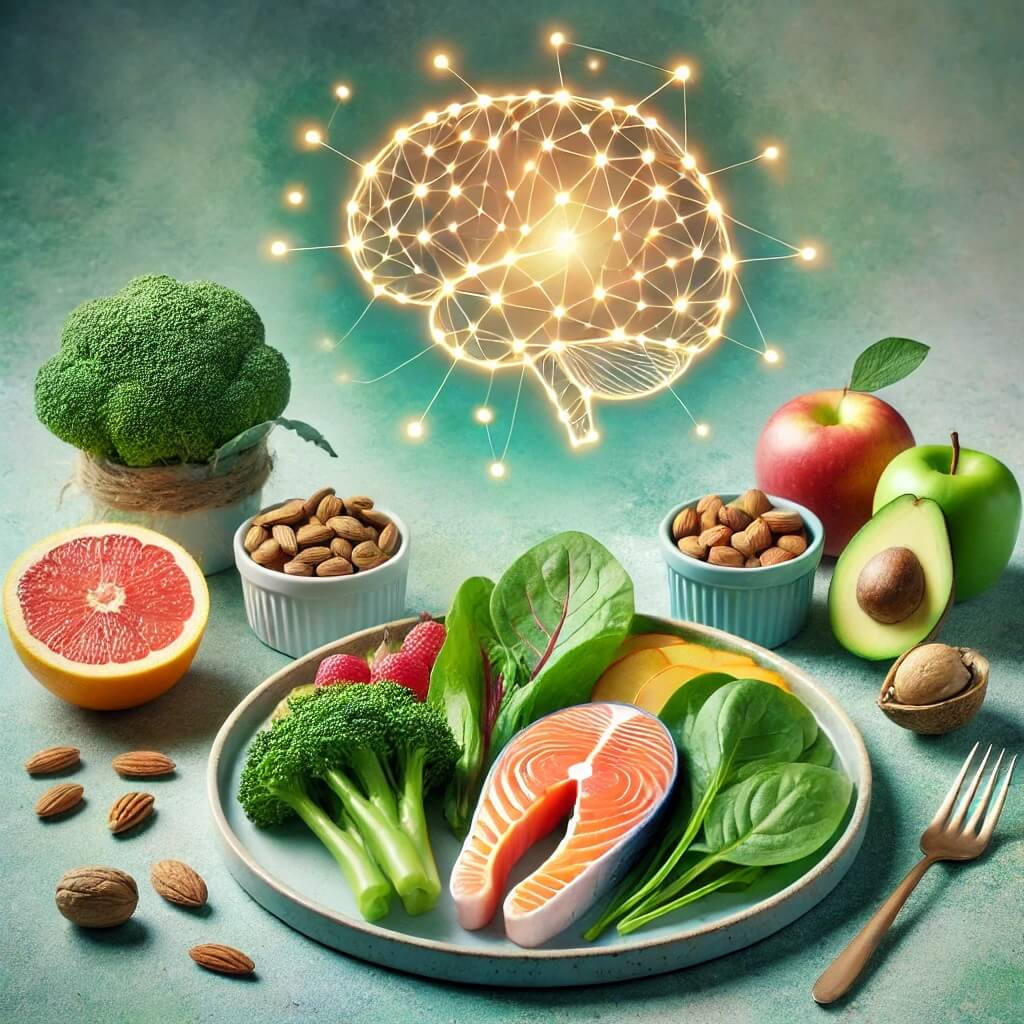
In a world where anxiety, depression, and mood swings are becoming harder to ignore, people are rightly searching for every tool available to support their mental health. Therapy, medication, exercise — these all get plenty of attention. But one factor that tends to slip under the radar is something we engage with multiple times every day: what we eat.
It might sound almost too simple. But the connection between nutrition and mental health is well-established and genuinely significant. What you put on your plate influences how your brain functions, how your mood behaves, and how resilient your mind is over the long run. Understanding that connection — and doing something about it — can make a real difference.
Table of Content
How Nutrition Impacts Mental Health
Food doesn't just fuel your body. It fuels your brain. Every nutrient you consume has some effect on how your brain operates — and the cumulative impact of a poor diet versus a nourishing one can show up in ways you might not immediately connect to what you've been eating.
The right nutrients can improve brain function, stabilize mood, and even ease symptoms of mental health disorders. The wrong dietary patterns can do the opposite — increasing inflammation, disrupting neurotransmitters, and leaving your mental resilience weaker than it should be.
1. Nutrients That Are Particularly Important for Mental Health
Certain nutrients play such a direct role in brain function that deficiencies in them can meaningfully worsen mental health. A few stand out:
Omega-3 Fatty Acids
Omega-3s are essential for building brain cells, reducing inflammation, and keeping neurotransmitters working properly. Research consistently shows that people with low omega-3 levels are more prone to depression and anxiety. The good news is that getting more of them isn't complicated — fatty fish like salmon and mackerel, walnuts, and flaxseeds are all solid sources.
B-Vitamins
B12 and folate in particular have a strong relationship with emotional regulation and brain health. When these are low, mood disorders like depression and irritability become more likely. Leafy greens, legumes, and whole grains are among the best dietary sources, and they're worth making a regular part of your meals.
Magnesium
Magnesium has earned the nickname "the relaxation mineral," and for good reason. It helps calm the nervous system, supports serotonin regulation, and can ease anxiety symptoms. Nuts, seeds, leafy greens, and whole grains all deliver a useful amount of it.
Antioxidants
Oxidative stress damages brain cells over time and is linked to deteriorating mental health. Antioxidants, found in abundance in fruits and vegetables, help protect the brain from that damage. Berries, dark chocolate, and green tea are particularly rich sources worth incorporating regularly.
2. The Gut-Brain Axis
One of the more fascinating developments in nutritional science over the past decade is the growing understanding of the gut-brain axis — the bidirectional communication channel between your digestive system and your brain.
The gut is sometimes called the "second brain," and it earns that title. It produces many of the same neurotransmitters the brain uses, including serotonin, which plays a central role in regulating mood. That means the state of your gut microbiome has a direct bearing on how you feel mentally.
Probiotics
A healthy population of gut bacteria supports mental well-being; an imbalanced one is linked to higher rates of anxiety and depression. Probiotic-rich foods — yogurt, kefir, fermented vegetables like sauerkraut — help maintain that balance and, through the gut-brain connection, support mental health as well.
Fiber
Fiber feeds the beneficial bacteria in your gut, helping them thrive. Fruits, vegetables, legumes, and whole grains are all good sources. A well-nourished gut microbiome doesn't just support digestion — it supports the mental health benefits that come with a healthy gut-brain relationship.
3. What Happens When Key Nutrients Are Missing
Deficiencies in omega-3s, B-vitamins, magnesium, and antioxidants don't just leave nutritional gaps — they create conditions that actively worsen mental health. Increased inflammation and oxidative stress follow, both of which impair brain function. The downstream effects can include mood swings, irritability, and a heightened vulnerability to depression and anxiety.
It's a useful reminder that mental health isn't purely psychological. The biological foundation matters enormously.
4. Sugar and Processed Foods: The Other Side of the Equation
Just as certain nutrients support mental health, certain dietary habits undermine it. Diets heavy in sugar and processed foods are consistently linked to worse mental health outcomes.
Sugar
Too much sugar leads to energy crashes and mood swings — the kind of instability that makes it harder to manage stress or maintain emotional equilibrium. Sugar also promotes inflammation, which is harmful to brain health. Cutting back tends to improve mood stability and reduce symptoms of depression over time.
Processed Foods
Processed foods are typically stripped of the nutrients your brain actually needs, while being loaded with unhealthy fats, sugar, and salt. They fuel inflammation and oxidative stress — both of which impair the brain's functioning. Shifting toward whole, unprocessed foods is one of the more impactful dietary changes you can make for mental well-being.
5. What the Research Says
The scientific backing here is substantial. A study published in The Lancet Psychiatry specifically highlighted the role of nutrition in preventing and treating mental health disorders, making the case for diet-based interventions. Research in the Journal of Affective Disorders found that people following a nutrient-dense diet had noticeably lower rates of depression and anxiety.
These aren't fringe findings — they reflect a growing body of evidence that the field of nutritional psychiatry is building on steadily.
Practical Dietary Tips for Better Mental Health
The research points in a clear direction, and applying it doesn't require a complete lifestyle overhaul. A few focused changes can go a long way:
-
Bring in more omega-3s through fatty fish, flaxseeds, and walnuts to support mood regulation.
-
Eat more leafy greens like spinach and kale, which deliver both B-vitamins and magnesium.
-
Add fermented foods — yogurt, kefir, sauerkraut — to support a healthier gut microbiome.
-
Pull back on sugar and processed foods to reduce inflammation and stabilize mood.
-
Load up on fruits and vegetables for their antioxidant protection against oxidative stress on the brain.
Conclusion
The relationship between what you eat and how you feel mentally is real, well-researched, and actionable. Nutrients like omega-3 fatty acids, B-vitamins, magnesium, and antioxidants directly support brain function and mood stability. A healthy gut microbiome, maintained through probiotic and fiber-rich foods, strengthens the gut-brain connection that plays such a meaningful role in mental well-being. On the other side, heavy consumption of sugar and processed foods works against all of that — increasing inflammation, impairing brain function, and worsening symptoms of anxiety, depression, and irritability.
Small, consistent shifts in your diet — more leafy greens, fatty fish, nuts, and fermented foods — can have a genuinely meaningful impact on how you feel. Mental health is complex, and diet alone isn't the whole answer. But it's a significant piece of the puzzle, and one that's very much within your control. Take a look at what you're eating, and consider what changes might be worth trying.







Comments 0
No comments yet. Be the first to start the conversation.