



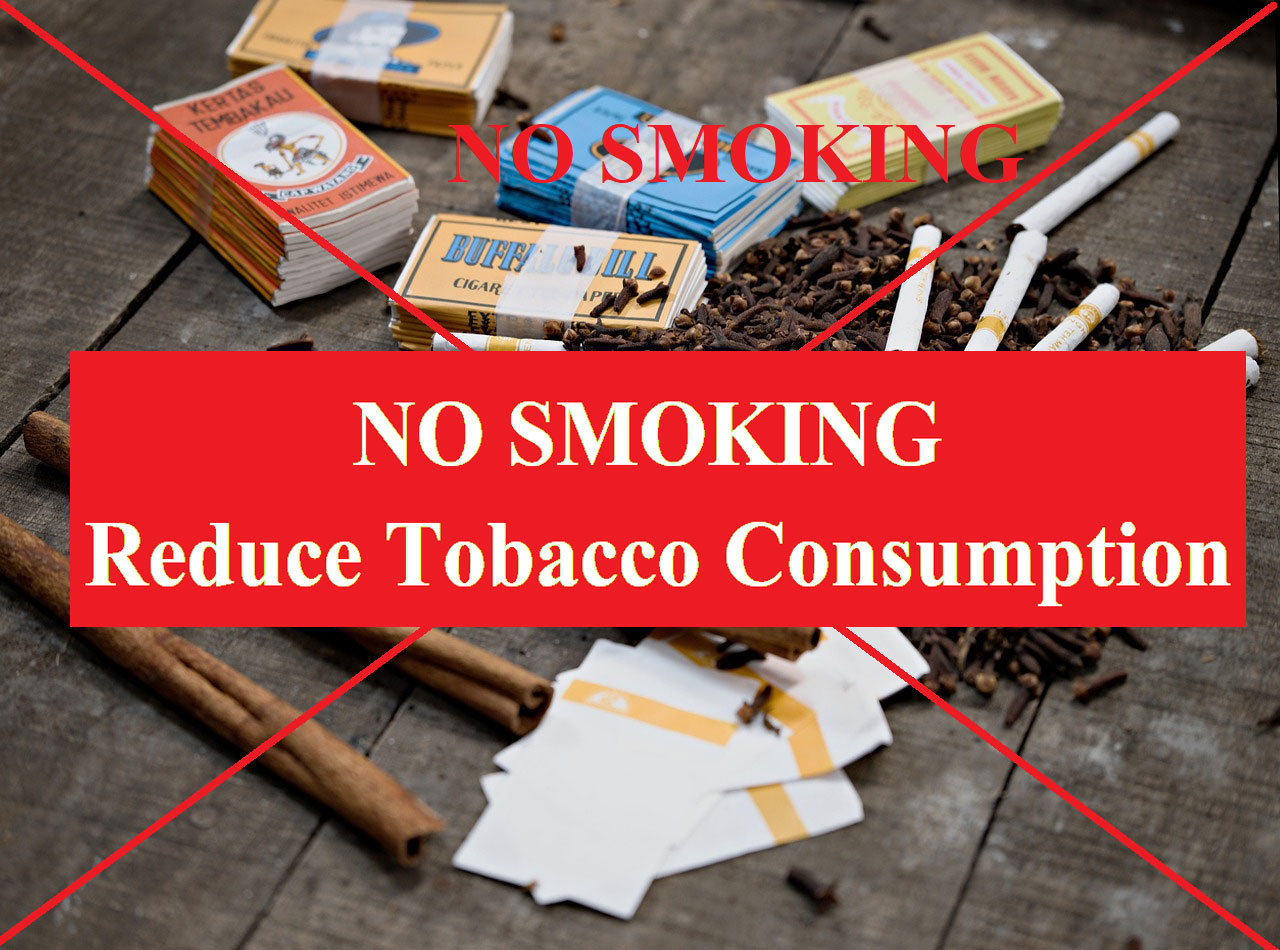
In Nepal, 39,200 people die every year due to tobacco products. It has been stated that, as tobacco control has not been effective, industries are targeting the younger generation not only with tobacco but also with new nicotine products.
It has been mentioned that while at least 75 percent tax should be imposed on tobacco products, such tax in Nepal has not been able to exceed 35 percent. It has also been stated that stricter policy intervention is necessary to control tobacco production.
Secretary at the Ministry of Health and Food Hygiene, Dr. Bikas Devkota, said the use of tobacco products has increased the risk of non-communicable diseases such as cancer, heart disease, and chronic respiratory diseases. He stated that tobacco and nicotine products add a major economic and social burden not only to individual health but also to families and the overall health system.
According to Dr. Devkota, it is necessary to make legal and regulatory mechanisms more effective to control new nicotine products introduced in the market targeting young people. According to the World Health Organization (WHO), more than 1.2 billion people worldwide use tobacco and nicotine products.
In Southeast Asia alone, around 322 million adults and 8.6 million adolescents are using tobacco products. Data show that more than 288 million people in the region use smokeless tobacco products, which is nearly 70 percent of total global users.
Nepal Medical Association President Dr. Anil Bikram Karki said the tax collected from tobacco products should be used in the health sector. According to him, in recent years, new products such as electronic cigarettes, vapes, and nicotine pouches have been attracting young people.
Dr. Karki said tobacco flavors, attractive packaging, social media, and digital advertising are targeting adolescents, adding that a coordinated campaign among the government, health workers, and communities is necessary to stop this.
According to the World Health Organization, the Southeast Asia region has achieved the world’s fastest progress in reducing tobacco use. The rate of tobacco use among adult men dropped from 60.1 percent in 2000 to 37.4 percent in 2024, while among women it fell from 38 percent to 9.3 percent. It has been stated that significant progress has been made toward achieving a 40 percent relative reduction in adult tobacco use between 2010 and 2025, which is higher than the World Health Organization’s target of a 30 percent reduction.
Director of the National Health Education, Information and Communication Center, Dr. Radhika Thapaliya, said young people should be provided with accurate information and awareness. She emphasized that awareness should be increased from the school, family, and community levels to prevent the start of tobacco addiction.
Dr. Thapaliya said it is necessary to expand digital health education programs to protect young people from the influence of misleading publicity and attractive advertisements spread through social media.
Senior cancer specialist Dr. Ujjwal Chalise said the number of cancer patients in hospitals has increased due to smoking. He accused the tobacco and nicotine industry of promoting new products such as electronic cigarettes, synthetic nicotine devices, and nicotine pouches as stricter regulation on cigarettes has increased.
Dr. Chalise said the trend of targeting young people through flavored products, attractive designs, and digital marketing has added a new challenge to the public health sector. He emphasized that public awareness, tax policy, and access to treatment services should be advanced together.
Meanwhile, World No Tobacco Day is being observed on Sunday with the main slogan, “Unmask the appeal, resist nicotine and tobacco addiction.”
Related Reading
tobacco-free tips for students


.jpg)




Comments 0
No comments yet. Be the first to start the conversation.