



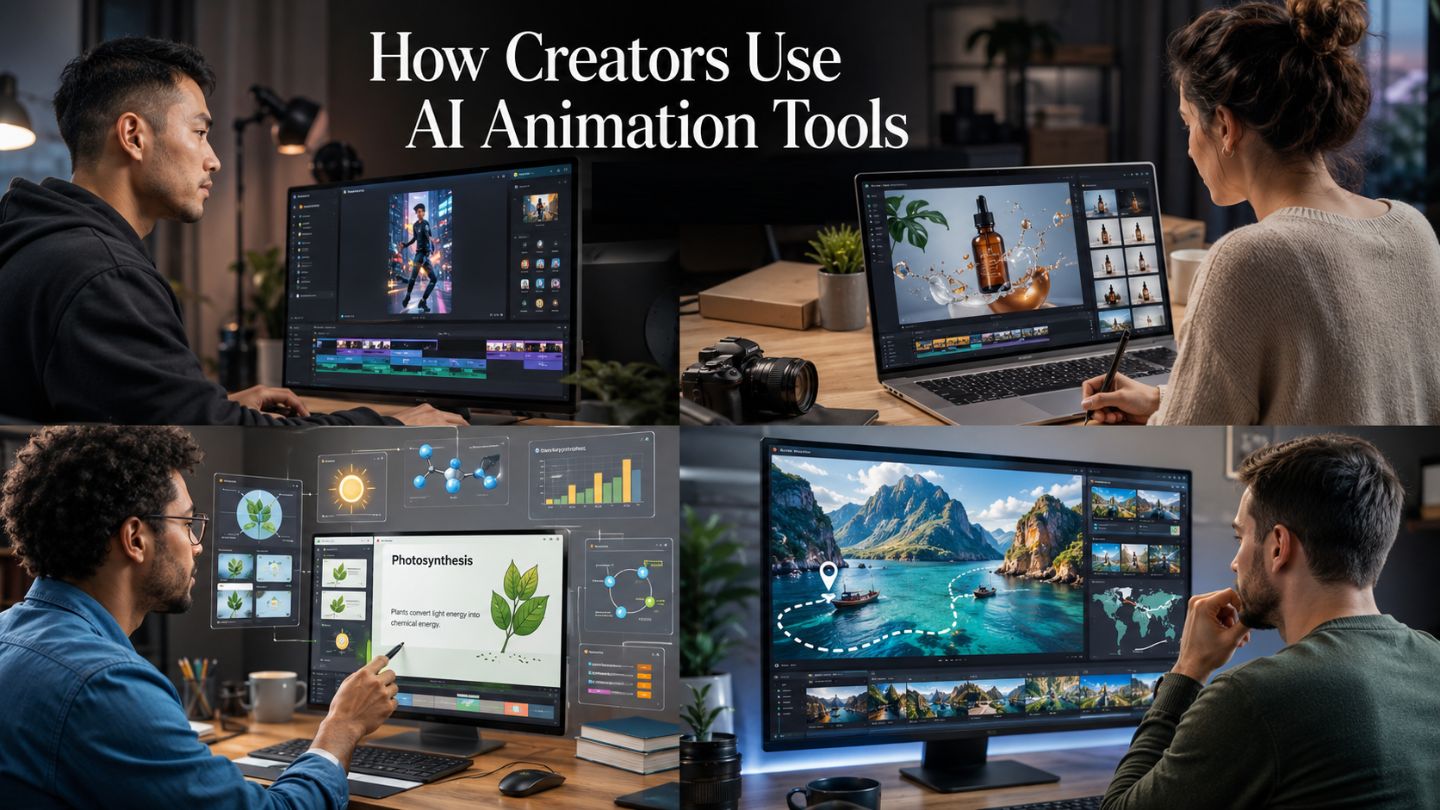
How Creators Use AI Animation Generator Tools
Short-form video is still dominating social media in 2026, but the production style has changed dramatically. Audiences now expect animated explainers, stylized transitions, AI-enhanced avatars, and motion graphics even from small creators and solo businesses. The challenge is that traditional animation software still takes time to learn, and hiring editors remains expensive for many independent creators.
That’s why lightweight AI-powered animation tools have become part of everyday content workflows. Instead of spending weeks learning keyframes or motion design, creators are turning simple prompts, images, or clips into polished animated videos within minutes.
One platform that keeps showing up in creator communities is Pollo AI, especially because it combines multiple AI video tools inside a single workflow rather than forcing users to jump between separate apps.
Why AI Animation Became Essential for Content Creators
The biggest shift over the past year is that animation is no longer reserved for studios. Small ecommerce brands, YouTubers, teachers, and freelancers are now using AI-generated motion content to improve engagement rates across TikTok, Instagram Reels, and YouTube Shorts.
A static image post often disappears in crowded feeds. Animated content, even subtle motion, usually performs better because it keeps viewers watching longer. That extra retention matters for platform algorithms.
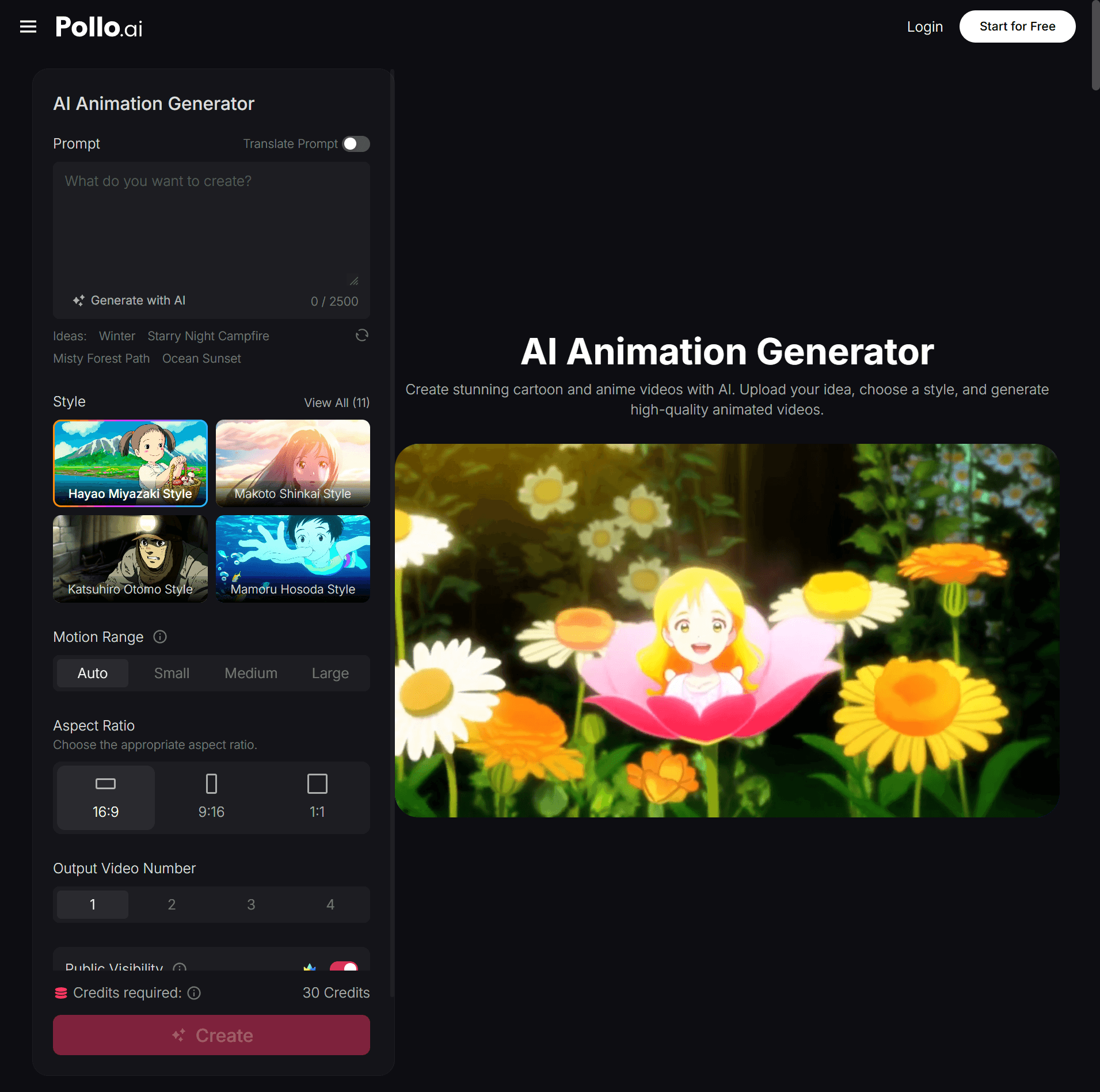
This is where Pollo AI’s AI animation generator has gained attention among creators who want fast results without complex editing software. Instead of manually animating scenes frame by frame, users can upload visuals or describe a scene in text and generate animated sequences that already look optimized for social content.
What makes these tools appealing is not only speed. They also lower the creative barrier for people who have ideas but lack animation experience. A travel blogger can animate still vacation photos. A teacher can turn lesson slides into motion explainers. A small online store can create animated product showcases without hiring a video editor.
The technology is changing the expectation of what “basic content” looks like online.
The Rise of Multi-Format AI Video Workflows
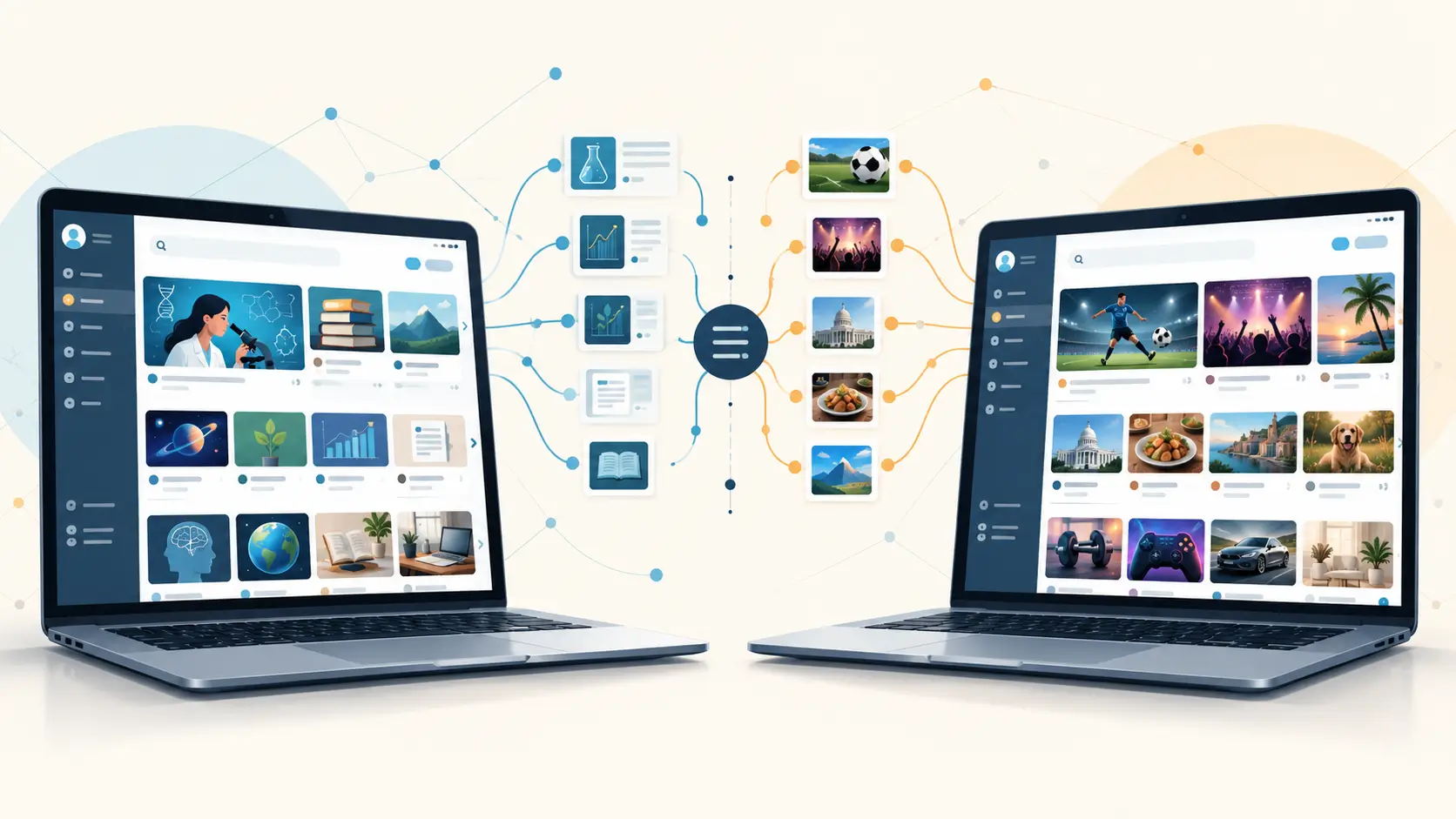
Another reason AI animation platforms are becoming popular is workflow consolidation. Creators increasingly prefer tools that can handle multiple content styles from one dashboard.
Instead of exporting files between editing apps, users want a single platform where they can:
- Generate animated clips
- Create social-ready vertical videos
- Add AI motion effects
- Produce intros and outros
- Repurpose long-form content into short clips
Pollo AI fits into this trend because it offers several specialized generators beyond animation alone. That matters for creators managing multiple channels at once.
For example, someone running a YouTube channel may create an animated explainer one day and a cinematic intro the next. Switching between unrelated tools slows production down and often creates inconsistent visual styles.
The newer generation of AI video platforms focuses more on connected workflows than standalone effects.
How AI Animation Tools Compare With Traditional Editors
Traditional animation software is still powerful, but many creators simply do not need that level of complexity. If the goal is producing engaging social content quickly, simpler AI-based systems often make more sense.
Older workflows usually involve:
- Timeline editing
- Manual motion paths
- Asset layering
- Rendering management
- Complicated export settings
AI-driven systems remove much of that friction. Users describe the result they want, upload source material, and iterate quickly.
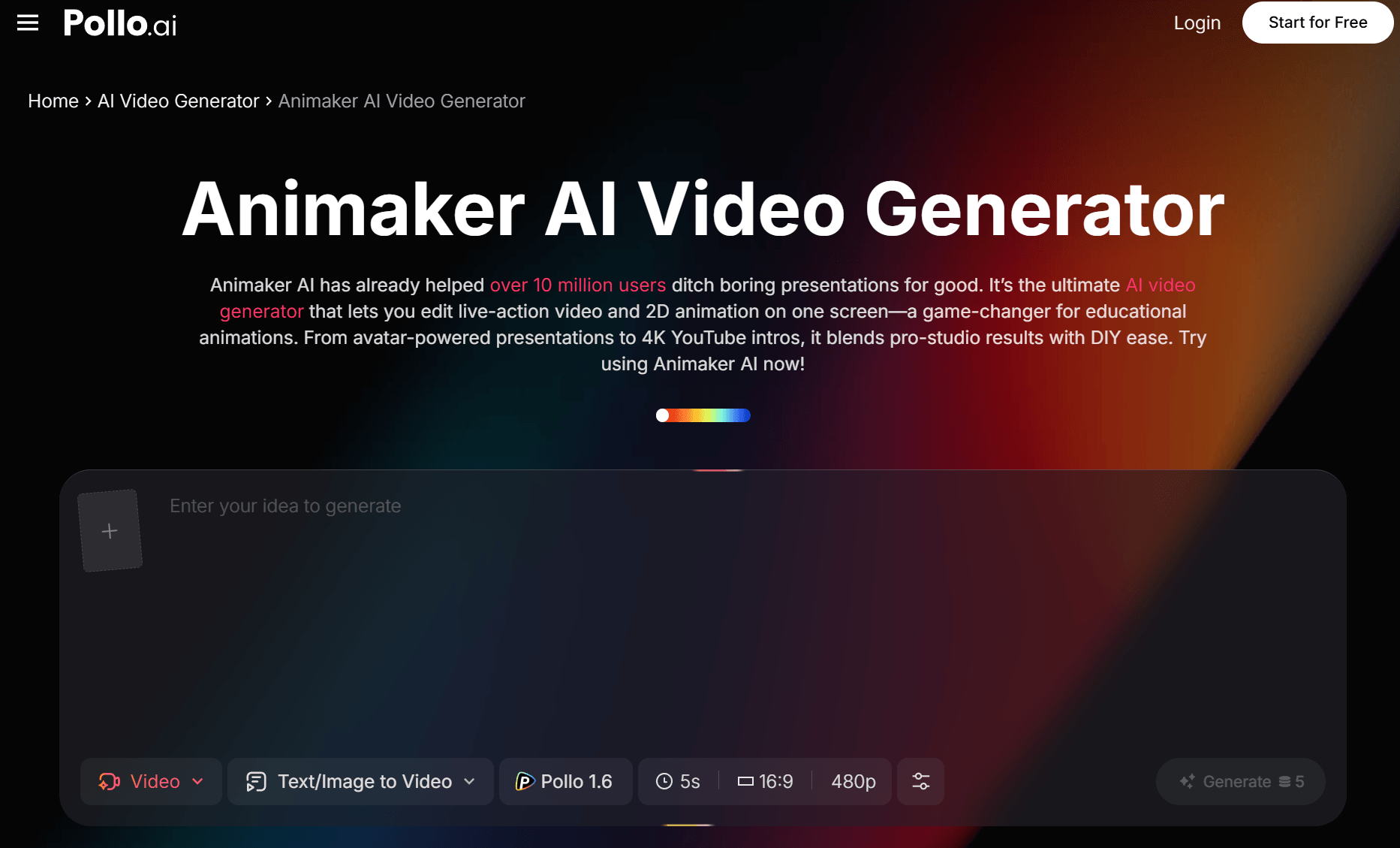
That’s also why some users exploring alternatives to older animation platforms have started testing Pollo AI’s Animaker workflow tools. Instead of relying on rigid templates alone, creators can experiment with AI-assisted generation styles that feel more dynamic and modern.
Interestingly, many creators are not replacing traditional editors completely. Instead, they are using AI animation tools for rapid ideation and short-form production while reserving advanced software for large commercial projects.
This hybrid approach is becoming increasingly common among freelance creators and marketing teams.
What Makes AI Animation Look More Natural Now
One criticism of early AI-generated video tools was that outputs often looked artificial or repetitive. That gap has narrowed significantly over the last year.
Modern systems generate smoother motion transitions, more believable camera movement, and better character consistency. Improvements in diffusion video models and motion prediction have made AI-generated animation feel less robotic.
Creators are also learning how to guide the models more effectively. Better prompts, reference images, and style direction lead to far stronger outputs than generic one-line requests.
Another major improvement is pacing. Earlier AI-generated videos often felt visually chaotic. Newer tools produce motion that aligns more naturally with social media viewing habits, especially in vertical mobile formats.
That refinement is one reason AI-generated animation has moved from novelty content into professional marketing workflows.
Where AI Animation Is Growing Fastest
Several industries are adopting AI animation particularly quickly.
Education creators are using animated explainers to simplify difficult concepts. Ecommerce sellers are turning product images into moving advertisements. Travel creators animate scenery and maps to make storytelling more immersive.
There is also strong growth in faceless YouTube channels. Many creators now produce animated storytelling videos without appearing on camera at all. AI-generated motion graphics help maintain audience attention while reducing production costs.
Small businesses benefit heavily from this shift because animation used to require agencies or specialized freelancers. Now, a solo creator can produce visually engaging content independently.
The result is a more competitive content environment where production quality expectations continue rising.
Why AI Animation Will Keep Expanding
AI animation is no longer treated as an experimental niche tool. It is becoming a standard part of digital content production.
The biggest advantage is not replacing creativity. It is accelerating execution. Creators still need storytelling instincts, visual taste, and audience understanding. AI simply reduces the technical barriers between an idea and a finished video.
Platforms like Pollo AI are benefiting because creators increasingly want flexible systems that support multiple content formats instead of isolated tools for individual tasks.
As social platforms continue prioritizing video engagement, the demand for fast and scalable animation workflows will likely keep growing. For creators trying to publish consistently without massive production budgets, AI animation tools are becoming less of an optional experiment and more of a practical necessity.





Comments 0
No comments yet. Be the first to start the conversation.